Moving a Vermont Registration to a New Machine for $10
It's a common scenario: you've been riding your trusty ATV around Vermont for a while, and its registration is still valid for months, maybe even a year. Then, an opportunity arises – a shiny new machine catches your eye, or you decide it's time for an upgrade. What do you do with that remaining registration period on your old quad? Thankfully, Vermont offers a straightforward process to transfer your existing registration to a new machine for a minimal fee, saving you from having to pay for a whole new period right away. This guide will walk you through exactly how to make that happen.
Understanding Vermont's Registration Transfer Process
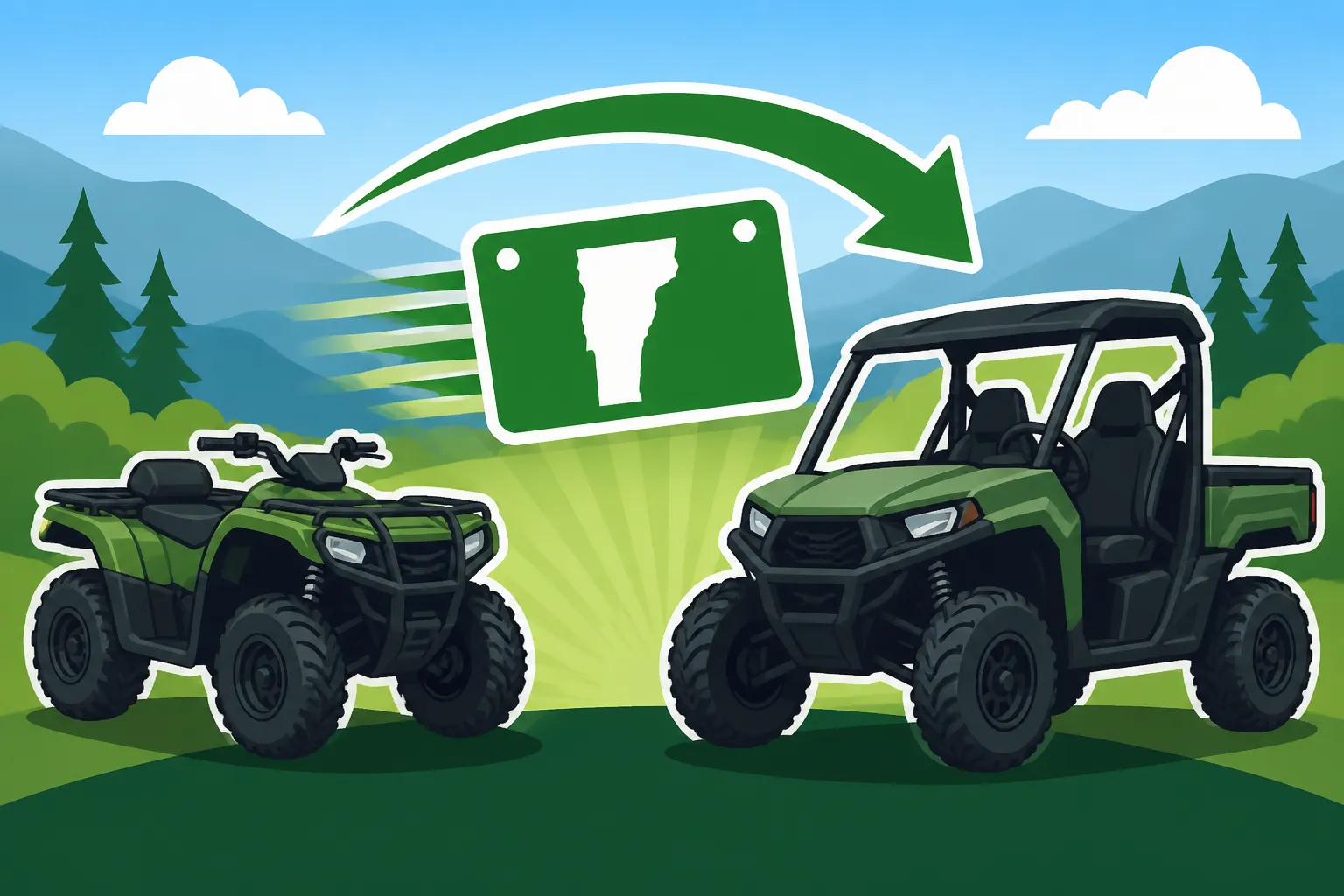
When you purchase a new ATV, the last thing you want is to waste the hard-earned money you spent on the current machine's registration. Vermont understands this, and they've put a system in place that allows you to essentially "move" the remaining validity of your current ATV's registration plate to your new ride. It's a smart way to get more value out of your initial registration fee, and it keeps you legal on the trails without skipping a beat. This isn't just a courtesy; it's a practical solution for riders who frequently upgrade or change machines.
The $10 Transfer Fee: What It Covers
The beauty of transferring your registration in Vermont is that it comes with a truly nominal fee. For just ten dollars, you can shift the existing registration from one ATV to another. This isn't an annual fee; it's a transaction charge for the administrative work involved in updating the state's records. Think of it as a processing fee that allows the Vermont Department of Motor Vehicles (DMV) to change the vehicle identification number (VIN) associated with your existing registration period. It's a significant saving compared to buying a brand new one-year or two-year registration for your new machine, especially if you have a substantial amount of time left on your current plate. This small fee makes upgrading much less financially daunting from a registration standpoint.
Why You'd Want to Transfer Your Registration
The most obvious reason, as we've touched upon, is cost savings. If you have six months, a year, or even more left on your current registration, transferring it for ten dollars makes a lot more sense than paying the full fee for a new registration for your new ATV. This is especially true if you just bought your previous machine a few months ago and have nearly the full [Vermont ATV Registration Cost] still on the books.
Beyond the immediate financial benefit, transferring ensures continuity. You don't want to find yourself with a brand new, exciting ATV sitting in your garage, unable to hit the trails legally because you're waiting for new registration paperwork or a new plate. By transferring, you can often get your new machine registered and ready to ride much faster, especially if you do the paperwork in person. This process is designed to be convenient, recognizing that riders don't always plan their purchases to coincide with registration renewal dates. It's about making your transition to a new machine as smooth as possible, letting you get back to enjoying Vermont's beautiful [Vermont ATV Trails: The VASA System] sooner rather than later.
Eligibility for Transferring an ATV Registration
Not just any ATV registration can be transferred. There are a few key eligibility points to keep in mind. First, the registration must be in your name, the person requesting the transfer. You can't transfer a registration that belonged to someone else, even if they gave you the machine. Second, the transfer must be from one ATV to another ATV, or from an ATV to an ASV (All-Terrain Vehicle to All-Snow Vehicle, though this query focuses on ATVs). You can't transfer an ATV registration to, say, a car or a boat. And finally, the previous machine's registration must still be valid. You can't revive an expired registration by transferring it.
It's crucial that the new machine meets Vermont's definition of an ATV or ASV. For example, [Vermont's 72-Inch, 2,500-Pound ATV Definition] outlines key criteria. If your new machine is significantly wider or heavier than these definitions, it might fall into a different class or require a different registration entirely, or potentially be restricted from certain trails. Always confirm that both the old and new machines fit the appropriate categories to ensure a smooth transfer. This ensures that you're not inadvertently transferring a registration to a vehicle that isn't legally an ATV or ASV in Vermont's eyes.
Step-by-Step: How to Transfer Your ATV Registration
The process of moving your ATV registration is fairly straightforward, especially if you have all your ducks in a row. It primarily involves gathering the correct documents and filling out a specific form at the DMV. Don't worry, it's not as intimidating as it might sound, and knowing what to expect can make it a breeze.
Gathering Your Essential Paperwork
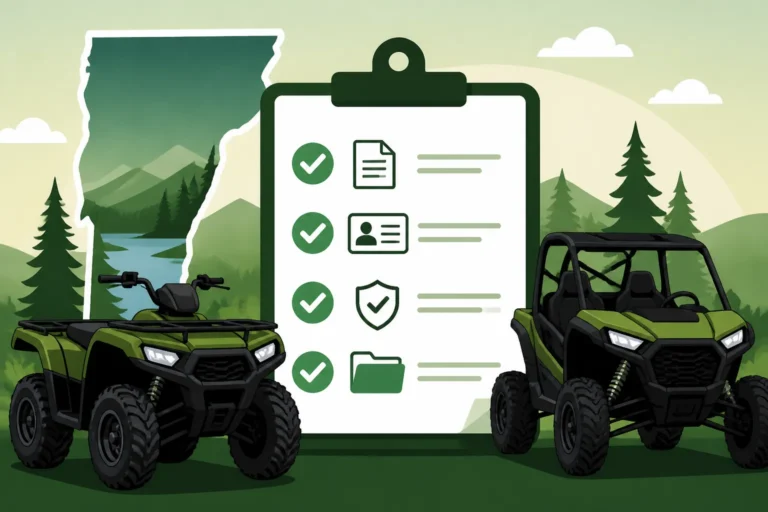
Before you head to the DMV, whether in person or by mail, you'll need to collect a few crucial documents. Think of it as your transfer checklist to ensure you don't forget anything.
- Proof of Ownership for the New ATV: This is paramount. You'll need the Manufacturer's Certificate of Origin (MCO) if the machine is brand new, or a properly executed title from the previous owner if it's used. If your machine is older and Vermont doesn't require a title for its year, you'll need a [Writing a Bill of Sale the Vermont DMV Accepts] or an [Filing an Ownership Affidavit at the Vermont DMV]. Essentially, you need to prove the new machine legally belongs to you. This is also where LawDepot could be helpful, as they offer templates for bills of sale and other legal documents that can help formalize private sales.
- Your Current ATV's Registration Certificate: You'll need the physical registration document for the ATV you're transferring from. This proves you had a valid, active registration to begin with.
- Proof of Insurance: Vermont requires liability insurance for all ATVs operating on designated trails and roads. You'll need to show proof of insurance for your new ATV. Make sure your insurance company has added the new VIN to your policy before you attempt the transfer. For more details, check out [Vermont ATV Insurance Requirements].
- Identification: Your valid driver's license or state-issued ID is necessary to confirm your identity.
- Payment for the Transfer Fee: Have your ten dollars ready, whether cash, check, or card, depending on how you're submitting your application.
Having these documents neatly organized will save you a lot of time and potential headaches at the DMV counter. Don't forget that if your original registration was a [Vermont Two-Year ATV Registration Option], the remaining two-year period will transfer over, minus the time already used.
Completing the Transfer Application
The primary form you'll need for this process is typically the VD-119, also known as the "Application for Registration and Title." Even though you might not be getting a new title for the old machine (or maybe you are for the new one, see [Vermont ATV Titles and What They Cost]), this form is used for most vehicle registration actions, including transfers.
On this form, you'll clearly indicate that you are requesting a "transfer" of registration. You'll provide the details of your old ATV (VIN, make, model) and the details of your new ATV (VIN, make, model). There's usually a section to explicitly mark that you want to transfer an existing registration period. Be meticulous when filling out the VINs and other vehicle information; even a single digit wrong can cause delays. If you're unsure about any section, it's always better to leave it blank and ask a DMV clerk rather than guess. Ensure you understand what [Vermont Purchase and Use Tax on an ATV] might apply to your new purchase if you haven't paid it already.
Submitting Your Application to the DMV
Once your paperwork is meticulously gathered and your VD-119 form is filled out, you have a couple of options for submission.
- In Person: This is often the quickest way to get your registration transferred. You can visit any Vermont DMV office. While appointments aren't always required, they can definitely speed up the process, especially during busy times. A clerk can review your documents on the spot, collect your ten-dollar fee, and usually issue you a new registration certificate immediately. They might even provide a temporary plate if necessary, though typically you'll just move your existing plate to the new machine.
- By Mail: If getting to a DMV office isn't feasible, you can mail your completed application and supporting documents. Make sure you include a check or money order for the $10 transfer fee. Be aware that processing by mail will take longer, so plan accordingly if you're eager to ride your new ATV. Always make copies of all your submitted documents for your records before sending them off. Remember to keep your existing registration plate, as it's the one that will be going on your new machine.
What Happens After Your Registration is Transferred
Once the Vermont DMV has processed your request, you're almost ready to hit the trails with your new machine. There are a few final steps and considerations to keep in mind to ensure everything is in order and you avoid any issues down the line.
Receiving Your New Registration and Plate
After your transfer is processed, the DMV will issue you an updated registration certificate. This new certificate will show the VIN of your new ATV, along with the original expiration date of your transferred registration. The great news is that you typically don't get a new physical plate. The [Vermont ATV Plates and Where They Go] are designed to be moved. You simply take the existing plate from your old machine and affix it securely to your new one. This means you're good to go as soon as you have that updated certificate in hand. Ensure the plate is mounted correctly on the rear of your ATV, and keep it clean and visible, especially when riding on shared roads in towns like Brighton that might have specific ordinances, as outlined in [Brighton's ATV Ordinance Explained in Vermont].
Important Considerations for Your "Old" Machine
So, what about the ATV you just transferred the registration from? It now no longer has a valid registration associated with that plate number. If you plan to sell it, the new owner will need to go through the process of [Registering an ATV With the Vermont DMV] under their own name. You'll provide them with the necessary proof of ownership (like the title or a bill of sale). If you're keeping it but not riding it, you don't need to do anything, but just remember it cannot be legally operated on public trails or roads until it receives a new, separate registration. If you decide to part it out or scrap it, you might want to consider notifying the DMV, though for ATVs, this isn't as critical as for a road vehicle. When selling, you can create a clear bill of sale using resources like LawDepot to ensure both parties have proper documentation.
Common Mistakes to Avoid During Transfer
While the process is fairly straightforward, there are a few common pitfalls that riders sometimes encounter:
- Expired Registration: Trying to transfer a registration that has already lapsed. You can only transfer active registrations. If it's expired, you'll need to [Renewing a Vermont ATV Registration] or simply get a new one for your new machine.
- Missing Proof of Ownership: Showing up without proper documentation for your new ATV will bring the process to a halt. Always double-check that you have the MCO, title, or a solid bill of sale. For private sales, ensure the [Proof of Ownership Vermont's DMV Will Accept] is precisely what they need.
- Incorrect VIN: A common, frustrating error. Double-check, then triple-check the VINs on your application against your documents and the machine itself.
- No Insurance: Forgetting to update your insurance to cover the new ATV before attempting the transfer. Vermont is serious about its [Vermont ATV Insurance Requirements], so don't skip this step.
- Assuming a New Plate: Expecting a new physical plate when usually you just reuse your existing one. This isn't a mistake that stops the process, but it can cause confusion.
- Not Paying Purchase and Use Tax: If your new machine is subject to [Vermont Purchase and Use Tax on an ATV] and you haven't already paid it (e.g., if buying from a private seller), you'll likely need to address this at the time of registration transfer. The DMV often handles this collection.
Beyond the Transfer: Related Registration Insights
Getting your registration transferred for just $10 is a fantastic way to save money and keep riding. However, owning and operating an ATV in Vermont involves a few other important considerations, especially when you've just acquired a new machine.
Tax Implications of Your New ATV Purchase
Even with a registration transfer, your new ATV purchase likely has tax implications. Vermont levies a Purchase and Use Tax on most vehicle acquisitions, including ATVs. If you bought your new machine from a dealer, they would typically collect this tax at the point of sale and remit it to the state. However, if you purchased your ATV from a private seller, you are generally responsible for paying the [Vermont Purchase and Use Tax on a Private ATV Sale] directly to the DMV when you register it. This tax is usually a percentage of the purchase price or the NADA book value, whichever is greater, minus any trade-in value you received if applicable. There are some [Vermont Purchase and Use Tax Exemptions], such as gift transfers between immediate family members, but it's essential to understand if your situation qualifies. Don't be surprised if the DMV clerk asks about the purchase price when you're transferring your registration.
Keeping Your Proof of Ownership in Order
Maintaining clear and organized proof of ownership is not just for registration transfers; it's critical for the entire lifespan of your ATV. Whether it's your new machine or the one you just transferred off of, always keep your title (if applicable), bill of sale, and registration certificate in a safe place. This documentation is vital for future sales, insurance claims, or proving ownership if your machine is ever stolen. If your ATV is titled in Vermont, make sure the title accurately reflects your name and any lienholders. If you ever lose your title, you'll need to apply for a [Vermont Replacement Title Cost] through the DMV.
When you're dealing with private sales, particularly if there's no official title involved (as with older machines), a well-documented bill of sale is your best friend. Services like LawDepot can provide templates that ensure all the necessary information, such as VIN, purchase price, date, and signatures, are included. This helps prevent misunderstandings and provides concrete proof of the transaction for both buyer and seller. Proper paperwork protects everyone involved and ensures that when it comes time for the next registration, sale, or even an insurance claim, you have all the necessary records at your fingertips.
Disclaimer
This article is for general informational purposes only and does not constitute professional advice. Laws, prices and regulations vary by location and change over time. Consult a qualified professional for guidance on your specific situation.