Vermont Registration for a Side-by-Side
You’ve just invested in a fantastic side-by-side (what some folks call a UTV), and you’re eager to explore Vermont’s incredible landscapes. But before you hit those trails, there's a crucial step that can often feel like navigating a maze: getting your machine properly registered with the state. Many new owners find themselves scratching their heads, wondering if a side-by-side is treated the same as a traditional ATV for registration purposes, and where to even begin with the paperwork. This guide is here to untangle that confusion, walking you through everything you need to know to get your side-by-side legally registered in Vermont, ensuring you're ready for adventure without any headaches.
Understanding Vermont's Definition of a Side-by-Side (ASV Class A)
One of the first things that trips up new side-by-side owners in Vermont is the terminology. While you might call your machine a UTV, the Green Mountain State's Department of Motor Vehicles (DMV) uses a different classification that impacts everything from your paperwork to your wallet. It's not just semantics; it's the core of how your machine is identified and regulated here.
The Key Distinctions Between ATVs and ASVs
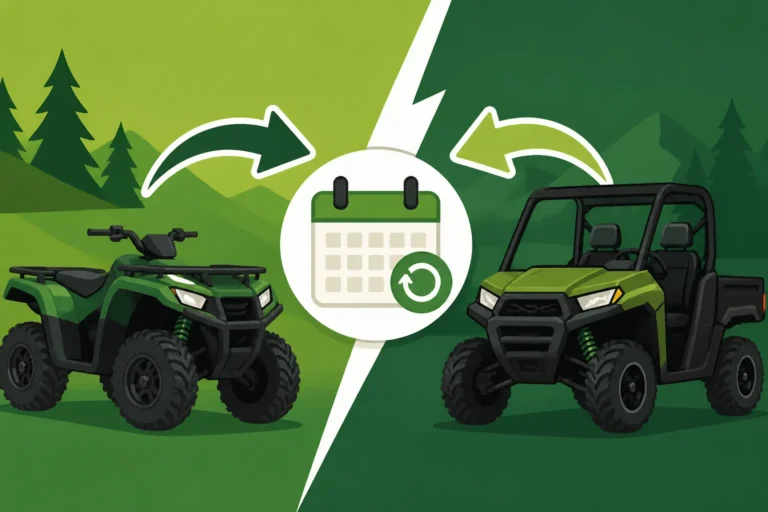
In Vermont, the term "All-Terrain Vehicle" (ATV) actually encompasses two distinct categories: what most people think of as a traditional ATV (quad) and what the state calls an "All-Terrain Vehicle, Class A," or ASV. Your side-by-side falls squarely into this ASV Class A category. So, what sets them apart in the eyes of Vermont law?
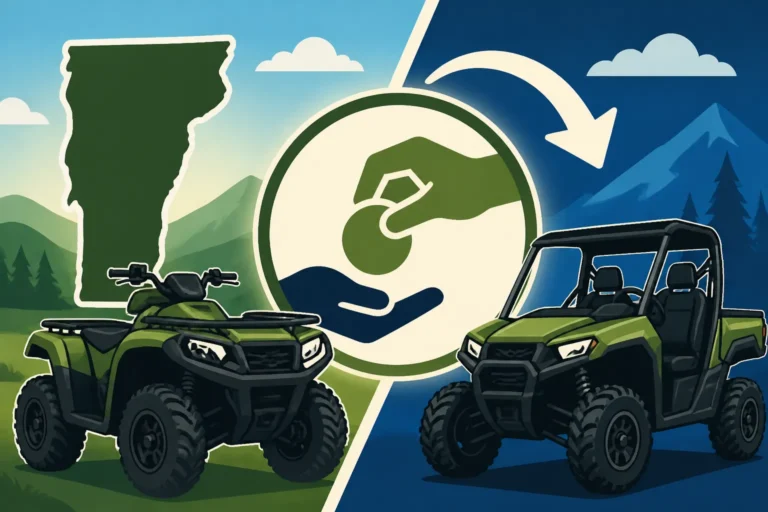
Traditional ATVs are typically single-rider machines, straddled like a motorcycle, with handlebar steering. They're designed for one operator, although some models permit a single passenger behind the driver. On the other hand, an ASV, or side-by-side, offers a completely different riding experience. These machines typically feature side-by-side seating, often for two or more passengers, a steering wheel, foot pedals for acceleration and braking, and usually some form of rollover protection like a cage or roll bar. Think of the difference between riding a dirt bike and driving a small, open-air jeep – that's roughly the distinction Vermont makes. Understanding [Vermont ATV Versus ASV Classes] is paramount because this classification isn't just for labeling; it's directly tied to how much you'll pay and what specific rules might apply to your machine on trails and designated roads.
Why the Classification Matters for Your Wallet
This classification isn't just a bureaucratic detail; it has a tangible impact on the cost of getting your side-by-side legally ready for the trails. Generally speaking, registering an ASV Class A machine in Vermont carries a higher fee than registering a standard ATV. This often comes as a surprise to new owners, who might assume all off-road vehicles are treated equally.
Why the difference? While the specific reasons are multifaceted, it often boils down to the perceived capabilities and potential uses of these larger machines. ASVs are designed to carry more passengers, often have a greater weight capacity, and are sometimes seen as more capable of traversing diverse terrains or even being used in limited capacities on designated town roads. These factors contribute to a different fee structure, reflecting the state's regulatory approach to these powerful vehicles. It's a common point of frustration for riders, but it's important to be aware that your "UTV" is an "ASV Class A" and comes with its own fee schedule. This distinction is also why you'll see different figures when researching registration costs, so always make sure you're looking at the ASV Class A rates to avoid any surprises. For a deeper dive into these cost differences, check out [Why an ASV Costs More to Register].
The Essential Paperwork for Registering Your Side-by-Side
Getting your side-by-side registered in Vermont isn't just about paying a fee; it's about providing the state with proper documentation to prove ownership, pay taxes, and ensure your machine meets certain legal requirements. It can feel like a mountain of forms, but breaking it down makes it much more manageable.
Proof of Ownership: What the DMV Needs to See
Whether you bought your side-by-side brand new from a dealer or found a great deal in a private sale, establishing clear proof of ownership is the cornerstone of the registration process. Without it, the Vermont DMV simply can't issue you a registration.
For a brand-new machine, you'll almost certainly have a Manufacturer's Certificate of Origin (MCO), also sometimes called an MSO (Manufacturer's Statement of Origin). This document is like the birth certificate for your side-by-side, proving it's new and that you're the first retail owner. If you bought from a dealer, they often handle this part of the initial paperwork, but you should always keep your copy safe. For a used side-by-side, the most common form of ownership proof is a properly assigned title. This is a crucial document that shows the vehicle's history and legal owners. The previous owner should have signed over the title to you, usually on the back, and had it notarized if required. However, many older off-road vehicles, especially those purchased outside of Vermont or before titling laws were as common, might not have a title. In these cases, you might need a detailed bill of sale or even an ownership affidavit. These alternative documents must clearly identify the machine by VIN, the seller, the buyer, and the purchase price. Resources like LawDepot can be helpful for finding reliable bill of sale templates that cover all the necessary information, ensuring you don't miss any critical details that the DMV will look for. Making sure you have the right documentation is key to a smooth registration. For a comprehensive list of what the DMV accepts, see [Proof of Ownership Vermont's DMV Will Accept].
The All-Important Application Form and Other Documents
Once you've got your proof of ownership sorted, you'll need to tackle the official application and gather any other supporting documents. This is where many folks get hung up, trying to figure out which forms apply to them.
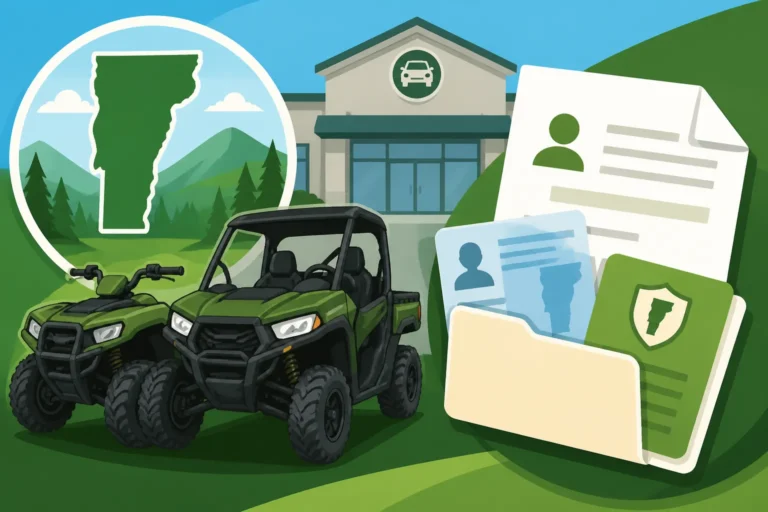
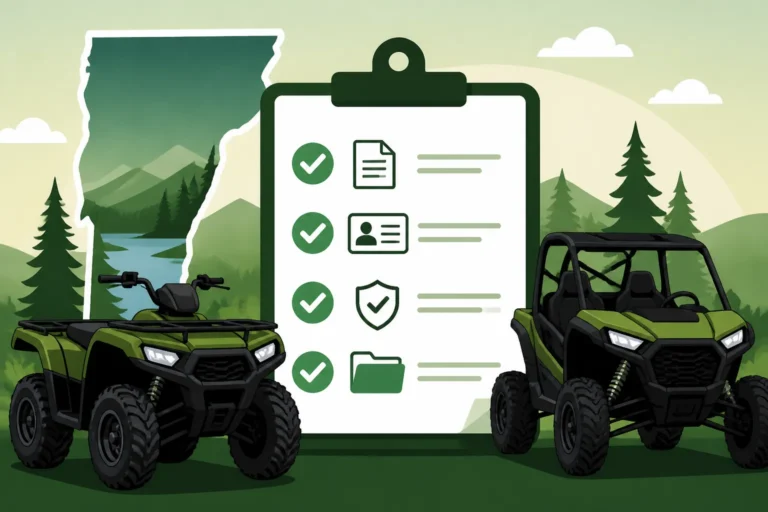
The primary document you'll need is the Vermont Department of Motor Vehicles' Registration/Title Application form, often referred to as VD-119. This form asks for all the essential information about you and your side-by-side, including its make, model, year, VIN, and how you plan to use it. It's vital to fill this out accurately and completely to avoid delays. Beyond the application, you'll need to address Vermont's Purchase and Use Tax. This tax is levied when you first register a vehicle in the state, unless you're exempt (for instance, if it was a gift between immediate family members or if you paid sales tax in another state that has reciprocity with Vermont). You'll either need proof that the tax was paid or documentation supporting an exemption. This often means having the purchase price clearly noted on your bill of sale or title. Other documents might include proof of Vermont residency, especially if you're a new resident registering your machine here for the first time. Sometimes, a VIN verification might be required if the ownership history is murky or the vehicle is coming from out of state with unusual paperwork. A detailed [Vermont Registration Paperwork Checklist] can save you a lot of time and hassle, ensuring you walk into the DMV prepared. For specific details on how the tax works, refer to [Vermont Purchase and Use Tax on an ATV], as these rules apply equally to ASVs.
Navigating the Registration Process and Fees
Alright, you've got your side-by-side, and you've meticulously gathered all your paperwork. Now it’s time to actually get it registered. This stage involves understanding the costs involved and choosing the best way to submit your application to the Vermont DMV.
Calculating Your Vermont Side-by-Side Registration Cost
When it comes to the cost of registering your side-by-side (ASV Class A) in Vermont, it's not a one-size-fits-all fee. The state offers different registration periods, and there's usually a separate fee for obtaining a title, if your machine requires one. You'll typically have the option to register your ASV for either a one-year or a two-year period. Opting for the two-year period often provides a slight savings compared to renewing annually, and it certainly means less paperwork to think about down the line.
Remember that ASV registration fees are generally higher than those for conventional ATVs. For example, a one-year ASV registration will have a higher annual fee than a one-year ATV registration, and similarly for the two-year options. This cost covers the privilege of operating your machine on designated trails and roadways in Vermont. Additionally, if your side-by-side requires a title (which most newer machines do), there will be a one-time title application fee. This is separate from the registration fee and covers the administrative cost of issuing your Vermont title. It’s always a good idea to factor in both the registration and title fees when budgeting for your new machine. While I can't give you exact current numbers, you can expect a set annual fee for the ASV class, with a corresponding slightly discounted rate for the two-year option. To get a current sense of these fees, you'll want to review resources like [Vermont ASV Registration at $108 a Year] or [Vermont ASV Two-Year Registration at $211], which describe the typical annual and biennial costs. For general information on all ATV/ASV registration fees, refer to [Vermont ATV Registration Costs and Terms].
Options for Submitting Your Application
Once you have your forms filled out and your funds ready, you have a few ways to submit your registration application to the Vermont DMV. Each method has its own advantages, so you can choose what works best for your schedule and preferences.
The most direct way to register is in person at one of Vermont's DMV offices. This option allows you to get immediate assistance if you have questions about your paperwork, and often, you can walk out with your new plate and registration decal the same day. However, it can sometimes involve waiting, especially during peak hours, and you'll need to make sure you have all original documents on hand. Another popular option, especially for those who live a distance from a DMV office, is to register by mail. This offers convenience, allowing you to send in your application and payment from home. The downside is that it takes longer to process, and you won't receive your plate and decal immediately; they'll be mailed to you. Make sure to send copies of important documents and keep your originals. Some licensed Vermont dealers can also handle registration paperwork for machines purchased through them, offering a seamless process directly at the point of sale. Before heading out, it's wise to double-check the DMV website or call ahead for office hours or any specific requirements. For a detailed comparison of methods, consult [Registering by Mail Versus in Person].
What Happens After You Register: Plates, Decals, and More
Congratulations, you've successfully navigated the paperwork and paid your fees! But the journey isn't quite over. After registration, there are a few more important steps and considerations to ensure your side-by-side is fully compliant and ready for adventure on Vermont's trails.
Getting Your Plate and Decal on the Machine
Once your registration is processed, whether in person or by mail, you'll receive your official Vermont ATV license plate and a registration decal. This decal usually has the expiration date on it and should be affixed to your plate or another designated area on your machine as per DMV instructions.
The license plate itself needs to be mounted securely on the rear of your side-by-side. Vermont law is quite specific about plate visibility: it must be mounted horizontally, clearly visible, and kept free from mud, snow, or anything else that could obscure it. While the rear is the standard, it's worth noting that some towns in Vermont, particularly those with specific ATV ordinances, may request or require an additional front plate. This isn't common statewide but is something to be aware of if you plan to ride extensively in certain municipalities. Always ensure your plate is well-lit if you ride at dusk or after dark. Ignoring these requirements can lead to unwanted attention from wardens or local law enforcement. For precise information on placement, refer to [Vermont ATV Plates and Where They Go]. Keeping your plate readable, especially after a muddy ride, is not just good practice but a legal requirement.
Beyond Registration: Insurance and Trail Access
Registration is a critical first step, but it's important to remember that it's only one piece of the puzzle for legal and responsible side-by-side riding in Vermont. There are two other major requirements you absolutely cannot overlook.
First and foremost, Vermont law mandates that all ATVs and ASVs must carry liability insurance. This isn't optional; it's a legal requirement to operate your machine, whether on private land or designated trails. This insurance protects you financially in case of an accident where you are at fault, covering bodily injury and property damage to others. Before you even think about hitting a trail, confirm that your insurance policy specifically covers your side-by-side for off-road use and meets Vermont's minimum liability requirements. Carrying proof of insurance with you while riding is also a very good idea. Secondly, even with valid registration, you cannot legally ride your side-by-side on Vermont's extensive VASA (Vermont All-Terrain Vehicle Sportsman's Association) trail system without also purchasing a VASA Trail Access Decal (TAD). This decal funds the maintenance and development of the trails, which are largely located on private landowner property. The TAD shows you've contributed to the system that allows us all to enjoy these incredible routes. Without both registration and a current TAD, you risk fines and losing your riding privileges on these trails. For more details on the TAD, its cost, and how to get one, consult [Vermont TAD: The Trail Access Decal Explained]. Finally, while many towns have opened roads to ATVs/ASVs, these are often specific routes with strict rules about hours, speed, and equipment. Always check local town ordinances before riding on any public road.
Table: ATV vs. ASV (Side-by-Side) Registration Snapshot in Vermont
To help clarify the main differences we've discussed, here's a quick comparison of key aspects for registering a traditional ATV versus an ASV (side-by-side) in Vermont.
| Feature | Traditional ATV (Quad) | ASV Class A (Side-by-Side/UTV) |
|---|---|---|
| Vermont Classification | All-Terrain Vehicle | All-Terrain Vehicle, Class A (ASV) |
| Seating & Steering | Straddled seating, handlebars | Side-by-side seating, steering wheel |
| Passenger Capacity | Typically 1 (some 2-up models) | Often 2-6 passengers |
| Registration Fee | Lower annual/biennial fee | Higher annual/biennial fee |
| Proof of Ownership | Title, MCO, or Bill of Sale | Title, MCO, or Bill of Sale |
| Application Form | VD-119 | VD-119 |
| Purchase & Use Tax | Applies at first registration | Applies at first registration |
| Liability Insurance | Required by Vermont law | Required by Vermont law |
| VASA Trail Access | Requires VASA Trail Access Decal (TAD) | Requires VASA Trail Access Decal (TAD) |
| Plate Placement | Rear of machine (some towns may ask for front) | Rear of machine (some towns may ask for front) |
This table provides a high-level overview, but remember that specific details and costs can vary. Always refer to the most current Vermont DMV guidelines.
Disclaimer
This article is for general informational purposes only and does not constitute professional advice. Laws, prices and regulations vary by location and change over time. Consult a qualified professional for guidance on your specific situation.