Appealing a Town Ordinance Ticket
Vermont ATV ordinance ticket appeals require reading citations, preserving evidence, meeting deadlines, and understanding waiver rules.
Legal here, illegal one county over.
What each state allows, the mirrors, horn and signals a conversion requires, and the county and city overrides that quietly change the answer.

Vermont ATV ordinance ticket appeals require reading citations, preserving evidence, meeting deadlines, and understanding waiver rules.
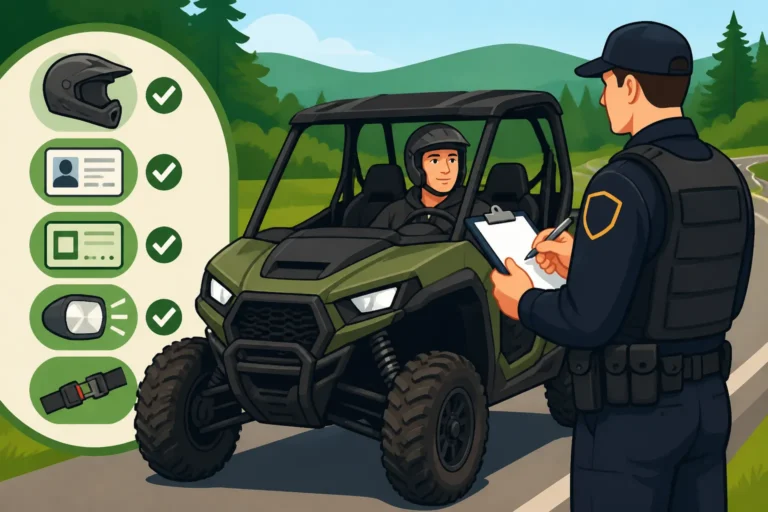
Vermont ATV roadside stop requirements include registration, proof of ownership, liability insurance, trail access decals, and local town road permissions.

Vermont ATV night riding rules, working headlights, and town curfews help maintain visibility and avoid fines.

Vermont ATV laws do not require a horn for every machine, but road access depends on local town rules and specific vehicle classification.

Vermont town road mirror requirements for ATVs and UTVs explain equipment rules and safety checks before riding.

Additional reflectors on a Vermont ATV improve visibility during low-light conditions, adverse weather, and mixed traffic.

Vermont ATV and UTV width limits explain where side-by-sides can legally ride on town roads and village streets.
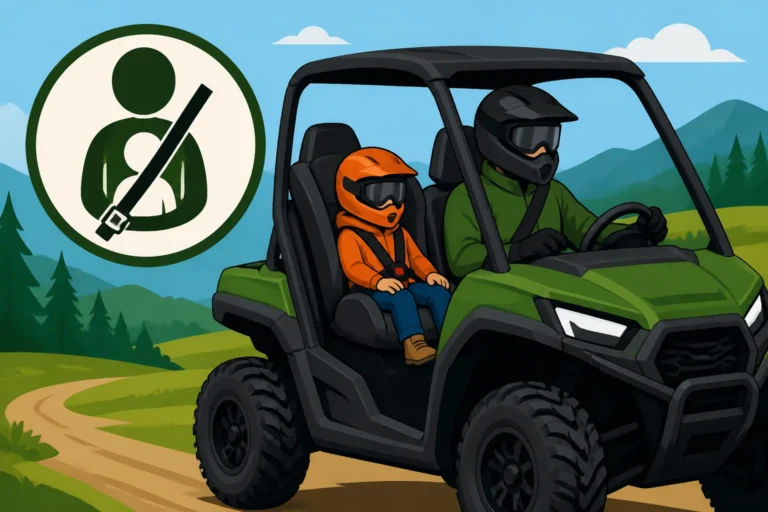
Vermont ATV regulations and manufacturer guidelines explain how children can ride legally as passengers on machines.

Riding two people on a single-seat ATV violates Vermont law and creates severe safety risks from mechanical failure.

Vermont ATV liability insurance and trail permissions determine who pays for farm gate damage on private land.