Riding Quietly Past Houses
ATV and UTV noise reduction techniques help riders pass Vermont houses quietly while respecting local trail rules.
The map is not the permission.
National forest and BLM routes, state OHV parks, and club trails crossing private land — with the closures and passes that decide whether today counts.

ATV and UTV noise reduction techniques help riders pass Vermont houses quietly while respecting local trail rules.
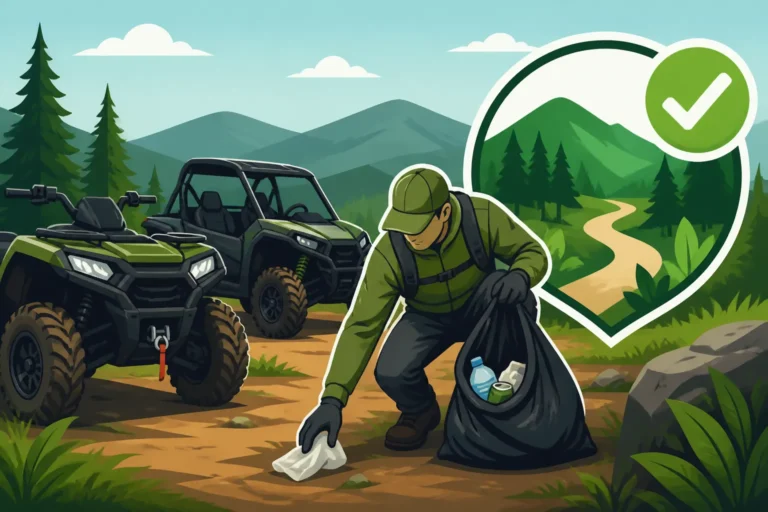
Proper preparation and packing supplies help riders keep Vermont trailheads clean, organized, and open for everyone.

Safe passing on narrow Vermont ATV trails involves slowing down, checking ground stability, and communicating before moving past oncoming groups.
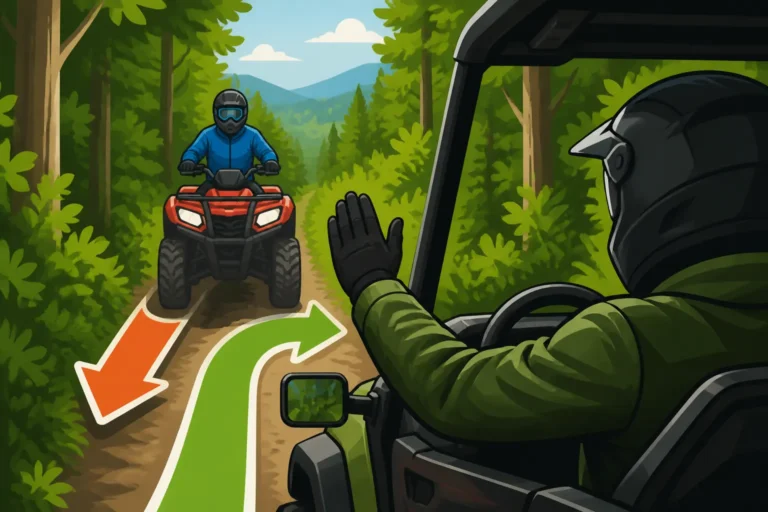
Proper passing and yielding techniques on narrow Vermont ATV corridors protect the land and prevent trail damage.
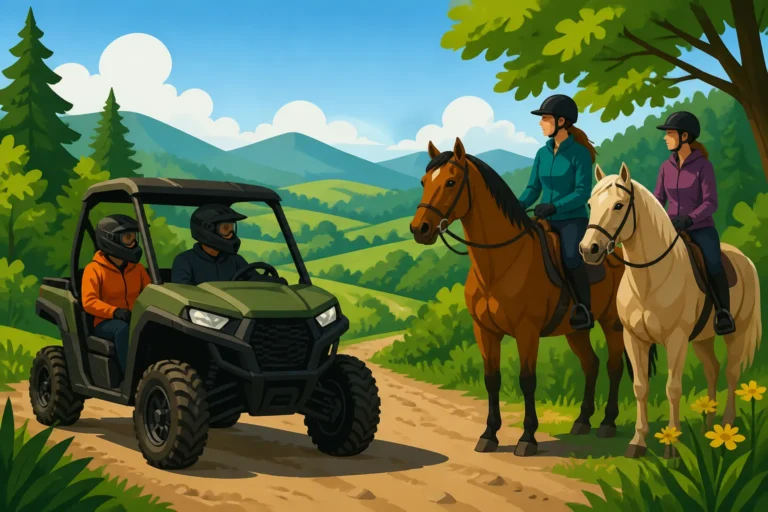
Vermont trail safety rules explain how ATV riders must slow early, stop for horses, and follow handlers instructions.
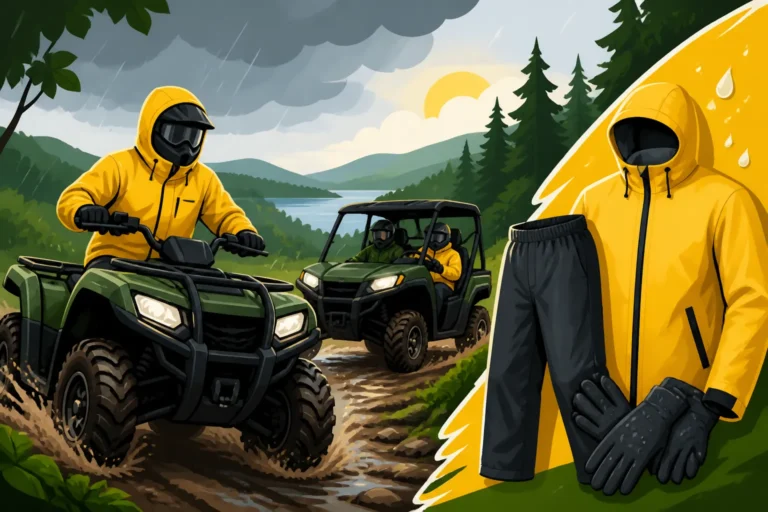
Late-summer ATV riding in Vermont requires waterproof jackets, layered clothing, and spare gear to manage sudden rain showers.
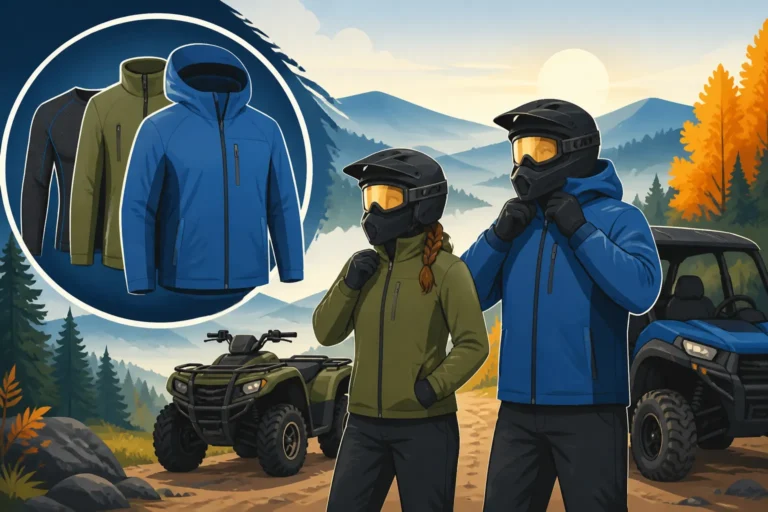
Vermont ATV and UTV layering systems explain how to choose base, middle, and outer layers for chilly morning rides.

Vermont ATV riding during black fly season requires careful repellent selection, protective clothing choices, and smart stop locations.

ATV first-aid kits for Vermont trails require waterproof storage and supplies for managing cuts, blisters, and minor sprains.

Vermont ATV trail packing requires safety gear, navigation, water, and waterproof layers for changing weather and remote routes.