Where to Stage a Group of Six
Vermont ATV trail staging locations help six riders plan parking, coordinate vehicles, and avoid access conflicts.
The map is not the permission.
National forest and BLM routes, state OHV parks, and club trails crossing private land — with the closures and passes that decide whether today counts.

Vermont ATV trail staging locations help six riders plan parking, coordinate vehicles, and avoid access conflicts.
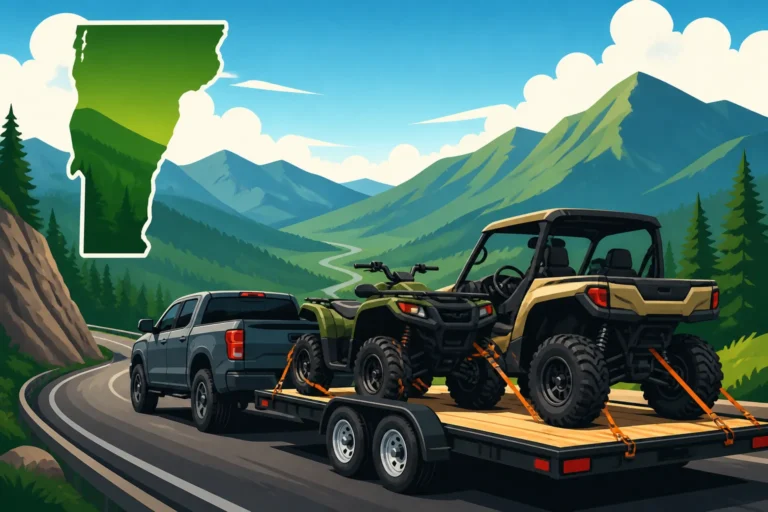
Trailering an ATV or UTV over Vermont mountain gaps safely requires choosing proper routes and checking vehicle towing limits.

Safe ATV and UTV washing techniques protect machine components, prevent landowner conflicts, and avoid waterway pollution.
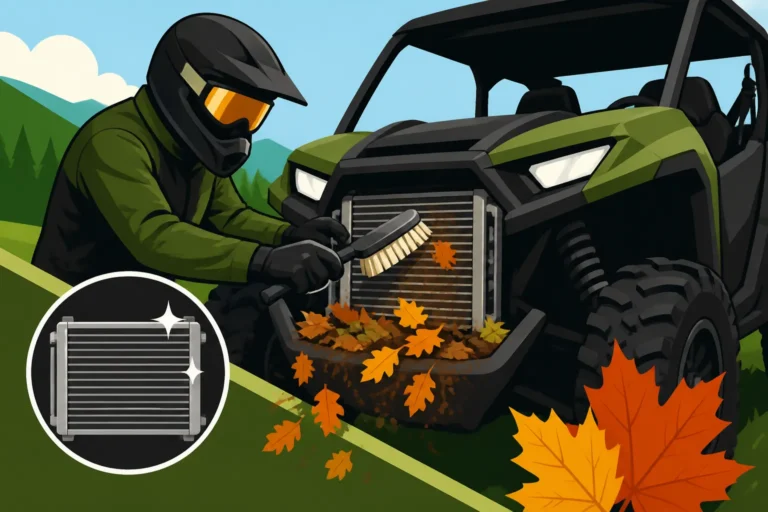
Vermont ATV and UTV radiator clogs restrict airflow and cause engine overheating. This explains how to spot and clear debris.
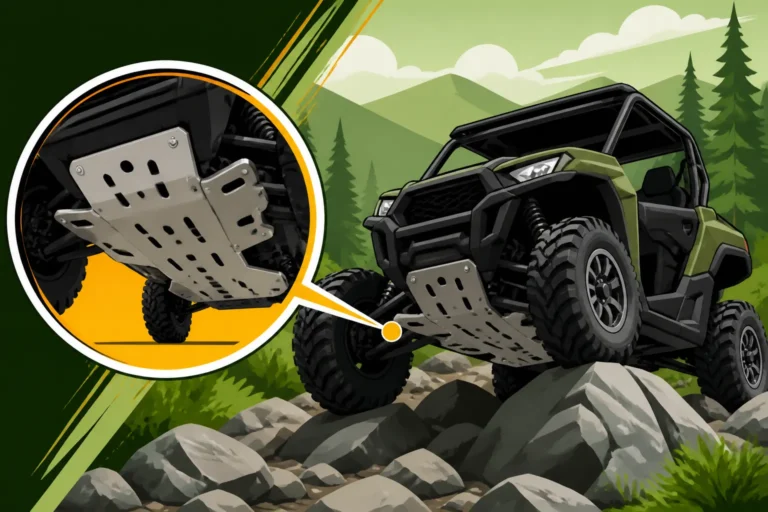
Skid plates protect ATV and UTV engines, transmissions, and frames against rock impacts on rough Vermont trails.
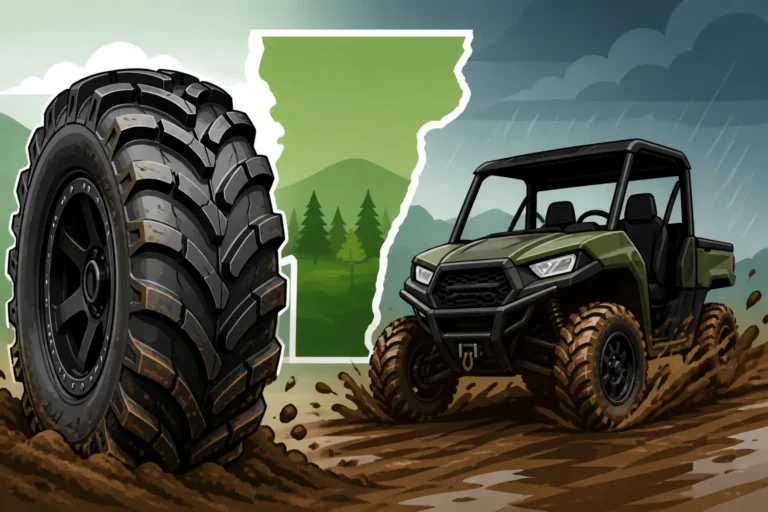
ATV and UTV tires for wet Vermont clay require balancing tread patterns, machine weight, and mixed trail conditions.
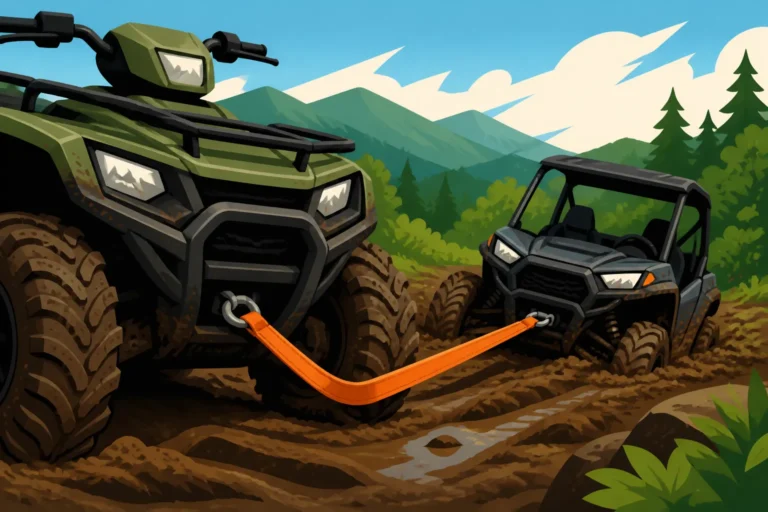
Tow straps and recovery planning for stuck off-road machines in Vermont mud explain safe connection methods and limits.
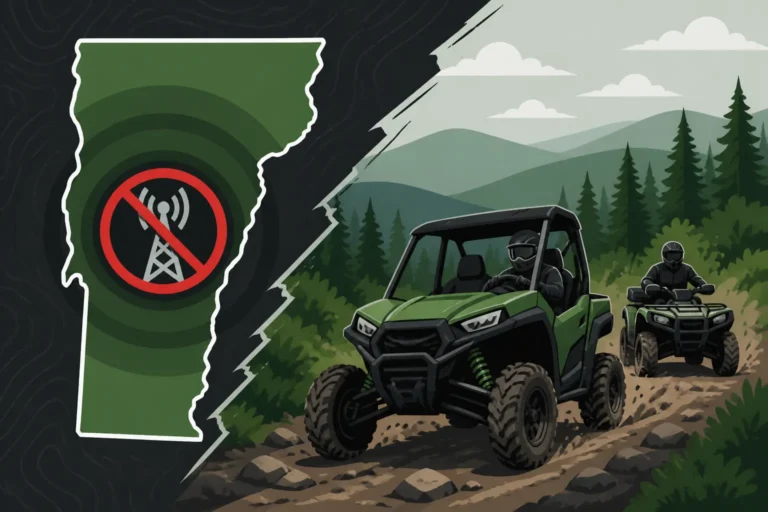
Cell service in Vermont’s Northeast Kingdom, and how to navigate, keep groups together, and handle emergencies safely.
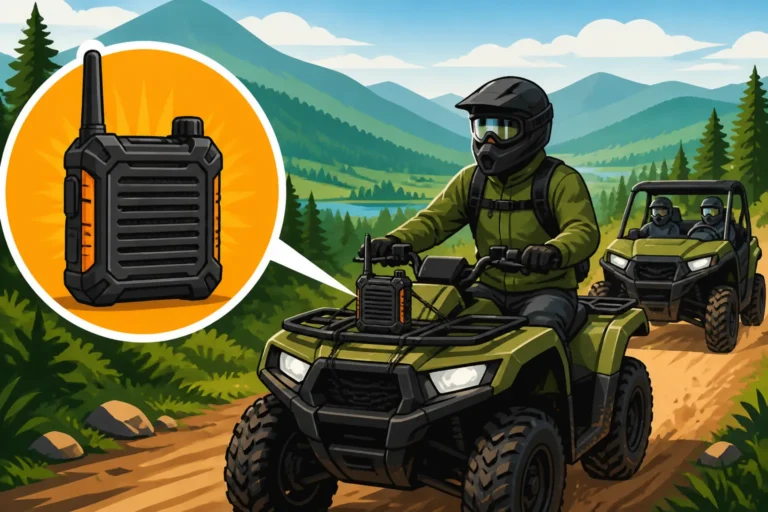
Two-way radios help Vermont ATV groups stay connected despite poor cell service, demanding terrain, and spread-out riders.
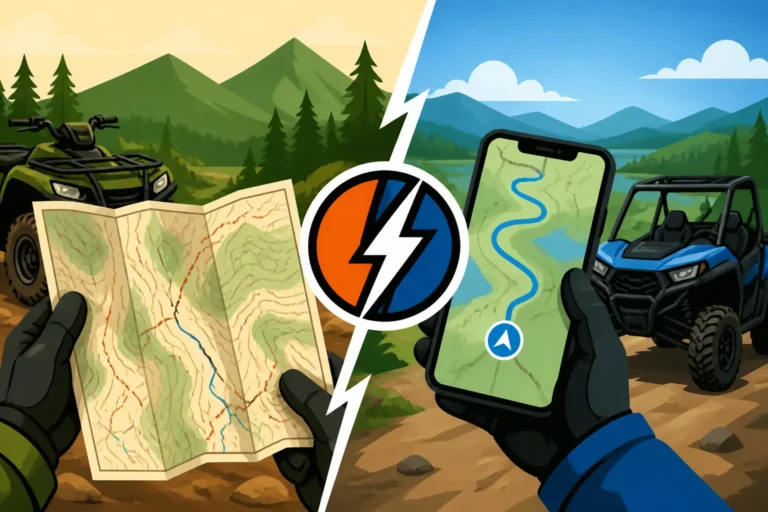
Paper maps and phone apps for Vermont trails offer different navigation benefits, technical limits and preparation rules.