Vermont Towns That Ask for a Front Plate
Riding your ATV or UTV across Vermont’s beautiful landscapes offers incredible freedom, but it also comes with a mosaic of rules that can sometimes feel like a treasure hunt. One common head-scratcher many riders encounter revolves around license plates: you might know the state usually wants a rear plate, but then you hear whispers of certain towns asking for a front one, too. This guide aims to clear up that confusion, diving deep into Vermont's plate requirements and how to stay compliant, no matter where your ride takes you.
The General Rule: Rear Plate in Vermont
Let's start with the statewide standard, which is usually the baseline for almost every rule you'll encounter on the trails and roads of Vermont. Understanding this default position makes it easier to grasp why certain towns might add their own unique twist.
Why Vermont Plates Mount on the Rear
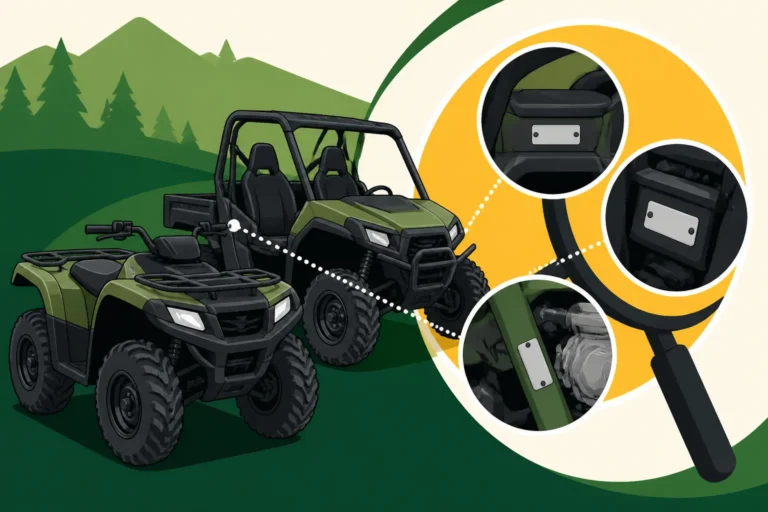
When you register your ATV or UTV in Vermont, the Department of Motor Vehicles (DMV) issues you a single plate. For the vast majority of riders and almost all conditions, this plate is intended to be mounted clearly and visibly on the rear of your machine. There's a practical reason for this. Think about it: when you're riding on a trail, especially in a line with other machines, or when a game warden or law enforcement officer needs to identify a machine, they're typically approaching or observing from behind. This rear placement ensures that your [Vermont ATV Plates and Where They Go] are easily visible for identification, whether you're cruising a VASA trail or navigating a designated town road. It's about accountability and safety, ensuring that every registered machine can be properly identified in case of an incident or for compliance checks. The expectation is that this single plate provides sufficient identification for statewide regulations.
The Standard DMV Expectation
The Vermont DMV's instructions for ATV and UTV registration are pretty straightforward on this point: one plate, on the rear. When you complete your registration, whether it's for a new machine or a [Renewing a Vermont ATV Registration], the documentation you receive and the guidance from clerks will always point to this standard. There's no optional box to tick for a second, front plate at the state level, nor is there any mention of different plate types for specific regions during the initial registration process. This consistency simplifies things for riders across the state, ensuring that the core requirement is universal. They want that plate mounted securely, free from obstruction, and kept clean enough to be readable. Anything beyond this typically falls into the realm of local ordinances, which is where things can get a little more nuanced.
What Happens If You Only Have a Rear Plate
For the overwhelming majority of your riding adventures in Vermont, having only a securely mounted and visible rear plate is perfectly fine. If you stick to VASA trails, most Class 3 and 4 town roads, or private land where you have permission, a single rear plate fulfills your state registration requirement. You're fully compliant with Vermont's state laws regarding ATV registration display. However, the caveat, and the reason we're even having this conversation, is when you start venturing onto specific town-designated routes. These are the areas where local rules can supersede or add to the state's general guidelines, creating an additional requirement that, while not statewide, is legally binding within those specific municipal limits. If you're riding outside of those specific towns, you generally won't encounter any issues having just your standard rear plate.
Understanding Town-Specific Ordinances
This is where the plot thickens a bit. Vermont is known for its strong tradition of local governance, and this extends to how towns manage things like ATV access on their roads. What might be perfectly acceptable in one town could lead to a conversation with a local law enforcement officer in another.
How Towns Get to Make Their Own Rules
Vermont towns, through their selectboards, have the authority to open certain town roads to ATV traffic, and with that authority often comes the ability to enact specific rules that go beyond the state's minimum requirements. This isn't just arbitrary; it's often a response to local conditions, community concerns, or unique trail network designs. For instance, a town might have very narrow village streets, high pedestrian traffic, or specific sightline issues that lead them to believe a front plate provides an extra layer of visibility for local enforcement. These ordinances are typically passed after public hearings and careful consideration by the selectboard, reflecting a local consensus on how to best manage ATV use within their boundaries. So, while the state sets the overall framework, towns get to fill in some of the details, especially concerning [Vermont ATV Road Rules by Town].
Identifying Towns That Require a Front Plate
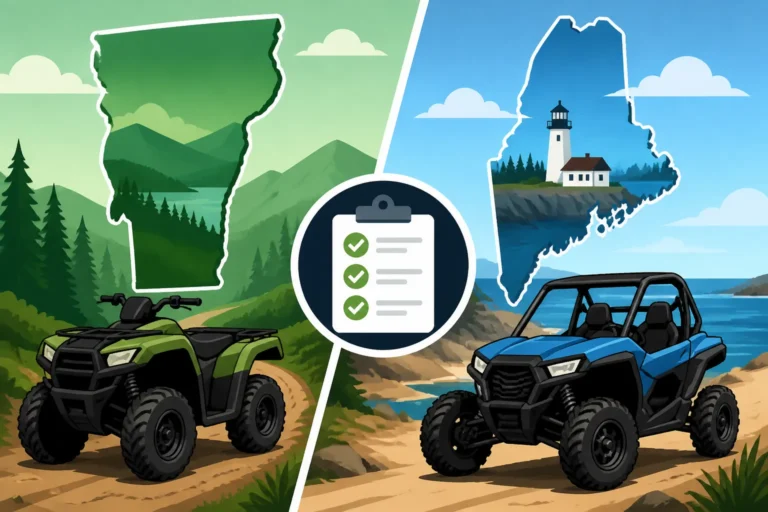
The most prominent example of a Vermont town that has opted to require a front plate for ATVs and UTVs operating on its designated roads is Brighton. Specifically, the town of Brighton, which includes the village of Island Pond, has an ordinance in place that mandates a front plate in addition to the standard rear plate. [Why Brighton Asks for a Front Plate Too] is rooted in their desire for clear identification, particularly for local law enforcement and residents to easily identify machines that are legally operating on their roads. In a community like Island Pond, which is a hub for ATV tourism and sees a lot of machines, having both a front and rear plate makes it easier for town constables and police to quickly verify that a machine is registered and therefore legally permitted on their routes. This helps with enforcement and ensures that riders are adhering to the local rules. While Brighton is the most widely known, other towns might consider or have similar, lesser-known stipulations. The key is to never assume universal rules apply everywhere.
How to Research Local Rules Before You Ride
Given the possibility of town-specific rules, it's absolutely crucial for riders to do their homework before heading out, especially if you plan to utilize town-designated routes. Don't just show up and hope for the best! Here are a few ways to research:
- Check Town Websites: Many towns that have ATV ordinances will post them on their official town websites. Look for sections related to "ordinances," "town clerk," or "public safety." These digital resources are often the most up-to-date.
- Contact the Town Clerk's Office: If the website is unclear or non-existent, a quick phone call or email to the town clerk's office can clarify specific local requirements. They are the official keepers of town ordinances and are usually very helpful.
- Consult Local ATV Clubs: Vermont's ATV clubs, like the Tri-County ATV Club which operates trails around Island Pond/Brighton, are often the best source of current information about local rules. Club members are typically deeply involved with their towns and know the ins and outs of local ordinances. They're often the ones [Reading Your Town's Posted Route Map] and can tell you exactly what to expect.
- Review VASA Information: The Vermont ATV Sportsman's Association (VASA) often compiles or links to information about town ordinances, especially for areas connected to their extensive trail network.
Doing this bit of research upfront can save you a lot of hassle and potential fines down the road. It also demonstrates respect for the local communities that allow ATV access, helping to foster positive relationships between riders and residents.
Practicalities of Mounting a Front Plate
So, you've done your research, and you know you're headed to a town like Brighton that requires a front plate. Now what? It's not just about slapping it on; you need to consider visibility, protection, and compliance to ensure it serves its purpose effectively.
Choosing the Right Spot for Visibility and Protection
Mounting a front plate on an ATV or UTV requires a bit of thought, as these machines aren't typically designed with a dedicated front plate bracket in mind. The ideal spot needs to be:
- Clearly Visible: It must be unobstructed by winches, lights, brush guards, or mud. The whole point is for it to be seen easily from the front.
- Protected: ATVs and UTVs go off-road, which means encountering trees, rocks, mud, and water. You don't want your plate ripped off or bent beyond recognition on your first ride. Consider mounting it slightly recessed or high enough to avoid common trail obstacles.
- Secure: Vibration on trails can loosen poorly mounted plates. Use robust fasteners and, if necessary, backing plates to prevent it from rattling off.
For many ATVs, a good spot might be on the upper part of the front bumper, perhaps above the winch fairlead, or even attached to the front rack. Side-by-sides often offer more flat surface area, such as on the front grille or a sturdy part of the brush guard. Avoid placing it too low where it's immediately susceptible to mud, water crossings, or impacts.
Mounting a Bracket That Meets the Rule
Since your ATV likely didn't come with a front plate bracket, you'll need to get creative. Many riders opt for aftermarket solutions or fabricate their own.
- Aftermarket Brackets: Companies that specialize in ATV accessories often sell universal license plate brackets designed to attach to tubular bumpers or flat surfaces. These are usually made from durable metal and come with multiple mounting points, offering flexibility.
- DIY Solutions: For those handy with tools, fabricating a simple bracket from aluminum or steel can be a cost-effective solution. Ensure any DIY bracket is sturdy and doesn't have sharp edges that could pose a safety hazard.
- Secure Fasteners: Don't rely on zip ties alone for permanent mounting. Use nuts and bolts, ideally with lock washers or nylon lock nuts, to ensure the plate stays put even over rough terrain.
- Consider "Breakaway" Options: Some riders use solutions that allow the plate to flex or "break away" if it hits something, preventing damage to the machine (or the plate itself) while still remaining attached. This is a more advanced approach but worth considering for aggressive riding.
Whatever method you choose, ensure the plate is firmly attached and doesn't flap or vibrate excessively, which can eventually lead to fatigue and detachment. If you're looking for more guidance, checking out a resource like [Mounting a Bracket That Meets the Rule] could offer some specific techniques and product recommendations.
Keeping a Plate Readable in Mud and Debris
Let's be realistic: if you're riding an ATV or UTV in Vermont, you're going to encounter mud, dust, and all sorts of trail grime. Keeping your plate readable is crucial, as an unreadable plate is almost as bad as no plate at all in the eyes of law enforcement.
- Strategic Placement: As mentioned earlier, choosing a higher mounting spot can help keep it out of the direct splash zone of your tires.
- Clear Protective Covers: Some riders use clear plastic or polycarbonate plate covers. While these can offer some protection from mud splatter, make sure they don't obscure the plate's visibility, especially at night if they reflect light, or if they trap too much dirt themselves. Check local regulations to ensure such covers are allowed.
- Regular Cleaning: The simplest and most effective method is regular cleaning. Carry a small rag, a brush, or even a water bottle on your rides, and give your plate a quick wipe-down whenever you stop. It takes seconds but can save you a lot of grief.
- Avoid Over-Lubrication: While some might think a coat of WD-40 or similar could prevent mud from sticking, it often just attracts more dust and dirt, making the plate even harder to read. Stick to simple cleaning.
Remember, the goal is for the plate to be easily identifiable. If a warden has to get off their machine and wipe your plate clean to read it, you're probably already in violation. Make it easy for them, and you'll make it easier on yourself. This attention to detail contributes to a safer and more enjoyable riding experience for everyone, and ensures you're upholding the spirit of the [Keeping a Plate Readable in Mud] directive.
The Impact of Not Complying with Local Ordinances
Riding in violation of local ordinances might seem minor, especially if the state rule is different, but it can lead to frustrating and potentially costly consequences. It's not just about fines; it's also about maintaining good relationships with the communities that open their roads to riders.
What a Warden Can Ask to See
Vermont game wardens and local law enforcement officers (town constables, police officers) have the authority to stop ATV and UTV riders to check for compliance with both state and local laws. When they pull you over, they're typically looking for a few key things:
- Valid Registration: Is your machine currently registered?
- Visible Plate: Is your state-issued plate mounted correctly and readable?
- Trail Access Decal (TAD): If you're on a VASA trail, do you have a valid TAD?
- Safety Course Certificate: If you're under 18, do you have your safety certificate?
- Insurance: Can you provide proof of liability insurance?
If you're in a town like Brighton that has a specific front plate ordinance, a warden or town officer will absolutely be looking for that front plate in addition to all the other standard checks. A missing front plate in such a jurisdiction can trigger the same level of scrutiny as a missing rear plate in the rest of the state. Knowing [What a Warden Can Ask to See] helps you prepare for any interaction.
Penalties for Non-Compliance
Ignoring a town's front plate ordinance, or any other local ATV rule, can lead to various penalties. While these might not be as severe as major traffic violations, they are still a hassle and can put a dent in your wallet.
- Fines: The most common consequence is a fine. Local ordinances often have their own fine schedules, which can vary from town to town. These are often set to be high enough to deter non-compliance.
- Warnings: For a first offense, especially if you're a visitor unaware of the rule, an officer might issue a warning. However, this is at their discretion, and it's not something you should count on.
- Requirement to Remedy: You might be required to fix the issue (e.g., install the missing front plate) before being allowed to continue riding in that specific area.
- Impact on Future Access: A pattern of non-compliance by riders in a specific town can lead to selectboards reconsidering or even revoking ATV access on town roads. This impacts everyone.
It’s always best to err on the side of caution. Even if the penalty is a relatively small fee, the time lost, the frustration, and the potential negative impact on the riding community are simply not worth it. For more detail on how violations are handled, you might find information on [Waiver Fee or Full Fine for a Vermont Violation] helpful, as the process for paying fines and addressing tickets is often similar for local and state violations.
The Importance of Respecting Local Rules
Riding an ATV or UTV in Vermont isn't just about enjoying the scenery; it's about being a good steward of the trails and a respectful visitor to the towns that host them. Every town that opens its roads to ATVs does so through a deliberate process, often with input from residents, and these decisions can be easily reversed if there's too much friction.
- Preserving Access: By complying with local rules, you help demonstrate that ATV riders are responsible and considerate. This, in turn, encourages towns to continue allowing and even expanding ATV access. Non-compliance, on the other hand, gives opponents of ATV use ammunition to argue for closures.
- Community Relations: A visible, properly mounted plate (front and rear where required) makes it easier for residents to see that you're a registered, legitimate rider. This helps build trust and reduces negative perceptions of ATV users.
- Safety: Many local rules, even those seemingly minor, are often put in place with safety in mind. A front plate, for example, might be deemed necessary for better identification in busy village areas or at intersections.
Ultimately, respecting and adhering to all local ordinances helps ensure that Vermont remains a welcoming destination for ATV and UTV enthusiasts for years to come. It’s a small effort that yields significant collective benefits.
General Vermont ATV Plate Guidelines
Beyond the specifics of front plates, it's helpful to remember the overarching state guidelines for your ATV plate. These apply everywhere in Vermont and form the foundation of your machine's legal identity.
Vermont ATV Plates and Where They Go
As we've discussed, the standard Vermont ATV registration provides you with one plate, designed for the rear of your machine. This plate serves as your official identification, proving that your vehicle is registered with the state and therefore legally allowed to operate on designated trails and roads. It's meant to be mounted in a spot that offers maximum visibility from behind, ensuring that anyone approaching from the rear, whether a warden, another rider, or a motorist on a shared road, can easily see and read your registration number. This single rear plate covers most situations you'll encounter during your Vermont riding adventures.
What Your ATV Plate Looks Like and Its Purpose
Vermont ATV plates are typically distinct from standard vehicle plates, often smaller and specifically marked for "ATV." They feature a unique combination of letters and numbers, which links directly back to your registration record at the DMV. The primary purpose of this plate is unequivocal identification. It's how law enforcement can verify that your machine is legal, track ownership if there's an incident, and ensure that all riders are contributing to the state's registration system. Think of it as your machine's official ID card, vital for legal operation anywhere in Vermont where registration is required.
Transferring a Vermont Registration to a New Machine
Life happens, and sometimes you upgrade your machine or buy a new one. When this occurs, you'll need to transfer your registration. In Vermont, if you're replacing one ATV with another, you can often transfer the remainder of your registration period to the new machine for a small fee. This process typically involves updating your vehicle information with the DMV and getting a new registration certificate. It's important to note that while the registration period transfers, you'll usually be issued a new plate number for the new machine. The old plate would no longer be valid for your new ATV. For specific steps and costs involved, be sure to look into resources like [Moving a Vermont Registration to a New Machine for $10] to ensure a smooth transition.
Ensuring Your Paperwork is in Order
Beyond the plate itself, having all your documentation shipshape is paramount for a stress-free riding experience. This includes proof of ownership and ensuring proper procedures are followed, especially during private sales.
Registration Paperwork Checklist
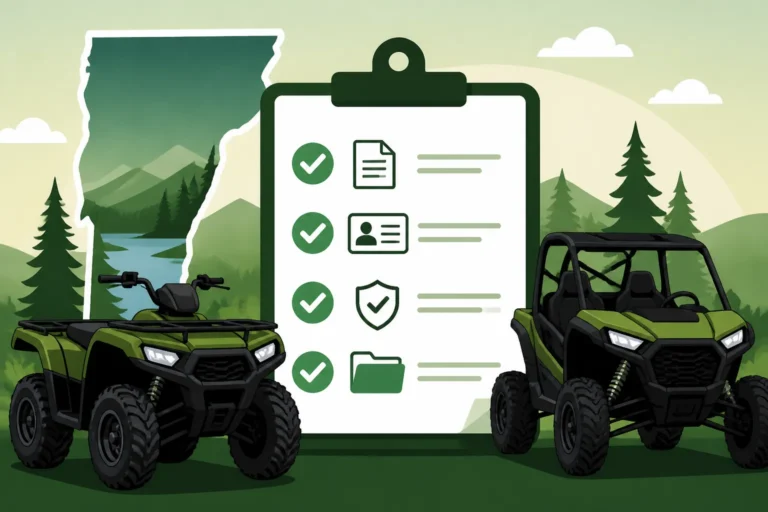
When you go to register your ATV or UTV in Vermont, whether it's for the first time or after a purchase, you'll need to have a specific set of documents ready. Missing even one piece of paperwork can lead to delays and multiple trips to the DMV, which nobody wants! Generally, you'll need:
- Proof of Ownership: This is critical. For a new machine, it's typically a Manufacturer's Certificate of Origin (MCO). For a used machine, it's the previous owner's signed-over title (if applicable) or a legally sound bill of sale.
- Application Form: The official Vermont DMV registration application form, properly filled out.
- Proof of Vermont Residency: If you're a resident, you'll need documents proving your Vermont address.
- Payment for Fees and Taxes: This includes the registration fee and any applicable [Vermont Purchase and Use Tax on an ATV].
Having a thorough [Vermont Registration Paperwork Checklist] ensures you cover all your bases before you even step foot in the DMV office or mail in your application. It’s always a good idea to call ahead or check the DMV website for the most current requirements.
The Importance of a Clear Bill of Sale
A bill of sale might seem like a simple piece of paper, but for a private sale of an ATV or UTV in Vermont, it is incredibly important, especially if the machine is older and doesn't have a title. The DMV relies on a well-drafted bill of sale as primary proof of ownership when a title isn't required or available. A good bill of sale should include:
- Buyer and Seller Information: Full names, addresses, and signatures of both parties.
- Vehicle Information: Make, model, year, VIN (Vehicle Identification Number), and odometer reading (if applicable).
- Sale Price: The agreed-upon purchase amount.
- Date of Sale: The exact date the transaction took place.
- Statement of Condition: While not always required by the DMV, it's good practice for both parties to note the condition of the machine (e.g., "as is, where is").
Without a clear and comprehensive bill of sale, you could face significant hurdles proving ownership at the DMV, potentially delaying or even preventing your registration. You can find reliable templates for such documents online; for instance, services like LawDepot offer customizable bill of sale forms that ensure all the necessary legal details are included, giving you peace of mind whether you're buying or selling. Using a professionally crafted template from a source like LawDepot ensures that you're hitting all the points the Vermont DMV expects, making your registration process much smoother. For further insights on how to properly document this, refer to [Writing a Bill of Sale the Vermont DMV Accepts].
Keeping All Your Documents Accessible (Digitally and Physically)
Once you've registered your ATV or UTV, you'll have a handful of crucial documents: your registration certificate, proof of insurance, and possibly your safety course certificate. It's not enough to just have them; they need to be accessible whenever you're riding.
- On the Machine: Always carry your physical registration certificate and proof of insurance on your machine. Many riders keep them in a small, waterproof bag or compartment. A warden or officer will ask to see these.
- Digital Copies: In addition to physical copies, it's smart to have digital copies (photos on your phone, scans in a cloud folder) of all your important documents. While not always legally sufficient on their own, they can be a lifesaver if your physical documents are lost or damaged on the trail.
- Safe Storage at Home: Keep original titles and other irreplaceable documents in a secure location at home, like a fireproof safe or safety deposit box.
Having your paperwork in order and easily accessible demonstrates responsibility and can prevent minor stops from turning into major headaches. Whether it's your bill of sale from LawDepot, your registration card, or your insurance policy, being prepared ensures you're always ready for anything the trail—or law enforcement—throws your way.
Disclaimer
This article is for general informational purposes only and does not constitute professional advice. Laws, prices and regulations vary by location and change over time. Consult a qualified professional for guidance on your specific situation.