Serial Numbers and Where to Find Them
Trying to register or title your ATV or UTV in Vermont can sometimes feel like a treasure hunt, especially when the crucial "treasure" is a tiny string of numbers on your machine. We've all been there: kneeling in the dirt, wiping away grime, squinting with a flashlight, desperately searching for that elusive serial number. This guide will walk you through exactly why these numbers are so important for Vermont riders, where you're most likely to find them on your machine, and what to do if they're playing hide-and-seek.
Why Serial Numbers Matter for Vermont Riders
When it comes to owning and operating an ATV or UTV in the Green Mountain State, the vehicle identification number (VIN) and sometimes even the engine serial number are more than just arbitrary factory markings. They are the unique DNA of your machine, essential for everything from proving ownership to ensuring a smooth registration process. Vermont's DMV relies heavily on these identifiers to maintain accurate records and prevent potential issues.
The Role of the VIN in Registration and Titling
Your VIN is a 17-character alpha-numeric code that is globally recognized as the unique identifier for your specific vehicle. In Vermont, this number is paramount. When you head to the DMV to get your machine registered, whether it's a brand-new side-by-side or a trusty used quad, the VIN is the first thing they'll look for on your paperwork and often verify against the machine itself.
It's how the state knows that machine belongs to you. It links directly to the vehicle's manufacturing data, including its make, model, year, and even where it was built. This level of detail helps the Vermont DMV establish a clear chain of ownership, which is crucial for titling. Without a verifiable VIN, you'd struggle to apply for a new title, transfer an existing one, or even renew your registration. Think of it like your machine's social security number; it's unique, vital, and ties directly to its legal standing. If you're looking into [Vermont ATV Titles and What They Cost], you'll quickly realize how central the VIN is to that entire process. It’s what connects the physical machine to the legal document of ownership.
Engine Serial Numbers and Their Significance
While the VIN is usually the star of the show for overall vehicle identification, the engine serial number can also play an important supporting role, especially in specific situations. For most standard registrations, the engine number isn't explicitly required on the primary forms. However, there are scenarios where having this number readily available can save you a headache.
For instance, if your machine is particularly old and lacks a standard VIN plate, or if the VIN is severely damaged or missing entirely, the engine serial number might be used as a secondary identifier by the DMV for their records. This is rare for newer machines but can be a workaround for vintage quads. Furthermore, if you've had to replace the engine in your ATV or UTV, the engine serial number helps document that specific component. While Vermont doesn't typically track engine swaps as meticulously as some other states, having this information on hand can be useful for insurance claims, warranty issues, or proving modifications to a future buyer. It’s an extra layer of identification that can provide peace of mind and help resolve ambiguities when the primary VIN is compromised or questioned.
Where to Hunt for Your ATV's VIN
Finding the VIN on your ATV or UTV isn't always as straightforward as checking the dashboard of your car. These machines are designed for rugged use, which means VINs can be tucked away, exposed to the elements, or simply covered in the glorious mud from your last ride. Knowing the common spots can save you a lot of time and frustration.
Common Locations on Full-Size ATVs
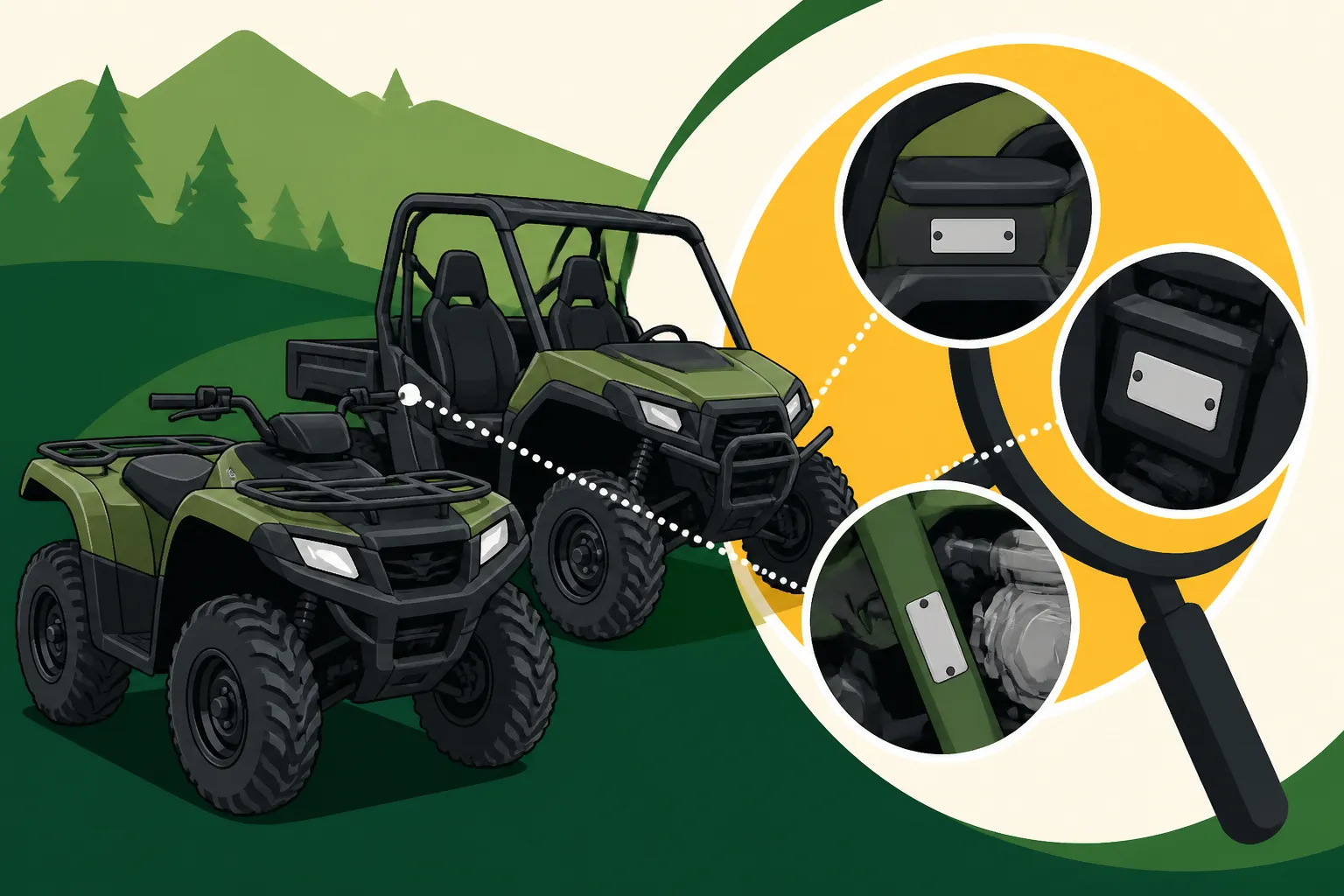
For most traditional, full-size ATVs (the kind you straddle), the VIN is typically stamped directly onto the frame. One of the most common places to start your search is on the front frame tube, usually on the right-hand side (if you're sitting on the machine). This can be near the front suspension or where the A-arms attach. Sometimes it's on a small metal plate welded to the frame.
Another prime location is along the left-hand side frame rail, often just below the engine, near the footpeg, or closer to the rear wheel. You might need to squat down and look underneath the plastic bodywork, especially on machines with extensive fairings. On some older models, it could even be etched into the frame near the steering column or handlebars. Bring a good flashlight and a rag. You'll likely need to wipe away dirt, grease, or even rust to reveal the numbers clearly. Don't be afraid to get a little dirty; a clear VIN is worth the effort when you're trying to prove [Proof of Ownership Vermont's DMV Will Accept].
Finding the VIN on Side-by-Sides and UTVs
Side-by-sides (SxS) and utility task vehicles (UTVs) generally have more bodywork and enclosed cabs than traditional ATVs, which means their VINs can be a bit more hidden. However, the principles are similar: look for it stamped directly on the frame.
A very common spot for UTVs is on the lower frame rail, usually on the driver's side, often beneath the driver's seat or near the left rear wheel well. You might need to lift the seat or even remove a small access panel. Another frequent location is on the front frame member, often behind one of the front wheels, sometimes requiring you to turn the wheel fully to one side for better access. On some models, it can be found on a cross-member of the frame that runs under the cargo bed or behind the front bumper. Because of their robust construction, these machines can collect a lot of mud and debris in these areas, so prepare for a thorough cleaning. Remember, an accurate VIN is absolutely critical for processes like [Registering an ATV With the Vermont DMV], so a diligent search is key.
Engine Serial Number Spots
The engine serial number, if needed, is almost always found directly on the engine block itself. The most common places are on the crankcase, usually near the bottom where it connects to the transmission, or sometimes on a flat machined surface on the cylinder head or block. Look for a series of numbers stamped into the metal, often separate from any casting numbers.
You might need to use a flashlight and a mirror to view tight spots, especially if the engine is tucked away deep within the frame. It's often in a spot that's less exposed to direct impacts but still accessible for manufacturing purposes. Be aware that some manufacturers might have different conventions, so if you're struggling, consulting your owner's manual for a diagram can be a huge help. This number is not typically as exposed or easily visible as the VIN, so prepare for a bit more of a hunt, possibly requiring you to lift the hood or remove a small side panel.
When the Numbers Aren't Cooperating
It's a common scenario: you know where the VIN should be, but it's either caked in mud, rusted beyond recognition, or just plain missing. This can be a major hurdle when you're trying to complete your Vermont ATV or UTV registration. Don't panic, but do understand that this will require some extra steps.
Dealing with Faded, Dirty, or Obscured VINs
The Green Mountain State's trails are a blast, but they can be tough on exposed metal. It's not uncommon for a VIN to become covered in layers of dirt, mud, grease, or even paint over time. If you can see the general area where the VIN should be, but it's unreadable, your first step is a thorough cleaning.
Use a stiff brush, degreaser, and plenty of elbow grease. For stubborn rust or paint, a brass brush (which is softer than steel and less likely to damage the underlying metal) or even a very fine-grit sandpaper can sometimes help gently reveal the numbers. Crucially, never use tools that could alter, grind down, or deface the numbers. You want to reveal them, not change them. A wire wheel or grinder is absolutely out of the question, as intentionally altering a VIN is a serious offense. Once clean, use a strong flashlight, shining it at different angles. Sometimes, running a pencil lead or chalk over the numbers can make the indentations stand out better against the surrounding metal, allowing you to read them clearly. Be patient, take your time, and if possible, take several clear photos once you can read it.
What to Do If the VIN is Missing or Unreadable
This is where things can get a bit more complicated for Vermont riders. If, after all your efforts, the VIN is genuinely missing, completely unreadable, or appears to have been tampered with, you cannot simply proceed with a standard registration. The Vermont DMV takes vehicle identification very seriously, especially for theft prevention.
If your machine's VIN is truly gone, you will need to contact the Vermont DMV directly to understand their specific procedures. They have processes in place for [Vermont Registration When the VIN Is Missing], but it often involves a more rigorous inspection by law enforcement or a DMV investigator. They will need to verify the machine's origin and ensure it isn't stolen. This might involve looking for secondary VINs, casting numbers, or other identifying marks that aren't typically used for registration. Be prepared to provide as much documentation as possible: old bills of sale, past registration cards (even if from another state), or any other proof of ownership. This isn't a quick fix, so start the process as early as possible.
Cross-Referencing with Ownership Documents
Once you've located and clearly read your VIN (and engine number, if applicable), the next critical step is to cross-reference these numbers with all your ownership documents. This includes your Bill of Sale, Manufacturer's Certificate of Origin (MCO), and any previous title documents.
It sounds obvious, but you'd be surprised how often discrepancies arise. A single transposed digit or character can flag your application at the DMV, leading to delays and requests for clarification. Every single character in the VIN on your machine must exactly match the VIN on your paperwork. If you bought the machine privately, make sure the seller completed a comprehensive bill of sale that includes the full VIN. If you're creating a bill of sale, services like LawDepot can help ensure you have all the necessary fields, including the VIN, clearly documented. Having a proper [Writing a Bill of Sale the Vermont DMV Accepts] is your first line of defense against future registration issues. Any mismatch, no matter how minor it seems, will be a red flag for the DMV and will halt your registration until it's resolved.
Best Practices for Keeping Track of Your Machine's Identity
Being proactive about your ATV or UTV's identification numbers can save you a lot of grief down the line. It's not just about getting registered; it's about protecting your investment and ensuring you have clear documentation for any future needs.
Documenting Your Serial Numbers
As soon as you acquire an ATV or UTV, make it a habit to thoroughly document its VIN and engine serial number. Don't just write them down once. Take multiple clear, well-lit photos of the VIN plate or stamping on the frame, and the engine serial number. Store these photos digitally (on your phone, computer, or cloud storage) and also keep a physical copy in a safe place, like with your other important vehicle documents.
Consider creating a simple "ATV/UTV Information Sheet" that includes the make, model, year, VIN, engine serial number, purchase date, and seller's information. This sheet can be invaluable if your registration card is lost, or if you ever need to file an insurance claim. It ensures you have these vital numbers at your fingertips, rather than having to scramble around the machine again, especially useful when you need to [Renewing a Vermont ATV Registration] and confirm details.
Protecting Your VIN from Damage and Theft
Given how crucial your VIN is, it makes sense to take steps to protect it. While you can't encase your frame in a bubble, you can minimize its exposure to elements that cause corrosion. After a muddy ride, always thoroughly clean the area around your VIN. A quick spray with a rust-inhibiting lubricant can also help protect the stamped numbers from the harsh Vermont weather.
Beyond environmental damage, protecting your VIN also means protecting your machine from theft. A clear, readable VIN makes it easier for law enforcement to track and recover stolen vehicles. Furthermore, if you ever suspect your VIN has been tampered with (e.g., ground off or re-stamped), report it to law enforcement immediately. This is a very serious matter. Always ensure your machine is stored securely, perhaps with a heavy-duty chain and lock, especially if it's left outdoors. A well-protected VIN is not just for registration; it's a key part of your machine's security and legal identity.
Here’s a quick overview of the key numbers and why they matter:
| Identifier Type | Common Location | Primary Purpose in Vermont | Secondary Uses |
|---|---|---|---|
| Vehicle Identification Number (VIN) | Stamped on main frame (front, left side, under seat on UTVs) | Required for registration, titling, ownership verification. | Theft deterrence, recall tracking, vehicle history. |
| Engine Serial Number | Stamped on engine block (crankcase, cylinder head) | Secondary identifier if VIN is obscured/missing (rare). | Engine replacement tracking, warranty claims. |
Disclaimer
This article is for general informational purposes only and does not constitute professional advice. Laws, prices and regulations vary by location and change over time. Consult a qualified professional for guidance on your specific situation.