Photographing Your Machine for Records
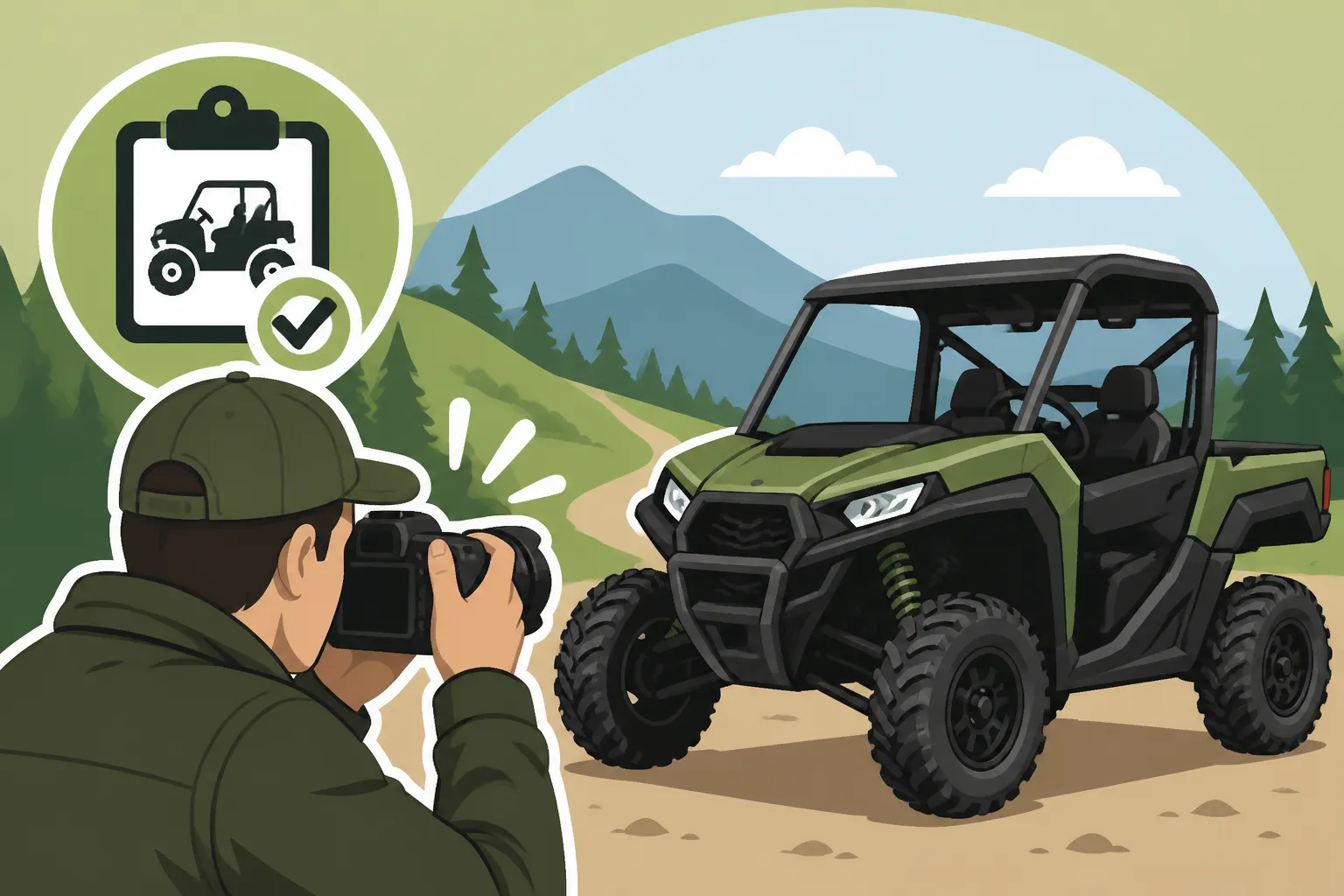
It's easy to get caught up in the excitement of a new ATV or UTV, or even just the joy of riding your current one across Vermont's beautiful landscapes. But amidst all that fun, it's incredibly common for folks to overlook a simple yet crucial step: thoroughly documenting their machine with photographs. Whether you're dealing with a lost title, an insurance claim after an unexpected mishap, or trying to sell your quad, not having a clear visual record can turn a minor inconvenience into a major headache. This guide is here to walk you through exactly how to photograph your ATV or UTV, ensuring you have robust records for any situation life throws your way.
Why a Visual Record is Absolutely Essential for Vermont ATV and UTV Owners
When you own an ATV or UTV in Vermont, you're not just buying a recreational vehicle; you're investing in a piece of equipment that comes with responsibilities and potential challenges. From registration hurdles to unforeseen incidents, having a comprehensive photo record of your machine isn't just a good idea – it's often a critical asset that can save you time, money, and a lot of frustration.
Protecting Your Investment Against Theft and Damage
No one ever wants to imagine their prized ATV or UTV going missing or being damaged, but sadly, these things happen. If your machine is stolen, a detailed set of photographs can be invaluable for law enforcement trying to track it down. Imagine trying to describe every scratch, custom accessory, or unique identifier to a police officer without visual aids – it's tough, right? Photos provide irrefutable evidence of your machine's exact appearance, including any modifications or distinguishing marks that set it apart. This can significantly aid recovery efforts.
Beyond theft, comprehensive photos are your best friend when dealing with insurance claims. Whether it's a collision on a trail, damage from a fallen tree limb, or an issue that arises during transport, your insurance company will want proof of the damage and, crucially, the pre-damage condition of your machine. Having "before" photos proves the state of your ATV or UTV prior to the incident, making the claims process smoother and helping ensure you get a fair assessment for repairs or replacement. It’s hard to argue about the severity of a dent if you have clear pictures of the pristine bodywork just weeks before. [Vermont ATV Accident Reporting] is much easier with a clear visual record.
Streamlining Registration and Titling Paperwork
Vermont has specific requirements when it comes to registering and titling your ATV or UTV. While a bill of sale and previous title are usually sufficient, there are times when paperwork might be missing or incomplete. For instance, if you're trying to achieve [Vermont ATV Registration Without a Bill of Sale] or [Vermont Registration for an Inherited ATV], photographic evidence can play a supporting role in establishing ownership and the machine's identity. The DMV needs to be able to identify the machine clearly, and a robust photo set can help immensely.
Furthermore, documenting key identifying features like the Vehicle Identification Number (VIN) with clear photographs is paramount. The VIN is essentially your machine's fingerprint. If the physical VIN plate gets damaged, becomes unreadable, or you need to prove its location for inspection, a photo record is golden. This kind of documentation can be a lifesaver when you're trying to navigate the [Vermont Title Application Steps] or simply ensure all your registration documents accurately reflect your machine. Sometimes, the DMV clerks hear all sorts of [Vermont Registration Questions Clerks Hear], and clear photos can answer many of them without additional back-and-forth.
Facilitating Private Sales and Purchases
Buying or selling an ATV or UTV privately can sometimes feel like navigating a minefield of potential misunderstandings. As a seller, a comprehensive photo record protects you from disputes regarding the machine's condition after the sale. You can show prospective buyers exact photos taken just before listing, proving its state at that time. This transparency builds trust and can prevent accusations of undisclosed damage later on. When you're [Selling a Registered ATV in Vermont], a strong photo portfolio helps you back up your description.
As a buyer, asking for a detailed photo record from a seller is a smart move. It allows you to assess the machine's condition remotely and identify any potential red flags before you even travel to see it in person. If you're [Buying From a Private Seller in Vermont], these photos can be instrumental in confirming what you're getting. Photos can also be crucial if you discover an issue post-purchase that wasn't disclosed; your initial photos serve as evidence of the machine's state when you first saw it. This level of documentation is invaluable, especially if you're writing up a bill of sale, perhaps using a template from a service like LawDepot, to formalize the transaction.
The Anatomy of a Comprehensive Photo Record: What Shots You Need to Take
Taking photos isn't just about pointing and clicking. To truly build a useful record of your ATV or UTV, you need a strategy. Think like a detective and capture every detail, from broad overviews to the tiniest identifying marks. The goal is to create a visual archive so complete that someone unfamiliar with your machine could still understand its exact condition and unique characteristics.
Full-Machine Views from Every Angle
Start with the big picture. You want clear, well-lit photographs of your entire ATV or UTV from all four sides: front, back, left, and right. These shots establish the overall condition, color, and any major accessories. Don't forget a couple of diagonal shots – like front-left and rear-right – as these can offer a more dynamic and complete view, especially for showing the machine's profile and width.
Next, get shots from above and below if possible. A shot looking down onto the machine from a slight elevation (if safe to do so) can show the top plastics, seat condition, and overall symmetry. A low-angle shot, perhaps from a crouch, can reveal the suspension, tires, and ground clearance. If your machine has a roof or a windshield, make sure to get clear photos of those components too. Remember, these are your baseline images; they set the stage for all the detailed shots that follow. Think of them as the "before" pictures of your home, showing its general state before you move on to specific rooms.
Crucial Identifying Information and Numbers
This is where you zero in on the unique identifiers that truly set your machine apart. The Vehicle Identification Number (VIN) is paramount. Most ATVs and UTVs have the VIN stamped on the frame, often near the front wheel well, under the seat, or on a specific manufacturer's plate. Take multiple, extremely clear, well-focused photos of the VIN. Get a close-up that makes every digit perfectly readable, and then a slightly wider shot that shows the VIN in context on the machine. This is one of the most important pieces of [Proof of Ownership Vermont's DMV Will Accept].
Don't stop at the VIN. Photograph the engine serial number, which is usually found on the engine block itself. If your machine has an odometer, take a clear photo showing the current mileage. This is particularly important for documenting usage over time or for sales. Also, capture any aftermarket parts that have their own serial numbers, such as a winch, aftermarket exhaust, or specialized suspension components. These details can prove ownership of valuable accessories and even help recover them if stolen separately.
Documenting Condition, Damage, and Accessories
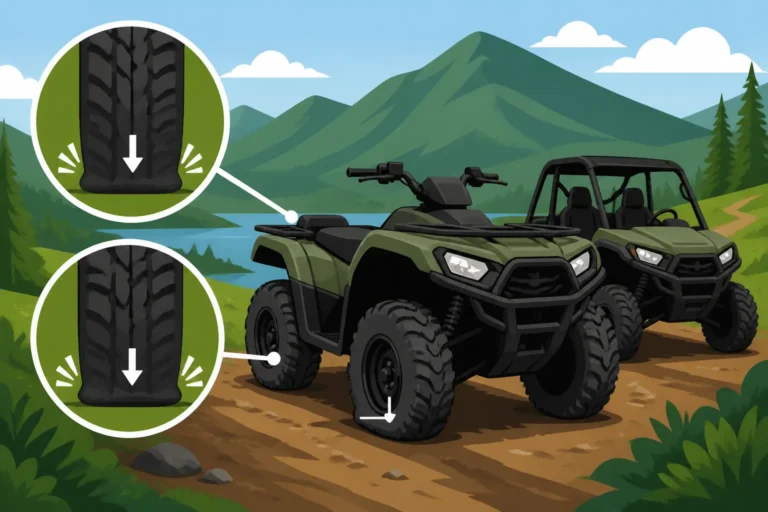
Now it's time for the nitty-gritty. Systematically go over your entire ATV or UTV, taking close-up photos of every scratch, dent, tear, or sign of wear, no matter how minor. This includes scuffs on plastics, tears in the seat, bent footpegs, or worn tire treads. It might seem tedious, but documenting even small imperfections creates a true representation of the machine's condition.
Equally important is to photograph all accessories and modifications you've made. Did you add a custom light bar, a cargo box, upgraded wheels, or a plow mount? Each of these should have its own dedicated photo. Show them from different angles, highlighting their installation and condition. For example, if you have [Vermont ATV Plates and Where They Go], photograph the plate clearly mounted, along with its bracket if custom. This can be crucial for insurance claims, proving that these valuable additions were present and part of your machine. When you're making a record, remember that a strong visual archive is just as important as the [Vermont Registration Paperwork Checklist] itself.
Here’s a quick guide to key areas you should always photograph:
| Area | What to Capture | Why It's Important |
|---|---|---|
| Overall Views | Front, rear, both sides, diagonals, top-down | Establishes general condition, color, major features. Ideal for "before" shots. |
| VIN | Close-up of stamped VIN, wider shot showing context | Essential for registration, titling, theft recovery. Proof of identity. |
| Engine & Components | Engine serial number, major engine components | Another key identifier, useful for engine-specific issues or proof of upgrades. |
| Odometer | Clear shot of current mileage | Documents usage for sales, insurance, or personal records. |
| Tires & Wheels | Tread depth, sidewall condition, wheel type/condition | Indicates wear, potential damage, or aftermarket upgrades. |
| Seat | Close-ups of fabric/material condition, any tears/rips | Common wear item; impacts comfort and appearance. |
| Fenders & Plastics | Scratches, cracks, fading | Shows cosmetic condition and impacts resale value. |
| Handlebars/Steering | Grips, controls, any bends or damage | Critical for safety and operation; shows wear and tear. |
| Suspension | Shocks, springs, A-arms, any leaks or damage | Indicates maintenance needs or potential for costly repairs. |
| Lights | Headlights, tail lights, turn signals (on/off) | Proves functionality and condition, important for road-legal use. |
| Accessories | Winch, plow, cargo box, sound system, custom exhaust | Documents valuable additions, crucial for insurance or sale. |
| Underneath | Frame, skid plates, exhaust routing | Reveals potential trail damage, rust, or modifications. |
Tips and Tricks for High-Quality ATV/UTV Photography: Making Your Records Count
Taking a quick snapshot with your phone might seem sufficient, but for records that truly stand up to scrutiny, you need to put in a little more effort. Think of these photos as documentation that might one day be used in a legal or financial context; clarity, detail, and proper execution are key.
Achieving Clarity and Detail in Your Shots
First and foremost, focus is your friend. Ensure that whatever you're photographing – be it the VIN, a scratch, or an entire side of the machine – is in sharp focus. Blurry photos are practically useless for documentation. If using a smartphone, tap on the screen to tell the camera where to focus. For extremely close-up details, you might need to move back slightly and crop the photo later, or use a macro mode if your camera has one.
Good lighting is also paramount. Avoid harsh direct sunlight that creates deep shadows, or very dim light that makes details hard to discern. Overcast days or open shade are often ideal, as they provide soft, even lighting. If you must shoot in direct sun, try to position your machine so the sun is behind you, illuminating the subject directly. For interior shots (like controls or odometer), you might need to use a flashlight or your phone's flash to illuminate dark corners, but be mindful of reflections.
Pay attention to your background. A cluttered background can distract from your ATV or UTV and make it harder to see details. A plain garage wall, an open field, or even just a clean paved surface makes for a much better backdrop. You want your machine to be the undeniable star of every shot.
Organizing Your Photo Library
Once you've taken all these crucial photos, the work isn't over. A massive collection of undated, unorganized images isn't much better than no photos at all. Start by creating a dedicated folder on your computer or cloud storage for your ATV or UTV. Name it clearly, perhaps "My_ATV_Records_[Year_Make_Model]".
Within that main folder, consider creating subfolders for specific purposes or dates. For example: "Purchase_Documentation_2024-05-15", "Annual_Condition_Check_2025-04-20", "Damage_Incident_2025-07-01". When you save your photos, rename the files with descriptive names like "VIN_CloseUp_LeftFrame.jpg", "Overall_Front_View.jpg", "Scratch_FrontRightFender.jpg". Most modern cameras and phones embed date and time data into photo files, which is incredibly helpful, but manual renaming adds another layer of organization and searchability. This disciplined approach means you won't be scrambling to find a specific image when you need it most.
Organizing and Utilizing Your ATV/UTV Photo Evidence in Vermont
Collecting an extensive photo record is only half the battle; knowing how to store it securely and use it effectively is equally important. Your well-documented visual evidence can be a powerful tool in various real-world scenarios for any ATV or UTV owner in the Green Mountain State.
Secure Storage and Backup Solutions
The best photos in the world are useless if they're lost or inaccessible when you need them. Diversify your storage options. Don't rely solely on your phone or a single computer hard drive. Set up a cloud storage solution like Google Drive, Dropbox, or OneDrive and automatically sync your ATV/UTV photo folder there. This ensures your images are backed up off-site and can be accessed from any device with an internet connection.
It's also a smart practice to keep a physical backup. This could be an external hard drive or even a USB flash drive stored in a safe place. Consider printing out a selection of the most critical photos – especially the VIN, engine number, and overall identifying shots – and keeping them in a physical binder along with your [Vermont ATV Titles and What They Cost] and [Vermont Registration Paperwork Checklist]. While digital is convenient, a physical backup can be invaluable if you ever experience a major data loss or are in a situation without internet access. Remember that documenting your machine after a private sale or even for [Vermont Machines With No Paperwork] can require robust records.
When and How to Use Your Photo Records
Knowing when to deploy your photo records is just as important as having them. Here are a few common scenarios:
- Insurance Claims: If your ATV or UTV is damaged or stolen, immediately provide your insurance company with your organized photo records. The "before" photos prove its condition prior to the incident, while detailed photos of the damage will support your claim. This makes the process significantly faster and smoother, helping you navigate [Vermont ATV Insurance Requirements] more efficiently.
- Police Reports (Theft): In the unfortunate event of theft, provide law enforcement with your detailed photos. Clear shots of the VIN, engine number, and any unique modifications can be uploaded to stolen vehicle databases, dramatically increasing the chances of recovery.
- Selling Your Machine: When listing your ATV or UTV for sale, include a selection of your best, most honest photos. As mentioned earlier, this builds trust with potential buyers. If a buyer raises a dispute after the sale, your dated photos serve as a powerful defense, documenting the machine's condition at the time of transfer. Even if you're writing your own bill of sale, perhaps using a template from a platform like LawDepot, having photos of the machine from the exact day of sale can protect both parties. [Writing a Bill of Sale the Vermont DMV Accepts] should always be supported by clear imagery.
- Registration and Titling Issues: If you ever face a challenge with [Vermont Registration for a Machine Bought Out of State] or [Vermont Title for an Off-Road Vehicle] due to missing paperwork, your photo records can provide supplementary evidence of ownership and the machine's identity, especially if the DMV needs to verify a VIN. Sometimes, officials will ask to see photos of the actual VIN stamp on the machine.
- Proof of Modifications/Upgrades: If you've invested in aftermarket parts and your insurance policy needs to reflect these, photos provide undeniable proof of their installation. This ensures they are covered in case of loss or damage.
By taking the time to photograph your ATV or UTV comprehensively and keeping those records organized and secure, you're not just taking pictures; you're building a robust shield of evidence that can protect your investment and ease many common headaches associated with ownership in Vermont.
Disclaimer
This article is for general informational purposes only and does not constitute professional advice. Laws, prices and regulations vary by location and change over time. Consult a qualified professional for guidance on your specific situation.