Insuring a Machine Right After Purchase
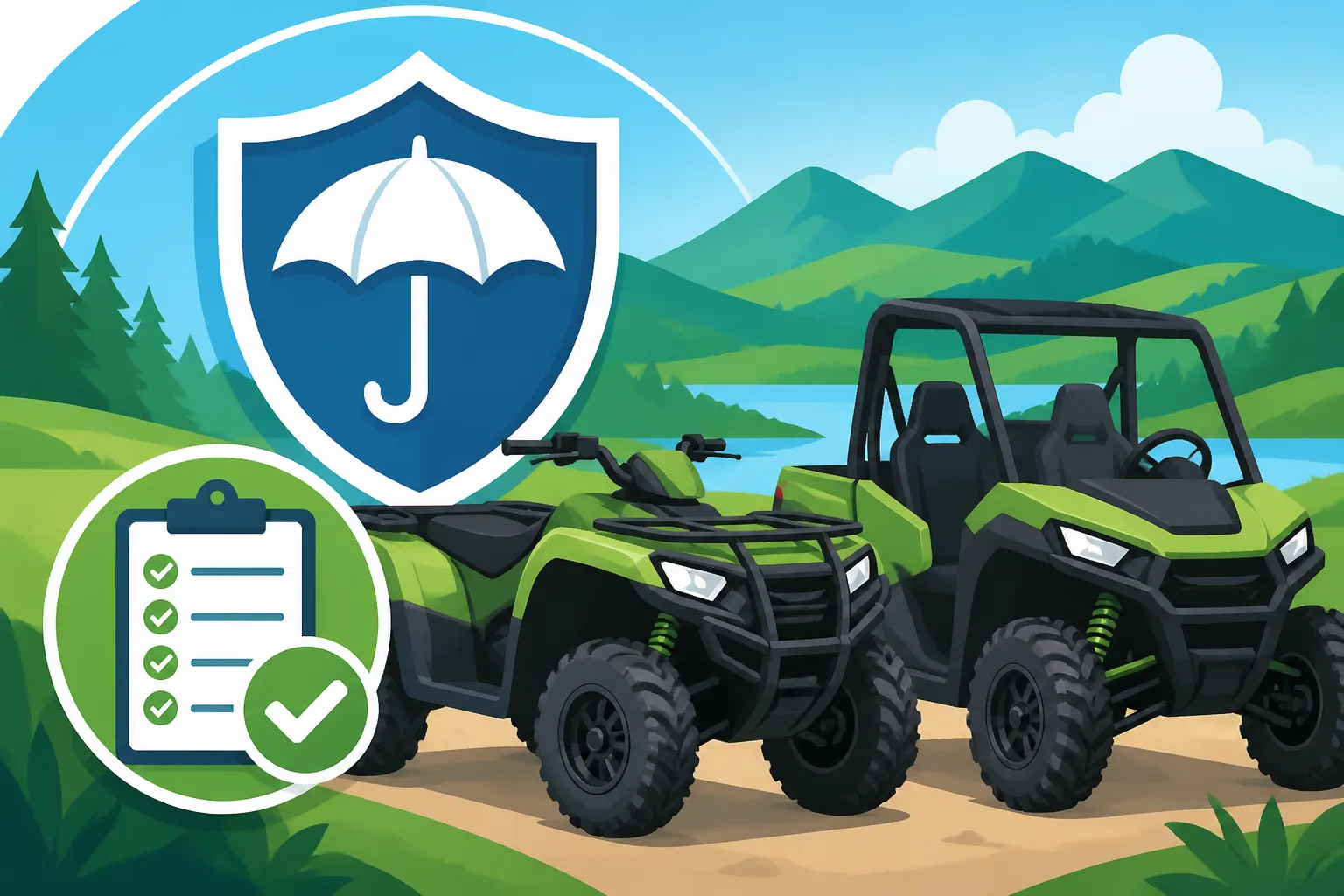
Alright, let's talk about that moment of pure exhilaration: you've just closed the deal on a shiny new ATV or UTV here in Vermont. The paperwork is signed, the keys are in your hand, and all you can think about is hitting the trails. But wait! Before you even think about firing up that engine, there's a crucial step many new owners overlook that can leave them financially exposed and even in legal hot water: getting your machine properly insured right after purchase. This guide will walk you through why immediate insurance is non-negotiable in the Green Mountain State and how to safeguard your investment from day one.
Why Immediate Insurance is Non-Negotiable in Vermont
The excitement of bringing home a new off-road vehicle is hard to beat, but that initial thrill can sometimes overshadow practical considerations. Here in Vermont, rushing your new quad or side-by-side onto a trail or even just across a town road without the right coverage isn't just a gamble; it's a direct violation of state law, and it leaves you wide open to significant financial risks.
The Legal Mandate for Vermont ATV Riders
Vermont doesn't mess around when it comes to insurance for ATVs and UTVs. It's not an optional extra; it's a legal requirement. Before your machine can legally touch a designated trail, cross a public road, or even be registered, you must have adequate liability insurance in place. This isn't just a suggestion from the Department of Motor Vehicles; it's a safeguard built into the system to protect everyone involved. If you're caught riding an unregistered or uninsured machine, you could face fines, impoundment of your vehicle, and potentially much more severe consequences if you're involved in an accident. The state wants to ensure that if you cause damage or injury, there's a financial mechanism to cover it, preventing victims from being left with massive bills. It's all part of making sure our beautiful [Vermont ATV Trails: The VASA System] remain accessible and safe for everyone.
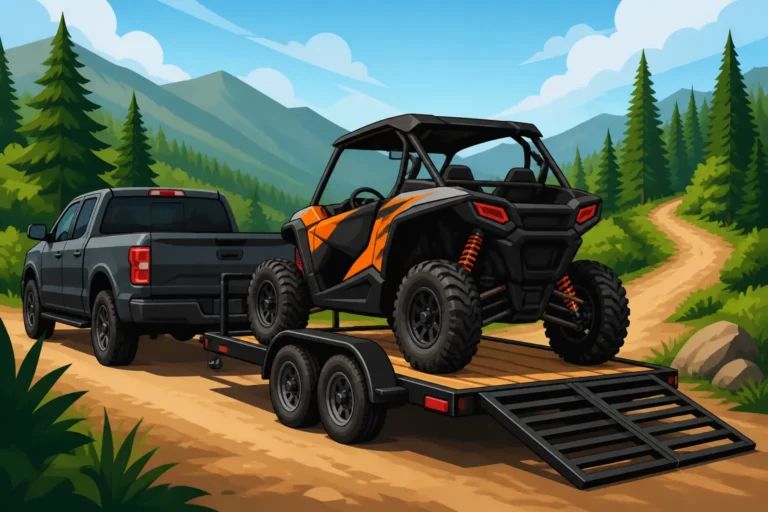
Think about it: that moment you drive off the dealer lot or load your privately purchased machine onto a trailer is when its legal journey begins. Even that short drive home on your truck or trailer, or a quick spin around your property, carries inherent risks. The law requires you to carry [Vermont ATV Liability Insurance] whenever you operate on public land or designated routes. Don't let the adrenaline of a new purchase cloud your judgment about this critical legal step.
Protecting Your Investment from Day One
Beyond the legal obligations, there's the very practical matter of protecting your significant financial investment. A new ATV or UTV isn't a small purchase, and from the moment you take ownership, it's vulnerable. Accidents happen, whether it's an unexpected fender-bender loading it onto the trailer, a sudden mechanical failure causing damage, or even something as simple as theft. Without insurance, any of these incidents could turn your exciting new acquisition into a devastating financial loss.
Imagine this scenario: you just bought a brand-new side-by-side, eager to explore the [Northeast Kingdom ATV Riding in Vermont]. You get it home, park it in your driveway overnight, and by morning, it's gone. If you haven't secured comprehensive insurance coverage, that brand-new machine is simply gone, and you're out every penny you paid. Or perhaps you're carefully backing it off the trailer, misjudge a turn, and scrape it against a tree, causing significant cosmetic damage. Without collision coverage, those repair costs come directly out of your pocket. Immediate insurance is your safety net, catching you when the unexpected inevitably occurs. It ensures that the excitement of your new machine isn't overshadowed by the stress of an unforeseen event.
Understanding Vermont's ATV Insurance Requirements
Navigating the world of insurance can sometimes feel like trying to read a foreign language. However, when it comes to insuring your ATV or UTV in Vermont, understanding the basics is paramount. The state has specific minimum requirements, primarily focused on liability, but savvy riders know that good coverage often goes well beyond the bare minimum, especially for a new machine.
The Specifics of Liability Coverage
In Vermont, the law mandates specific minimums for liability insurance, designed to protect others if you're deemed responsible for an accident. These minimums are usually expressed in a series of numbers, like 25/50/10. Let's break down what these figures actually mean for you:
- $25,000 for Bodily Injury per Person: This is the maximum your insurance company will pay for medical expenses, lost wages, and pain and suffering for one person injured in an accident where you are at fault. For example, if you accidentally collide with another rider on a trail, and they break an arm, your insurance would cover up to $25,000 of their related costs. This is why [Vermont's $25,000 Bodily Injury Minimum] is a key figure.
- $50,000 for Bodily Injury per Accident: This is the total maximum your insurance company will pay for all people injured in a single accident where you are at fault, regardless of how many people were hurt. So, if you hit a group of three riders and two of them are injured, your policy would pay out a maximum of $50,000 for their combined medical expenses and other damages, even if their individual claims exceed $25,000 each. This is known as [Vermont's $50,000 Two-Person Minimum] or aggregate limit.
- $10,000 for Property Damage per Accident: This is the maximum your insurance will pay for damage you cause to another person's property in an accident. This could be another ATV, a fence, a parked car, or even a building. If you accidentally back into a shed on private property while crossing a designated section, your insurance would cover up to $10,000 for the repairs. This is [Vermont's $10,000 Property Damage Minimum].
While these are the minimum legal requirements, many experienced riders and insurance professionals will tell you that they are often insufficient in today's world. A serious injury or extensive property damage can quickly exceed these limits, leaving you personally responsible for the remainder. It's always wise to consider higher liability limits to provide a more robust financial shield.
Beyond Basic Liability: Additional Coverages
While liability coverage protects others, what about your own precious new machine? That's where additional coverages come into play. These optional, but highly recommended, policies offer crucial protection for your ATV or UTV itself, safeguarding your investment from a wide range of potential perils.
- Collision Coverage: This pays for damage to your ATV or UTV if it collides with another vehicle, an object (like a tree or a rock), or rolls over. For a brand-new machine, this is incredibly important. You've just spent a significant amount of money; collision coverage ensures that if you have an accident, your insurer helps cover the repair or replacement costs for your own vehicle, minus your deductible. Without it, even a minor mishap could mean substantial out-of-pocket expenses.
- Comprehensive Coverage: This is your protection against non-collision events. It covers things like theft, vandalism, fire, hail, floods, and impacts with animals. Given the outdoor nature of ATV riding and the value of these machines, comprehensive coverage is a no-brainer. It provides peace of mind knowing your machine is protected even when it's parked in your garage or stored for the season. Imagine a tree falling on your shed where your new quad is stored – comprehensive would cover the damage to the ATV.
- Uninsured/Underinsured Motorist (UM/UIM) Coverage: This protects you if you're involved in an accident with another rider who either doesn't have insurance or doesn't have enough insurance to cover your damages and injuries. While Vermont requires insurance, not everyone complies, and UM/UIM acts as a backup plan to cover your medical bills and property damage in such unfortunate circumstances. It's an important safeguard, as you can't control another person's insurance choices.
- Medical Payments (MedPay) or Personal Injury Protection (PIP): These cover medical expenses for you and your passengers, regardless of who was at fault in an accident. While not always offered for ATVs, if available, it can be a valuable addition to cover immediate medical costs without waiting for fault to be determined.
While some individuals might consider [Vermont Self-Insurance at $115,000], this typically involves depositing a substantial amount with the state and is usually reserved for large fleets or corporations, not practical for the average rider. For most of us, a robust insurance policy is the most effective way to protect ourselves and our investments.
| Coverage Type | What It Primarily Covers | Why It's Crucial for a New ATV/UTV |
|---|---|---|
| Bodily Injury Liability | Injuries you cause to other people | Legally Required in Vermont; essential protection against personal lawsuits if you injure someone on the trail or road crossing. |
| Property Damage Liability | Damage you cause to someone else's property (e.g., another ATV, fence, building) | Legally Required in Vermont; covers repair or replacement costs for others' property that you damage. |
| Collision Coverage | Damage to your ATV/UTV from an accident (hitting an object, rollover) | Protects your investment; covers repair/replacement costs for your machine after an accident, minus your deductible. |
| Comprehensive Coverage | Damage to your ATV/UTV from non-collision events (theft, fire, vandalism, natural disasters) | Safeguards against common risks like theft or acts of nature, ensuring your machine is covered even when not being ridden. |
| Uninsured/Underinsured Motorist | Injuries and damages to you if the at-fault party has no or insufficient insurance | Provides a critical safety net against irresponsible riders who might not carry adequate coverage. |
Steps to Get Your New ATV Insured in Vermont
Getting your new ATV or UTV insured might seem like a chore, but it's a straightforward process if you know what to do. The key is to be prepared with the right information and to understand your options so you can get the best coverage for your needs in Vermont.
Gathering Necessary Information
Before you even pick up the phone or go online to get a quote, make sure you have all the pertinent details about your new machine readily available. Having this information at your fingertips will speed up the process considerably and ensure you get accurate quotes. Insurers will typically ask for:
- Vehicle Identification Number (VIN): This unique 17-character code identifies your specific ATV or UTV. You'll find it stamped on the frame, usually on the left front frame rail, or on the manufacturer's plate. It's like the machine's fingerprint.
- Make, Model, and Year: For example, a 2024 Polaris RZR XP 1000.
- Engine Size: Often expressed in cubic centimeters (cc), such as 500cc, 800cc, or 1000cc.
- Purchase Date: The exact day you bought the machine.
- Purchase Price: The amount you paid for the ATV or UTV.
- Any Modifications or Accessories: If you've added expensive aftermarket parts like a winch, plows, tracks, or custom lighting, be sure to mention these. Some policies might require additional coverage for these enhancements.
- Proof of Ownership: While not always required for a quote, you'll need this to finalize your policy. This could be your [An MCO at the Vermont DMV Counter] (Manufacturer's Certificate of Origin) for a new machine from a dealer, or a detailed [Writing a Bill of Sale the Vermont DMV Accepts] for a private sale. These documents are also crucial for your [How to Register an ATV in Vermont] application.
- Your Personal Information: Your name, address, date of birth, and driver's license number.
Having these details organized will make your insurance shopping experience much smoother.
Shopping for Quotes and Comparing Policies
Once you have your information ready, it's time to shop around. Don't just go with the first quote you receive. Insurance rates and coverage options can vary significantly between providers. It pays to get multiple quotes from different companies to ensure you're getting competitive pricing and the right level of coverage.
You can contact national insurance carriers that offer ATV insurance, local independent insurance agents who work with multiple companies, or even your current auto or home insurance provider. Often, bundling your ATV insurance with existing policies can lead to discounts, so it's always worth asking about multi-policy discounts.
When comparing policies, look beyond just the price:
- Coverage Limits: Are the liability limits sufficient for your peace of mind, or do you need more than the state minimums? Do you have enough collision and comprehensive coverage to replace your new machine if it's totaled?
- Deductibles: This is the amount you pay out of pocket before your insurance kicks in. A higher deductible usually means a lower premium, but ensure it's an amount you're comfortable paying if you have a claim.
- Exclusions: Carefully read what the policy doesn't cover. Are there specific types of riding (e.g., racing, rental) or modifications that are excluded?
- Customer Service and Claims Process: While harder to assess upfront, online reviews and recommendations can give you an idea of an insurer's reputation for handling claims efficiently and fairly.
- Special Features: Does the policy offer roadside assistance, coverage for riding gear, or replacement cost coverage for a new machine (which pays to replace a totaled new machine with another new one, rather than just its depreciated value)?
By diligently comparing your options, you can tailor a policy that not only meets Vermont's legal requirements but also provides comprehensive protection for your new recreational vehicle.
What to Do on Purchase Day
The day you buy your ATV or UTV is the most critical time to ensure you're covered. You want to avoid any lapse in coverage from the moment you take possession.
If you're buying from a reputable dealer, they might be able to offer immediate provisional coverage or help you contact an insurer to get a binder (temporary proof of insurance) on the spot. Some dealers even have partnerships with insurance companies for this very reason. Ask about these options before you finalize the purchase. This is the easiest way to ensure continuous coverage from the minute the machine is yours.
For private sales, the responsibility falls entirely on you. You should have an insurance policy lined up and ready to activate the moment the transaction is complete. Many insurance companies can issue proof of insurance electronically within minutes. You'll want to have that [Carrying Vermont Insurance Proof on the Machine] ready to go.
Under no circumstances should you ride your newly purchased ATV or UTV, even just around the block or on your own property, before you have active insurance coverage. The risks are simply too high. Not only could you face legal penalties if you're on public land, but any accident could result in astronomical out-of-pocket expenses for damages or injuries. Plan ahead, get your insurance sorted, and then enjoy your new machine with complete peace of mind, knowing you're fully protected.
Special Considerations for Your Newly Acquired Machine
Bringing a new ATV or UTV into your life in Vermont involves more than just picking a color and signing papers. There are a few nuanced aspects of ownership and insurance that new buyers often overlook, and addressing them upfront can save you headaches down the line.
Registration and Insurance: A Dual Requirement
In Vermont, registration and insurance go hand-in-hand for ATVs and UTVs that will be operated off your private land. You can't truly have one without the other when it comes to legal operation on designated trails or public roads. The DMV will require proof of insurance before they issue a registration for your machine. This isn't just a bureaucratic hurdle; it's a fundamental aspect of Vermont's commitment to rider safety and financial responsibility.
When you're preparing to [How to Register an ATV in Vermont], ensure your insurance policy is not only active but that you have the necessary documentation to present to the DMV. They will typically ask for your insurance policy number, the name of your insurance company, and the effective dates of your coverage to confirm it meets [Vermont ATV Insurance Requirements]. This integrated system means that getting your insurance squared away immediately after purchase is a prerequisite for getting your machine officially registered and legally ready for adventure. Without both, you're essentially sidelined.
Documentation and Record Keeping
Good record-keeping isn't just for tax season; it's vital for ATV and UTV ownership, especially when it comes to insurance and registration. From the moment you purchase your machine, start a dedicated file, either physical or digital. This file should contain:
- Your Bill of Sale or MCO: This is your definitive proof of ownership. If you purchased from a private seller, ensure you have a robust bill of sale. When you're buying from a private seller, having a solid bill of sale is critical. Tools like LawDepot can help you generate a legally sound document that covers all the bases for both you and the seller, which can be invaluable not just for registration but also for insurance purposes if any questions arise about ownership. Having a comprehensive record of your purchase, including a bill of sale (which you can easily create with resources like LawDepot for clarity), provides peace of mind and simplifies the insurance process.
- Your Insurance Policy Documents: Keep a copy of your full policy, declarations page, and proof of insurance cards. You'll need the proof of insurance to show to the DMV for registration and potentially to law enforcement or trail wardens if asked on a ride.
- Maintenance Records: Keep track of all service, repairs, and upgrades. This can be helpful in the event of a claim, demonstrating how well you've maintained your machine, and could even influence the payout for damages.
- Photographs of Your Machine: Take detailed photos of your ATV or UTV, especially when it's new. Document its condition, any accessories, and the VIN. These visual records can be invaluable in proving the machine's condition before an incident or in the case of theft.
Ensuring your new machine is properly documented with a clear bill of sale, perhaps even one drafted using a reliable service like LawDepot, can simplify your insurance application and future claims. From ensuring you have a proper [Proof of Ownership Vermont's DMV Will Accept] to getting the right insurance, careful documentation, potentially aided by services like LawDepot, is key. This meticulous approach to documentation helps validate your ownership, clarifies the value of your asset, and streamlines any interactions with your insurer or the DMV.
When Does the Policy Start?
This might seem like a simple question, but it's one that can lead to confusion. An insurance policy officially starts when the coverage is bound and the premium payment (or at least the first installment) is processed. This means that even if you haven't received your physical insurance cards in the mail yet, your coverage can be active. Most insurance companies can provide immediate electronic proof of insurance, often called a binder or an insurance ID card, that you can print out or keep on your phone.
The critical takeaway here is that you should never assume coverage is in place until you have received confirmation from your insurance provider that your policy is active and the start date has been established. Avoid riding your new machine until you have that concrete proof of active coverage. A verbal agreement might be a good start, but always follow up with written or electronic confirmation. This proactive step ensures there are no ambiguities about your coverage status, allowing you to hit the trails with confidence and full legal protection.
Disclaimer
This article is for general informational purposes only and does not constitute professional advice. Laws, prices and regulations vary by location and change over time. Consult a qualified professional for guidance on your specific situation.