Two Low-Pressure Tires at Minimum
It can be incredibly frustrating when you're trying to do the right thing and get your ATV registered in Vermont, only to be met with confusing legal jargon and technical specifications. You just want to hit the trails, but first, you've got to navigate the nuances of what exactly counts as an ATV in the Green Mountain State. This guide is here to untangle one of those often-overlooked but crucial details: the "two low-pressure tires at minimum" requirement, and how it impacts your registration journey.
Understanding Vermont's ATV Definition Beyond Just Tires
Before we dive deep into the world of tires, it's really important to grasp that the "two low-pressure tires at minimum" rule is just one piece of a larger puzzle that defines an All-Terrain Vehicle (ATV) in Vermont. The state has specific criteria that your machine must meet to be classified as an ATV, which in turn dictates how you register it, what fees you pay, and even where you can legally ride. It's not just about getting a plate; it's about ensuring your machine is recognized correctly by the law, protecting you from potential headaches down the road.
Why the Definition Matters for Registration
Think about it: if your machine doesn't fit the state's official definition of an ATV, you might find yourself trying to register something that the Vermont Department of Motor Vehicles (DMV) classifies differently. This isn't just a minor technicality; it can lead to higher fees, different plate requirements, or even the outright denial of your registration if your vehicle falls into another category entirely. For instance, a larger, heavier machine might be considered an All-Terrain Side-by-Side (ASV) – a classification with its own set of rules and costs. Understanding these distinctions from the get-go saves you time, money, and a lot of potential frustration at the DMV counter. It's all about making sure you walk in prepared and confident that your machine is correctly identified.
The Full Legal Breakdown of a Vermont ATV
Vermont's definition of an ATV is quite specific, going beyond just the tires. It generally refers to a motorized vehicle that's 72 inches or less in width, weighs 2,500 pounds or less, and is specifically designed for off-road use. Crucially, it must also be equipped with at least two, but not more than six, low-pressure tires. This definition is intended to distinguish ATVs from larger utility vehicles, golf carts, and even certain types of specialized farm equipment. Any machine exceeding these dimensions or weight limits, or having a different tire configuration, might fall into the ASV category or another vehicle class entirely. This comprehensive definition helps ensure that the right rules and regulations are applied to the right machines, particularly concerning trail access and safety. You can dive deeper into the full scope of what defines these vehicles by looking into [Vermont's 72-Inch, 2,500-Pound ATV Definition].
What "Two Low-Pressure Tires at Minimum" Really Means
When the Vermont statutes talk about "two low-pressure tires at minimum," they're not just throwing out random words. This phrase points to a very specific design characteristic of an ATV, which is fundamental to its classification and intended use. It ensures that the vehicles registered as ATVs possess certain traits that make them suitable and safe for the off-road environments they're designed for. It’s about more than just the number; it’s about the type of tire and its inherent capabilities.
Characteristics of Low-Pressure Tires
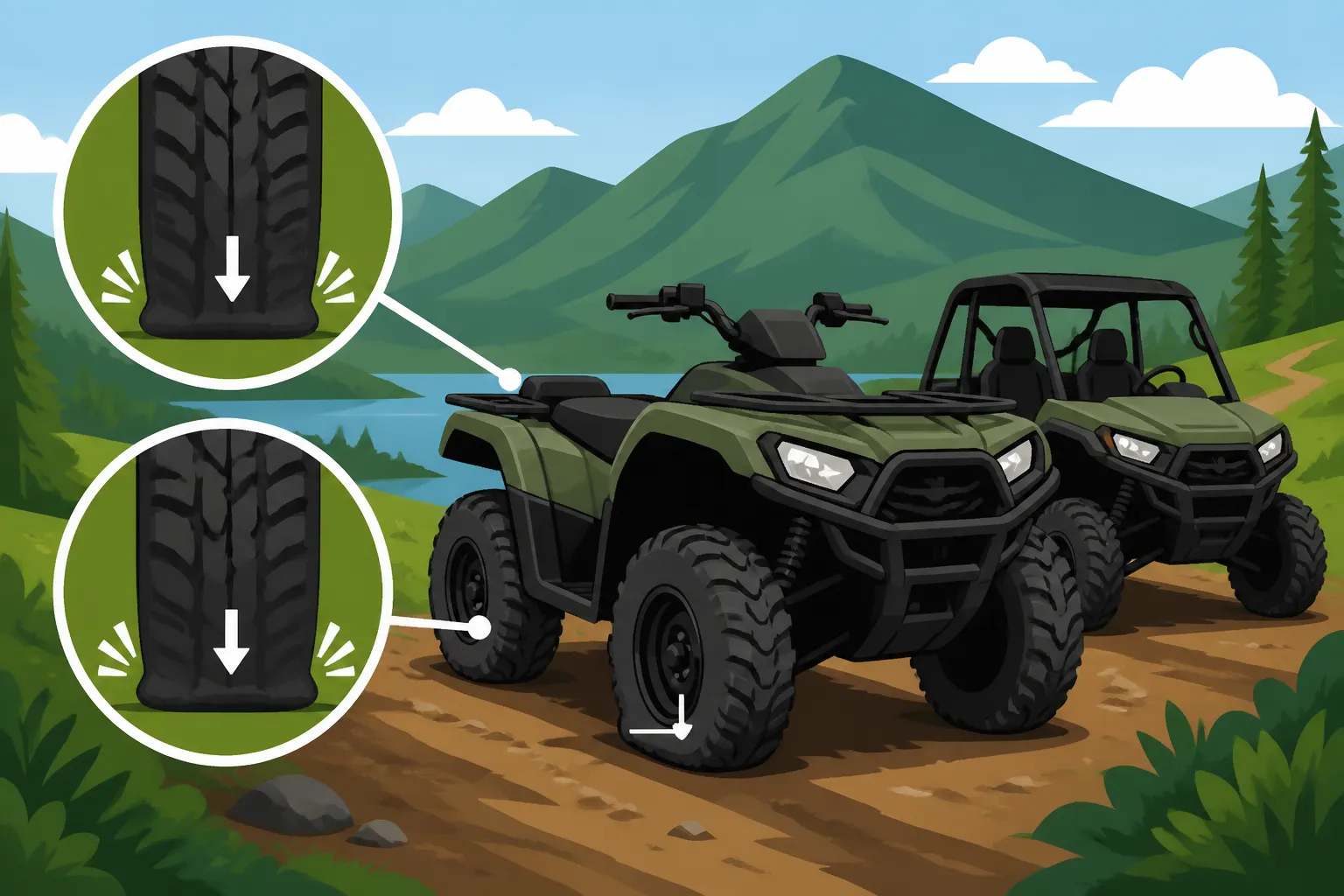
Low-pressure tires, often called "balloon" tires, are distinct from the high-pressure tires you'd find on a car or even a dirt bike. They're designed to operate at significantly lower inflation pressures, typically ranging from 2 to 10 pounds per square inch (psi). This lower pressure allows the tire to flex and conform to uneven terrain, distributing the vehicle's weight over a larger contact patch. What does this mean for you, the rider? It translates to enhanced traction, a smoother ride over bumps and obstacles, and reduced impact on sensitive off-road surfaces. The soft, wide footprint of these tires is crucial for navigating mud, sand, snow, and rocky trails without digging in or causing excessive damage. This characteristic is precisely why Vermont, like many other states, specifies them as a requirement for ATVs.
Impact on Vehicle Classification
The "two low-pressure tires at minimum" rule directly influences whether your vehicle is considered an ATV or something else entirely. Most traditional quad-style ATVs naturally meet this criterion, having four low-pressure tires. However, if you have a machine with, say, three wheels (a trike, which is increasingly rare but still exists), it would also meet the "two at minimum" rule, assuming it fits all other parts of the ATV definition. Machines with tracks, or those with conventional, higher-pressure street tires, would likely not qualify as an ATV under Vermont's definition, regardless of their width or weight. This distinction is vital because, as we touched on earlier, a different classification means different registration requirements and potentially different access rules for trails. It's a critical point of differentiation, and missing it can lead to issues when you're trying to comply with the law. For further clarity on how different machines are categorized, it's worth understanding [Vermont ATV Versus ASV Classes].
The Difference Between ATVs and ASVs (All-Terrain Side-by-Sides) in Vermont
The world of off-road vehicles has expanded dramatically, and with it, the need for clear classifications. Vermont, understanding the diversity of machines hitting the dirt, has established distinct categories, most notably between ATVs and ASVs. This differentiation isn't just for bureaucratic neatness; it directly impacts how you register your machine, what permits you need, and even the cost involved. It’s all rooted in the physical characteristics of your ride.
How Tire Count and Type Differentiate Machines
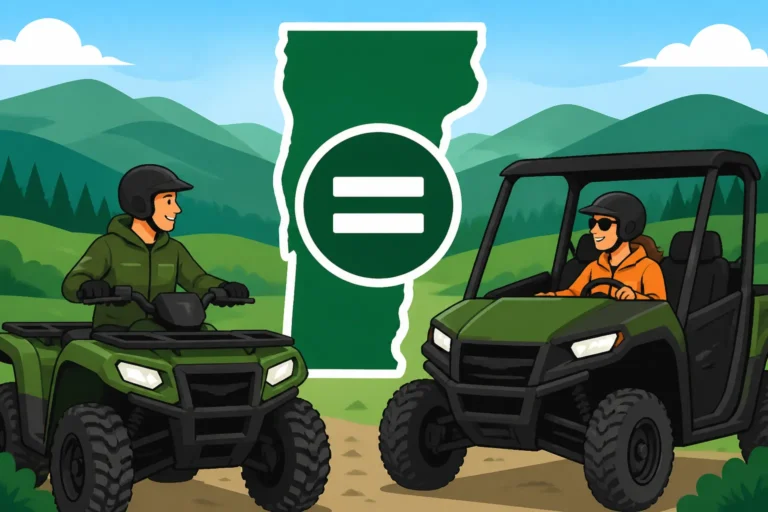
While "two low-pressure tires at minimum" is part of the ATV definition, ASVs (often referred to as side-by-sides or UTVs) typically have four or more low-pressure tires, and they are usually designed to carry multiple passengers side-by-side, hence the name. The key difference isn't just the seating arrangement, but often their overall size, weight, and, yes, the number and configuration of their tires, though both classes rely on those distinct low-pressure tires for off-road capability.
For example, a traditional ATV almost always has four wheels. An ASV, while often having four wheels, might also come in a six-wheel configuration for enhanced utility or passenger capacity. While both use low-pressure tires, the "at minimum" clause for ATVs ensures that even a less common three-wheeled ATV would still fall into the category if it meets other criteria. The important thing is that both adhere to the low-pressure tire concept, emphasizing their off-road design, but the total number of wheels and the vehicle's overall dimensions push them into their respective classifications.
Registration Implications for Different Classes
The distinction between ATVs and ASVs has direct financial and legal implications for you as a rider. Generally, ASVs, often classified as "Class A All-Terrain Vehicles" in Vermont, have a higher registration fee than standard ATVs. This is usually due to their larger size, potential for higher capacity, and sometimes different regulations regarding road crossings or trail access. If you try to register a side-by-side as a standard ATV, you'll run into issues because the DMV will recognize it as an ASV based on its characteristics, including its tire setup, width, and weight.
For instance, an ASV might require an annual fee of one amount, while a typical ATV might have a lower yearly fee. These differences underscore the importance of correctly identifying your vehicle from the start. You'll want to consult the Vermont DMV's current definitions and fee schedules carefully. For more details on the registration process for larger machines, you can check out [Vermont ASV Class A Registration Explained]. Knowing which category your machine falls into will save you a lot of time and potential hassle at the registration counter.
Here’s a quick overview of how these classes generally differ in Vermont:
| Feature | ATV (All-Terrain Vehicle) | ASV (All-Terrain Side-by-Side) |
|---|---|---|
| Common Seating | Straddle-style, typically one or two riders (tandem) | Side-by-side seating, typically two to six riders |
| Steering | Handlebars | Steering wheel |
| Width | Generally 72 inches or less | Can often exceed 72 inches (check specific models) |
| Weight | Generally 2,500 pounds or less | Can often exceed 2,500 pounds (check specific models) |
| Tires (Minimum) | Two low-pressure tires | Typically four or more low-pressure tires |
| Registration Category | ATV | ASV (or Class A All-Terrain Vehicle) |
| Fees | Generally lower annual fee | Generally higher annual fee |
| Examples | Honda Rancher, Polaris Sportsman | Polaris RZR, Can-Am Defender, Kawasaki Mule |
Common Misconceptions About ATV Tire Requirements
It’s easy to get lost in the details when it comes to ATV regulations, and tire requirements are no exception. Riders often come to the DMV with preconceived notions about what makes a tire "legal" or suitable for registration, which can sometimes be based on outdated information or misunderstandings from other states. Clearing up these common misconceptions can save you a trip and ensure your machine is ready for the Vermont trails.
Debunking Myths About Tire Size and Tread
One prevalent myth is that there are specific minimum or maximum sizes for ATV tires mandated by Vermont law, or that certain aggressive tread patterns are prohibited for registration. The truth is, while Vermont law specifies "low-pressure tires," it doesn't generally get into the minutiae of tire diameter, width, or tread depth for registration purposes. The primary focus is on the low-pressure characteristic itself, which is intrinsic to the tire's design and how it's intended to operate off-road.
Another common misconception revolves around "turf-friendly" tires versus aggressive mud tires. While some landowners or trail systems might have preferences or specific rules about tire types to minimize environmental impact, the state DMV's registration process typically doesn't scrutinize your specific tire tread pattern. As long as your tires are designed as low-pressure off-road tires and your vehicle otherwise meets the ATV definition (width, weight, etc.), you're generally in good standing. Your primary concern for registration should be that your tires are indeed low-pressure and that you have at least two of them, and not more than six, as part of your vehicle's original or modified configuration.
The Role of Aftermarket Tires in Compliance
Many riders customize their ATVs with aftermarket tires to enhance performance for specific types of terrain – be it deep mud, rocky trails, or snowy conditions. A common question is whether these aftermarket modifications affect your ability to register your machine in Vermont. The good news is that replacing your factory tires with aftermarket low-pressure tires usually won't jeopardize your registration, provided they still fit the fundamental "low-pressure" criteria and don't push your vehicle beyond other definitional limits.
However, you do need to be mindful of how significant modifications might unintentionally alter other aspects of your ATV's definition. For instance, extremely wide aftermarket tires, combined with wheel spacers or offset rims, could potentially push your ATV's overall width beyond the 72-inch limit, which would then classify it as an ASV, or even make it unregistrable as an ATV in Vermont if it falls outside both categories. So, while aftermarket tires are generally fine, always double-check your machine's overall dimensions and characteristics after any significant modifications to ensure it still fits the state's precise ATV definition. You can explore [Vermont Low-Pressure Tire Requirement] for more context on what this means for your vehicle.
Ensuring Your Machine Meets Vermont's Tire Rules for Registration
Navigating the registration process doesn't have to be a guessing game, especially when it comes to tire requirements. Taking a few proactive steps can ensure your ATV is compliant with Vermont's rules, saving you valuable time and preventing frustration. The goal is to be prepared and confident when you present your machine for registration.
Checking Your ATV's Tire Specifications
Before you even think about heading to the DMV, take a moment to confirm that your ATV's tires meet the "low-pressure" standard. How can you tell?
First, check the sidewall of your tires. Most low-pressure ATV tires will have a maximum inflation pressure listed that is quite low, often under 10 psi. If you see a recommendation like "Max PSI: 7" or similar, you're likely good to go.
Second, visually inspect the tires. Low-pressure tires typically have a wider, softer appearance than car or motorcycle tires, designed to bulge slightly at their recommended low pressures to maximize ground contact.
Third, count the tires. Your ATV must have at least two, and no more than six, low-pressure tires. Most standard ATVs have four, so this is usually a straightforward check.
If you're unsure about the specifics of your tires, consult your ATV's owner's manual or the manufacturer's website. They will provide the recommended operating pressures and confirm the type of tires installed. Being able to confidently state that your tires are indeed low-pressure, and having the correct number of them, is a key step in a smooth registration process.
What to Do if Your Tires Don't Seem to Fit the Bill
What if your machine has tires that don't seem to be the low-pressure type, or you have a modified setup that changes the tire count? Don't panic, but do address it before attempting registration.
If your machine somehow has traditional, high-pressure street tires (which is highly unusual for a dedicated ATV), you would need to replace them with proper low-pressure off-road tires to meet Vermont's definition. This is a fundamental characteristic of an ATV in the eyes of the law.
If you have a unique setup with fewer than two or more than six low-pressure tires, your machine likely won't qualify as an ATV under Vermont's definition. In this scenario, you'd need to either modify the machine to conform to the definition or explore if it falls under a different vehicle class (like an ASV or other specialized equipment) for registration. It’s better to resolve these discrepancies upfront than to face rejection at the DMV. If you're looking for guidance on official paperwork, perhaps for an ownership affidavit detailing your machine's specifications if you've modified it, resources like LawDepot can sometimes provide templates that help organize your information.
Preparing for a DMV Inspection If Applicable
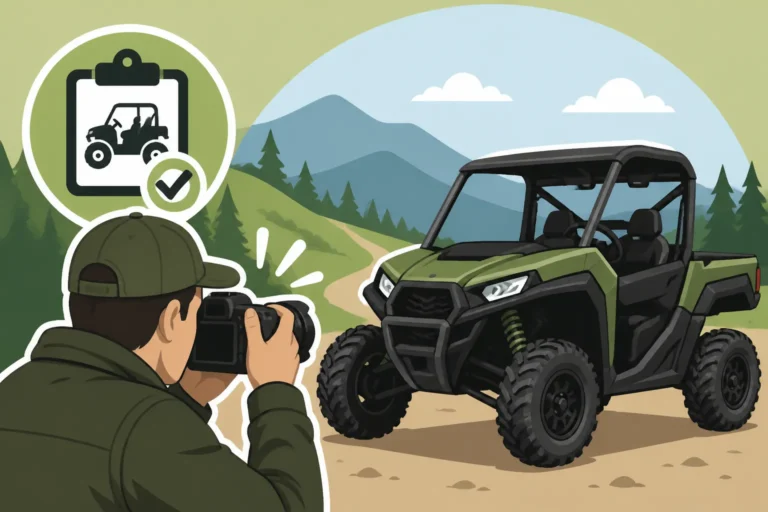
While not every ATV registration in Vermont requires a physical inspection, especially if you're registering a brand-new machine from a dealer, it's always wise to be prepared. If you're registering an older machine, one purchased in a private sale, or one with significant modifications, the DMV might request an inspection to verify it meets the state's definitions.
Here's how to prepare:
- Have your documentation ready: This includes your bill of sale, title (if applicable), proof of Vermont residency, and any other required paperwork for [Registering an ATV With the Vermont DMV].
- Ensure visible VIN: Make sure your Vehicle Identification Number (VIN) is clean and easily accessible for inspection.
- Confirm all definitions: Beyond just the tires, ensure your ATV meets the width (72 inches or less) and weight (2,500 pounds or less) requirements.
- Present your machine cleanly: While not a legal requirement, presenting a clean machine shows respect for the process and can make the inspection smoother for the DMV staff.
If you've gone through the steps of checking your tires and confirming all other definitional criteria, you'll be well-prepared for any questions or visual checks by the DMV. The goal is to make the process as straightforward as possible, so you can get your plate and start enjoying the beautiful Vermont trails. If you're drafting a bill of sale or other ownership documents, services like LawDepot can assist in generating legally sound forms that clearly detail your machine's characteristics for smooth processing.
Disclaimer
This article is for general informational purposes only and does not constitute professional advice. Laws, prices and regulations vary by location and change over time. Consult a qualified professional for guidance on your specific situation.