Vermont Registration Address Change
Moving to a new place is exciting, but let's be honest, the administrative side of things can feel like a never-ending mountain of paperwork. One of those pesky tasks that often slips our minds until it's almost too late is updating our vehicle registrations, and that absolutely includes your beloved ATV or UTV here in Vermont. This guide is all about simplifying that process, showing you exactly how to change your Vermont ATV registration address so you can keep riding legally and hassle-free, no matter where in the Green Mountain State you call home now.
Why Your ATV Registration Address Matters in Vermont
It might seem like a small detail, but keeping your address current with the Vermont Department of Motor Vehicles (DMV) for your ATV or UTV registration is actually super important. It’s not just about getting mail; it’s about maintaining your legal standing as a responsible off-road enthusiast.
The Importance of Up-to-Date Records
Think of your registration address as your official point of contact with the state regarding your ATV. The Vermont DMV uses this address for all sorts of crucial communications. This includes sending out your renewal notices, any official correspondence about your vehicle, or even legal notices if, heaven forbid, there were ever an incident involving your machine. Imagine missing a crucial renewal reminder simply because the mail went to your old apartment across town. Suddenly, you could find yourself riding with an expired registration, which can lead to unnecessary fines and headaches if you happen to encounter a warden or state trooper on the trails. It's a preventable situation, and updating your address is the key to avoiding it. Keeping these records accurate ensures you're always in the loop and can respond promptly to any requirements.
How Vermont Delivers Plates and Decals
When you initially register your ATV or UTV, or when you renew it, the Vermont DMV sends your new physical registration card, plate, and any necessary decals to the address they have on file. This is also true if you need a replacement plate for some reason. If that address is outdated, those vital documents could end up lost in the mail, sent back to the DMV, or worse, delivered to someone else entirely. You might be eagerly waiting for your new plate to hit the trails, only to find out it's been sitting in your old landlord's mailbox for weeks. This can cause significant delays in your riding plans, as you can't legally operate your machine on designated trails or roads without proper, current identification. Knowing [Where Vermont Mails Your New ATV Plate] is essential for a smooth process. An incorrect address means a logistical nightmare for you, potentially requiring extra trips to the DMV or phone calls to track down your registration.
The Simple Steps to Change Your Vermont ATV Registration Address
The good news is that changing your address for your Vermont ATV or UTV registration isn't as daunting as some other bureaucratic tasks. The DMV understands that people move, and they've made the process relatively straightforward.
Online, Mail, or In-Person: Choosing Your Method
Vermont offers a few convenient ways to update your address, allowing you to pick the one that best suits your schedule and comfort level.
- Online: For many, the quickest and most hassle-free option is often doing it online through the MyDMV portal on the Vermont DMV website. This allows you to update your information from the comfort of your home, usually with instant confirmation that your request has been submitted. It's generally available 24/7, making it perfect for those with busy schedules. You'll need your current registration information handy, including your registration number and potentially your Vehicle Identification Number (VIN).
- By Mail: If you prefer the traditional route or don't have easy access to a computer, you can download a change of address form from the DMV website, fill it out, and mail it in. This method is reliable, but it does take longer due to postal and processing times. Make sure you use the correct form, typically a general change of address form for all vehicle types, not just ATVs. Always keep a copy of the completed form for your records before sending it off.
- In-Person: For those who like a direct interaction or have other DMV business to conduct, visiting a Vermont DMV office is also an option. While it might involve waiting in line, you'll have the peace of mind knowing the change is processed directly and you can ask any [Vermont Registration Questions Clerks Hear] in person. Remember to check the operating hours of your local office before you go.
Each method has its merits, but the goal is the same: ensure the DMV has your most current contact information.
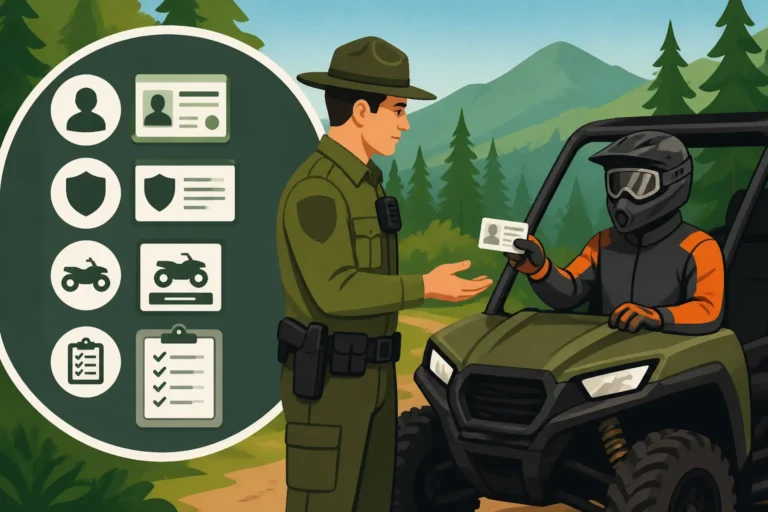
What Information You'll Need to Provide
Regardless of how you choose to update your address, you'll need to have certain pieces of information readily available to ensure a smooth process. Having these details organized beforehand will save you time and prevent frustration.
- Your Previous Address: This helps the DMV locate your existing registration records.
- Your New, Current Address: Double-check for accuracy, including zip code. This is where all future correspondence and documents will be sent.
- Vehicle Identification Number (VIN): Your ATV or UTV's unique identifying number, usually found on the frame, on your existing registration, or title.
- Current Vermont Registration Number: This alphanumeric code is found on your existing registration card.
- Personal Identification: This usually means your Vermont driver's license number or state ID number.
Sometimes, especially if you’re doing this in person, you might be asked for proof of your new address. This could be a utility bill, a lease agreement, or another official document showing your name and new address. While this isn't always required for a simple address change, it's wise to have something on hand, just in case. For a comprehensive list of what to prepare for any DMV interaction, checking a [Vermont Registration Paperwork Checklist] can be very helpful.
What Happens After You File Your Address Change
Once you've submitted your address change request, you've done your part. But what should you expect next, and how can you ensure everything went through properly?
Confirmation and Updated Documents
After successfully submitting your address change, whether online, by mail, or in person, you should receive some form of confirmation. If you changed it online, you might get an immediate confirmation email or a screen notification that your update was processed. If you mailed it in, you won't get an immediate confirmation, but your updated registration card with the new address will eventually arrive in the mail. When you change your address at a DMV office, they might issue you a temporary updated document right then and there.
It's important to understand that while the address change itself might be processed quickly in the system, receiving new physical documents can take some time. The DMV typically mails out updated registration cards. Be patient, but also be vigilant. Keep an eye on your mailbox at your new address. If you’re concerned about the [Vermont Registration Processing Time], it's always a good idea to track when you submitted your request and compare it to typical mailing periods.
Avoiding Common Pitfalls
Even with a seemingly simple task like changing an address, a few common issues can crop up. Being aware of these can help you avoid unnecessary delays and frustrations.
- Verify Accuracy: Always, always double-check the new address you provide. A simple typo can send your mail to the wrong street or zip code, restarting the whole process.
- Keep Records: Whether it's a screenshot of your online confirmation, a copy of the form you mailed, or a receipt from the DMV, having proof of your submission can be invaluable if there's ever a question about your address change.
- Patience and Follow-Up: Mail takes time. If you haven't received your updated registration card within a few weeks, it's appropriate to follow up with the Vermont DMV. Don't assume everything is fine if you don't receive confirmation or your new card.
- Concurrent Moves: If you anticipate moving again soon after changing your address, consider waiting until your final address is settled to make the change. Multiple rapid changes can sometimes create confusion in the system.
Here's a quick comparison of the different methods for changing your Vermont ATV registration address:
| Method | Convenience | Speed of Update | Confirmation | Required Documents | Potential Downsides |
|---|---|---|---|---|---|
| Online | Very High | Fastest | Instant screen confirmation/email | Old/New Address, VIN, Reg #, ID # | Requires internet access |
| By Mail | High (from home) | Slowest | None immediate, relies on updated card mail | Old/New Address, VIN, Reg #, ID # | Postal/processing delays, no instant proof |
| In-Person | Medium | Immediate | Verbal confirmation, possible temp document | Old/New Address, VIN, Reg #, ID #, sometimes proof of address | Time commitment, potential wait times |
Addressing Specific Scenarios for Vermont ATV Owners
Life often throws us curveballs, and sometimes a simple address change isn't quite so simple. Let's look at a couple of specific situations that might arise for Vermont ATV owners.
Moving Within Vermont Versus Out of State
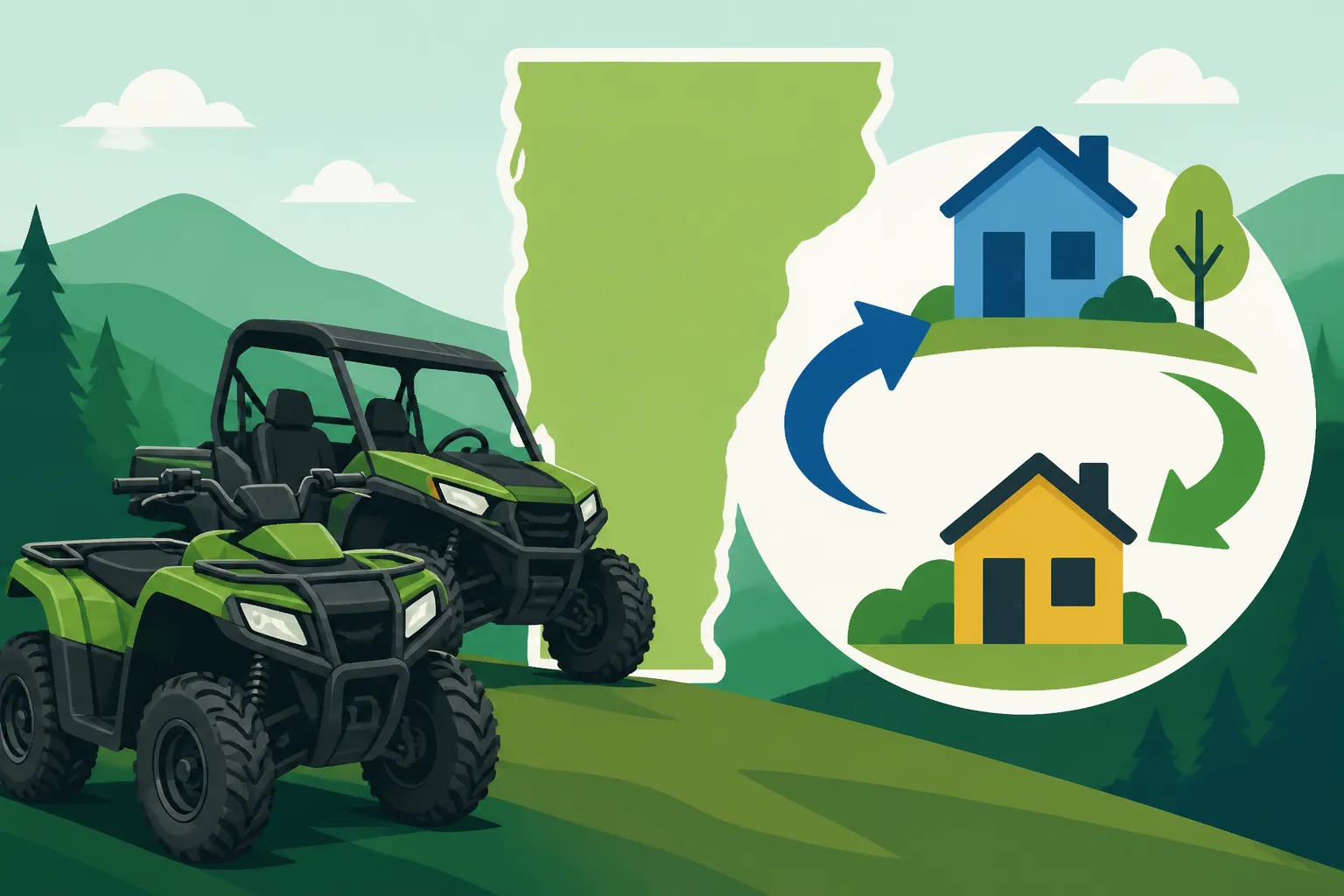
This guide primarily focuses on changing your address when you move within Vermont. If you're simply relocating from, say, Burlington to Brattleboro, the process outlined above is exactly what you'll follow. Your ATV or UTV will remain registered in Vermont, and only your contact address needs to be updated.
However, if you're packing up your life and your ATV to move out of state, the process is entirely different. In that scenario, you wouldn't just change your address with the Vermont DMV; you would typically need to register your ATV in your new home state according to their regulations. Vermont registration would no longer be valid for residency purposes in your new state. Conversely, if you're a new resident moving into Vermont with an ATV previously registered elsewhere, you'll need to go through the full Vermont registration process. This involves understanding [Vermont ATV Registration for a New Resident], which is a completely separate set of steps, including paying Vermont's purchase and use tax (if applicable) and applying for a new Vermont title and registration.
Multiple ATVs or UTVs Registered at One Address
It's common for families or avid riders to own more than one ATV or UTV. If you have several machines registered in your name, and they are all associated with the same primary residence, you generally won't need to fill out a separate address change form for each vehicle. Most DMV systems allow you to update your owner's address, and that change will then propagate across all vehicles registered under your name at that address. However, it’s always a good practice to explicitly list all affected registration numbers on any mail-in form or verify online that all your machines have been updated.
What if you have a machine at your main home and another at a secondary property, like a camp or a hunting cabin, and you're moving your primary residence? The registration address for all your machines should still typically reflect your primary domicile – the place where you legally reside and receive mail. The DMV associates registrations with individuals and their official addresses, not necessarily the physical storage location of each specific vehicle. Ensuring that the address linked to your driver's license also matches your ATV registration is key to avoiding confusion and ensuring smooth communication with the DMV.
Disclaimer
This article is for general informational purposes only and does not constitute professional advice. Laws, prices and regulations vary by location and change over time. Consult a qualified professional for guidance on your specific situation.