Vermont ATV Versus ASV Classes
Navigating the world of off-road vehicles in Vermont can feel like deciphering a secret code, especially when you encounter terms like "ATV" and "ASV." Many riders, whether seasoned Vermonters or visitors planning a trip, get tripped up by the subtle but significant differences in how the Green Mountain State defines these machines, which can lead to incorrect registration, unexpected fees, or even trouble on the trails. This guide is here to untangle that confusion, clearly outlining Vermont's specific definitions for ATVs and ASVs, explaining why these distinctions matter for your wallet and your adventures, and helping you ensure your ride is properly classified and ready for the trail.
Understanding Vermont's ATV Definition
When we talk about ATVs in Vermont, it’s easy to picture the classic four-wheeler you’ve known for years. However, the state's Department of Motor Vehicles (DMV) has a very specific set of criteria that goes beyond just what it looks like. These definitions are crucial because they dictate how your vehicle is registered, how much you pay, and even where you can legally ride. Misunderstanding these can lead to a lot of frustration down the road.
What Qualifies as an ATV in the Green Mountain State
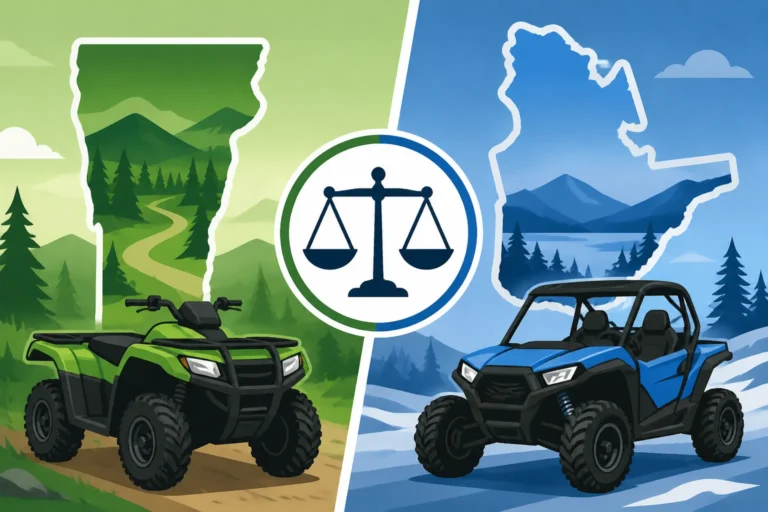
In Vermont, an All-Terrain Vehicle (ATV) is legally defined as a motorized vehicle that's specifically designed for off-road use. It has to be three or four wheels and weigh 1,000 pounds or less. Critically, it must also be 50 inches or less in width. This width restriction is a huge defining factor, as many modern machines, especially side-by-sides, easily exceed it. The ATV class is generally geared towards single-rider machines, though some manufacturers produce models approved for two riders.
This definition ensures that smaller, lighter machines are categorized appropriately, reflecting their typical use on narrower trails and their lesser impact on surfaces. These are the vehicles that many people grew up riding, often referred to as "quads" or "four-wheelers." They are typically steered with handlebars, much like a motorcycle, and the rider straddles the seat. If your machine fits these general specifications—three or four wheels, under 1,000 pounds, and 50 inches or less wide—it’s likely Vermont will classify it as an ATV.
Common Characteristics of Vermont-Defined ATVs
Beyond the strict legal measurements, Vermont-defined ATVs share several common characteristics that riders recognize. They are often built for agility and maneuverability, making them popular for navigating tight wooded trails, hunting, or accessing remote properties. Their handlebar steering and straddle seating position require a specific riding technique, allowing riders to shift their body weight for control over varied terrain.
These vehicles are a staple for many Vermont outdoor enthusiasts, used for everything from enjoying scenic autumn rides to assisting with farm chores. While their compact size is a benefit for trail access, it also means they typically have less carrying capacity and passenger space compared to their larger counterparts. When you consider registering one of these, remember that the "ATV" designation carries a specific [Vermont ATV Registration Cost] that differs from other classes.
Unpacking the ASV (All-Terrain Side-by-Side Vehicle) Class
The term "ASV" might not be as universally recognized as "ATV," but in Vermont, it's a vital distinction. These machines, often called UTVs or side-by-sides in other places, have grown immensely in popularity for their versatility, comfort, and capacity. However, because they differ significantly from traditional ATVs in size and design, Vermont has created a separate classification to address them.
Key Distinctions for an ASV in Vermont
Vermont's definition of an ASV, or All-Terrain Side-by-Side Vehicle, encompasses those machines that are generally larger and more robust than traditional ATVs. An ASV is still designed for off-road use, but it's characterized by having four or more wheels, side-by-side seating (like a car), and a steering wheel instead of handlebars. Crucially, these vehicles typically exceed the 50-inch width limit of an ATV and often weigh more than 1,000 pounds. You might be interested in [Vermont's 72-Inch, 2,500-Pound ATV Definition], as this specific threshold is important for understanding how some larger vehicles are categorized, even if they're not technically ASVs.
The rise of the side-by-side has introduced a new dynamic to off-road recreation. Riders appreciate the roll-over protection systems, seatbelts, and often larger cargo beds, making them suitable for everything from family outings to serious utility work. Because of their increased size and weight, Vermont sees them as a distinct category with different implications for trail maintenance and safety, which is why the state has defined them separately.
The "Class A" Designation and What It Means
Within the ASV category, Vermont further delineates a "Class A" designation. This is essentially the standard ASV category that most side-by-sides will fall into. It specifically refers to ASVs that are 72 inches or less in width and weigh 2,500 pounds or less. If your side-by-side fits these parameters, it will typically be registered as a Class A ASV. This class represents the vast majority of consumer-grade side-by-sides you see on trails today.
The "Class A" definition is important because it dictates the specific fees and regulations for these popular vehicles. While they offer more capacity and comfort than ATVs, their designation as Class A ASVs means they have a particular set of rules to follow. For instance, understanding [Vermont ASV Class A Registration Explained] can help clarify the process. For many riders, the ability to bring a passenger or more gear makes the ASV an attractive option, but it's essential to recognize that this comes with a different regulatory framework than for a traditional ATV.
The Critical Differences in Vermont Registration and Fees
This is where the rubber meets the road—or rather, where the paperwork meets your wallet. The classification of your off-road vehicle as an ATV or an ASV in Vermont isn't just an arbitrary label; it has direct financial and practical consequences. Getting this wrong can mean paying the incorrect fee, or worse, finding yourself unregistered when you thought you were compliant.
Registration Fee Differences and What to Expect
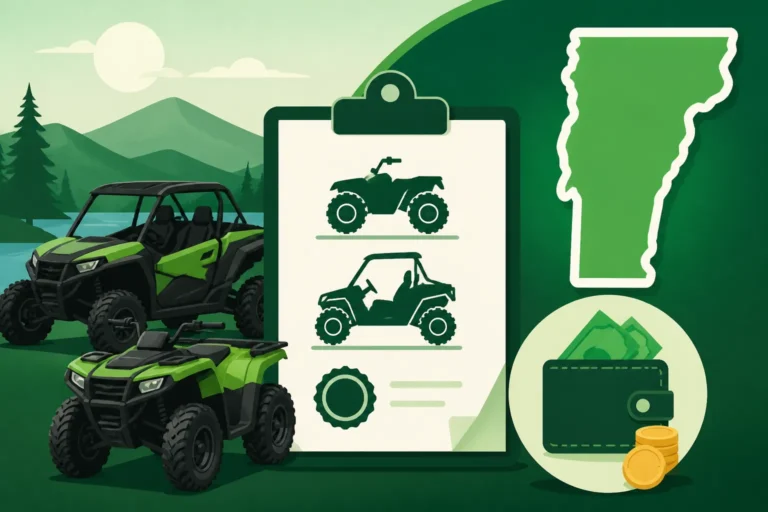
The most immediate and tangible difference between an ATV and an ASV in Vermont lies in their registration fees. Simply put, registering an ASV costs more than registering a traditional ATV. For example, a one-year registration for a standard ATV is one price, while a one-year registration for an ASV (Class A) is a different, higher price. This difference reflects the state's assessment of the vehicles' impact and the resources required for managing their use on trails and designated roads.
When you go to register, whether it’s for a single year or taking advantage of a two-year option, the specific class of your machine will dictate the final amount you pay. For specific figures, you might look into [Vermont ASV Registration at $108 a Year] or [Vermont ASV Two-Year Registration at $211] to see how these compare to ATV rates. It's crucial to check the latest fee schedules directly with the Vermont DMV or their website before you head in, as these numbers can change.
Implications for Trail Access and Road Usage
Beyond the registration sticker and the fee you pay, the ATV versus ASV classification can also affect where and how you can ride. While many designated VASA (Vermont All-Terrain Sportsmen's Association) trails are open to both ATVs and ASVs, there might be specific local ordinances or trail sections that have restrictions based on vehicle type, especially concerning wider ASVs. It's always best practice to check local town ordinances and trail signage.
Furthermore, when it comes to riding on town roads that have been opened to off-road vehicles, the rules apply to both types of machines, but the physical characteristics of an ASV might pose different challenges. A wider side-by-side, for example, might feel less comfortable sharing a narrow dirt road with oncoming traffic than a more compact ATV. It's not necessarily a legal barrier, but a practical consideration for your safety and comfort. This is where understanding Vermont ATV Versus ASV Classes really comes into play, as it helps you anticipate your riding experience.
Beyond Registration: Operational Rules and Trail Access
The classification of your machine as an ATV or an ASV doesn't just stop at the registration desk; it extends to the very rules that govern how and where you can operate it in Vermont. These operational guidelines are put in place to ensure rider safety, protect natural resources, and maintain harmonious relationships with landowners and other trail users. Understanding these nuances is key to enjoying your ride without any unwelcome surprises.
The Role of Vehicle Dimensions in Trail Navigation
One of the most practical implications of the ATV versus ASV distinction concerns the physical dimensions of your machine, particularly its width. Many of Vermont's extensive trail systems, often winding through dense forests or along historic corridors, were designed with traditional ATVs in mind. While VASA clubs work diligently to maintain and widen trails where possible, some sections may still be challenging or even impassable for wider ASVs.
Imagine trying to navigate a narrow, tree-lined path or crossing a small bridge with a machine that's significantly wider than a standard ATV. It can be a tight squeeze, potentially causing damage to your machine or the trail itself. This is why knowing the exact width of your vehicle and understanding the designated trail classes is paramount. When planning your ride, always consult the latest trail maps and information from local clubs to ensure your ASV can comfortably and safely access the intended routes. You wouldn't want to get halfway down a trail and realize your machine is too wide to continue.
Specific Requirements and Restrictions for Each Class
While many general rules, such as helmet laws and speed limits on designated roads, apply to both ATVs and ASVs, there can be specific regulations or recommendations tailored to each class. For instance, the sheer size and weight of an ASV can necessitate different considerations for braking distances, turning radius, and general handling on steep or slippery terrain. Some towns or private landowners might have specific preferences or restrictions on the types of vehicles allowed on their property, often influenced by the vehicle's footprint and potential for impact.
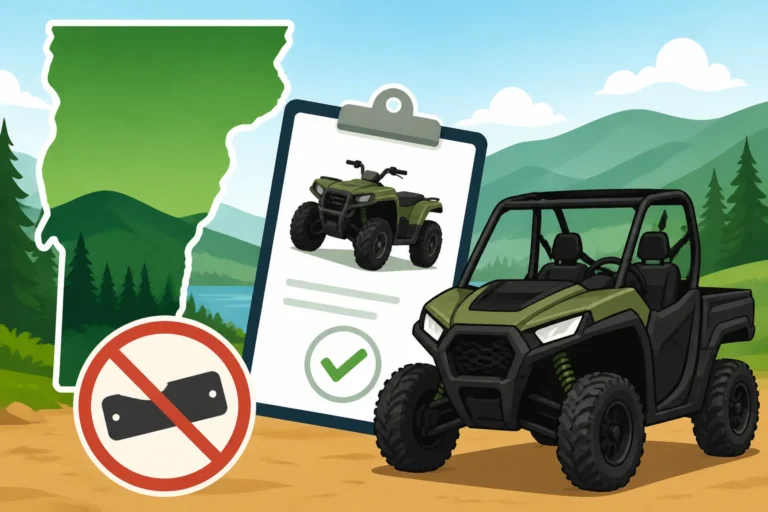
Furthermore, the design differences, such as straddle seating for ATVs versus bucket seats and a steering wheel for ASVs, might influence safety training recommendations or passenger rules. For example, [Vermont Rules for a 12-Year-Old] will specify rules for supervision, but they apply differently based on the type of machine being operated. Always carry your [Vermont Registration Paperwork Checklist] and proof of insurance, regardless of your machine's class, as wardens and local law enforcement will verify compliance for all off-road vehicles.
Ensuring Correct Classification for a Smooth Ride
Nobody wants to deal with the headache of an incorrect registration or facing questions from a warden because their vehicle's class is misunderstood. Taking the time to properly identify your machine from the start can save you a lot of time, money, and stress down the road. It's about being proactive and informed, rather than reactive and surprised.
Checking Manufacturer Specifications and Owner's Manuals
The absolute best place to start when determining whether your vehicle is an ATV or an ASV in Vermont is right with the manufacturer's specifications. Your owner's manual will provide precise details on your machine's weight, width, engine size, and seating capacity. These are the exact metrics the Vermont DMV uses to make their classification decisions. Don't guess or rely on general appearances; get the hard numbers. If you've purchased a used machine and don't have the manual, most manufacturers provide this information online, often by VIN or model number.
For instance, looking up a specific model of Polaris RZR or Can-Am Defender will quickly reveal if it exceeds the 50-inch width or 1,000-pound weight threshold for an ATV, immediately placing it into the ASV category. Similarly, checking the seating arrangement—straddle seat vs. side-by-side bucket seats—will be a clear indicator. This simple step can prevent a misclassification before you even begin the registration process.
What to Do If You're Unsure About Your Vehicle's Class
Even with the owner's manual in hand, sometimes the lines can seem blurry, especially with specialized or older machines. If you find yourself genuinely unsure about your vehicle's correct classification, your best course of action is to contact the Vermont DMV directly. They are the ultimate authority on classification and can provide definitive guidance. You might even consider bringing your owner's manual or a clear photo of your vehicle's specifications to a local DMV office for their review.
Another practical step, particularly if you're buying or selling a private machine, is to use resources that help document the sale accurately. A service like LawDepot can assist you in creating a detailed bill of sale that precisely describes the vehicle, including its reported class, width, weight, and other identifying features. This clear documentation, like [Writing a Bill of Sale the Vermont DMV Accepts], not only protects both buyer and seller but also provides concrete proof of the machine's characteristics for future registration needs. Having this on file, especially if there's any ambiguity, can be incredibly helpful for future interactions with the DMV.
Potential Pitfalls of Misclassification
Getting your vehicle's classification wrong in Vermont isn't just a minor administrative error; it can lead to a host of significant problems. From financial penalties to safety issues and even insurance complications, the consequences of misclassifying your ATV or ASV can quickly turn a fun day out into a stressful ordeal. It's far better to invest the time upfront to ensure everything is correct than to face these avoidable challenges.
Facing Fines and Registration Headaches
One of the most immediate pitfalls of misclassification is the risk of facing fines for improper registration. If you've registered an ASV as a standard ATV, you've paid a lower fee and essentially registered it incorrectly. Should a warden or law enforcement officer inspect your machine on the trail or during a roadside stop, they can identify the discrepancy. This could result in a ticket for operating an unregistered vehicle or for fraudulent registration, with penalties that far outweigh any savings you might have made on the initial fee.
Imagine planning a weekend ride with friends, only to be stopped and told your registration is invalid. Not only would your ride be cut short, but you'd also incur fines and the hassle of having to correct the registration, potentially delaying future rides. Understanding [Vermont Penalties for Riding Unregistered] highlights how seriously the state takes compliance. It’s always cheaper and less stressful to get it right the first time.
Insurance and Liability Concerns
Beyond fines, an incorrect classification can have severe implications for your insurance coverage and personal liability. Most insurance policies are written based on the specific type and class of vehicle being covered. If your ASV is insured as an ATV, your policy might not fully cover damages or liability in the event of an accident. Insurance companies could argue that the vehicle being operated does not match the one described in the policy, potentially denying a claim.
This means that if you're involved in an incident, you could be personally responsible for significant repair costs, medical bills, or property damage. For example, if you've registered a large, multi-passenger side-by-side as a single-rider ATV, your insurance might not recognize the coverage for passengers, leaving you exposed. It's always best to be transparent and accurate with your insurance provider, making sure your policy reflects the true classification of your machine. Again, documenting your machine's classification thoroughly, perhaps through a platform like LawDepot when acquiring or selling the vehicle, can help establish a clear record for insurance purposes, especially if you need to prove your machine's type when dealing with a claim or policy update. Ensure your insurance provider understands whether you have a [Vermont Registration for a Side-by-Side] or a standard ATV.
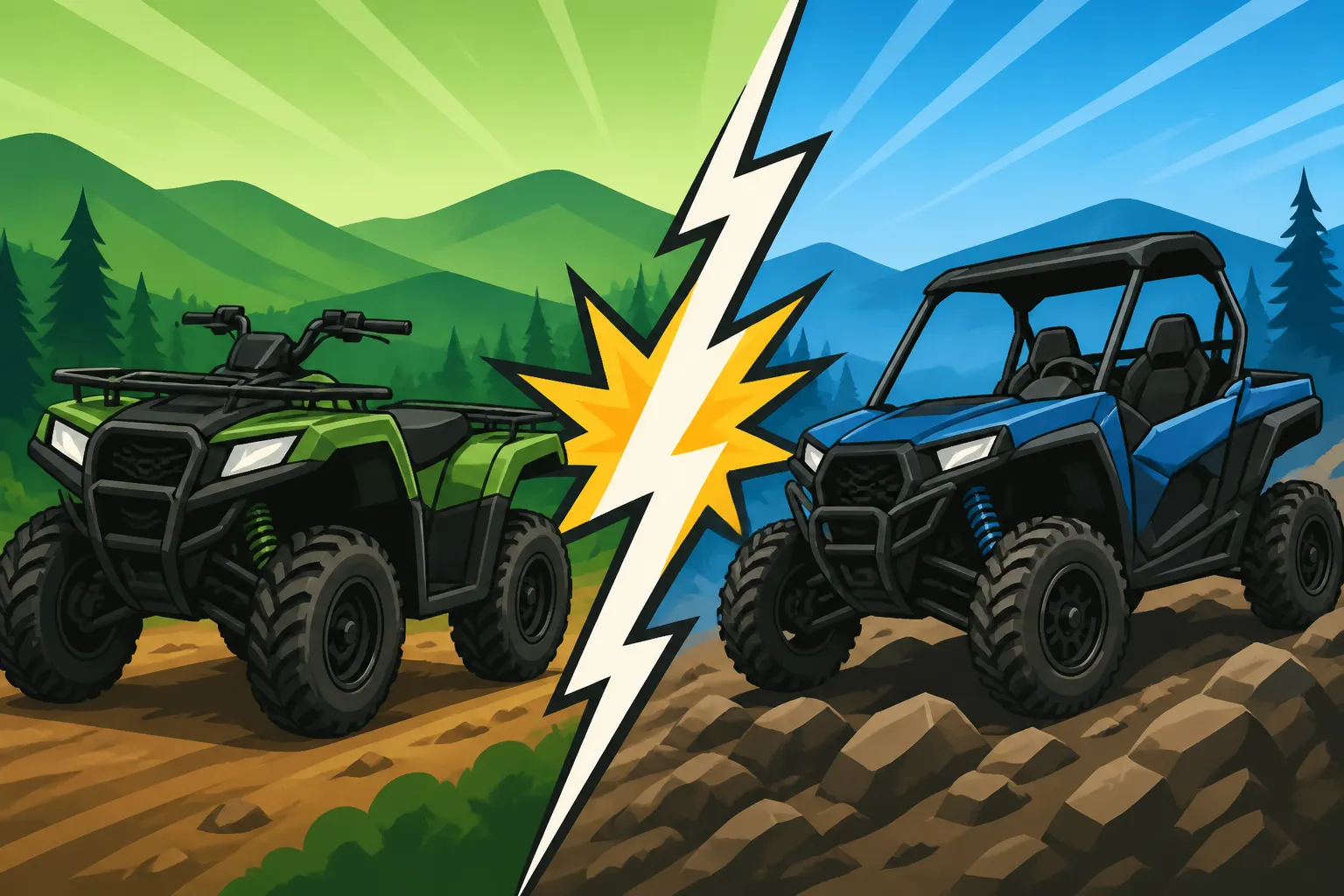
| Feature | Vermont ATV Definition | Vermont ASV (Class A) Definition |
|---|---|---|
| Number of Wheels | 3 or 4 | 4 or More |
| Steering | Handlebars | Steering Wheel |
| Seating | Straddle seat (often single, sometimes tandem) | Side-by-side seating (like a car, multiple passengers possible) |
| Maximum Width | 50 inches or less | 72 inches or less |
| Maximum Weight | 1,000 pounds or less | 2,500 pounds or less |
| Typical Use | Agile trail riding, hunting, light utility | Recreational group riding, heavier utility, touring, family outings |
| Registration Fee | Generally lower | Generally higher |
Disclaimer
This article is for general informational purposes only and does not constitute professional advice. Laws, prices and regulations vary by location and change over time. Consult a qualified professional for guidance on your specific situation.