What a Warden Can Ask to See
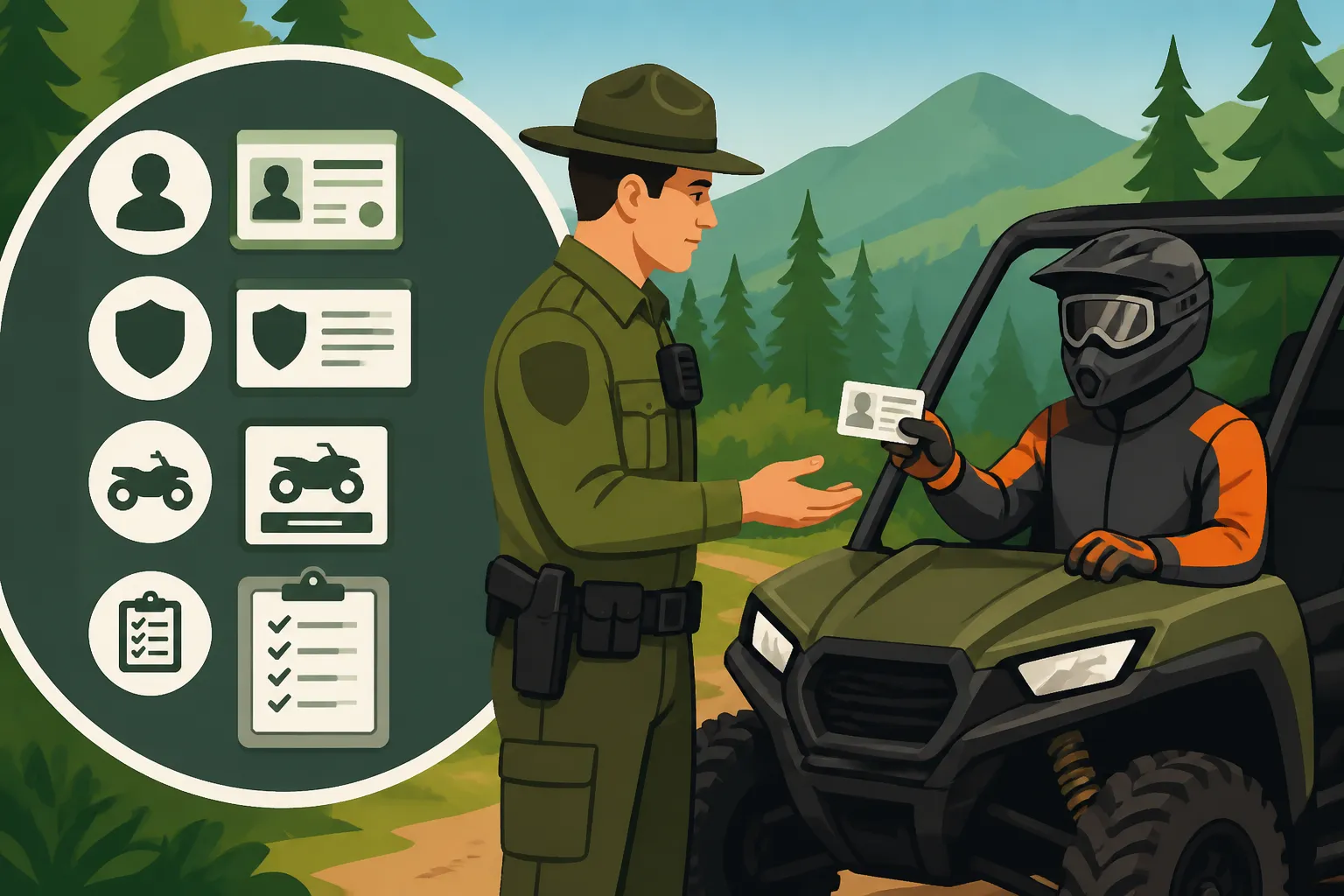
Picture this: you're out enjoying a beautiful Vermont day on the trails, the engine humming, the scenery a blur of green or gold, when suddenly you see those flashing lights or a warden steps out onto the path ahead. Your heart might do a little flip-flop, wondering if everything is in order. It's a common scenario, and frankly, it can be a little unnerving, even when you're doing everything by the book. This guide is here to take the mystery out of that moment, walking you through exactly what a warden or law enforcement officer in Vermont might ask to see when you're out riding your ATV or UTV. Knowing what to expect and having your ducks in a row can turn a potentially stressful stop into a quick, uneventful check, letting you get back to what you love doing.
The Essentials: What Every Rider Needs to Carry
When you're out on the trails or even making a quick hop on a designated town road in Vermont, there are a few core documents and items that you absolutely must have with you. Think of these as your ATV riding "wallet"—just like you wouldn't leave home without your driver's license, you shouldn't hit the trails without these essentials. These aren't just arbitrary rules; they're in place to ensure public safety, manage the trail system, and protect the very privilege of riding that we all enjoy in our beautiful state.
Proof of Registration and Plate Visibility
First and foremost, your machine needs to be properly registered with the Vermont Department of Motor Vehicles (DMV), and you need to be able to prove it. This isn't just a suggestion; it's a fundamental requirement for operating an ATV or UTV on any public land or designated trail system in Vermont. When a warden stops you, one of the very first things they'll want to see is your current registration certificate. This paper document confirms that your machine is legally allowed to be on the trails. It's always a good idea to keep this certificate in a waterproof bag or container, perhaps tucked safely in a compartment on your machine, so it's protected from the elements and easily accessible. Imagine pulling out a soggy, unreadable piece of paper – that just complicates things unnecessarily.
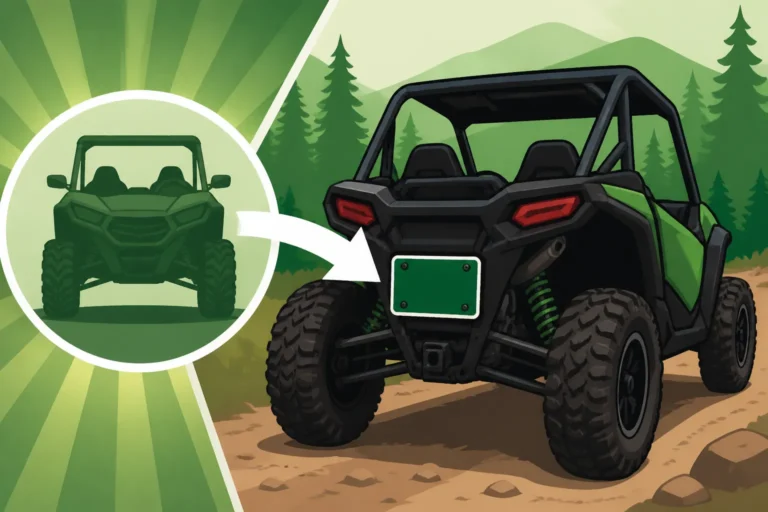
Beyond the paper, there's the physical registration plate. Vermont requires your ATV or UTV to display a valid, clearly visible registration plate, usually mounted on the rear of the machine. [Vermont ATV Plates and Where They Go] is a good resource for understanding the specific requirements. Wardens are keen on checking that this plate is not only present but also legible. This means keeping it free from mud, snow, or any debris that might obscure the numbers. It's all too easy for a plate to get caked in mud after a fun ride, but a quick wipe-down before or during your ride can save you a potential headache. Remember, the plate acts as your machine's identification, and if it can't be read, it's effectively not there in the eyes of the law. If you've just bought a machine, you'll want to make sure you understand [Registering an ATV With the Vermont DMV] right away.
In some cases, especially if you're riding in certain towns that have their own ordinances, they might even ask for a front plate or specific mounting requirements. While less common, it's worth being aware of local rules. For instance, [Vermont Towns That Ask for a Front Plate] will provide more details. The bottom line here is preparation: make sure your machine is registered, carry your paper proof, and keep that plate clean and visible. It shows you're a responsible rider who respects the rules designed to keep our trail system viable.
Your Vermont Trail Access Decal (TAD)
For anyone planning to ride on the vast network of VASA (Vermont All-Terrain Vehicle Sportsmen's Association) trails, the Vermont Trail Access Decal, or TAD, is absolutely non-negotiable. This little sticker is your ticket to ride and contributes directly to the maintenance and expansion of our cherished trail system, much of which relies on the goodwill of private landowners. A warden will most certainly check for a valid TAD, so make sure it's properly affixed to your machine in a visible location. It's often placed near the registration plate or on the front fender, depending on the machine and your preference, as long as it's clear.
The TAD is required in addition to your state registration. Think of registration as permission to own and operate the machine on public roads or lands where allowed, and the TAD as specific permission to use the VASA-managed trail network. Many riders get tripped up thinking one covers the other, but they are distinct requirements. If you're an out-of-state rider, you'll still need a TAD, even if your machine is registered in your home state. [Vermont TAD Prices for Visitors] outlines the costs and how to acquire one. This decal not only grants you legal access but also includes your membership to a local VASA club, which is vital for the continued success of the trails.
The expiration date on the TAD is something to pay close attention to. All TADs expire on December 31st of the year they are issued, regardless of when you purchase them. So, even if you buy it in October, it's still only valid until the end of that calendar year. This is a common point of confusion for riders, and wardens are definitely aware of it. Always confirm your TAD is current before heading out. [Vermont TAD Expiration Date] is a useful resource if you need more information. Without a current TAD, you could face penalties and be asked to leave the trail system, which is a real bummer when you're just trying to enjoy a ride.
Demonstrating Financial Responsibility: Insurance
Just like driving a car, operating an ATV or UTV in Vermont comes with the responsibility of having adequate liability insurance. This isn't just about protecting yourself; it's about protecting others in case of an accident. Vermont law specifies minimum liability coverage, and a warden has every right to ask for proof that your machine is insured. [Vermont ATV Insurance Requirements] details the specific coverage amounts required. It's crucial to carry proof of insurance with you whenever you ride, whether that's a physical insurance card or a digital copy on your phone. Just make sure your phone is charged!
The reason for this requirement is simple: if an accident occurs, especially one involving property damage or personal injury, there needs to be a mechanism to cover those costs. Without insurance, you could be personally liable for significant expenses, and that's a situation no one wants to be in. Wardens aren't just checking a box; they're ensuring that riders are prepared for unforeseen circumstances, which ultimately makes the trails safer for everyone. Remember, your policy must specifically name the ATV or UTV you are riding; generic auto insurance often won't cut it for off-road machines.
What does "proof" actually look like? Most commonly, it's an insurance card issued by your provider. However, a digital copy on your smartphone is usually acceptable, as long as it's clearly legible. If you're renting a machine, clarify with the rental company exactly what their insurance policy covers and what proof you should carry. For private owners, review your policy annually and make sure you understand the terms. [Vermont's $25,000 Bodily Injury Minimum] and [Vermont's $10,000 Property Damage Minimum] are key figures to be aware of. Being unable to provide proof of insurance can lead to citations and potential fines, so it’s always better to be prepared.
Special Circumstances: Youth Riders, Ownership, and Equipment
While the general requirements apply to most situations, there are specific scenarios and categories of riders that come with their own set of rules and documents. Wardens are trained to look for these details, especially when it comes to the safety of younger riders, the legal ownership of the machine, and whether the ATV or UTV itself meets basic operational standards. Understanding these nuances can save you from a lot of grief and ensure a smoother interaction should you be stopped.
Safety Certificates for Young Riders
Vermont takes the safety of young ATV and UTV riders very seriously, and rightfully so. If you have a rider under the age of 18 in your group, especially if they are operating their own machine, a warden will almost certainly inquire about their ATV safety certificate. In Vermont, anyone under the age of 18 operating an ATV or UTV on public trails or designated roads must possess a valid safety certificate. [Vermont ATV Safety Course Required Under 18] explains this in detail. This certificate proves that the rider has completed an approved safety course, equipping them with essential knowledge about safe operation, trail etiquette, and rules of the road.
Beyond the certificate itself, wardens will also be checking for compliance with supervision rules, particularly for riders under 16. [Vermont Riders Under 16 Need an Adult] outlines that these younger riders must be under the direct supervision of an adult who is at least 18 years old. This isn't just about having an adult in the general vicinity; "direct supervision" means the adult must be close enough to intervene immediately if needed, usually riding on a separate machine within sight and sound. If you're a parent or guardian, you'll want to ensure you've taken the necessary steps to certify your child and understand your supervisory responsibilities.
It's paramount to carry the actual safety certificate, or a clear copy, with the young rider. While wardens might be able to look up certificates in some instances, relying on that is risky. Printed proof is always best. The good news is that these certificates, once earned, generally do not expire, meaning it's a one-time investment in safety training. [Vermont Safety Certificates That Never Expire] clarifies this important point. Being prepared with the certificate and understanding the supervision rules not only avoids penalties but also demonstrates a commitment to youth safety, which is a core value of the riding community.
Proving Ownership: The Paper Trail
While your registration certificate indicates who currently has the right to operate the machine, a warden might, in certain circumstances, ask for proof of actual ownership. This usually happens if there's a question about the machine's legitimacy, like if it appears stolen, lacks proper identification, or has a suspicious VIN. Your title and/or bill of sale are the key documents here. The title is the formal legal document proving ownership, much like a deed to a house. [Vermont ATV Titles and What They Cost] will give you more information on obtaining this.
For newer machines, or if you've recently purchased your ATV or UTV, a bill of sale can serve as crucial proof, especially before the new title has been processed. A well-drafted bill of sale includes details like the buyer and seller's information, the machine's make, model, VIN, and the sale price and date. Using a reliable template from a service like LawDepot can ensure your bill of sale is comprehensive and legally sound, covering all the necessary bases that the DMV or a warden might look for. This can be especially helpful if you're buying from a private seller, as [Buying From a Private Seller in Vermont] highlights.
While you don't typically need to carry your original title on every ride – it's best kept safe at home – having a copy or easily accessible digital version of your bill of sale, especially if the ownership transfer is recent, can be incredibly useful. In Vermont, if you're riding a machine and cannot adequately prove legitimate ownership upon request, it could lead to the machine being impounded for investigation. This is a severe consequence and a major headache, so having your ducks in a row with ownership paperwork is vital. Even if you inherited the machine, there are specific steps to follow, as detailed in [Vermont Registration for an Inherited ATV], to ensure legal ownership is clear. LawDepot might also offer templates for affidavits of ownership in specific situations if a formal bill of sale isn't available.
Machine Equipment and Condition Checks
Beyond paperwork, wardens are also authorized to inspect your ATV or UTV to ensure it meets basic safety and equipment requirements. These checks are designed to prevent accidents and minimize environmental impact. Common items a warden might look at include your machine's headlights, tail lights, and brake lights to ensure they are all in working order, especially if you're riding near dusk or dawn. [Vermont Headlight and Tail Light Rules] specifies the requirements. If your lights aren't functional, it significantly reduces your visibility to others and your ability to see hazards.
Muffler and noise levels are another key area of concern. Excessive noise can disturb wildlife, residents, and other trail users, leading to complaints and potential trail closures. Vermont has regulations regarding muffler systems and noise output, and wardens can check for modifications that make your machine excessively loud. [Vermont Muffler and Noise Rules] provides guidance on this. A loud machine isn't just annoying; it can actively threaten the delicate balance between riders and the communities and landowners who host our trails.
Wardens might also quickly assess the general condition of your machine, looking for obvious safety hazards like excessively worn tires, loose components, or exposed sharp edges. While they aren't performing a full mechanical inspection, blatant issues could prompt questions or warnings. For instance, [Vermont Low-Pressure Tire Requirement] is important for trail integrity and safety. These equipment checks are ultimately about ensuring everyone's safety on the trails and upholding the positive image of the riding community. It's in every rider's best interest to keep their machine well-maintained and compliant with all equipment standards.
Beyond the Basics: Road Use and Respecting Land
While much of ATV riding in Vermont happens on dedicated trails, there are situations where you might find yourself on town roads or crossing private property. These scenarios introduce additional rules and responsibilities, and a warden or local law enforcement officer will be particularly vigilant about compliance in these areas. Understanding these specific requirements is crucial for avoiding legal trouble and maintaining access to our beloved riding areas.
When You're Riding on Designated Town Roads
Vermont has specific rules about where and how ATVs and UTVs can operate on town roads. It's not a free-for-all; only roads explicitly designated by local selectboards for ATV use are open. [Can You Ride an ATV on the Road in Vermont?] covers the general framework. If you're riding on a town road, a warden will want to ensure you are on a legally designated route. This means checking local ordinances, which vary from town to town. For example, [Brighton's ATV Ordinance Explained in Vermont] highlights how specific rules apply to certain communities. You might even be asked about speed limits, curfews, or other local provisions that apply to ATV use on public thoroughfares.
When riding on a designated town road, additional rules often come into play that mirror those for traditional motor vehicles. This could include requirements for helmets (which are always mandatory on Vermont ATVs, regardless of age or location, as detailed in [Vermont ATV Helmet Law for Every Rider]), eye protection, and often, a valid driver's license if you're over 16 and operating on a public road. While a driver's license isn't generally required to ride an ATV on private land or VASA trails, the moment you transition to a public road, even a designated one, that requirement can change. It's critical to know the specific rules of the town you're in.
Furthermore, wardens will enforce standard traffic laws when you're on a road, such as stopping at stop signs, yielding right-of-way, and obeying posted speed limits. Some towns might have specific curfews for ATV operation on roads, like [Newport City's Curfew Hours in Vermont]. The burden is on the rider to know and follow these local rules. Being caught violating traffic laws or riding on an undesignated road can lead to significant fines and penalties, not to mention creating a negative perception of ATV riders within the community. Always consult local town ordinances or maps from VASA clubs, like those offered by LawDepot for general template needs, to confirm legal road access.
Landowner Permission and Trespass Awareness
The vast majority of Vermont's extensive ATV trail system, particularly the VASA network, runs over privately owned land, thanks to the generous permission of landowners. This means that wardens and other law enforcement take trespass very seriously. If you're found riding off the marked trails or on land not designated for ATV use, a warden can and will ask about your permission to be there. [Vermont Landowner Permission Rules] outlines the importance of respecting private property. Trespassing isn't just a civil matter; it can lead to criminal charges, fines, and, most importantly, the loss of trail access for everyone.
Wardens understand that sometimes riders might accidentally wander off a marked trail. However, consistently riding on unapproved private land is a serious issue. They'll be looking for signs of deliberate deviation from designated trails, such as fresh tracks in fields, through private woods, or around clearly posted "No Trespassing" signs. It is your responsibility as a rider to stay on marked trails and respect all signage. If a trail becomes unclear or unmarked, the safest course of action is to turn around and find a clearly marked route.
Ultimately, the continued success of the Vermont ATV trail system hinges on the positive relationships between riders, clubs, and private landowners. Every time a rider disrespects private property by trespassing, it jeopardizes future access for the entire riding community. Wardens are key to enforcing these boundaries and protecting those vital relationships. Carrying a map, staying vigilant for trail markers, and understanding that permission is a privilege, not a right, are all part of being a responsible rider in Vermont. If you ever have a question about land access, it's always better to err on the side of caution or contact the local VASA club for clarification.
Disclaimer
This article is for general informational purposes only and does not constitute professional advice. Laws, prices and regulations vary by location and change over time. Consult a qualified professional for guidance on your specific situation.