Vermont Plate Mounted on the Rear
Oh, the Vermont ATV plate! It seems like such a small thing, just a piece of metal, but it carries a surprising amount of legal weight and can cause a real headache if it's not handled just right. Many riders find themselves scratching their heads, wondering why their plate needs to be just so, or what the big deal is if it gets a little muddy. This guide is here to clear up all those questions, walking you through why Vermont insists on a rear-mounted plate, how to make sure yours is perfectly compliant, and what to watch out for to keep your riding adventures smooth and penalty-free.
Why Vermont Requires a Rear ATV Plate: The Legal Landscape
When you're out on the trails or crossing a designated town road in Vermont, that little plate on the back of your ATV isn't just decoration; it's a vital piece of identification, much like a license plate on your car. Vermont's Department of Motor Vehicles (DMV) and local law enforcement rely on it to quickly identify registered machines, ensuring everyone is playing by the rules. It helps wardens and town officers confirm that a machine is legally allowed to be where it is, especially when navigating the complex network of trails, private lands, and open roads.
The Mandate for Rear Placement
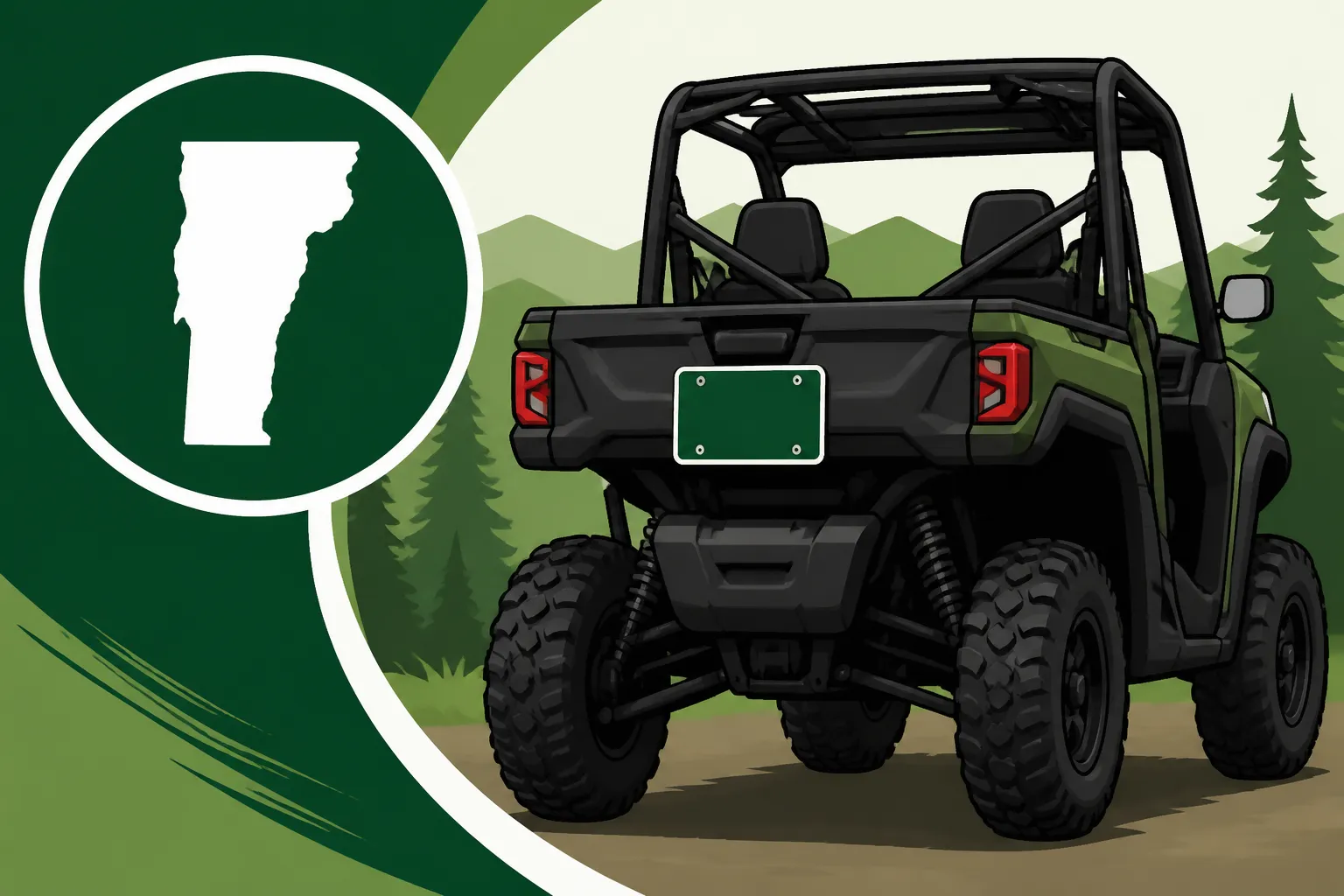
Vermont's statutes are pretty clear: if you're registering an ATV, that plate needs to be affixed to the rear. This isn't just a suggestion; it's a legal requirement designed for consistent visibility and easy identification. Imagine a warden trying to verify a machine coming towards them on a dusty trail – if the plate were on the front, it might be obscured by branches, mud, or even just the machine's own design. But on the rear, it's typically the most visible point as the machine moves away or is overtaken. This standard placement eliminates guesswork and ensures uniformity across all registered machines, making enforcement more straightforward. It's all about making sure that when you're out enjoying the Green Mountain State, your presence can be legally acknowledged with minimal fuss.
The Purpose of Your ATV Plate
Beyond identification, your Vermont ATV plate serves several crucial purposes. First and foremost, it signifies that your machine has been properly [How to Register an ATV in Vermont] with the state and that the necessary [Vermont ATV Registration Cost] has been paid. This means you've acknowledged your responsibilities as an ATV owner, including things like ensuring your machine meets certain definitions. For instance, Vermont has specific rules regarding [Vermont's 72-Inch, 2,500-Pound ATV Definition], and your plate implies compliance. It's a visual stamp of approval that your ATV isn't just a recreational vehicle, but a legally recognized one. It also ties your machine to your ownership records, which becomes incredibly important in situations like accidents, theft, or even just general inquiries from law enforcement. Without that plate, your machine is essentially invisible to the regulatory system, opening you up to significant fines and potential legal issues.
Getting Your Vermont ATV Plate: From Registration to Receipt
The journey to getting that physical plate on your ATV begins long before you ever think about drilling holes or zip-tying. It all starts with the registration process itself, which, for many, can feel like navigating a maze of paperwork and requirements. But understanding this process is key, as the plate is the tangible result of your efforts, a symbol of your machine's legal status on Vermont's trails and roads.
The Registration Paperwork Trail
Before you can even dream of mounting a plate, you need to ensure all your ducks are in a row for registration. This involves gathering specific documents, proving ownership, and making sure all forms are filled out correctly. For example, if you've purchased your ATV from a private seller, having a properly executed [Writing a Bill of Sale the Vermont DMV Accepts] is absolutely critical. This is where resources like LawDepot can be incredibly helpful. Using a service like LawDepot allows you to generate professional and legally sound documents, ensuring all the necessary details are captured for the DMV. It takes the guesswork out of creating these vital papers, giving you peace of mind that your proof of ownership will be accepted. Without accurate paperwork, your registration application could be delayed or even denied, meaning no plate for your machine. You'll want to consult the [Vermont Registration Paperwork Checklist] to ensure you haven't missed a single item.
Receiving and Understanding Your Plate
Once your registration application is processed and approved, the Vermont DMV will issue your official ATV plate. This isn't an instant process, so don't expect to walk out of the DMV with your plate in hand on the same day if you register by mail; it takes some processing time. When it arrives, you'll notice it's a standard-sized plate, similar to a motorcycle plate, and it will feature your unique registration number, along with "VT" and "ATV" or "ASV" (depending on your machine's classification). The plate is typically made of sturdy metal, designed to withstand the rigors of outdoor use, though proper care is still essential. It's important to understand that this plate is more than just a number; it's your permit to ride legally on designated routes and trails across the state, provided you also have your [Vermont TAD: The Trail Access Decal Explained]. Keep in mind that your registration usually runs for a specific period, often one or two years, so familiarize yourself with its expiration date to avoid riding with an expired plate.
The Ins and Outs of Securely Mounting Your Rear Plate
Mounting your ATV plate might seem like a straightforward task, but there's a real art to doing it correctly. It's not just about getting it on the machine; it's about ensuring it stays on, remains visible, and can withstand the bumps, mud, and vibrations that come with off-road riding in Vermont. A poorly mounted plate isn't just an inconvenience; it can lead to trouble with wardens and unnecessary fines.
Choosing the Right Mounting Location
While the law dictates "rear placement," there's still a little wiggle room depending on your machine's design. The ideal spot is typically on the rear fender, rear rack, or a dedicated bracket designed for plates. The key is to find a flat, stable surface where the plate will be clearly visible from behind, ideally away from the direct path of mud spray from your tires or exhaust heat. Avoid mounting it in a recessed area or where it could be easily bent by cargo or brush. Think about the sightlines for someone following you or a warden pulling up behind you. You want it high enough to clear most trail debris but low enough to be easily seen without excessive effort. If your machine came with pre-drilled holes or a specific area for a plate, that's usually your best bet, as manufacturers often design these areas with legal compliance in mind.
Techniques for Secure Attachment
Once you've identified the perfect spot, securing the plate properly is paramount. You'll typically need a [Mounting a Bracket That Meets the Rule] to ensure the plate is held firmly and visibly. Standard bolts, washers, and nuts are usually the go-to, but consider using lock washers or nylock nuts to prevent them from vibrating loose on rough terrain. Some riders opt for robust, aftermarket license plate brackets designed specifically for off-road vehicles, which often include extra reinforcement or even LED lights for nighttime visibility. Avoid using zip ties or thin wire as primary fasteners; while they might work in a pinch, they're prone to breaking, stretching, or allowing the plate to flap around, which can lead to damage or loss. If drilling into your fender is necessary, make sure to use appropriate bits and consider reinforcing the area around the holes to prevent cracks over time. The goal is to make it as stable and resilient as possible against the elements and the dynamic motion of your ATV.
Beyond the Rear: Local Ordinances and Front Plate Considerations
While Vermont state law is clear about the rear placement of your official ATV registration plate, there are specific local nuances that riders need to be aware of. Some towns, with their own unique ordinances, might have additional requirements, particularly concerning visibility in specific areas. It’s a classic Vermont scenario: think globally (state law), act locally (town rules).
Understanding Town-Specific Front Plate Requirements
Most of Vermont operates under the state's rear-plate-only rule. However, a handful of towns, notably Brighton, have taken the initiative to pass their own local ordinances requesting a front plate in addition to the state-mandated rear one. This is not about contradicting state law but rather supplementing it for local enforcement and identification. [Vermont Towns That Ask for a Front Plate] like Brighton often have extensive, interconnected trail systems that run through village centers or along specific town roads where increased visibility and identification might be deemed necessary. For riders planning to explore these areas, it's critical to check local regulations before heading out. Ignoring these local requests, while not a state violation, could still lead to a local ordinance ticket and unnecessary hassle with town officials.
Creating a Supplementary Front Plate
If you find yourself riding in a town like Brighton that requests a front plate, you won't be issued a second official DMV plate. Instead, riders typically create their own supplementary plate. This usually involves fabricating a durable plate—often from plastic, aluminum, or even a heavy-duty reflective sticker—that displays your official Vermont ATV registration number. The key is legibility and durability. You'll want to use large, clear numbers that are easy to read. Many riders purchase custom-made plastic plates online or at local sign shops that mimic the appearance of a state-issued plate but are specifically for front mounting. Remember, this front plate is a courtesy and a local requirement, not a replacement for your official rear plate. It's about helping local law enforcement identify you more easily while maintaining the spirit of community cooperation that makes Vermont riding so enjoyable.
Where to Mount Your Front Plate
Just like with the rear plate, visibility is paramount for a supplementary front plate. Common mounting locations include the front bumper, the upper portion of the front rack, or even affixed to the front plastics of the machine. The goal is a clear, unobstructed view from the front. Consider how mud, brush, or even your winch cable might obscure it. You'll want to ensure it's securely fastened to prevent it from rattling loose or getting torn off when hitting bumps or going through tight trails. Using robust bolts and washers, or heavy-duty industrial-strength adhesive for a more permanent stick, can help ensure your homemade plate stays put and serves its purpose throughout your ride.
Keeping Your Plate Visible and Legible on Vermont Trails
The most perfectly mounted plate is useless if it's covered in mud, ice, or obscured by cargo. Vermont's diverse terrain and weather conditions mean your ATV plate is constantly battling the elements. Ensuring it remains visible and legible isn't just good practice; it's a legal obligation that wardens and local police take seriously. After all, the whole point of having a plate is for identification, and if it can't be read, it defeats the purpose.
The Ever-Present Challenge of Mud and Debris
Anyone who rides ATVs in Vermont knows that mud is an almost constant companion, especially during spring and fall. A pristine plate can quickly become an unreadable blob after a few splashes through a muddy section. This is a common frustration for riders, but it's one you're expected to manage. Regularly stopping to wipe down your plate, especially after particularly messy sections, is crucial. Carry a small rag or a brush specifically for this purpose. Some riders even apply clear protective films or waxes to their plates to make mud and grime easier to clean off. Remember, a warden isn't going to accept "it got muddy" as an excuse for an unreadable plate. Ensuring [Keeping a Plate Readable in Mud] is part of responsible riding.
Preventing Obstruction and Damage
Beyond mud, your plate can be obscured or damaged in various ways. Be mindful of how you load cargo onto your rear rack; coolers, gear bags, or even a chainsaw could easily block the plate if not positioned carefully. If you use a storage box or bag, ensure it's mounted in a way that leaves the plate completely uncovered. Overhanging tarps or covers are also culprits. Furthermore, the vibrations and impacts of off-road riding can cause plates to bend, crack, or even fall off if not mounted robustly. Regularly inspect your plate for signs of fatigue, loose fasteners, or damage. If your plate gets bent, try to gently flatten it without damaging the numbers. If it's severely damaged or lost, you'll need to contact the Vermont DMV for a replacement plate to avoid issues on the trails.
Lighting for Night Riding
If you plan on riding your ATV after dark on designated routes or roads, your plate visibility takes on another dimension: lighting. While most ATVs have tail lights, the law often requires that your license plate itself be illuminated to be legible at night. Many aftermarket plate brackets come with small LED lights built-in for this very purpose. If yours doesn't, consider adding a small, waterproof LED light that shines directly onto the plate. This ensures that your registration number can be read clearly, even in low-light conditions. Riding after sunset without a properly illuminated plate can lead to a citation, as it significantly hinders law enforcement's ability to identify your machine.
Avoiding Pitfalls: Penalties for Plate Violations
It's easy to overlook something as seemingly minor as your ATV plate, but doing so in Vermont can lead to frustrating and costly penalties. Law enforcement, from state troopers to local wardens and town constables, are authorized to enforce these regulations, and they often do. Ignoring plate requirements isn't just about a potential fine; it can derail your entire riding day.
Fines for Improper or Missing Plates
The most immediate consequence of an improperly mounted, obscured, or missing ATV plate is a fine. While specific amounts can vary, these aren't typically "slap on the wrist" tickets. You might face a penalty for riding an unregistered machine if your plate is so damaged or obscured that it's unreadable, even if you paid your [The $45 One-Year Fee]. An expired plate can also lead to a ticket, sometimes carrying similar weight to riding unregistered. These fines are designed to encourage compliance, but they can quickly add up and put a damper on your recreational budget. Furthermore, repeated offenses could lead to more severe consequences, potentially including impoundment of your machine in extreme cases.
What Law Enforcement Looks For
When a warden or officer pulls you over or stops you on a trail, one of the first things they'll look for is your plate. They'll check its presence, its position, and its legibility. They're looking to confirm that it's mounted to the rear, not on the side or the front (unless it's a supplementary local plate, which they'll understand is in addition). They'll also verify that it's not bent, broken, or covered in so much mud that the numbers are unidentifiable. They'll also check your registration stickers for validity. Remember, when they ask to see your registration and proof of insurance, a clear and visible plate makes their job easier and your interaction smoother. An uncooperative or non-compliant plate often raises flags and can lead to a more thorough inspection of your machine and your paperwork. [What a Warden Can Ask to See] includes your plate and valid registration.
The Bigger Picture: Your Riding Privileges
Beyond the immediate fines, riding with plate violations can impact your overall riding privileges in Vermont. Consistent non-compliance might be seen as a disregard for the rules that keep the trail system open and safe for everyone. This can lead to increased scrutiny from law enforcement and, in some cases, might even impact your ability to register machines in the future. The ATV community in Vermont relies on responsible riders to maintain good relationships with landowners and the state; every time a rule is broken, it can make it harder for the collective. So, taking a few extra minutes to ensure your plate is properly mounted and visible isn't just about avoiding a ticket; it's about being a good steward of Vermont's incredible ATV resources and preserving access for all.
| Plate Issue | Common Cause | Potential Consequence | Prevention / Solution |
|---|---|---|---|
| Missing Plate | Fell off due to loose mounting, theft, damage | Fine for unregistered vehicle, impoundment | Secure mounting, regular checks, replace immediately |
| Obscured by Mud/Debris | Riding in wet conditions, lack of cleaning | Fine for unreadable plate | Carry rag, clean regularly, clear protective coating |
| Improperly Mounted | Not on rear, in recessed area, unstable | Fine for non-compliance, difficulty in identification | Follow state law, use dedicated bracket, stable surface |
| Expired Registration | Forgetting renewal date | Fine for expired plate | Set renewal reminders, check [Vermont Registration Valid One Year] |
| Obscured by Cargo | Overloaded rack, improperly secured items | Fine for unreadable plate | Position cargo carefully, ensure clear sightline |
| Damaged/Bent | Impact with obstacles, vibrations | Fine for unreadable plate, potential loss | Use durable bracket, inspect regularly, replace if needed |
| No Night Illumination | Riding after dark without proper lights | Fine for night riding violation | Install plate-specific LED lights |
Disclaimer
This article is for general informational purposes only and does not constitute professional advice. Laws, prices and regulations vary by location and change over time. Consult a qualified professional for guidance on your specific situation.