Vermont Towns With No ATV Access
It can be incredibly frustrating, can't it? You get your ATV or UTV all prepped for a fantastic ride in our beautiful Green Mountain State, you've got your registration and your Trail Access Decal, and then you start mapping out your adventure, only to hit a wall. You find yourself wondering, "Can I actually ride through that town, or this village?" The reality is, Vermont operates on a highly decentralized system when it comes to ATV access on town roads, meaning there isn't a simple, all-encompassing "no-go" list. This guide is here to shed some light on why certain Vermont towns don't have ATV access and how you, as a responsible rider, can figure out where you're welcome to roam.
Understanding Vermont's "Towns Decide" Approach to ATV Access
One of the most unique aspects of ATV and UTV riding in Vermont is that local control truly reigns supreme when it comes to designated routes on town roads. Unlike some states where a blanket state law might open or close certain types of roads, Vermont puts the power firmly in the hands of each town's selectboard. This means that access isn't assumed; it has to be actively and intentionally granted, year after year.
This local-first approach means that if a town hasn't gone through the process to open its roads, those roads remain closed to ATVs and UTVs. It’s not about finding a list of towns that prohibit riding, but rather understanding that unless a town has explicitly permitted it, the general rule of no recreational ATV use on public roads stands. This can feel like a maze if you're not familiar with how it works, but once you grasp the underlying principle, it becomes much clearer.
The Local Control Model and Its Implications
The selectboard in each Vermont town holds the ultimate authority for designating town roads as open to ATVs and UTVs. This isn't a one-and-done decision, either; these designations often need to be renewed annually, giving communities ongoing control over their local routes. Think of it like this: for a town road to be legally ridable by an ATV, the local selectboard must hold public hearings, discuss community input, and then officially vote to open specific sections of road. They literally have to put it on the books, often with specific conditions like speed limits or curfews.
What this means for riders is that the default status for any town road in Vermont is closed to ATVs and UTVs, unless there are clear, official signs indicating otherwise, or specific ordinances are published by the town. If a selectboard takes no action, or chooses not to designate any roads, then that town effectively has no ATV access on its public ways. This is why you'll often hear the phrase, "Towns decide," because they truly do. [Vermont Selectboards Open Roads Each Year] is a great resource to understand this process more deeply.
Why Some Towns Choose Not to Open Roads
The reasons why a town might decide not to open its roads to ATVs and UTVs are varied, but they often stem from common community concerns. Noise can be a big one, especially in more residential areas where folks value peace and quiet. Dust kicked up from dirt roads can also be a major point of contention for homeowners, leading to complaints about air quality and property cleanliness.
Safety is another significant factor. Residents might worry about increased traffic, interactions between ATVs and other vehicles, or the presence of machines on narrow, winding roads. Environmental impact, such as potential erosion on dirt roads or disturbances to wildlife, can also sway public opinion and selectboard decisions. Finally, there's the administrative burden and cost of enforcement. Towns need to consider how they will enforce speed limits, curfews, and other rules, which can require resources they might not have readily available. Many times, these concerns are voiced passionately during public hearings, influencing the selectboard's ultimate decision. [Vermont Town Meeting Votes on ATV Roads] often highlight these community dialogues.
Identifying Towns That Haven't Opened ATV Roads
Given Vermont's local control model, you won't find a single, comprehensive statewide list of towns that prohibit ATV access. That's because it's not about prohibition; it's about the absence of permission. If a town hasn't actively designated roads, they are simply not open. This can make planning a bit tricky, but there are definitely reliable ways to figure out where you can and cannot ride. Instead of looking for a "no-ride" list, you should always be looking for a "yes-ride" map or official designation.
The Vermont Association of Snow Travelers (VASA), through its extensive trail network, is often the best source for identifying legal riding opportunities. VASA works with clubs and landowners to establish designated trails, which frequently connect using town roads that have been opened by local selectboards. If a town isn't on a VASA map with designated routes, it's a strong indicator that its roads are not open for recreational ATV use.
The Absence of a Statewide "No-Ride" List
It’s important to internalize that the state of Vermont doesn't maintain a list of towns where ATVs are not allowed. This is a crucial distinction. Instead, the legal framework means that unless a town has a specific ordinance or resolution opening roads for ATV use, those roads are, by default, closed to recreational ATV traffic. This decentralized approach means riders bear the responsibility of knowing the local rules wherever they plan to ride.
Think of it like this: if you don't see official signs designating an ATV route, or if a town's local ordinances don't explicitly list roads open to ATVs, then you should assume those roads are off-limits. This is why official VASA trail maps and local club resources are so invaluable – they only show where access is permitted. Relying on guesswork or assuming "no sign means I can ride" can lead to serious legal trouble. You need to look for [Vermont Posted Routes and Their Signs] to confirm access.
Practical Steps to Check a Specific Town's Status
So, how do you actually find out if a specific town you're interested in riding through has opened its roads? It takes a bit of proactive research, but it's well worth the effort to ensure a legal and enjoyable ride.
- Check VASA Maps: The absolute first place to start is with the VASA trail system maps. These maps clearly outline designated ATV trails and the connecting town roads that have been approved for use. If a town isn't depicted on the VASA map as having connecting routes or trails, it's highly likely its roads are not open. This is your primary source for where you can ride. [Vermont ATV Trails: The VASA System] is the backbone of organized riding in the state.
- Contact the Town Clerk: For definitive answers about a specific town, reach out directly to the town clerk's office. They are the keepers of official town ordinances and resolutions. They can tell you if any roads have been designated for ATV use and, if so, under what conditions. You might even find this information posted on the town's official website.
- Local ATV Clubs: Joining or contacting local ATV clubs can also provide invaluable insights. These clubs often work directly with selectboards and landowners to establish and maintain trails, so they'll have the most current information about local access, including any recent changes or discussions regarding road openings.
- Look for Signs: As you approach a town, keep your eyes peeled for official ATV route signs. These signs, often posted at town lines or intersections, indicate designated ATV corridors. If you don't see them, it's a strong visual clue that you might not be in an ATV-friendly zone.
While there's no official "list" of closed towns, here's a general understanding of characteristics of towns less likely to open roads.
| Characteristic | Towns Less Likely to Open Roads |
|---|---|
| Population Density | Densely populated, suburban, urban areas like Burlington, Montpelier, or even larger villages that prioritize pedestrian and residential quiet. |
| Economic Drivers | Primarily retail, services, or residential communities not heavily reliant on outdoor recreation tourism. |
| Community Feedback | Strong, vocal concerns from residents about noise, dust, safety, or environmental impact, often dominating public hearings. |
| Geographic Context | No direct connection to established VASA trail systems; town roads primarily serve local traffic, commuters, or are throughways with higher speed limits. |
| Selectboard Stance | Cautious, conservative approach to new road designations, or a general focus on maintaining residential quiet and safety without perceived benefits from ATV tourism. |
| Existing Infrastructure | Roads may be narrow, heavily trafficked, or lack shoulders, making integration of ATVs challenging and potentially unsafe. |
Generally, towns that are more rural, part of the VASA trail network, and actively engaged with local ATV clubs are more likely to have designated routes. Major urban centers or densely populated suburban areas are far less likely to have recreational ATV access on their public roads.
Navigating Unopened Towns and Respecting Local Rules
So, you've done your research, checked the maps, and confirmed that a certain town doesn't have open ATV roads. What now? It means adjusting your route, pure and simple. Respecting these local designations is not just about avoiding a ticket; it's about being a responsible rider and a good neighbor. The future of ATV access in Vermont depends heavily on how riders conduct themselves today. Ignoring local rules can quickly erode the trust that local communities and landowners have placed in the riding community, potentially leading to closures even in areas that are currently open.
Planning your rides meticulously is key. Don't just hop on your machine and hope for the best. Vermont offers incredible riding experiences on designated trails and roads, but you have to know where those are. This includes understanding [Vermont ATV Road Rules: Towns Decide] and adhering to them strictly.
Penalties and Enforcement for Unpermitted Riding
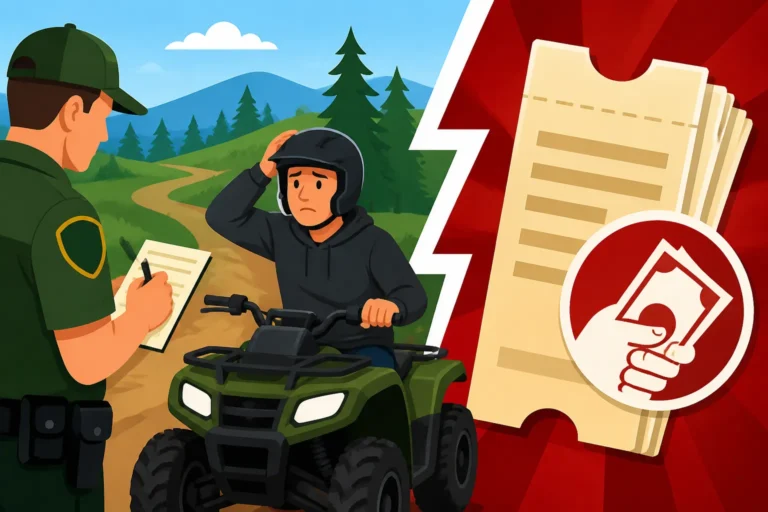
Riding an ATV or UTV on a town road that hasn't been officially designated for such use can lead to serious consequences. These aren't just minor slaps on the wrist; they can be costly and inconvenient. Fines for riding where not permitted can quickly add up, and in some cases, your machine could even be impounded. Imagine having your weekend cut short, facing a hefty fine, and then having to arrange to retrieve your ATV from an impound lot – it's a scenario no rider wants to face.
Enforcement typically falls to a combination of authorities, including Vermont State Police, local town constables or police departments, and even Fish & Wildlife wardens, especially if you're on land where you shouldn't be. These officers are familiar with the local ordinances and the state's ATV laws. They're out there, and they're serious about protecting public safety and private property. Being prepared, like having good quality parts for your machine that stand up to varied terrain on authorized trails, is one thing, but venturing onto unauthorized roads is simply not worth the risk. For example, ensuring your machine has robust components, perhaps from a brand like SuperATV, is excellent for navigating the approved rugged trails, but it won't prevent a penalty if you're riding where you shouldn't be. [Vermont Fines for Road Violations] can give you a clearer picture of potential costs.
Planning Your Ride to Avoid Issues
Avoiding unintended encounters with law enforcement or upset residents is entirely within your control through careful planning.
- Always Consult Current VASA Maps: Before every ride, get the latest VASA trail maps. These are regularly updated and show exactly which trails and town roads are open. Many clubs even have online maps or apps that you can use on your phone (just be mindful of cell dead zones in some rural areas!).
- Check Town Websites: If you plan to pass through a specific town not explicitly on a VASA corridor, take a few minutes to check that town's official website for their ATV ordinances. Some towns might have limited, specific access that isn't part of a larger VASA route.
- Confirm Private Land Permission: Remember that many VASA trails cross private land. While your [Vermont TAD] covers your membership dues to VASA and local clubs (which facilitates these permissions), always respect posted signs and never venture off marked trails onto private property without explicit permission. [Vermont Landowner Permission Rules] are critical for maintaining the trail system.
- Equip Your Machine Wisely: Even on designated roads and trails, Vermont terrain can be rugged. Investing in quality protective gear for your machine, like heavy-duty skid plates or A-arm guards from a reputable brand like SuperATV, can prevent costly damage if you hit an unexpected rock or rut on an approved route. This proactive maintenance helps ensure your machine is ready for whatever legal trails throw at it, making your ride safer and more enjoyable, whether you’re on an old logging road or a maintained corridor.
- Know Before You Go: Don't rely on word-of-mouth or outdated information. A quick check of official sources will save you a lot of grief.
The Impact on Local Riding Opportunities and the Future
The decentralized nature of ATV road access in Vermont means that the landscape of riding opportunities is constantly evolving. What was open last year might be closed this year, and vice versa. This dynamic environment places a high value on responsible riding and active community engagement. The choices made by selectboards today are often a direct reflection of local sentiment and the experiences residents have had with riders.
The future of ATV and UTV access on Vermont's town roads isn't set in stone. It's a conversation that continues in town halls and among neighbors across the state. Your actions, and the actions of the entire riding community, play a significant role in shaping this future.
Community Dialogue and Future Access
Local selectboards are highly responsive to their constituents. When discussions about ATV access come up, they listen to both proponents and opponents. If a community voices overwhelming concerns about noise, dust, safety, or environmental impact, a selectboard is much less likely to open roads, or might even choose to close existing routes. Conversely, if local ATV clubs demonstrate strong organization, responsible riding practices, and a willingness to address community concerns, they might gain support for opening new routes or maintaining existing ones.
This is why participating in local town meetings, supporting your local ATV club, and advocating for responsible riding are so important. [Vermont Petitions to Open a Road] and [Vermont Petitions to Close a Road] are real mechanisms through which citizens can influence these decisions. Showing up, being respectful, and demonstrating the positive economic and recreational benefits of ATV tourism can make a real difference.
Supporting Responsible Riding to Expand Opportunities
The best way to ensure and expand ATV access in Vermont is to consistently demonstrate responsible riding behavior. Every time you ride respectfully, adhere to posted rules, and clean up after yourself, you're building goodwill in the community. Conversely, every instance of excessive noise, speeding, trespassing, or littering undermines the hard work of clubs and advocates.
This means:
- Staying on Designated Trails and Roads: Never create your own path.
- Respecting Speed Limits and Curfews: These are often in place for good reason.
- Minimizing Noise: Especially when passing residential areas.
- Leaving No Trace: Pack out everything you pack in.
- Supporting Local Clubs: Volunteering for [Vermont Club Volunteer Work Days] helps maintain trails and build community relationships.
- Being a Good Ambassador: Wave to residents, be polite, and show that ATV riders are responsible members of the community.
By taking these steps, riders can help foster a positive perception of ATV and UTV use, making it more likely that towns will consider opening roads in the future, rather than closing them off. The more towns that see the benefits and experience responsible riders, the more opportunities we'll all have to explore Vermont's beautiful landscapes on four wheels.
Disclaimer
This article is for general informational purposes only and does not constitute professional advice. Laws, prices and regulations vary by location and change over time. Consult a qualified professional for guidance on your specific situation.