Vermont Rules for Riding With a Dog
If you're like many of us who love hitting the Vermont trails or cruising a dirt road on an ATV or UTV, you probably consider your dog a cherished family member and a loyal adventure companion. The thought of bringing your furry friend along for the ride might fill you with joy, but it also naturally brings up a lot of questions about safety, comfort, and, most importantly, the rules. It can be incredibly frustrating to want to share these experiences with your dog but feel unsure about how to do it properly without running into issues with the law or, worse, compromising your dog's well-being. This guide aims to clear up that confusion, offering a realistic look at Vermont's approach to riding with dogs on ATVs and UTVs, focusing on what's legal, safe, and considerate for everyone involved.
Understanding Vermont's Stance on Pets and ATVs
It's easy to assume there'd be a specific rule book detailing exactly how Fido should ride on your quad, but the reality is a bit more nuanced. Vermont's ATV laws primarily focus on vehicle registration, operator requirements, and where you can ride. When it comes to pets, the state's approach is more about general animal control and responsible pet ownership than specific off-road vehicle regulations. This can feel like a gray area, leaving many riders scratching their heads.
No Specific ATV-Dog Laws, But General Rules Apply
You won't find a line in the Vermont statutes that explicitly says, "No dogs on ATVs" or "Dogs must wear goggles on a side-by-side." The Vermont Department of Motor Vehicles (DMV), which handles [Registering an ATV With the Vermont DMV], and other state agencies don't have particular laws governing animal transport on off-road vehicles. This means there isn't a statewide blanket rule that dictates how your dog must be secured or even if they're allowed at all on an ATV or UTV.
However, this absence of specific ATV-dog laws doesn't grant you a free pass to ignore common sense or other existing regulations. What does apply are broader animal control laws, public safety considerations, and, crucially, the rules of the land you're riding on. Think of it less as a list of "dos and don'ts" for your ATV and more as applying your everyday responsibilities as a pet owner to a new environment. For instance, if your town has a leash law, that law doesn't magically disappear just because you're off-roading. Similarly, if your dog is prone to jumping out of vehicles or barking excessively, those behaviors remain concerns, regardless of the type of vehicle.
Town Ordinances and Leash Laws: A Patchwork of Rules
While state law might be quiet on the matter, local town ordinances can be anything but. Vermont is known for its strong tradition of local governance, and this extends to how towns manage public spaces and animal control. What might be perfectly acceptable in one rural town could be a violation in a more densely populated village. Before you head out, especially if you plan to ride on designated town roads or public access areas, it's vital to check the specific ordinances of that locality.
Many towns have leash laws, particularly in village centers, parks, or designated recreation areas. These laws typically require dogs to be on a leash and under the immediate control of their owner when off their own property. Riding with your dog loose in the bed of a UTV or on the rack of an ATV through a town where a leash law is enforced could lead to a fine or, at the very least, an unhappy encounter with a local law enforcement officer. Even in areas without strict leash laws, the expectation of responsible pet ownership, preventing your dog from becoming a nuisance or a danger, is paramount. [Vermont ATV Road Rules by Town] often include provisions for how ATVs themselves can operate, and while they might not mention dogs, they do reflect a community's standards for public conduct. Ignorance of local rules is rarely an excuse, so a quick call to the town clerk or a look at the town's website before your ride can save you a lot of trouble.
Landowner Permission and Good Neighbor Etiquette
The vast majority of Vermont's ATV trails, particularly those managed by the VASA (Vermont ATV Sportsman's Association) system, traverse private land through permission agreements with landowners. This is a crucial point for riders, as [Vermont Landowner Permission Holds the System Together]. When you ride on these trails, you are a guest, and adhering to landowner wishes is non-negotiable. While a landowner might grant permission for ATV access, they might have specific stipulations about pets. Some landowners might welcome well-behaved dogs, while others might prefer no pets on their property due to livestock, wildlife concerns, or simply personal preference.
It's not uncommon for landowners to explicitly state "no pets" or "pets on leash only" as a condition of trail access. These rules are usually posted at trailheads, on VASA trail maps, or communicated through local clubs. Disregarding these requests not only puts you at risk of a penalty but also jeopardizes the entire trail system. A single incident of a dog chasing livestock, disturbing wildlife, or leaving a mess can lead a landowner to revoke trail access for everyone. Always check with the local ATV club or trail signage for any specific rules regarding pets on private land. Even on public lands, such as state forests or wildlife management areas, there might be regulations about pets, especially during nesting seasons or in sensitive habitats. Being a good neighbor and a responsible visitor ensures that these valuable riding opportunities remain open for all.
Prioritizing Your Dog's Safety and Comfort on the Trail
Beyond the rules, your dog's safety and comfort should always be the top priority. An ATV or UTV ride, while exhilarating for us, can be a stressful or even dangerous experience for a pet if not properly managed. The noise, vibrations, changing terrain, and potential for sudden stops or bumps all need to be carefully considered. It's not just about getting from point A to point B; it's about ensuring your furry co-pilot enjoys the journey as much as you do and stays safe every mile of the way.
Secure Transport: Crate, Carrier, or Harness?
One of the biggest questions is how to keep your dog secure. Letting your dog roam free in the bed of a UTV or sit unsecured on an ATV is incredibly risky. A sudden bump, turn, or stop could eject them from the vehicle, leading to serious injury or even death. Moreover, a loose dog could distract the driver, creating a dangerous situation for everyone.
For UTVs, a secure crate or a specially designed pet carrier that can be safely strapped down in the cargo area is often the best option. Look for carriers made of durable materials that can withstand the rigors of off-road travel. Some riders even build custom enclosures within their UTV beds, adding soft bedding and proper ventilation. Companies like SuperATV offer robust cargo solutions and bed enclosures that, while not specifically for pets, can be adapted with proper planning and additional security measures to create a safe space for a dog crate. The key is that the carrier itself is secured to the vehicle so it won't shift, tip, or fall out.
For ATVs, transporting a dog is more challenging due to the lack of enclosed space. Small dogs might fit in a specially designed, secured carrier that mounts to a front or rear rack, but this is generally not recommended for larger breeds or for long, bumpy rides. The dog would be exposed to dust, debris, and the elements, and the risk of injury is significantly higher. If you're on an ATV, it's often better to leave your dog at home or opt for a UTV where a more secure and comfortable setup is possible. Whatever method you choose, ensure your dog can't jump out, get tangled, or be otherwise harmed by the vehicle's movement.
Protecting Paws, Eyes, and Ears
The trail environment presents unique hazards for your dog.
Dust, mud, rocks, and debris kicked up by your machine or other riders can easily injure sensitive paws and eyes. Just as you wear protective gear, your dog might need some too. Dog boots can protect paws from sharp rocks, hot surfaces, or abrasive terrain, especially if you're riding over varied ground or for extended periods.
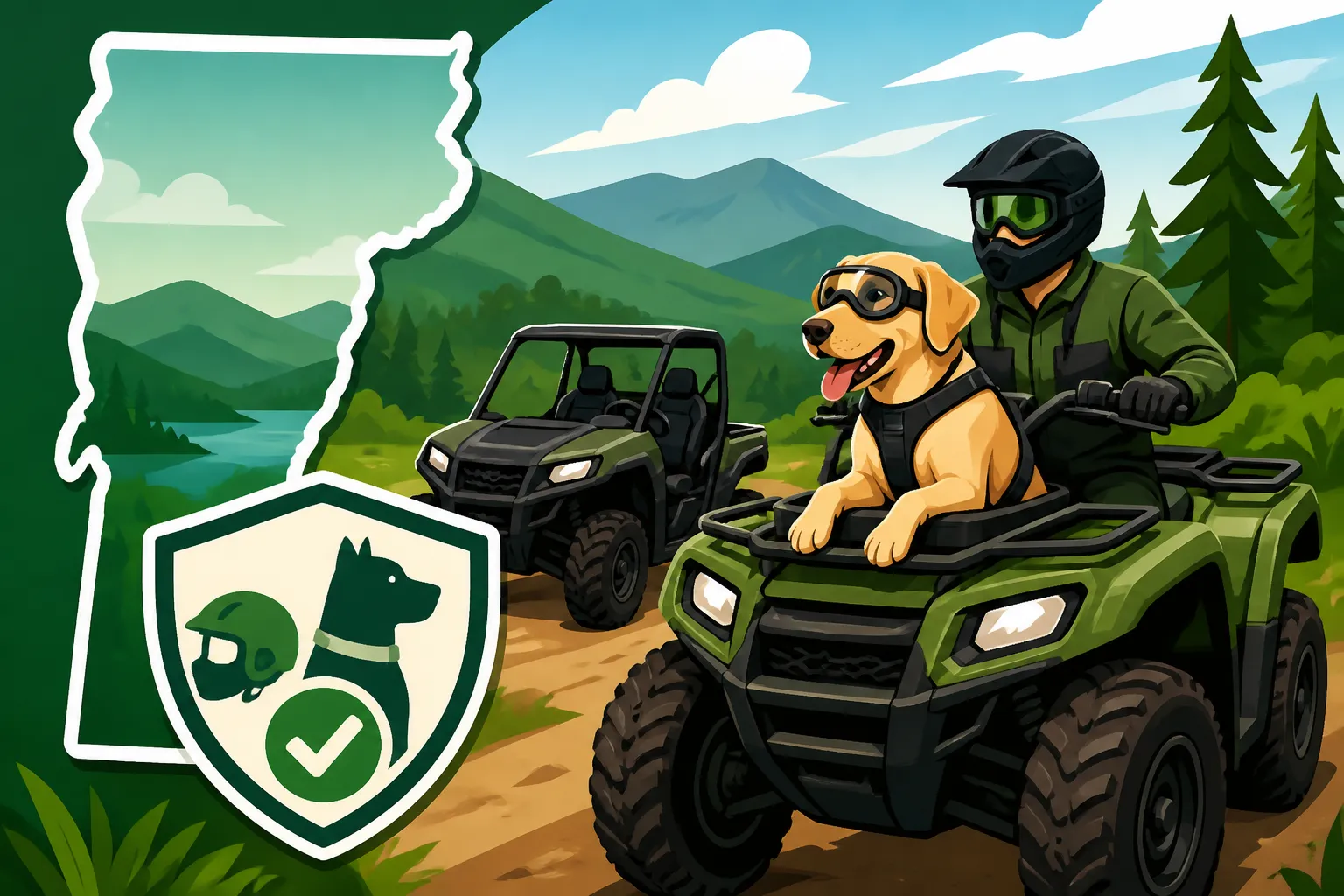
Eye protection, like dog goggles (yes, they exist!), is highly recommended, particularly for UTVs where dust and debris are common. A veterinarian can offer advice on suitable eye protection. Similarly, the continuous noise of the engine, especially at higher speeds, can be damaging to a dog's sensitive hearing over time. While not always practical, some owners use dog-specific ear protection, particularly for long rides or very noisy machines. If your dog shows signs of discomfort or distress from the noise, it's a clear sign that the environment might be too harsh for them. Remember, these machines are loud for humans; imagine how they sound to a dog with much more acute hearing.
Hydration, Breaks, and Temperature Management
Long rides, especially on warm Vermont days, can quickly lead to dehydration and overheating for your dog. Just like you need water and breaks, your dog needs them even more frequently. Always carry plenty of fresh water and a collapsible bowl. Offer water at every stop, and don't assume your dog will let you know when they're thirsty. Dogs often push themselves harder than they should.
Pay close attention to the weather. If it's hot, consider riding during cooler parts of the day or shortening your trip. A dog in a carrier in the back of a UTV, even with ventilation, can quickly overheat, especially if they are black-furred or have a thick coat. Conversely, in cooler weather, ensure your dog has adequate protection from the cold and wind. A warm blanket or a dog coat might be necessary. Plan regular breaks not just for water, but also for your dog to stretch their legs, relieve themselves, and simply get a break from the vibrations and noise of the machine. These breaks are also an excellent opportunity to check your dog for any injuries, ticks, or burrs they might have picked up.
Essential Gear and Preparations for Riding with Your Canine Companion
Getting ready to hit the trails with your dog isn't just about loading them up. It requires thoughtful preparation and the right gear to ensure their safety and your peace of mind. Investing in quality equipment and taking the time to acclimate your dog to the experience can make all the difference between a stressful outing and a joyful adventure.
Choosing the Right Pet Carrier or Restraint
Selecting the appropriate carrier or restraint is paramount. For UTVs, you'll want a sturdy, well-ventilated crate or pet carrier that can be securely fastened to the cargo bed or passenger area. Many riders opt for heavy-duty plastic or metal crates. Ensure the crate is large enough for your dog to stand up, turn around, and lie down comfortably, but not so large that they can be jostled excessively during the ride. Look for tie-down points on the carrier itself, and use ratchet straps or heavy-duty bungee cords to firmly secure it to the UTV.
For smaller dogs that might ride in the passenger seat of a UTV, a booster seat style carrier with an internal harness attachment can work, provided it is also secured to the vehicle's seat. Never rely solely on a dog seatbelt or harness that attaches only to the dog's collar; in a sudden stop or impact, this can cause severe neck injury. Always use a harness that distributes pressure across the chest. Some aftermarket UTV accessories, like specific bed liners or cargo organizers from brands such as SuperATV, can provide a more stable base for a carrier, though you'll still need to add your own strapping. Consider how easily the carrier can be cleaned, as trail riding often means mud and dust.
Here's a quick comparison of common pet transport options for UTVs:
| Transport Method | Pros | Cons | Best For |
|---|---|---|---|
| Hard-Sided Crate | Very protective, easy to secure, durable | Can be bulky, less ventilation without modifications | Medium to large dogs, frequent riders |
| Soft-Sided Carrier | Lighter, collapsible, more flexible | Less impact protection, harder to secure firmly | Small dogs, occasional, less aggressive trails |
| Pet Car Seat/Booster | Dog can see out, often includes harness | Limited to small dogs, requires seat attachment points | Very small dogs, paved/smooth dirt roads |
| Custom Bed Enclosure | Tailored fit, good protection | Expensive, requires DIY skills, semi-permanent | Any size dog, serious enthusiasts |
| Pet-Specific Seat | Designed for comfort & safety, harnessed | Limited availability for UTVs, may not fit all models | Small to medium dogs, dedicated pet riders |
First Aid and Emergency Planning
Just as you pack a first aid kit for yourself, a pet-specific first aid kit is non-negotiable when riding with your dog. This kit should include items like antiseptic wipes, gauze, veterinary-approved wound spray, tweezers for splinters or ticks, paw balm, and any specific medications your dog requires. It's also wise to carry a blanket or towel that can be used as a makeshift stretcher if your dog becomes injured and needs to be moved carefully.
Before you head out, identify the nearest veterinary emergency clinic to your riding area. Cell service can be spotty in many parts of Vermont, especially in the more remote regions like the Northeast Kingdom, so having physical maps or downloaded offline maps with vet locations is crucial. [Vermont Riding Near the Quebec Border] or in heavily wooded areas means you might be far from immediate help. Make sure your dog wears identification tags with your current contact information, and consider a GPS tracker for their collar, especially if they are prone to wandering or could get spooked and run off. A current photo of your dog on your phone can also be invaluable if they get lost.
The Importance of Training and Acclimation
Not every dog is cut out for ATV or UTV riding, and that's okay. Some dogs simply don't enjoy the noise, movement, or confinement. Before embarking on a long trail ride, you need to properly acclimate your dog to the experience. Start slowly. Let your dog get used to the ATV or UTV while it's turned off, allowing them to sniff around and even sit in the carrier or vehicle. Then, introduce short periods with the engine idling, followed by very short, slow rides on flat, smooth terrain. Observe your dog's reactions closely.
Look for signs of stress: excessive panting, drooling, whining, shaking, or trying to escape. If your dog shows persistent anxiety or discomfort, it might be best to leave them at home. Positive reinforcement, with treats and praise, can help build a positive association with the vehicle. Ensure your dog is comfortable with the carrier you've chosen before introducing the motion of the ride. A well-trained dog that understands commands like "stay" and "settle" will be much easier to manage and safer to ride with. Remember, the goal is to enhance your adventure, not to create a stressful or dangerous situation for your beloved companion.
Disclaimer
This article is for general informational purposes only and does not constitute professional advice. Laws, prices and regulations vary by location and change over time. Consult a qualified professional for guidance on your specific situation.