Customs Rules on a Border Trail
Riding the incredible ATV and UTV trails here in Vermont, especially those that meander close to our northern border, can feel like you're worlds away from everyday worries. But if your adventure is taking you across the line into Quebec, or you're planning to come back that way, you might find yourself scratching your head about what paperwork you need and what you can actually bring across. It's not like crossing into New Hampshire! This comprehensive guide is here to clear up the confusion, walking you through the customs rules for ATV and UTV riders using these unique border trails, so your ride stays smooth and legal.
Understanding Why Border Trails Have Unique Rules
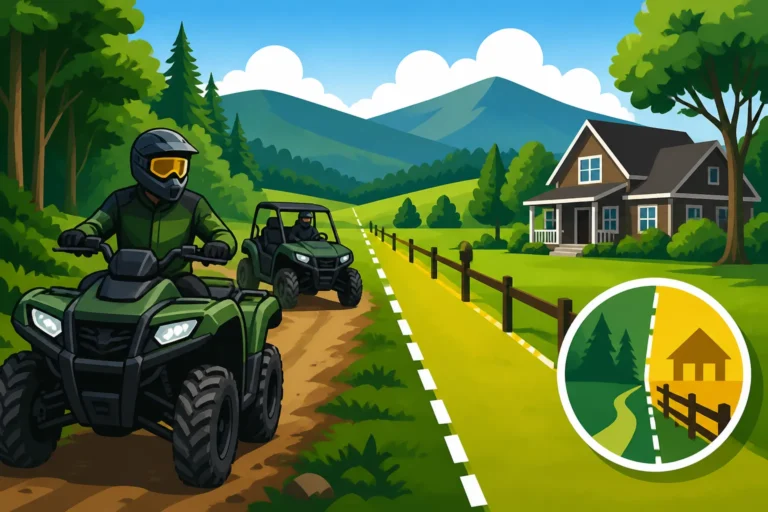
It's easy to think of border trails as just another stretch of scenic path, especially when they connect communities that have shared a close relationship for centuries. But the moment you cross that invisible line, you're not just moving from one state to another; you're entering a different country. This brings a whole new set of regulations into play, enforced by federal agencies that are focused on international security and trade, not just local trail etiquette.
The Difference Between State and International Borders
When you ride from Vermont into New York, you might not even notice the change, beyond maybe a sign welcoming you to the Empire State. There are no customs booths, no questions about what you're carrying, and certainly no need for a passport. However, the border with Canada is a different story entirely. Even if you're on a remote ATV trail that seems to just fade into the wilderness, you are still crossing an international boundary. Both the U.S. Customs and Border Protection (CBP) and the Canada Border Services Agency (CBSA) maintain strict controls, and ignorance of the rules is never an excuse. These aren't just minor bureaucratic hurdles; they are in place for national security, public safety, and economic reasons, affecting everything from agricultural imports to preventing the flow of illicit goods.
Why ATV/UTV Riders Need Special Awareness
For ATV and UTV riders, this international aspect adds layers of complexity that car drivers might not encounter. Your machine itself is considered an "item" being imported or exported, and it needs proper documentation to prove ownership and legal registration. Beyond the machine, think about what you typically carry on a day trip: snacks, drinks, maybe spare parts, tools, and personal effects. Many of these common items can become a problem if they're not declared or if they're prohibited across the border. For example, bringing certain types of food, alcohol, or even specific firearm parts could land you in serious trouble. It's crucial to remember that you're not just a person crossing; you're often transporting a vehicle and various goods that fall under customs regulations. Your [Vermont Registration Paperwork Checklist] for your machine is just the start; personal identification is equally vital.
Crossing from Vermont into Quebec on an ATV/UTV Trail
Venturing north into Quebec on your ATV or UTV can be an incredible experience, offering new landscapes and trail systems. But before you point your machine across the border, you need to ensure both you and your vehicle are properly prepared for Canadian customs. Think of it as preparing for an expedition, not just a casual ride.
Essential Documents for You and Your Machine
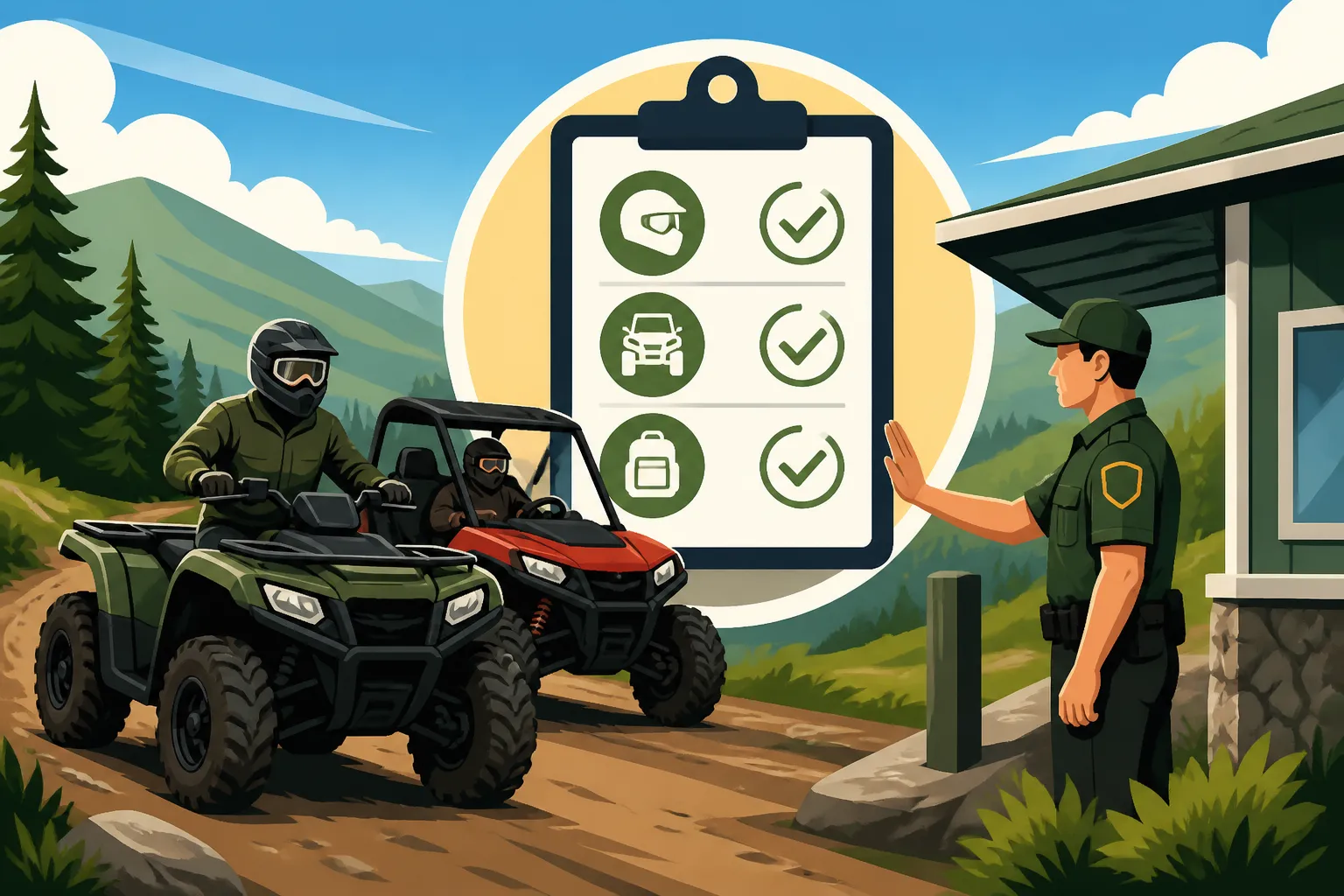
This is perhaps the most critical part of your preparation. You absolutely cannot just ride across without the correct identification and vehicle papers. For yourself, a valid passport is always the most recommended form of identification for international travel. While an Enhanced Driver's License (EDL) from certain U.S. states (including Vermont) or a NEXUS card can also be used to enter Canada by land, a passport offers the fewest potential headaches. Make sure it's current and hasn't expired.
For your ATV or UTV, you'll need:
- Proof of Ownership: This could be your vehicle's registration certificate (your current Vermont registration is essential) or the title. Keep the originals in a waterproof bag on your person, not just stashed on the machine, in case you get separated from it.
- Proof of Insurance: Canadian law requires liability insurance, and your U.S. policy should cover you in Canada. It's wise to carry proof of this coverage, sometimes called a "non-resident inter-province motor vehicle liability insurance card" or simply your standard insurance card with a letter from your insurer confirming Canadian coverage. You might even consider reaching out to your insurance provider to confirm your coverage and get any specific forms or letters they recommend, especially if you just went through [Vermont Insuring a Machine Right After Purchase].
- Proof of Compliance: Ensure your machine meets Canadian safety standards, although for personal use and short visits, this is usually less of an issue than for permanent import. However, you'll want to be able to show that your machine is legally registered in Vermont, especially if you bought it out of state – refer to [Vermont Registration for a Machine Bought Out of State] if that applies to you.
Remember, Canadian authorities are serious about their borders. Having all your ducks in a row ensures a quick and pleasant experience. Don't forget that [Vermont Reciprocity With Quebec] doesn't mean you can skip the customs process; it just means your Vermont registration is recognized.
Declaring Goods and Avoiding Prohibited Items
When you arrive at the Canadian border post, you'll need to declare everything you're bringing into the country. This isn't just about large purchases; it includes everything in your pockets, backpack, and on your machine. Being honest and thorough is key.
Here are some common items to be aware of:
- Alcohol and Tobacco: Canada has strict limits on how much alcohol and tobacco you can bring in duty-free. Exceeding these limits means you'll pay duties and taxes. Be very precise about quantities.
- Firearms and Weapons: This is a huge one. Canada has very different firearm laws than the U.S. Many types of firearms that are legal in Vermont are prohibited in Canada. Even if they are permitted, you must declare them and follow strict import procedures. It's generally best advice to leave firearms at home if you plan to cross the border on an ATV trip. For specific U.S. rules about what you can carry, check out [Vermont Rules for Carrying a Firearm].
- Cannabis: While legal in some parts of the U.S. and Canada, crossing the international border with cannabis in any form is strictly prohibited and can lead to severe penalties. Do not attempt it.
- Food, Plants, and Animal Products: Agricultural products can carry pests or diseases. Be prepared to declare all food items. Fresh fruits, vegetables, meat, dairy, and even honey can be restricted or prohibited. It's often safer to buy these items once you're in Canada.
- Cash: You must declare any currency or monetary instruments valued at CAN$10,000 or more that you are bringing into or taking out of Canada.
Customs officers might ask about any modifications to your ATV or UTV. If you've outfitted your machine with aftermarket parts, like a robust skid plate or a heavy-duty winch from a brand like SuperATV, be ready to explain what they are.
Practical Tips for a Smooth Entry
Beyond documents and declarations, a few practical considerations can make your border crossing smoother:
- Stop at the Border Post: This might seem obvious, but on a remote trail, you might not see a huge, official-looking building. Look for clear signage indicating a border crossing. You must stop and present yourself to a customs officer. Do not try to bypass it, even if you don't see anyone immediately.
- Be Honest and Prepared for Questions: Customs officers are trained to detect deception. Answer all questions truthfully and directly. They might ask about your destination, the purpose of your trip, how long you plan to stay, and what you're bringing with you.
- Know the Hours of Operation: Some smaller border crossings, especially those on less-traveled routes that ATV trails might access, may not be open 24/7. Check the operating hours for your intended crossing point before you go. Getting stuck at a closed border station in a remote area is not a fun way to end your ride.
- Keep Your Machine Tidy: While not a strict rule, a clean ATV/UTV free of excessive mud or plant debris can make the agricultural inspection process quicker. A machine caked in Vermont mud might raise questions about potential contaminants.
Returning to Vermont from Quebec on an ATV/UTV Trail
After a fantastic ride through Quebec, it's time to head back home to Vermont. Just like entering Canada, re-entering the United States requires adherence to U.S. customs regulations. The process is similar, but the specific rules for what you can bring back differ.
Documents and Declarations for Re-Entry
When you approach the U.S. Customs and Border Protection (CBP) station, you'll need to have your documents ready again.
- Personal Identification: Your passport or EDL is essential for U.S. citizens and permanent residents. Non-U.S. citizens will need their appropriate travel documents.
- Vehicle Documents: Your ATV/UTV registration and proof of insurance are still vital. Make sure your [Customs Paperwork for a Machine] is easily accessible.
- Declaration: You are required to declare everything you acquired in Canada. This includes any purchases, gifts, or repairs. Even if you only bought a souvenir t-shirt or had a small repair done to your SuperATV winch, declare it. Be honest; undeclared goods can lead to fines, seizure of items, or even more serious legal trouble. If you made a significant purchase, you might be liable for [Vermont Purchase and Use Tax on an ATV] upon re-registration, although this is usually for permanent import.
Rules on Bringing Items Back into the US
The U.S. has its own set of rules regarding what you can bring back from Canada, especially concerning duty-free exemptions and restricted items.
- Duty-Free Exemptions: As a U.S. resident, you generally have an exemption for a certain value of goods if you've been in Canada for at least 48 hours. This amount can change, so it's always best to check current CBP guidelines. If you're only gone for a short day trip, your exemption might be much lower or non-existent, meaning you might pay duty on everything.
- Alcohol and Tobacco: Similar to Canada, there are limits on how much you can bring back into the U.S. duty-free. Know these limits and declare accurately.
- Food, Plants, and Animal Products: The U.S. Department of Agriculture (USDA) has very strict rules to prevent the introduction of foreign pests and diseases. Most fresh fruits, vegetables, meat, and dairy products are prohibited or restricted. Cooked items might be allowed, but it's often safer to consume these items in Canada or avoid bringing them back entirely.
- Firearms and Ammunition: Importing firearms into the U.S. requires specific documentation and adherence to federal regulations, even if you originally took them from the U.S. to Canada. It's a complex process, and without proper pre-approval, you could face severe penalties.
- Prescription Medications: Only bring back what you need for personal use and ensure it's in its original container with the prescription label.
- Counterfeit Goods: It's illegal to bring counterfeit goods into the U.S. – often found at bargain prices, these items can be seized, and you could face fines.
If you've upgraded your machine with new tires or other parts while in Quebec, like a new set of SuperATV portal gears, you'll need to declare these as well.
Navigating the US Customs and Border Protection Process
Patience and cooperation are your best tools when re-entering the U.S.
- Be Ready for Inspection: Your ATV or UTV, and any gear you're carrying, may be subject to inspection. Customs officers might ask you to open compartments, bags, or even remove items from your machine.
- Consequences of Not Declaring: The penalties for failing to declare goods can range from fines and seizure of the undeclared items to seizure of your ATV/UTV itself, and even criminal charges. It's simply not worth the risk.
- Stay Calm and Cooperative: Answer all questions respectfully. Customs officers are doing their job to protect the border. Your calm demeanor can help ensure a quick and smooth process.
Common Pitfalls and Best Practices for Border Trail Riding
Even seasoned riders can sometimes overlook details when it comes to international border crossings. Knowing the common traps and adopting some best practices can save you a lot of grief and ensure your border trail adventure is memorable for all the right reasons.
Understanding Unmanned Crossing Points
Vermont's border with Quebec can feel quite remote in places, with trails that seem to just continue without an obvious customs presence. This leads some riders to mistakenly believe they can "just ride through" at these unmanned points. This is a critical and dangerous misconception. Every crossing point, whether it's a bustling interstate highway or a quiet forest trail, is an official port of entry.
Attempting to bypass a staffed customs office, or not presenting yourself to an officer at designated but sometimes less obvious points, is considered smuggling or illegal entry. You are legally obligated to report your arrival to customs authorities. In some remote areas, there might be signs with instructions on how to report your arrival via phone or a designated reporting station. Always look for these signs, and if in doubt, err on the side of caution and find the nearest official crossing. Riding unregistered on some roads near the border can also lead to issues, so ensure your [Vermont ATV Plate Visibility on the Road] is clear.
Staying Informed and Prepared
The rules can and do change. What was permissible last year might not be this year.
- Check Official Government Websites: Before every trip, consult the official websites of the U.S. Customs and Border Protection (CBP) and the Canada Border Services Agency (CBSA). These are the definitive sources for current regulations, duty-free limits, and prohibited items.
- Keep Documents Waterproofed and Accessible: Riding an ATV or UTV means exposure to the elements. Invest in a durable, waterproof pouch for all your essential documents (passport, registration, insurance). Keep this pouch on your person, not just in a storage box on your machine. Imagine if your machine became disabled or you had to leave it behind; you'd want your documents with you.
- Prepare Your Machine: Ensure your VIN is easily accessible and readable for inspection. If you've modified your machine with things like a full SuperATV UTV windshield or a robust roll cage, ensure these don't impede visibility of necessary identification points or raise any safety flags. Make sure your lights are working, especially if you might be delayed and riding after dark, as specified in [Vermont Lights Required After Dark].
- Plan Your Route: Know exactly where the official border crossing points are on your chosen trail. Some trails might run parallel to the border for miles before reaching an actual crossing. Be aware of where you are at all times using GPS or a reliable map.
- Local Ordinances: Remember that even close to the border, local town ordinances regarding ATV access on roads still apply. Consult [Vermont ATV Road Rules: Towns Decide] for details on specific areas.
What to Do if You Encounter an Issue
Even with the best preparation, sometimes things go awry.
- Remain Calm and Cooperate: If a customs officer questions something, or if you've accidentally brought a prohibited item, remain calm. Panicking or becoming argumentative will only escalate the situation.
- Be Honest: Explain the situation honestly. If it was an accidental oversight, admit it. Customs officers appreciate honesty, even when a mistake has been made.
- Understand Potential Consequences: Be prepared for potential fines, confiscation of items, or even more severe penalties depending on the nature of the infraction. For example, riding without necessary permits or decals on the Vermont side of the border can lead to fines, as detailed in [Vermont Penalties for Riding Without a TAD].
- Seek Clarification: If you don't understand a question or a directive, politely ask for clarification. It's better to ask than to make a mistake.
By taking the time to understand and respect these international border regulations, you ensure that your cross-border ATV and UTV adventures are not only thrilling but also trouble-free. Happy trails!
| Document/Item | For Person (U.S. to Canada) | For Person (Canada to U.S.) | For ATV/UTV (Both Ways) | Notes |
|---|---|---|---|---|
| Identification | Valid Passport (Recommended), or EDL | Valid Passport (Recommended), or EDL | N/A | Essential for personal entry/re-entry. Keep current. |
| Vehicle Registration | N/A | N/A | Required | Must be current Vermont registration. |
| Proof of Ownership | N/A | N/A | Required | Title or clear documentation. |
| Proof of Insurance | N/A | N/A | Required | Must cover international travel; confirm with your insurer. |
| Customs Declaration | All goods entering Canada | All goods entering U.S. | N/A | Declare all purchases, gifts, and items acquired abroad. |
| Alcohol/Tobacco | Declared within limits | Declared within limits | N/A | Strict duty-free limits apply in both directions. |
| Firearms/Weapons | Strictly regulated, often prohibited | Strictly regulated, often prohibited | N/A | Generally best to leave at home for ATV trips. |
| Cannabis | Prohibited | Prohibited | N/A | Illegal to cross international borders with cannabis. |
| Food/Agriculture | Restricted/Prohibited | Restricted/Prohibited | N/A | Declare all food items; many fresh goods are not allowed. |
| Currency | Declare > CAN$10,000 | Declare > US$10,000 | N/A | Declare large sums of cash. |
Disclaimer
This article is for general informational purposes only and does not constitute professional advice. Laws, prices and regulations vary by location and change over time. Consult a qualified professional for guidance on your specific situation.