Mud Season and Closed Class 4 Roads
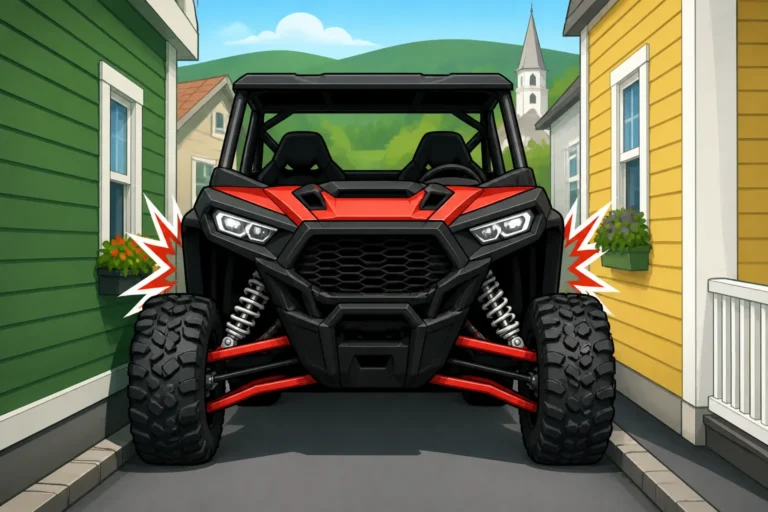
There's nothing quite like the anticipation of hitting Vermont's backroads on your ATV or UTV, especially after a long winter. But then mud season arrives, and it often feels like a giant, mucky roadblock to your riding plans. It's truly frustrating when you're itching to explore, only to find gates closed or signs warning against travel. This guide will help you navigate the complexities of mud season closures on Vermont's Class 4 roads, understand why they happen, and how to enjoy your machine responsibly and safely when the thaw sets in.
Understanding Vermont's Class 4 Roads and Mud Season
For those of us who love exploring the less-traveled paths of Vermont, Class 4 roads are often a main draw. They offer a unique blend of rugged adventure and scenic beauty. However, their very nature makes them particularly susceptible to the challenges of mud season.
What Defines a Class 4 Road in Vermont?
First off, let's get clear on what a Class 4 road actually is here in Vermont. Unlike the well-paved state highways or even your regularly graded town gravel roads, Class 4 roads are a different beast entirely. Think of them as historical arteries – old town roads that were never formally discontinued but also haven't been actively maintained for general public travel in decades, sometimes even longer. They often connect remote properties, traverse dense forests, or serve as remnants of older transportation routes that were eventually bypassed. They're usually unpaved, typically just dirt or gravel, and can be severely rutted, rocky, or overgrown. While they are still legally public rights-of-way, their lack of regular maintenance means they exist in a much wilder, more natural state.
Because towns aren't legally obligated to maintain them to a certain standard for regular traffic, these roads don't get the same attention as, say, a Class 3 gravel road. This means no regular grading, no ditching, and often limited culvert maintenance. This hands-off approach contributes to their charm for off-road enthusiasts but also makes them incredibly vulnerable to environmental factors, especially during the spring thaw. It's this lack of infrastructure that directly leads to the significant challenges seen during mud season, making them impassable or highly damaging for vehicles, even robust ATVs and UTVs. You'll often find them marked, or sometimes unmarked, leading to beautiful but isolated spots. Understanding their unique status is the first step to knowing how and when you can legally and safely use them.
The Annual Cycle of Vermont's Mud Season
Ah, mud season. If you've spent any time in Vermont, you know it's a rite of passage, a muddy bridge between winter's chill and summer's warmth. It typically kicks off in late March and can stretch well into May, sometimes even June in higher elevations or shaded areas. What causes this annual mucky spectacle? It's a combination of Vermont's classic freeze-thaw cycle and ample spring runoff. Throughout the winter, the ground freezes solid, often for several feet deep. When spring temperatures start to rise, the snow melts, and any rain that falls can't percolate into the still-frozen ground below. Instead, that water just sits on top, saturating the upper layers of soil. Add to that the thawing of the ground itself, which turns once-firm dirt into a soupy, unstable mess.
This process is particularly brutal on unpaved surfaces like Class 4 roads. The constant freezing and thawing weakens the roadbed, creating frost heaves and potholes that can swallow a tire whole. As the snow melts, it turns into torrents of water cascading down these roads, eroding soil and creating deep ruts. What was a passable trail in the fall can become a veritable swamp in the spring. It's not just a little mud; it's a serious structural compromise of the road, and riding on it during this time can cause irreparable damage. It's a natural phenomenon that reminds us of the power of Vermont's changing seasons and our responsibility to respect them.
Who Decides When Roads Close?
This is where it gets a little tricky, because there isn't one universal "closed" sign for all Class 4 roads across Vermont. The authority to manage and, crucially, to close these roads during mud season falls primarily to the individual town selectboards and their appointed road commissioners. Each town in Vermont has a selectboard that makes decisions regarding local infrastructure, including their Class 4 roads. They are the ones who assess conditions, often with input from the town road crew, and decide when a particular road or section of road is too vulnerable for travel.
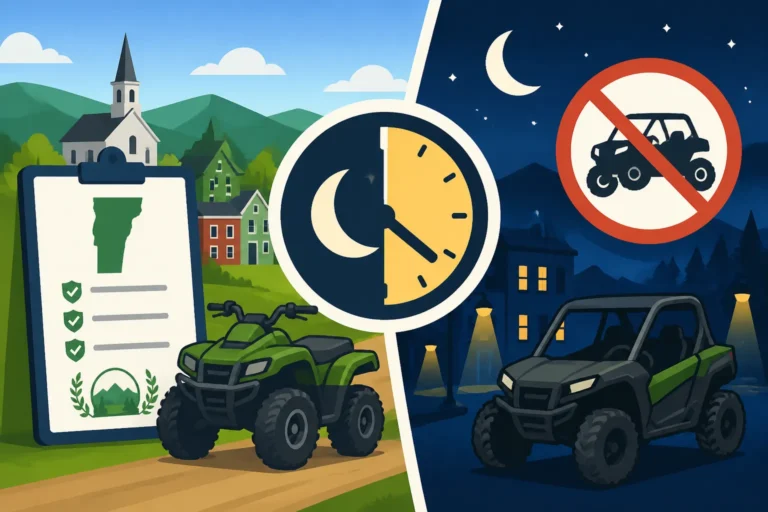
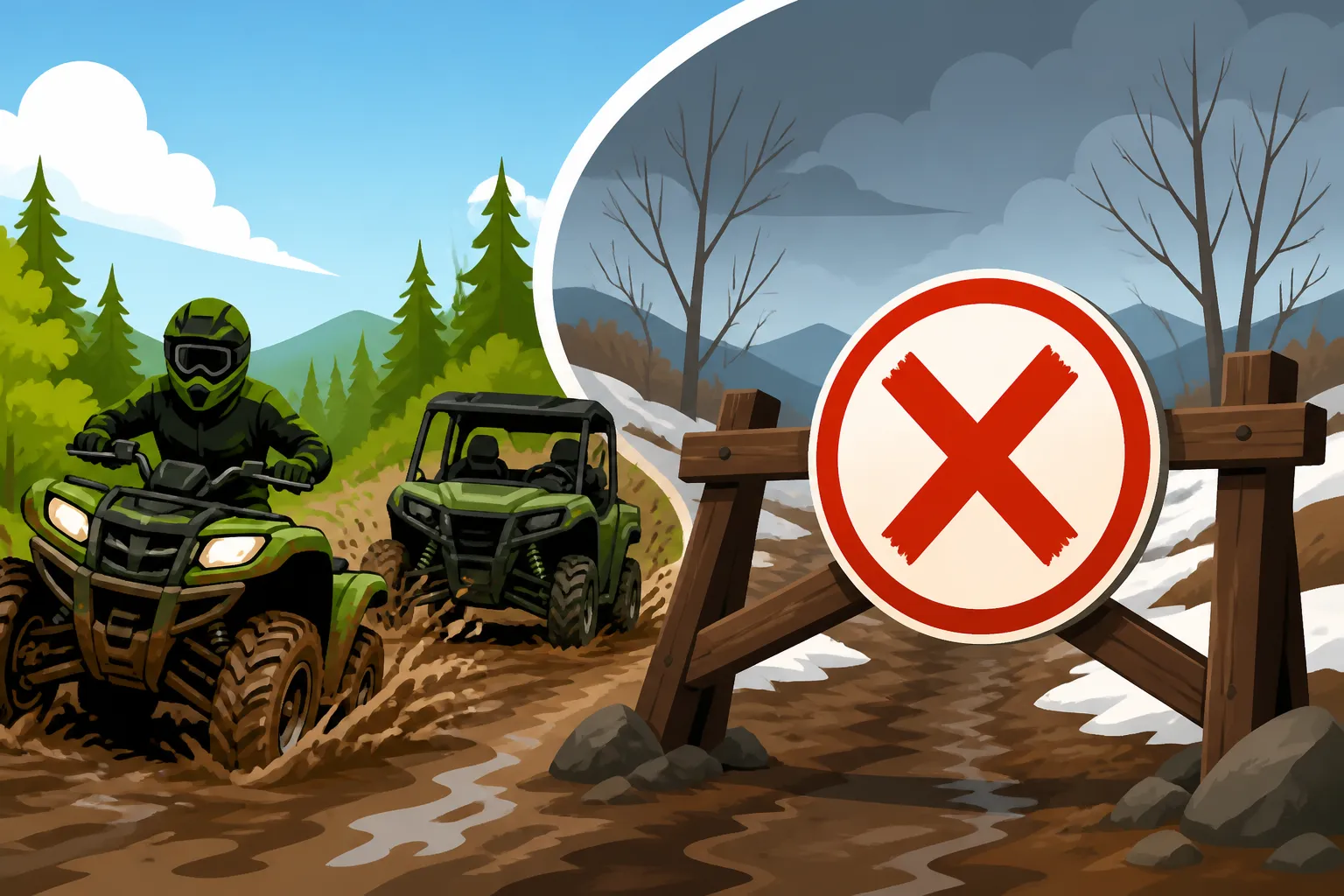
Road commissioners, who work under the selectboard, are usually on the ground, witnessing the conditions firsthand. They're looking for things like severe rutting, washouts, and whether continued travel would lead to extensive, costly damage. Once they make a determination, the selectboard can then formally post roads as closed, either to all traffic or to specific types of vehicles. You'll often see "Road Closed" signs, sometimes accompanied by "No Through Traffic" or specific warnings about mud. Ignoring these signs isn't just a minor infraction; it can lead to significant fines and puts you at risk, not to mention causing serious damage to the road that the town will then have to repair at taxpayer expense. It's essential to remember that these decisions are made to protect infrastructure and ensure public safety, even if they sometimes feel like they're cramping our style. For more on local decision-making, check out [Vermont ATV Road Rules: Towns Decide].
Why Class 4 Roads Close During Mud Season
It can be really tempting to just roll past a "Road Closed" sign, especially if you think your beefy ATV or UTV can handle whatever Mother Nature throws at it. However, those closures aren't put in place to ruin your fun. They're there for some very good reasons, protecting both the infrastructure and the environment, and ultimately, ensuring that these roads remain available for everyone when conditions improve.
Preventing Irreparable Road Damage
The primary reason towns close Class 4 roads during mud season is to prevent severe and often irreparable damage. When the ground is saturated and unstable, any vehicle driving over it acts like a giant blender, churning up the mud and ripping apart the road surface. This isn't just about a few ruts; it can mean deep gouges, exposed culverts, and completely washed-out sections. The weight and traction of an ATV or UTV, while fantastic for off-road adventures, can exacerbate this damage significantly when the ground is soft. Imagine a narrow track being turned into a knee-deep trench by a single pass. The structural integrity of the entire roadbed is compromised, leading to long-term issues.
Repairs for this kind of damage are incredibly expensive, often requiring heavy equipment, tons of gravel, and significant labor hours from already stretched town road crews. Taxpayers foot the bill for these repairs, and in smaller towns, those budgets are tight. A road that is severely damaged early in mud season might not be usable for recreational purposes for months, or even the entire riding season, while repairs are prioritized for more essential routes. By closing these roads proactively, towns are trying to preserve them so they can be enjoyed by everyone once the mud recedes and the ground firms up. It's a measure of preservation that benefits all of us in the long run.
Environmental Impact of Riding on Saturated Roads
Beyond the physical damage to the roads themselves, riding on saturated Class 4 roads during mud season can have a significant and detrimental environmental impact. When tires spin through deep mud, they churn up sediment, which then gets washed into nearby streams, rivers, and wetlands. This sediment pollution can smother aquatic habitats, disrupt fish spawning grounds, and reduce water quality, affecting everything from local wildlife to drinking water sources. Vermont is known for its pristine natural beauty, and protecting its waterways is a top priority for many communities.
Furthermore, deep ruts created by off-road vehicles can alter natural drainage patterns. Water that would normally spread out or filter through vegetation can instead be channeled into destructive flows, leading to further erosion on adjacent lands. This can damage sensitive ecosystems, expose tree roots, and create conditions ripe for invasive species to take hold. Riding off the designated road, even just to avoid a muddy patch, can also harm delicate vegetation and wildlife habitats. Understanding this ecological sensitivity is crucial. [Vermont Landowner Permission Rules] often address these concerns, as many trails traverse private lands where landowners are acutely aware of environmental stewardship. By staying off closed roads, we're not just following a rule; we're actively participating in the preservation of Vermont's precious natural resources for future generations.
Safety Concerns and Vehicle Recovery
Lastly, but certainly not least, mud season closures are a huge safety issue. What looks like a fun, challenging mud pit can quickly become a dangerous trap. Vehicles can easily get stuck, sometimes to the point of being completely submerged, which can lead to precarious recovery situations. Imagine being miles deep in a Class 4 road, your machine buried in mud up to the axles, with no cell service and evening temperatures dropping. It's not just an inconvenience; it can be life-threatening. The risk of rollover also increases significantly on unstable, rutted terrain, especially with the shifting weight of mud and water.
Even if you don't get stuck, navigating severely rutted and unpredictable surfaces can lead to loss of control, increasing the risk of accidents and injuries. You might encounter hidden rocks, fallen branches, or sudden drop-offs concealed by murky water. Emergency services, like fire and rescue, face immense challenges trying to reach stranded riders on these unmaintained, impassable roads. Their vehicles might not be able to get through, turning a simple recovery into a multi-hour, resource-intensive operation that puts responders at risk too. When the signs say "Road Closed," it's not just a suggestion; it's a warning about very real dangers. Your safety, and the safety of those who might have to rescue you, is paramount.
Navigating Mud Season Safely and Legally
So, mud season is here, and your favorite Class 4 roads are posted closed. What's a passionate ATV/UTV rider to do? It's all about making smart, responsible choices that keep you safe and legal, and ensure you can enjoy riding once the season passes.
Checking Road Status Before You Ride
One of the most important things you can do during mud season is to always check the status of roads before you even load up your machine. Vermont towns typically post official closure notices, either physically at the entrance to the road or, increasingly, on their town websites or social media pages. A good practice is to call the town clerk's office or the town road commissioner directly. They are the best source of up-to-date information regarding local road conditions and closures. Don't rely on word-of-mouth or last year's knowledge; conditions can change rapidly.
Additionally, local ATV clubs are often excellent resources. Clubs like the Tri-County ATV Club or the Border Line Ridge Riders frequently monitor trail and road conditions that fall within their purview and communicate closures or advisories to their members. They might have Facebook groups or websites where they share real-time updates. Respecting these advisories is crucial. If you see a "Road Closed" sign, assume it means what it says, even if the conditions at the very entrance look passable. The situation can quickly worsen further down the road, leading you into a problematic spot. A little homework before you head out can save you a lot of grief and potential fines.
Respecting Road Closures and Avoiding Fines
This one's critical: respect the closures. It's not just a suggestion; it's the law. Ignoring "Road Closed" signs on Class 4 roads can result in fines and penalties that vary by town. These fines aren't trivial and can quickly add up, especially if you're caught repeatedly. Beyond the legal consequences, there's the ethical responsibility. As a rider, you are an ambassador for the entire ATV/UTV community. When riders ignore closures, it creates a negative perception, making it harder for towns to justify keeping roads open to off-road vehicles when conditions improve. It can even lead to more permanent closures or stricter regulations in the future.
If you encounter a closed road, turn around. Period. It's a simple rule that protects the environment, the road infrastructure, and your own wallet. Think about the potential for getting stuck and needing a costly tow, or worse, incurring damage to your machine or even yourself. It’s far better to find an open route or simply wait a few weeks for the ground to dry out. The riding season is long, and patience during mud season ensures that we all have more opportunities to ride later. For more on enforcement, you might want to read [Vermont Equipment Checks by Police].
Alternative Riding Opportunities During Mud Season
So, if Class 4 roads are out, what can you do? Don't despair! Vermont still offers options, though they might require a bit more planning. The Vermont ATV Sportsman's Association (VASA) trail system, for example, is primarily located on private land and is often managed with specific opening dates that account for mud season. VASA clubs work closely with landowners to ensure trails are not opened until they are firm enough to ride without causing damage. While some VASA trails might open in May, many are not ready until June, especially after a particularly wet spring. Always check with VASA and individual clubs for their official opening dates and trail conditions. [Vermont Riding Season From May to October] provides a good overview.
Another alternative is finding private land where you have explicit permission to ride. This is absolutely critical: you must have landowner permission. [Vermont Landowner Permission Rules] are very clear on this. Riding on private land without permission is trespassing and can lead to serious legal trouble and further sour public opinion of ATV riders. If you have friends or family with property that's suitable, that could be an option. Remember that even on private land, you should still ride responsibly and avoid tearing up sensitive areas. Consider investing in a high-quality winch from a brand like SuperATV if you plan to explore any private, undeveloped land, as getting unstuck can be a frequent challenge off maintained trails.
| Road Type | Mud Season General Access | Conditions | Permitting Authority | Typical Action |
|---|---|---|---|---|
| Class 1-3 Roads | Generally Open | Paved/Graded, less sensitive to mud | Town/State | Open, unless severe washout |
| Class 4 Roads | Often Closed | Unmaintained, highly sensitive to freeze/thaw | Town Selectboard/Road Comm. | Closed to preserve integrity |
| VASA Trail System | Varies by Club/Section | Managed private land, specific opening dates | VASA/Local Club | Closed until conditions improve |
| Private Land | By Permission Only | Conditions vary widely, owner's discretion | Landowner | Open with permission, ride responsibly |
Preparing Your Machine for Vermont's Muddy Conditions
Even when Class 4 roads are officially open, or when you're riding on sanctioned VASA trails that might have some muddy sections after a rain, preparing your ATV or UTV for mud is essential. Proper preparation not only protects your machine but also enhances your safety and enjoyment.
Essential Gear for Muddy Rides
If you're heading out for a ride where you anticipate some mud – not on closed Class 4 roads, of course, but on open trails – having the right gear is non-negotiable. First and foremost, a reliable winch is your best friend. Even experienced riders get stuck, and a winch (and knowing how to use it safely!) can mean the difference between a quick recovery and a long, cold walk. Consider heavy-duty winches from reputable brands like SuperATV, known for their pulling power and durability in tough conditions. A strong recovery strap and shackles are also vital. Don't forget your personal protective equipment: a DOT-approved helmet [Vermont ATV Helmet Law for Every Rider], eye protection, sturdy boots, gloves, and long pants are a must to protect against flying debris and potential spills.
Beyond that, think about your machine itself. Aggressive mud tires can make a huge difference in traction and flotation, allowing you to power through sticky sections more easily. A snorkel kit might be an option if you anticipate deep water crossings, protecting your engine's air intake and CVT from water ingestion. Finally, always carry a small toolkit, a first-aid kit, water, snacks, and a way to communicate, even if it's just a fully charged phone (though cell service can be spotty in Vermont's wilder areas). Being prepared is not just about convenience; it’s about safety and self-sufficiency.
Protecting Your ATV or UTV from Mud Damage
Mud, especially Vermont mud, isn't just dirty; it can be incredibly corrosive and abrasive. Taking steps to protect your machine is crucial for its longevity and performance. Start with underbody protection. Skid plates, particularly those made from durable materials like UHMW or aluminum from companies like SuperATV, can shield your machine's vital components – your engine, transmission, A-arms, and CV boots – from impacts with rocks and debris hidden under the mud. Without them, a submerged rock could easily punch a hole in your oil pan or damage a critical drivetrain component.
Consider dielectric grease on electrical connections to prevent corrosion from water and mud. After every muddy ride, a thorough cleaning is paramount. Mud packed into radiators can cause overheating, while mud on brake components can lead to premature wear and reduced stopping power. A good pressure washer is an investment that pays for itself, but even a garden hose and a brush can make a difference. Pay special attention to pivot points, wheel bearings, and suspension components, flushing out grit and grime. Regular maintenance, including checking and lubricating all moving parts, becomes even more important when riding in muddy conditions.
Adapting Riding Techniques for Mud
Riding in mud requires a different approach than dry trail riding. It's less about speed and more about momentum and finesse. When approaching a muddy section, try to assess its depth and consistency. If you're unsure, it's always better to walk it first if safe to do so. For shallow mud, maintaining a consistent throttle and momentum can carry you through without spinning your tires excessively. Avoid sudden changes in speed or direction, as this can cause your tires to dig in rather than float over the mud.
For deeper, stickier mud, you might need a bit more aggression, but always within your comfort zone and the machine's capabilities. Sometimes, a gentle "rocking" motion, alternating between forward and reverse, can help you gain traction if you start to lose momentum. Riding with others is also a smart strategy in muddy conditions; a buddy with a recovery strap can be a lifesaver. Never ride alone in remote or extremely challenging conditions. Always be aware of your surroundings, anticipate changes in terrain, and know when to back off. There's no shame in turning around if a section looks too risky. Your machine, and your body, will thank you for it.
Disclaimer
This article is for general informational purposes only and does not constitute professional advice. Laws, prices and regulations vary by location and change over time. Consult a qualified professional for guidance on your specific situation.