Vermont Rules That Changed in 2025
It's no secret that keeping up with ATV and UTV rules in Vermont can feel like trying to track a moose through thick fog. Just when you think you've got a handle on things, a new season brings new regulations that leave many of us scratching our heads. This guide is here to cut through the confusion and walk you through the significant changes that took effect in Vermont as of 2025, particularly those impacting the definition, registration, and use of your beloved off-road vehicles.
Understanding the New Machine Definitions
One of the biggest shifts for Vermont riders starting in 2025 revolves around how the state actually defines an ATV and an All-Terrain Vehicle (ASV). These aren't just bureaucratic distinctions; they directly affect everything from how you register your machine to where you can legally ride it. Before, many of us operated under a somewhat broader interpretation, but the new rules have put some clearer lines in the sand, particularly concerning vehicle dimensions and weight.
The New Width and Weight Thresholds
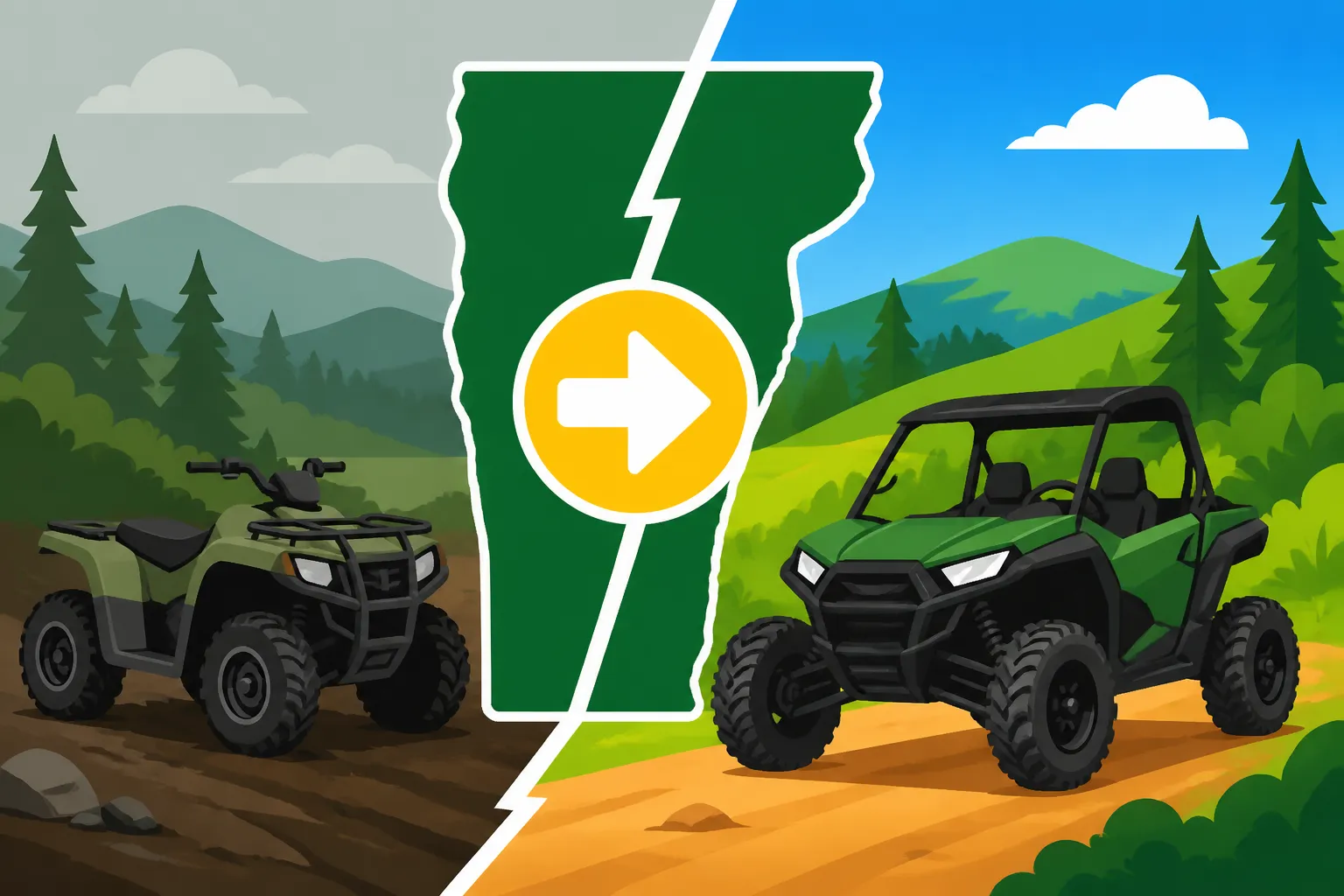
For years, the general understanding for an ATV included machines of a certain width and weight. However, the changes in 2025 introduced specific thresholds that categorize a machine differently. Specifically, any machine that is wider than 72 inches or weighs more than 2,500 pounds dry weight will now be classified as an ASV (All-Terrain Vehicle), not a standard ATV. This is a pretty big deal for many folks, especially those riding larger side-by-sides (SxS) or utility-focused UTVs that often push or exceed these limits. It means that what you might have comfortably called an "ATV" before, based on its general appearance or how you used it, might now fall into a different legal bucket. This particular change aims to better classify machines that are more akin to small off-road trucks than traditional quads, acknowledging their larger footprint and capabilities.
Think about it: many modern side-by-sides, especially multi-passenger models, easily exceed 72 inches in width. And those robust utility vehicles with heavy-duty frames and powerful engines? They can definitely tip the scales over 2,500 pounds dry weight. This reclassification means riders of these larger machines need to pay close attention to their vehicle's specs, because a machine's official classification dictates its regulatory path forward. It's not just about what you feel like you're riding anymore; it's about what the state says you're riding. For detailed information on these specific dimensions, you can check out [Vermont's 72-Inch, 2,500-Pound ATV Definition].
Why This Reclassification Matters
This isn't just semantics; the reclassification has real-world consequences for your riding experience. Primarily, it differentiates machines that can be expected to fit on narrower trails or have a lighter impact on certain surfaces from those that require more space and have a greater physical presence. The intent is often rooted in safety, trail preservation, and managing the diverse types of off-road vehicles now in use. If your machine suddenly falls into the ASV category because of these new definitions, it’s going to impact its registration type and potentially even where you’re allowed to operate it within the state’s trail network or on designated roads. This can be a frustration for owners of larger machines who used to enjoy broader access, only to find themselves under new restrictions or requirements. It emphasizes the need for riders to be fully aware of their machine's specifications before hitting the trails, perhaps even checking the manufacturer's specs or measuring their machine directly if they're close to the new thresholds.
It’s also worth noting that these changes affect how Vermont views machines that are often equipped with aftermarket parts to enhance their capabilities. For example, some riders add wider A-arms or larger tires that push their machine beyond the 72-inch mark. Even if the base model was within the old ATV definition, these modifications could now push it into ASV territory. Companies like SuperATV offer a vast array of aftermarket components, and while these can greatly improve performance and utility, riders in Vermont now need to consider how such additions might change their vehicle's classification under the new 2025 rules. Understanding [Vermont ATV Versus ASV Classes] is more critical than ever.
The Practical Impact on Your Registration
With these new definitions firmly in place, it's only natural that registration procedures and associated costs would also see changes. The state needs a way to account for these different classes of vehicles, and that means new categories and fees that directly reflect whether your machine is now considered an ATV or an ASV. This can lead to some confusion and, for some, an unexpected bump in what they need to pay to legally operate their vehicle.
Differentiated Registration Fees and Process
Under the updated rules, if your machine is now classified as an ASV—meaning it's over 72 inches wide or over 2,500 pounds dry weight—you'll be looking at a different registration fee structure compared to standard ATVs. Generally speaking, ASV registrations carry a higher annual cost. This difference in fees is intended to reflect the potentially greater impact these larger machines might have on infrastructure or the need for different maintenance considerations for trails and roads they utilize. So, while you might have paid a certain amount to [Registering an ATV With the Vermont DMV] in the past, if your machine now qualifies as an ASV, those figures will change. It’s not just about the sticker on your machine; it's about the funds generated contributing to the specific resources required for ASV use.
For instance, you might find that the one-year registration fee for an ASV is notably more than for an ATV, and a two-year ASV registration also scales up proportionally. This is a significant change for some, as it means not only understanding a new definition but also budgeting differently for the privilege of riding in Vermont. It's crucial to consult the Vermont DMV's current fee schedule, as specific numbers can fluctuate, but the structure of differentiated pricing for ATVs and ASVs is now a permanent fixture. This kind of change often catches riders by surprise, especially those who primarily think of their side-by-side as just a "bigger ATV." You can find more specific details on costs like [Vermont ASV Class A Registration Explained] and [Vermont ASV Registration at $108 a Year] and [Vermont ASV Two-Year Registration at $211].
Proving Your Machine's Classification
When you go to register your vehicle, the DMV isn't just going to take your word for it. You'll likely need to provide documentation that proves your machine's specifications, particularly its width and dry weight. This could mean presenting the Manufacturer's Certificate of Origin (MCO) or title, which typically lists these details. If you've modified your machine, especially with components that increase its width, such as those from SuperATV, you might need to be prepared to demonstrate its current dimensions. The state's goal is accurate classification, so having your paperwork in order is more important than ever.
If you bought your machine used and don't have an MCO, or if the documentation isn't clear, you might encounter challenges during registration. It’s always best to have clear [Proof of Ownership Vermont's DMV Will Accept] and be ready to discuss your machine's specifications. The DMV clerks are there to help, but they need the correct information to classify your machine appropriately. This also impacts those who might be bringing a machine into Vermont from out of state; they'll need to be aware of Vermont's specific definitions before attempting to [Vermont Registration for a Machine Bought Out of State]. It's a layer of complexity that previous rules might not have emphasized as strongly, requiring riders to be more proactive in understanding their vehicle's true classification.
Navigating Road and Trail Access Post-2025
The updated definitions and subsequent registration changes aren't just about paperwork and fees; they directly influence where and how you can ride your off-road vehicle in Vermont. The state's approach to allowing ATVs and ASVs on town roads and designated trails has become more nuanced, reflecting the different characteristics of these two classes of machines.
Evolving Rules for Town Roads
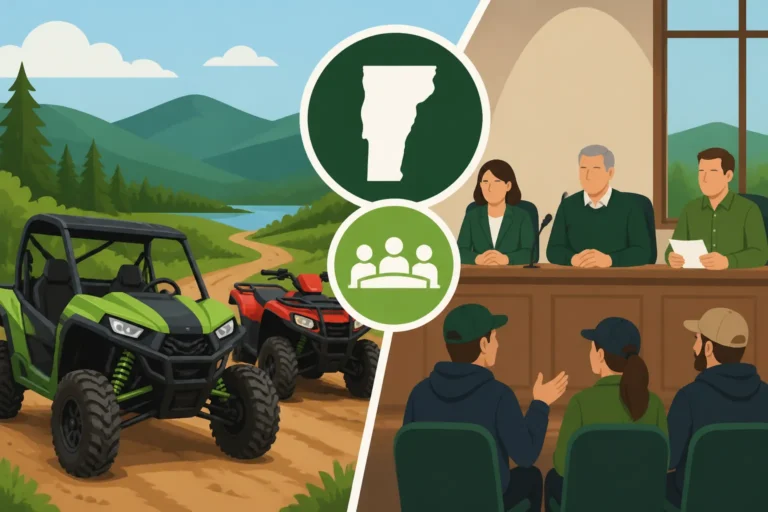
One of the most significant areas impacted by the 2025 rule changes is the designation and use of town roads. Historically, town selectboards have the authority to open or close town roads to ATV traffic, and this local control remains. However, the new definitions mean that towns might now differentiate between ATVs and ASVs when enacting their ordinances. A town might open certain roads to ATVs but restrict access for wider or heavier ASVs, especially if concerns exist about road wear, traffic flow, or fitting within narrower village streets. This means that even if a road was open to "ATVs" before, if your machine is now an ASV, you'll need to double-check the specific wording of your local town's ordinance to ensure you're still compliant.
It's a really good idea to consult your town's selectboard or local municipal office for the most up-to-date information on their ordinances. What might be permissible in one town, like Brighton with its specific [Brighton's ATV Ordinance Explained in Vermont], might be different in a neighboring community. The general principle is that [Vermont ATV Road Rules: Towns Decide], but the types of machines they permit may now be more narrowly defined. This requires riders to be more vigilant than ever, especially if they ride across town lines. You don't want to find yourself on a newly restricted road simply because your machine was reclassified without your knowledge. Keeping your plate visible, as discussed in [Vermont Plate Mounted on the Rear], is also critical for enforcement.
Trail Access and System Limitations
The VASA (Vermont ATV Sportsman's Association) trail system, which relies heavily on landowner permissions and carefully managed corridors, also needs to adapt to these new definitions. While VASA aims to accommodate a wide range of machines, trails might have physical limitations or landowner agreements that predate the widespread use of very large side-by-sides. It's plausible that some sections of the trail system, particularly older or narrower paths, might have restrictions for ASVs due to their width or weight. [Vermont ATV Trails: The VASA System] is a vital resource for riders, but it's important to understand that new rules can influence its accessibility.
Clubs that maintain these trails work tirelessly, and managing the impact of different machine types is a constant consideration. If you're riding a wider ASV, be mindful of trail signage and any specific instructions from the local VASA club. What was once considered an all-encompassing "ATV trail" might now have nuances regarding [Vermont Machines Wider Than 72 Inches] or [Vermont Machines Over 2,500 Pounds]. Always check the most current trail maps and conditions provided by VASA or your local club before heading out, as they are the best source for identifying any ASV-specific restrictions. Ignoring these could lead to trail damage, landowner dissatisfaction, and ultimately, trail closures for everyone.
Actionable Steps for Vermont Riders
With all these changes, it's easy to feel overwhelmed. But the key is to be proactive and informed. Taking a few deliberate steps now can save you a lot of headache and ensure your riding season is filled with fun, not fines or confusion.
Re-evaluate Your Machine's Classification
The very first thing every Vermont ATV and UTV owner should do is to thoroughly re-evaluate their machine against the new 2025 definitions. Measure your machine's widest point (including tires and any factory accessories) and find its dry weight. This information is usually in your owner's manual, on the MCO, or on the manufacturer's website. If you're close to the 72-inch or 2,500-pound thresholds, or if you've made modifications that might push you over, you need to understand where you stand.
If you discover your machine is now an ASV, don't panic. It just means you need to adjust your approach to registration and riding. Be honest with yourself about your machine's specs. If you're unsure, or if your machine is an older model without clear documentation, you might need to physically measure and weigh it (if possible and safe to do so) or consult a dealer for guidance. This foundational step is critical for everything else that follows, so take the time to get it right.
Update Your Registration and Documentation
Once you know your machine's current classification, make sure your registration aligns with it. If your machine is now an ASV, you'll need to register it as such during your next renewal or at the earliest opportunity if you're newly registering it. This means being prepared for the different fee structure. Ensure you have all the necessary [Vermont Registration Paperwork Checklist] items in order.
When you go to the DMV, bring any documentation you have that verifies your machine's dimensions and weight. This might include the MCO, title, or even printouts from the manufacturer's website. If you purchased your machine through a private sale, make sure your [Writing a Bill of Sale the Vermont DMV Accepts] clearly identifies the machine. Having accurate and complete documentation will streamline the process and prevent delays. Remember, the goal is compliance, and showing up prepared makes everyone's life easier.
Stay Informed on Local Ordinances and Trail Rules
The landscape of where you can ride can change, so making it a habit to check local town ordinances and VASA trail conditions is more important than ever. Before planning a ride, especially if it involves new areas or crossing town lines, do your homework. Many towns post their ATV ordinances online, and VASA provides frequently updated trail maps and alerts.
Join a local VASA club if you haven't already. These clubs are often the first to know about changes, open meetings, and trail conditions. They are a fantastic resource for local knowledge and can offer guidance on navigating the new rules. Being an active part of the riding community ensures you're among the first to hear about updates and can also contribute to the ongoing efforts to maintain and expand riding opportunities. You can also review general information on [What Vermont's 2025 Act 18 Changed for Riders] for a broader perspective.
Table: Key Differences Post-2025 Rules
To help clarify the core changes, here's a quick overview of what differentiates ATVs and ASVs under the new 2025 rules:
| Feature | Traditional ATV (Post-2025) | All-Terrain Vehicle (ASV) (Post-2025) |
|---|---|---|
| Width | Generally 72 inches or less | Wider than 72 inches |
| Dry Weight | Generally 2,500 pounds or less | Heavier than 2,500 pounds |
| Registration | Standard ATV registration fees | Higher ASV-specific registration fees |
| Road Access | May be permitted by town ordinance | May have more limited access by town ordinance |
| Trail Access | Broader access on VASA trails | May have restrictions on certain VASA trails |
| Common Examples | Most sport quads, smaller utility ATVs | Many larger side-by-sides, multi-seat UTVs |
This table provides a snapshot, but always verify specific details with official Vermont DMV and local municipal sources. Being prepared and informed is your best defense against unexpected issues on the trails or roads.
Disclaimer
This article is for general informational purposes only and does not constitute professional advice. Laws, prices and regulations vary by location and change over time. Consult a qualified professional for guidance on your specific situation.