Working Brakes at Inspection
There’s nothing quite like hitting the trails or cruising a designated town road on your ATV or UTV in Vermont, but that exhilarating feeling can quickly turn to dread if your brakes aren't up to snuff. Many riders in the Green Mountain State face the challenge of understanding exactly what "working brakes" means not just for personal safety, but to pass inspection and stay legal on our roads and trails. This comprehensive guide will walk you through everything you need to know about keeping your ATV's braking system in peak condition, what the law expects, and how to ensure you're ready for any inspection.
Why Your ATV's Brakes are Non-Negotiable on Vermont Roads and Trails
Picture this: you're navigating a winding logging road, a sudden sharp turn appears, or maybe a deer darts out onto a dirt road you're legally permitted to ride. In these moments, your ability to stop safely isn't just a convenience; it's a lifeline. Vermont's terrain can be incredibly diverse, from flat, open fields to steep, rocky climbs and muddy descents. Each presents its own set of challenges, and your brakes are your primary defense against unforeseen hazards. Without them in top working order, you're not just risking your own well-being, but potentially that of others on shared roads and trails.
The Core Role of Brakes in Rider Safety
It might seem obvious, but the ability to stop is as fundamental as the ability to go. On an ATV or UTV, especially with the speeds and varied surfaces you encounter, effective braking is paramount. It allows you to maintain control, avoid collisions, and manage your machine's momentum, particularly on inclines or during rapid changes in trail conditions. Think about coming down a slippery, leaf-covered hill in October – without responsive, strong brakes, that descent could quickly become a runaway nightmare. Your machine is a powerful piece of equipment, and that power needs to be matched with equally robust stopping capability.
Beyond preventing outright crashes, good brakes also contribute to rider comfort and reduce fatigue. When you trust your brakes, you can ride more relaxed and with greater precision, rather than constantly tensing up, anticipating potential issues. This confidence translates directly into a more enjoyable and safer riding experience, letting you focus on the beauty of Vermont's landscape rather than worrying about your next stop.
Navigating Vermont's Diverse Terrain with Confidence
Vermont offers an incredible variety of riding environments, from the well-maintained VASA trail system to Class 4 roads and specific town-designated routes. Each type of terrain demands different braking responses. You might be cruising a smooth gravel road one minute and then tackling a rocky uphill climb or a muddy descent the next. Effective brakes provide the modulation you need to handle these transitions seamlessly. For instance, feathering your brakes on a steep downhill prevents wheel lock-up and maintains traction, while firm, controlled stops are essential when crossing a busy intersection on a public road where [Vermont ATV Road Rules: Towns Decide].
Consider the impact of weather, too. A sudden summer downpour can turn a dry trail into a slick, treacherous path. If your brakes aren't properly maintained, water and mud can significantly degrade their performance, leading to longer stopping distances or unpredictable behavior. Robust, well-serviced brakes, combined with appropriate riding techniques, are your best allies in conquering whatever challenges Vermont's natural environment throws your way, ensuring that every adventure remains a safe one.
Legal and Ethical Responsibilities of a Rider
In Vermont, operating an ATV or UTV comes with legal obligations, and having functional brakes is a major one. Your machine is considered an "off-highway recreational vehicle" (OHRV) under state law, and like any vehicle, it must meet certain equipment standards to be ridden on designated public access points or town roads. These standards often include specific requirements for safety equipment, and brakes are always at the top of that list. Failing to maintain your brakes isn't just a personal risk; it's a disregard for the safety of others who share the trails or roads.
Beyond the legalities, there's an ethical component. As a responsible rider, you have a duty to ensure your machine is safe for operation. This means regular inspections, timely maintenance, and addressing any issues promptly. No one wants to be the cause of an accident due to mechanical failure that could have been prevented. Maintaining your brakes is a fundamental aspect of this responsibility, contributing to a safer and more enjoyable environment for everyone who enjoys Vermont's outdoor recreational opportunities. [Vermont ATV Equipment Requirements] include fully operational brakes for a reason.
What "Working Brakes" Means Under Vermont Law
When you talk about "working brakes" in Vermont for your ATV or UTV, it’s not just a casual suggestion; it's a legal requirement that carries real weight during an inspection or if you're ever stopped by law enforcement. The state’s regulations are designed to ensure a basic level of safety for all operators and those they might encounter. Understanding these specifics is key to staying compliant and avoiding penalties. It’s not enough for your brakes to simply slow you down; they need to perform effectively and consistently under various conditions.
Decoding the Statutory Language for ATVs and UTVs
Vermont law, specifically related to off-highway recreational vehicles, requires that every machine used on the VASA trail system or legally designated town roads must be equipped with a braking system capable of stopping the vehicle safely. While the exact wording might not dive into the minutiae of brake pad thickness or fluid levels, the intent is crystal clear: your brakes must be fully functional and capable of bringing your machine to a complete stop within a reasonable distance and in a controlled manner. This implies that both your front and rear brakes (if equipped, which most modern ATVs and UTVs are) should operate properly, and there shouldn't be any obvious defects that impair their performance.
Think of it this way: the statute assumes a level of mechanical integrity that allows for predictable and responsive braking. It’s about the overall system working as intended by the manufacturer, not just a single component. This includes the brake levers or pedals, the lines, the calipers, and the pads or shoes. If any part of this chain is compromised, it could be argued that your brakes are not "working" in the spirit of the law, even if you can technically still slow down.
The Standard of Functionality for Inspection
During a formal inspection, or even a roadside check by a warden, the "standard of functionality" for your brakes will be assessed both visually and operationally. Visually, an inspector will look for obvious signs of wear or damage: cracked brake lines, severely worn pads, leaking fluid, or excessively scored rotors. If your machine's brake components look neglected or damaged, that's an immediate red flag. They'll also check for proper adjustment – that the brake lever or pedal isn't spongy and engages firmly, and that the brakes release cleanly without dragging.
Operationally, the key is stopping power and consistency. An inspector might ask you to demonstrate the brakes' effectiveness, typically by engaging them at a slow speed to ensure they grab evenly and bring the vehicle to a smooth, straight stop without excessive pull to one side. They're looking for firm pedal/lever feel, responsive engagement, and adequate stopping force. If your brakes feel weak, require excessive effort, or cause the machine to swerve, you'll likely fail the inspection. This standard isn't about being new; it's about being safe and effective.
Consequences of Failing a Brake Inspection
Failing a brake inspection, whether during a routine stop or a more formal check, can lead to significant headaches and penalties in Vermont. The most immediate consequence is that your machine could be deemed unsafe for operation. This might mean you're prohibited from continuing your ride until the issue is fixed, potentially requiring you to trailer your ATV or UTV home or to a repair shop. Beyond that, you could face fines for operating equipment that doesn't meet safety standards. Law enforcement has the authority to issue citations for equipment violations, and these can add up.
Furthermore, if you're involved in an accident and it's determined that faulty brakes contributed to the incident, the legal ramifications could be much more severe, including potential liability claims or more serious charges. It's not worth the risk. Ensuring your brakes are in perfect working order before every ride is not just about avoiding a ticket; it's about protecting yourself and adhering to the community's safety expectations. Neglecting this crucial component can put a serious damper on your riding enjoyment and lead to unexpected expenses and legal troubles. [Vermont ATV Fines for Road Violations] can be steep.
Key Components of Your ATV's Braking System to Scrutinize
Understanding your ATV or UTV's braking system is the first step toward effective maintenance and troubleshooting. It's a complex network of components designed to work in harmony, translating your input at the lever or pedal into the friction needed to stop your machine. Each part plays a vital role, and a failure in one can compromise the entire system's integrity. Getting familiar with these parts will empower you to perform your own routine checks and speak confidently with mechanics when repairs are needed.
Brake Levers, Pedals, and Master Cylinders
The journey of stopping your ATV begins with your input at the controls. For hand brakes, this means the lever on your handlebars; for foot brakes, it's the pedal on the floorboard. These controls actuate the master cylinder, which is essentially the pump of your hydraulic braking system. When you squeeze the lever or press the pedal, a piston inside the master cylinder pushes brake fluid through the lines. A good master cylinder should feel firm and consistent, not mushy or spongy. If you notice excessive play in your lever or pedal, or if it feels unusually soft, this could indicate air in the system, low fluid, or a failing master cylinder.
It's important to periodically check the master cylinder reservoir for adequate brake fluid levels. Most reservoirs have a "min" and "max" line. If the fluid is consistently low, you likely have a leak somewhere in the system. The fluid itself should also be clear, or slightly amber. If it looks dark or murky, it's probably old and contaminated, reducing its effectiveness and potentially damaging other components. Regular inspection of these initiating components ensures that the command you give to stop is accurately and powerfully transmitted.
Calipers, Pads, and Rotors: The Heart of Braking
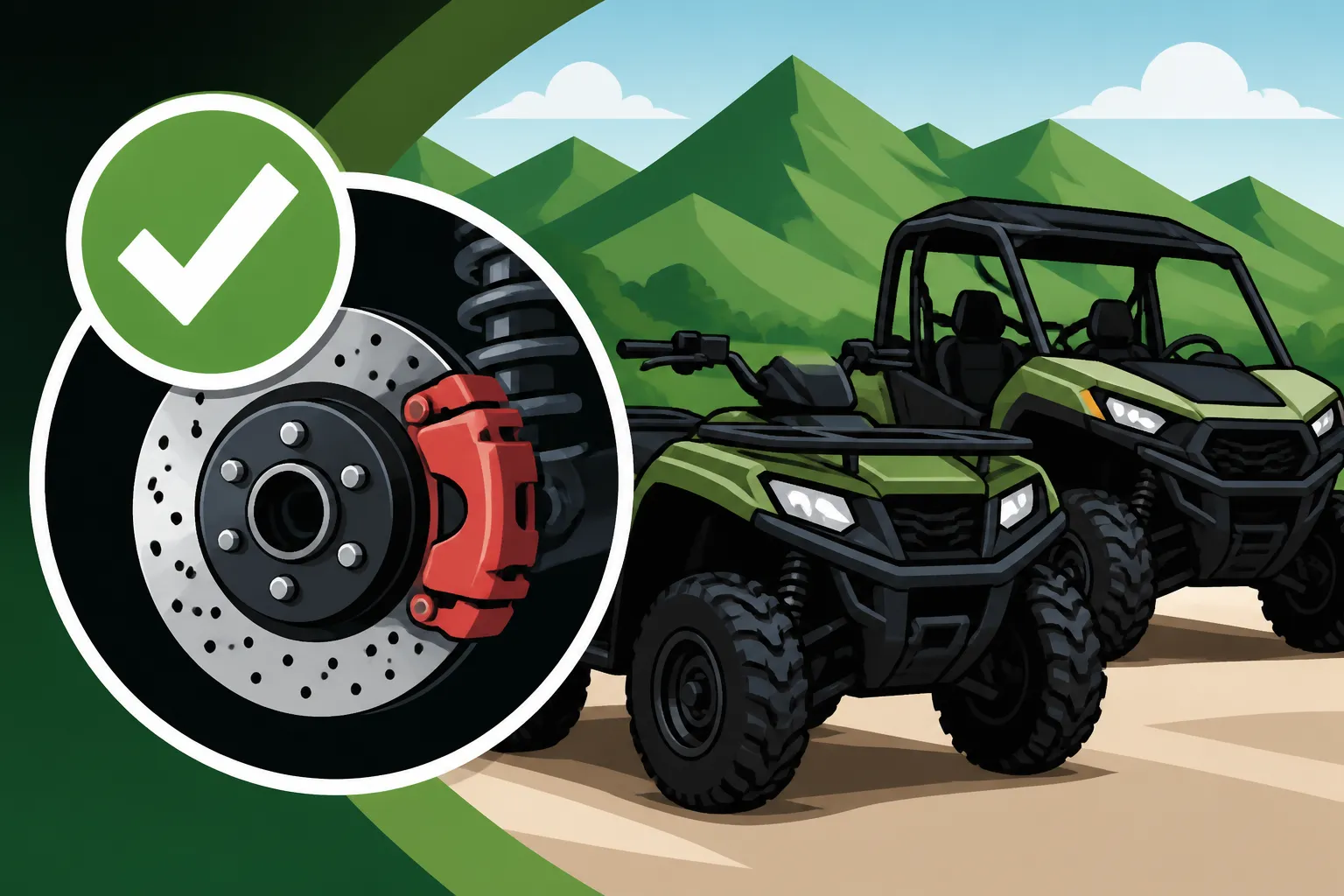
These are the components that do the heavy lifting of actually stopping your machine. When brake fluid is pushed from the master cylinder, it travels through the brake lines to the calipers. The calipers, in turn, house pistons that force the brake pads against the rotors. The friction generated between the pads and the spinning rotors is what slows and stops your ATV. Over time, brake pads wear down, and rotors can become grooved or warped.
Visually inspect your brake pads for wear. Most pads have wear indicators, but a good rule of thumb is if they look thin, it's time for replacement. Severely worn pads can lead to metal-on-metal contact, which rapidly damages your rotors and significantly reduces braking performance. Rotors should be smooth and flat; deep grooves, scoring, or a "wavy" appearance are signs of wear or warping. You can often feel grooves by running your finger across the rotor surface. Replacing worn pads and damaged rotors is crucial for maintaining effective and safe braking. Companies like SuperATV offer a range of aftermarket brake pads and rotors designed for various riding conditions, from casual trail riding to more aggressive use.
Brake Lines, Fluid, and Bleeding Procedures
The brake lines are the conduits that carry hydraulic pressure from your master cylinder to your calipers. These are typically reinforced rubber or braided steel lines. Over time, rubber lines can degrade, cracking or becoming soft and spongy, leading to a less responsive brake feel. Braided steel lines offer greater durability and a firmer pedal feel but can still be damaged by impact or abrasion. Always check your brake lines for any signs of leaks, chafing, or swelling. A weeping fluid connection or a visibly damaged line is a serious safety concern and requires immediate attention.
Brake fluid itself is a critical, yet often overlooked, component. It's hygroscopic, meaning it absorbs moisture from the air over time. This absorbed water lowers the fluid's boiling point, which can lead to brake fade during heavy use when the fluid turns to vapor. Old, contaminated fluid also loses its effectiveness and can corrode internal brake components. Most manufacturers recommend flushing and replacing brake fluid every one to two years. Bleeding the brakes is the process of removing air from the hydraulic system, which can get introduced during maintenance or if fluid levels drop too low. Air in the lines creates a spongy brake feel because air compresses, unlike fluid. Learning how to properly bleed your brakes or having a professional do it is essential for restoring firm, responsive braking.
Spotting Trouble: Common Brake Problems and Warning Signs
Even the most meticulously maintained ATV or UTV can develop brake issues. Recognizing the early warning signs is paramount to addressing problems before they escalate into dangerous situations or cause you to fail an inspection. These issues often manifest as changes in how your brakes feel, sound, or perform. Tuning into these cues can save you a lot of grief and expense down the road, keeping your machine safe for the varied conditions you’ll encounter in Vermont.
Spongy Levers, Fading Power, and Excessive Noise
One of the most common complaints is a "spongy" brake lever or pedal. Instead of firm resistance, you feel the lever or pedal travel further than usual before the brakes engage, often with a soft, squishy sensation. This is almost always an indication of air in the brake lines, which compresses under pressure, reducing the hydraulic force transferred to the calipers. It could also point to old, contaminated fluid or a failing master cylinder seal. Addressing this promptly, usually with a brake bleed, is crucial for restoring confidence in your stopping power.
Brake fade, on the other hand, is when your brakes lose effectiveness after repeated or heavy use. You might notice you need to squeeze the lever or press the pedal harder to achieve the same braking force. This often happens on long descents or during aggressive riding and is typically caused by the brake fluid overheating and boiling, or severely worn pads. If your pads are super thin, they simply don't have enough material to generate adequate friction. Then there's the noise: squealing, grinding, or clunking sounds. Squealing usually indicates worn pads that need replacement or contamination on the pads/rotors. Grinding is a much more serious sign, often meaning you’re down to metal-on-metal contact, which is rapidly destroying your rotors. A clunking sound could suggest loose calipers or components, which is another immediate safety concern.
Uneven Braking and Pulling to One Side
If your ATV or UTV pulls noticeably to one side when you apply the brakes, you've got a problem with uneven braking. This happens when one side of your braking system is engaging more strongly or effectively than the other. Common causes include a seized caliper piston on one side, worn pads on just one wheel, or air trapped in one brake line but not the other. It could also be due to contamination on one rotor or pad, reducing its friction.
Uneven braking is not only unsettling but also genuinely dangerous, especially at speed or on uneven terrain. It can cause you to lose control, particularly if you're braking hard in an emergency. It’s critical to diagnose and fix this issue immediately. A mechanic will typically inspect all four corners (or both ends for an ATV) of your braking system to identify the discrepancy. This might involve cleaning and lubricating caliper pins, replacing specific pads, or bleeding one side of the system.
Leaks, Contamination, and Visual Wear
A visual inspection can often reveal tell-tale signs of trouble. Brake fluid leaks are a major concern; any fluid dripping from your calipers, lines, or master cylinder reservoir indicates a breach in the hydraulic system. Even a small leak can allow air to enter the lines, reducing braking effectiveness and eventually leading to complete brake failure. Look for wet spots or stains on your garage floor or around the brake components themselves. Addressing leaks involves identifying the source—a damaged line, a loose fitting, or a compromised seal—and replacing the faulty part.
Contamination, particularly from oil, grease, or even mud, can severely impact brake performance. If oil gets on your brake pads or rotors, it acts as a lubricant, drastically reducing friction and making your brakes almost useless. Mud and grit can accelerate pad and rotor wear. Regularly cleaning your brake components, especially after muddy rides, can prevent this. Finally, visual wear on pads and rotors is a clear indicator that maintenance is due. Pads should have a healthy amount of friction material, and rotors should be smooth. If you see deep grooves, discoloration, or a very thin pad, it’s time for replacement. Products from SuperATV, for instance, are designed to withstand challenging conditions, but even heavy-duty components require regular checks for visual wear.
Pre-Ride Checks and Proactive Brake Maintenance for Vermont Riders
To truly enjoy the scenic beauty and thrilling trails that Vermont has to offer, your ATV or UTV needs to be in tip-top shape, and that starts with its brakes. Being proactive about maintenance and performing quick checks before every ride isn't just about prolonging the life of your machine; it's about ensuring your safety and compliance with state regulations. Think of it as a small investment of time that pays huge dividends in peace of mind and avoiding costly repairs down the line.
Your Daily Brake Inspection Ritual
Before you even start your engine, get into the habit of a quick brake check. This takes just a minute but can reveal critical issues. First, visually inspect all accessible brake lines for any signs of leaks, cracks, or chafing. Look around the calipers and master cylinders for any weeping fluid. Next, squeeze your hand brake lever and press your foot brake pedal. Do they feel firm and responsive, or spongy and soft? Is there excessive travel before they engage? They should feel consistent. You should also listen for any unusual sounds as you engage them.
A simple roll-and-stop test in a safe, open area (like your driveway or yard) is also invaluable. Roll forward slowly and apply both front and rear brakes (if separate) one at a time, then together. Does the machine stop smoothly and in a straight line, without pulling to one side? Does it stop within a reasonable distance? This brief ritual isn't about being paranoid; it’s about being prepared. It allows you to catch minor issues before they become major problems out on a remote trail where help might be hours away. Consider what a warden might check if you're stopped on a designated road for [What a Warden Can Ask to See] – your brakes are definitely on their list.
Scheduled Maintenance and Fluid Changes
Beyond daily checks, your ATV’s owner’s manual outlines a schedule for more in-depth brake maintenance. This typically includes periodic checks of brake pad thickness, rotor condition, and brake fluid levels. Don't just top off your brake fluid if it's low; investigate why it's low, as it usually indicates a leak or excessive pad wear. More importantly, brake fluid should be flushed and replaced according to the manufacturer's recommendations, usually every one to two years. As discussed, brake fluid absorbs moisture, which degrades its performance and can lead to internal corrosion. A fresh fluid flush helps maintain optimal braking performance and extends the life of your master cylinder and calipers.
During these scheduled maintenance intervals, it's also a good time to inspect the brake calipers. Ensure they're moving freely on their pins and are not seized. Clean any accumulated dirt or grime that could impede their function. If you're tackling more aggressive terrain, or if your machine is equipped with larger, heavier tires, you might find that your brakes wear faster or require more frequent attention. Upgrading to heavy-duty pads or rotors, perhaps from a brand like SuperATV, might be a smart choice for some riders, but remember, even premium parts require regular care.
When to Seek Professional Help
While many riders are comfortable with basic brake checks and even pad replacements, there are times when it’s best to call in the professionals. If you’re experiencing persistent brake issues that you can't diagnose, or if a brake bleed isn't restoring a firm lever feel, it might indicate a more complex problem, such as a failing master cylinder, internal caliper issues, or a collapsed brake line. Replacing hydraulic components or dealing with deeply scored rotors often requires specialized tools and expertise to ensure everything is installed correctly and safely.
Furthermore, if you’re not confident in your mechanical abilities or don't have the proper tools, attempting complex brake repairs could inadvertently create more problems. Safety is paramount, and your brakes are arguably the most critical safety system on your ATV. A professional mechanic specializing in off-road vehicles can quickly diagnose issues, ensure genuine or high-quality aftermarket parts are used, and perform the repairs to factory specifications, giving you complete confidence when you hit the trails or roads again. Don't hesitate to seek expert help when your safety is on the line.
What an Inspector Looks for: Passing the Brake Check in Vermont
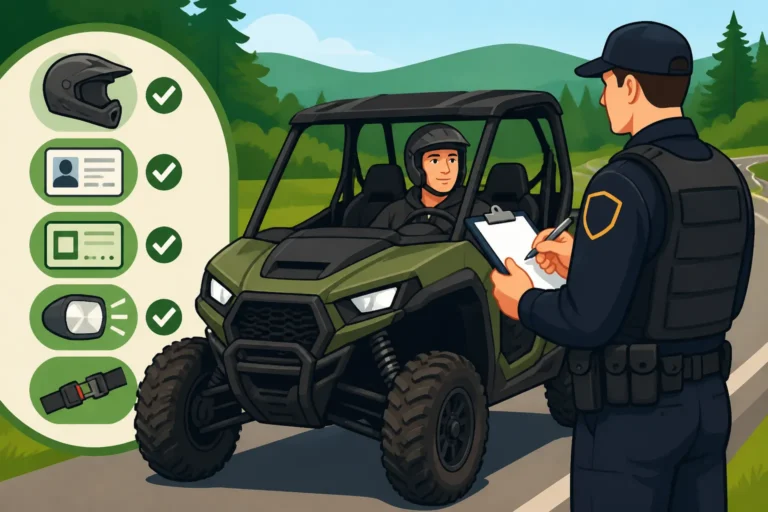
If you're riding your ATV or UTV on designated town roads or the VASA trail system in Vermont, you need to be prepared for the possibility of an inspection. Whether it’s a random roadside stop by a game warden or a more formal check at a trail access point, your brakes will be under scrutiny. Knowing exactly what inspectors are looking for can help you prepare your machine and avoid the frustration of being cited or turned away. They're not just looking for "working" brakes; they're looking for safe working brakes that meet certain performance and condition criteria.
Visual Checks for Wear and Damage
An inspector will begin with a thorough visual examination of your braking system. This includes looking at the brake lines, calipers, pads, and rotors. They'll be checking for obvious signs of wear or damage:
- Brake Pads: Are they excessively worn down? If the friction material is thin, or if you can see metal-on-metal contact, that's an immediate red flag.
- Rotors: Are the rotors deeply grooved, severely scored, or visibly warped? A smooth, consistent surface is ideal.
- Brake Lines: Are there any cracks, chafing, bulges, or leaks along the brake lines? A leaking line not only indicates a potential failure point but also low fluid.
- Calipers: Are the calipers secure? Is there any evidence of leaks around the pistons or mounting bolts?
- Master Cylinder: Is the reservoir cap secure? Are fluid levels adequate? Any leaks around the master cylinder itself?
These visual cues give the inspector a quick overview of the overall health of your braking system. If anything looks compromised or neglected, it raises immediate concerns about the machine's safety.
Functional Tests: Stopping Power and Consistency
Beyond just looking at the components, an inspector will want to see your brakes in action. This usually involves a functional test, which might include:
- Lever/Pedal Feel: The inspector will typically squeeze the brake lever and press the pedal to check for firmness. They’re looking for a solid, consistent feel without excessive sponginess or travel. If the lever comes back to the bar or the pedal goes to the floor, that's a problem.
- Brake Engagement: They'll want to ensure that the brakes engage quickly and firmly without delay.
- Stopping Test: You might be asked to ride at a very slow speed (e.g., 5-10 mph) and apply the brakes. The machine should come to a controlled, straight stop without pulling severely to one side, skidding uncontrollably, or requiring excessive effort. Both front and rear brakes should demonstrate effective stopping power.
- Brake Release: After applying the brakes, they should release cleanly without dragging, which can cause excessive heat and wear.
The goal of these functional tests is to confirm that your brakes can safely and reliably bring your ATV or UTV to a stop under normal operating conditions. An inspector isn't looking for race-level performance, but rather a dependable, predictable response.
Common Reasons for Brake-Related Inspection Failure
Knowing the common pitfalls can help you avoid them. Here are typical reasons why an ATV or UTV might fail a brake inspection in Vermont:
- Severely Worn Brake Pads: This is perhaps the most frequent reason for failure. If your pads are down to the backing plate or are extremely thin, they simply won't pass.
- Leaking Brake Fluid: Any visible leaks from the brake system are an automatic failure, as they indicate a compromised hydraulic system.
- Spongy or Non-Responsive Brakes: If the brake lever or pedal is mushy, or if there's excessive travel before the brakes engage, it usually points to air in the lines or a failing master cylinder.
- Uneven Braking: If the machine pulls sharply to one side when the brakes are applied, it indicates a problem with one side of the braking system.
- Damaged or Corroded Rotors: Deeply grooved, warped, or severely rusted rotors can significantly reduce braking efficiency and cause pulsing or vibration.
- Cracked or Damaged Brake Lines: Compromised brake lines are a critical safety issue and will result in a failed inspection.
By being diligent with your pre-ride checks and scheduled maintenance, you can ensure your ATV's brakes are always in excellent condition, ready to pass any inspection and, most importantly, keep you safe on Vermont's beautiful but sometimes challenging terrain.
| Brake Symptom | Likely Causes | Recommended Action |
|---|---|---|
| Spongy Lever/Pedal | Air in lines, low fluid, worn master cylinder seal | Bleed brakes, check fluid level, inspect for leaks, rebuild/replace master cylinder |
| Grinding Noise | Severely worn pads (metal-on-metal), debris | Replace pads immediately, inspect rotors for damage |
| Squealing Noise | Worn pads, contamination, dirty rotors, glazed pads | Replace pads, clean rotors/calipers, scuff pads |
| Brake Fade | Overheating fluid, worn pads, seized caliper | Flush/replace fluid, replace pads, inspect/rebuild caliper |
| Pulls to One Side | Uneven pad wear, seized caliper, air in one line | Inspect all pads/calipers, bleed brakes, rebuild/replace seized caliper |
| Hard Pedal/Lever | Seized caliper, obstructed line, contaminated fluid | Inspect caliper movement, check lines for kinks, flush fluid |
| Fluid Leak | Damaged line, loose fitting, worn seal | Identify leak source, replace damaged component, re-bleed system |
Disclaimer
This article is for general informational purposes only and does not constitute professional advice. Laws, prices and regulations vary by location and change over time. Consult a qualified professional for guidance on your specific situation.