Vermont Towns in the Northeast Kingdom
Navigating the beautiful, rugged terrain of Vermont's Northeast Kingdom on your ATV or UTV can be an absolute blast, but figuring out where you can actually ride on public roads often feels like deciphering an ancient map. Many riders get frustrated trying to understand the patchwork of local rules that govern ATV and UTV access. This comprehensive guide is here to cut through that confusion, helping you understand which towns in the Northeast Kingdom welcome riders on their roads and what you need to know before you hit the trail.
Understanding Vermont's Unique Road Access Rules for ATVs/UTVs
Vermont has a distinct approach to ATV and UTV access on public roads, one that often surprises riders accustomed to more uniform state-wide regulations. Instead of a blanket rule, the power largely rests with individual towns. This local control means that the experience can vary dramatically from one village to the next, even within the same county. It's a system designed to give communities autonomy over their local infrastructure and quality of life, but it certainly places the burden on riders to do their homework.
How Town Selectboards Open Roads
The key to understanding road access in Vermont lies with the town selectboard. These elected local officials have the authority to designate specific town roads or portions of roads as open for ATV and UTV use. This isn't a one-time decision; these designations are typically made on an annual basis. Every year, a selectboard must affirmatively vote to open certain roads, often after public hearings and discussions with residents. If a selectboard takes no action, or if they decide not to renew a designation, those roads revert to being closed to ATVs and UTVs. This annual designation process means that what was open last year might not be open this year, making it crucial to always check current information. You can read more about this process in [How a Vermont Selectboard Opens a Road to ATVs].
It's this annual nature of the designation that often catches riders off guard. Imagine planning a trip, only to find that your favorite route through a charming village is suddenly off-limits because the selectboard didn't renew their permit for the year. This isn't out of malice, but simply a reflection of the local control mechanism. The law states that if no action is taken, the prior year's designation lapses, which means that road is automatically closed again. This is why staying informed and checking with local town offices or VASA (Vermont ATV Sportsman's Association) club maps is absolutely essential before venturing out. Understanding [Annual Designation and What Lapses] can save you a lot of headache.
The implications of this system are clear: riders can't just assume. While it creates a bit of a moving target, it also allows towns to respond to local concerns about noise, dust, traffic, or road wear. For riders, it means the need for vigilance and a proactive approach to trip planning. You're not just dealing with state laws, but a constantly evolving tapestry of local permissions that directly impacts your ability to connect trails and explore the scenic byways of the Northeast Kingdom.
The Role of Town Ordinances and Posted Signs
Once a town selectboard designates a road as open, they often accompany this with a specific town ordinance. These ordinances lay out the ground rules for riding on those designated roads, and they can vary significantly from one town to the next. You might find specific speed limits that are lower than the posted car speed limit, designated hours of operation (curfews), or even specific routes you must follow through a village. It's not uncommon to see "ATV Route" signs, or signs explicitly stating operating hours. Always keep an eye out for these local postings, as they are the direct legal instructions for riders. For example, some towns have strict [Vermont ATV Curfew Hours by Town].
These local rules are not suggestions; they are enforceable laws within that town's jurisdiction. Ignoring a posted sign indicating a curfew or a specific speed limit can lead to fines and penalties. The town's local police or even state game wardens can enforce these ordinances. Therefore, simply knowing a road is "open" isn't enough; you need to understand the conditions under which it's open. Often, these conditions are clearly outlined on signs at the entry points to designated routes within the town, or in official town documents. Remember, if a road isn't clearly marked with official "ATV Route" signs, it's generally safe to assume it's not open for ATV/UTV use, regardless of what GPS or old maps might suggest. Understanding [Routes Posted With Official Signs] is paramount.
Failing to adhere to these town-specific rules isn't just a matter of getting a ticket; it can also harm the relationship between riders and the local community. When riders disrespect local ordinances, it can lead selectboards to reconsider opening roads in future years. The fines for violations can also add up quickly, with [Vermont ATV Fines for Road Violations] varying depending on the infraction and whether it's a first or repeat offense. Being a responsible rider means respecting the local laws, contributing positively to the community, and ensuring that access remains open for everyone.
Northeast Kingdom Towns Welcoming ATV/UTV Riders on Roads
The Northeast Kingdom (NEK) of Vermont is a haven for ATV and UTV enthusiasts, thanks in large part to the extensive VASA trail system that winds through its counties. Crucially, many towns in this region understand the economic benefit and recreational value that ATV/UTV tourism brings, and have worked to open roads to help connect these trails and provide access to local services. However, this is where the local ordinance aspect truly comes into play, as each town has its own specific rules and designated routes.
Island Pond and Brighton: A Hub of Activity
When you talk about ATV/UTV riding in the Northeast Kingdom, Island Pond and the surrounding town of Brighton immediately come to mind. This area is widely recognized as a primary hub for riders, offering direct access to vast portions of the VASA trail network. Island Pond itself is a charming village nestled on the shores of a beautiful lake, and many riders choose it as their base camp. The town of Brighton, which encompasses Island Pond, has been particularly proactive in opening town roads to help riders connect to trails, access local businesses like gas stations and restaurants, and enjoy the scenery. [Island Pond ATV Riding in Vermont] is a popular search for a reason.
Brighton's commitment to ATV/UTV tourism is evident in its well-established ordinance regarding road access. This ordinance specifies which roads are open, often includes speed limits tailored for ATVs/UTVs, and typically sets specific hours of operation. For instance, Brighton often has a [Brighton's Night Curfew in Vermont] to balance recreational riding with residential peace. Riders need to be acutely aware of these details, as straying from designated routes or operating outside permitted hours can lead to penalties. Many riders find that equipping their machines with durable SuperATV skid plates and heavy-duty axles is a smart move here, given the rugged transitions between paved and unpaved town roads that lead to the often-challenging VASA trails.
The interconnectedness of the trails and town roads in the Brighton/Island Pond area makes it an excellent destination for multi-day trips. You can literally ride from your lodging to gas, food, and then directly onto the VASA trails, which span hundreds of miles across the NEK. This thoughtful integration of town roads into the larger trail system allows riders to truly immerse themselves in the region without the constant need for trailering. Always check the current VASA maps and Brighton's specific ordinance, often available on the town's website or at local establishments, before you embark on your adventure. More details specific to the area can be found in [Brighton's ATV Ordinance Explained in Vermont].
Newport City and the Surrounding Area
Newport City, located on the shores of Lake Memphremagog, is another significant area for ATV/UTV riders in the Northeast Kingdom, though its approach to road access can feel a bit different from smaller towns like Brighton. As a more urban center, Newport City has designated specific routes within its limits to allow riders to access amenities and connect to the broader VASA trail system. These routes are carefully chosen to minimize impact on residential areas and traffic flow, making it essential for riders to stick to the marked paths. Exploring [Newport City's ATV Routes in Vermont] is a good first step for planning your ride here.
Riding in Newport City means being particularly mindful of urban etiquette. Speed limits are strictly enforced, noise levels are more sensitive, and sharing the road with cars, pedestrians, and cyclists is a constant. Many riders opt for SuperATV mirrors and turn signals to enhance their visibility and comply with road-legal requirements when traversing these busier sections. The goal is to facilitate seamless travel for riders while maintaining the safety and comfort of city residents. These city routes are vital connectors, allowing riders to extend their range and explore the beautiful [Newport Area ATV Trails in Vermont] that spiderweb out from the city.
Just like with Brighton, the success of ATV/UTV access in Newport City relies heavily on riders adhering to the local rules. Respecting posted signs, understanding any curfews specific to the city, and being a courteous road user are crucial. While you might not be tearing up mud in the middle of Main Street, the ability to legally ride through town to get a bite to eat or fill up on gas significantly enhances the overall riding experience in the Newport area, bridging the gap between wilderness trails and essential services.
Other Welcoming Towns in Essex and Orleans Counties
Beyond the well-known hubs, many other towns scattered throughout Essex and Orleans Counties in the Northeast Kingdom may also permit ATV/UTV access on their roads. These towns, often smaller and more rural, might open specific sections of dirt roads or village streets to facilitate trail connections or local commerce. The key here, again, is the hyper-local nature of these decisions. What's open in one small town might be strictly prohibited in its neighbor. This makes general advice difficult, as each town's selectboard makes its own annual decisions. You'll find specific details related to these areas by looking into [Vermont Riding in Essex County] and [Vermont Riding in Orleans County].
To ensure you're riding legally, your best bet is to consult the latest VASA trail maps, which are usually updated annually and reflect current road access agreements with towns. Additionally, checking the individual town clerk's office or website for specific ordinances and selectboard minutes can provide definitive answers. Some towns might have limited sections of roads open, primarily to connect two segments of a trail, while others might be more generous. For riders who enjoy exploring, this means a bit more research but also the reward of discovering new routes and hidden gems. Having robust protection from a company like SuperATV with their heavy-duty bumpers and winches can be particularly useful when exploring less-traveled routes where unexpected obstacles might arise.
Remember that permission to ride on town roads is often a privilege granted by the local community. Riders who are respectful of private property, mindful of noise, and careful on rural roads are more likely to foster positive relationships with residents and landowners, which in turn helps keep these crucial road links open for future seasons. Always operate your machine responsibly, regardless of how rural the road might seem.
Essential Preparations for Riding on Northeast Kingdom Town Roads
Embarking on an ATV/UTV adventure through the Northeast Kingdom's town roads requires more than just a full tank of gas. You need to be properly prepared with the right documentation, equipment, and a good understanding of local etiquette. Being caught unprepared can lead to fines, inconvenience, or even the loss of riding privileges.
Required Documentation and Equipment
Before your tires ever touch a Vermont town road, ensure your machine and your person are legally compliant. First and foremost, your ATV or UTV must be registered with the Vermont Department of Motor Vehicles (DMV). This isn't just for trails; it's also a requirement for road use. You can find information on the [Vermont ATV Registration Cost] and the process itself. Alongside registration, you'll need a Vermont Trail Access Decal (TAD), which essentially serves as your permit to use the VASA trail system and any connecting town roads. Even if you're only on a town road to connect trails, the TAD is generally required. The [Vermont TAD Cost in 2026] will give you an idea of what to expect.
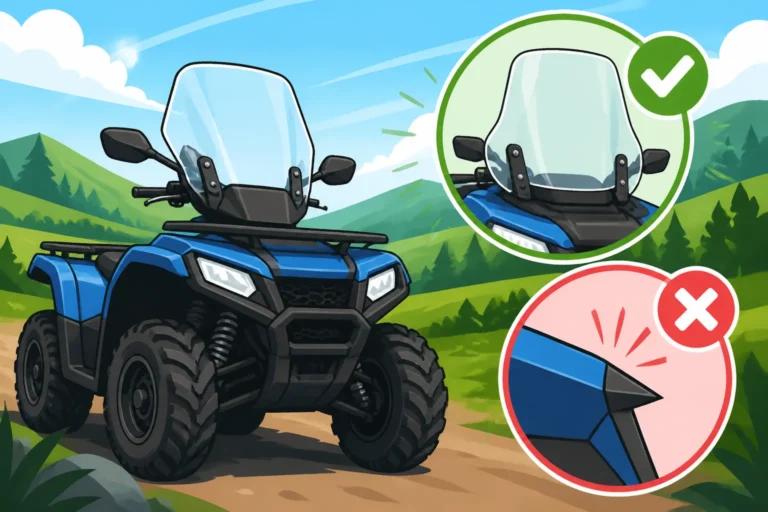
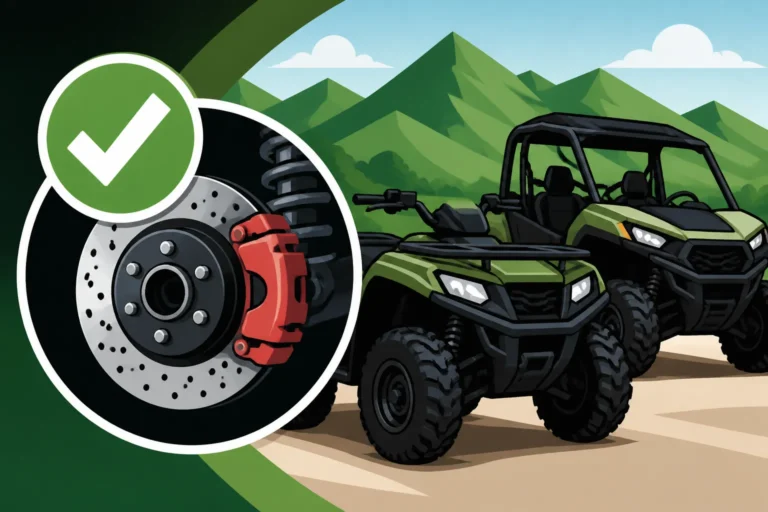
Next up is insurance and safety. Vermont law mandates that all ATVs and UTVs operated on public roads (including designated town roads) must carry liability insurance. It's smart to check your policy to ensure it covers off-road vehicle use, especially on public ways. The minimum coverage amounts are specific, so familiarize yourself with [Vermont ATV Insurance Requirements]. Furthermore, if you're under 18, you're generally required to complete an approved ATV safety course, as detailed in [Vermont ATV Safety Course Required Under 18]. And no matter your age, helmets are not optional in Vermont. Every rider and passenger must wear an approved helmet; see [Vermont ATV Helmet Law for Every Rider] for specifics. Your machine itself also needs to meet certain equipment requirements for road use, such as proper lighting, a muffler, and working brakes. Many riders enhance their machines with durable SuperATV windshields and roof kits, which offer added protection from the elements when traversing longer stretches of town roads. Essential [Vermont ATV Equipment Requirements] include functioning headlights, taillights, and reflectors, particularly if you're riding near dusk or dawn.
Navigating Local Nuances and Etiquette
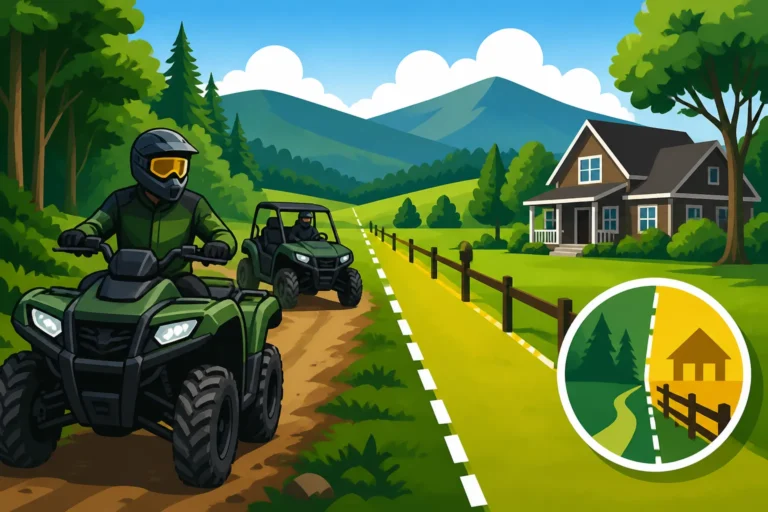
Riding on town roads is a privilege, and maintaining that privilege hinges on respectful and responsible behavior. Unlike dedicated trails, town roads are shared spaces used by residents for their daily lives. This means being mindful of noise – keep your RPMs down, especially near homes, and ensure your muffler is in good working order. Dust can also be a major concern for residents, particularly during dry spells on dirt roads. Slowing down when passing homes or other road users can significantly mitigate dust impacts. Remember that [Vermont Trespass Law for Riders] is strictly enforced; always stay on the designated road and do not veer onto private property.
Awareness of your surroundings is crucial. Town roads are used by cars, trucks, farm equipment, pedestrians, and cyclists. Always yield the right of way, adhere to all traffic laws (stop signs, yield signs), and assume other road users might not expect an ATV or UTV. The specific [Vermont ATV Road Rules by Town] can vary, so always be on the lookout for local signage regarding speed limits or curfews. Being a good ambassador for the sport ensures that town selectboards continue to view ATV/UTV recreation positively. If you see something that needs attention, like a downed sign or an obstacle, report it to the local VASA club or town office rather than trying to fix it yourself.
Finally, always check for seasonal closures. Mud season in Vermont (typically spring) can lead to temporary closures of dirt roads, including those designated for ATV use, to prevent damage. Be proactive, check local town websites, and consult VASA's updates for the latest information on trail and road conditions. This helps prevent frustration and ensures your trip is enjoyable and hassle-free.
Northeast Kingdom Town ATV/UTV Road Access Overview
| Town/Area | Typical Road Access | Key Restrictions | Notes |
|---|---|---|---|
| Brighton (Island Pond) | Extensive | Specific speed limits, night curfews, designated routes | Major hub, excellent trail connections. Check local ordinance for precise rules and hours. |
| Newport City | Limited/Designated | Marked city routes, strict speed limits, noise awareness | Primarily for connecting trails to amenities. Be highly visible and courteous in urban areas. |
| Other Essex & Orleans Counties | Varies by town | Check local selectboard decisions, VASA maps | Many smaller towns may have specific roads open; always verify current designations before riding. |
Disclaimer
This article is for general informational purposes only and does not constitute professional advice. Laws, prices and regulations vary by location and change over time. Consult a qualified professional for guidance on your specific situation.