Crossing Where a Trail Meets Pavement
Ah, the moment of truth! You're cruising along a beautiful Vermont ATV trail, enjoying the peace and solitude of the woods, the crunch of gravel under your tires, or the satisfying slosh through a muddy section. Then, suddenly, there it is: a paved road. It can be a jarring transition, filled with uncertainty about rules, safety, and whether you're even allowed to be there. This guide is here to clear up that confusion, giving you the confidence to navigate those necessary pavement crossings legally and safely, ensuring your adventure continues uninterrupted.
The Inevitable Pavement Interruption: Why Trails and Roads Converge
Anyone who's spent time riding Vermont's extensive VASA trail network knows that it's not always one continuous ribbon of dirt. Our incredible trail system, which relies heavily on the goodwill and cooperation of private landowners, often needs to use designated town roads to connect different sections of trails. This means that encountering pavement is a regular, and necessary, part of the Vermont riding experience. It's not a flaw in the system; it's how the system works to give us the most mileage possible.
Why Trails and Roads Converge
Think of Vermont's ATV trails as a patchwork quilt. Each square is a piece of private land where a landowner has graciously granted permission for riders to pass. But these squares aren't always contiguous. To link them together and create longer, more enjoyable routes, the VASA system strategically utilizes town roads. These aren't major state highways, mind you, but often smaller, local roads, village streets, or even rural blacktop stretches that see less traffic. It's a pragmatic solution that allows riders to explore vast swaths of the state, moving seamlessly from one wooded trail section to another. Without these road connectors, many of our favorite loops and long-distance rides simply wouldn't be possible. The trick, then, is to understand that when you transition from dirt to asphalt, you're not just changing surfaces; you're often changing the legal landscape you're riding in, even if it's just for a few hundred feet. It's a common experience that underscores the unique nature of riding in our beautiful state.
The Legal Line in the Sand: What Changes on Pavement
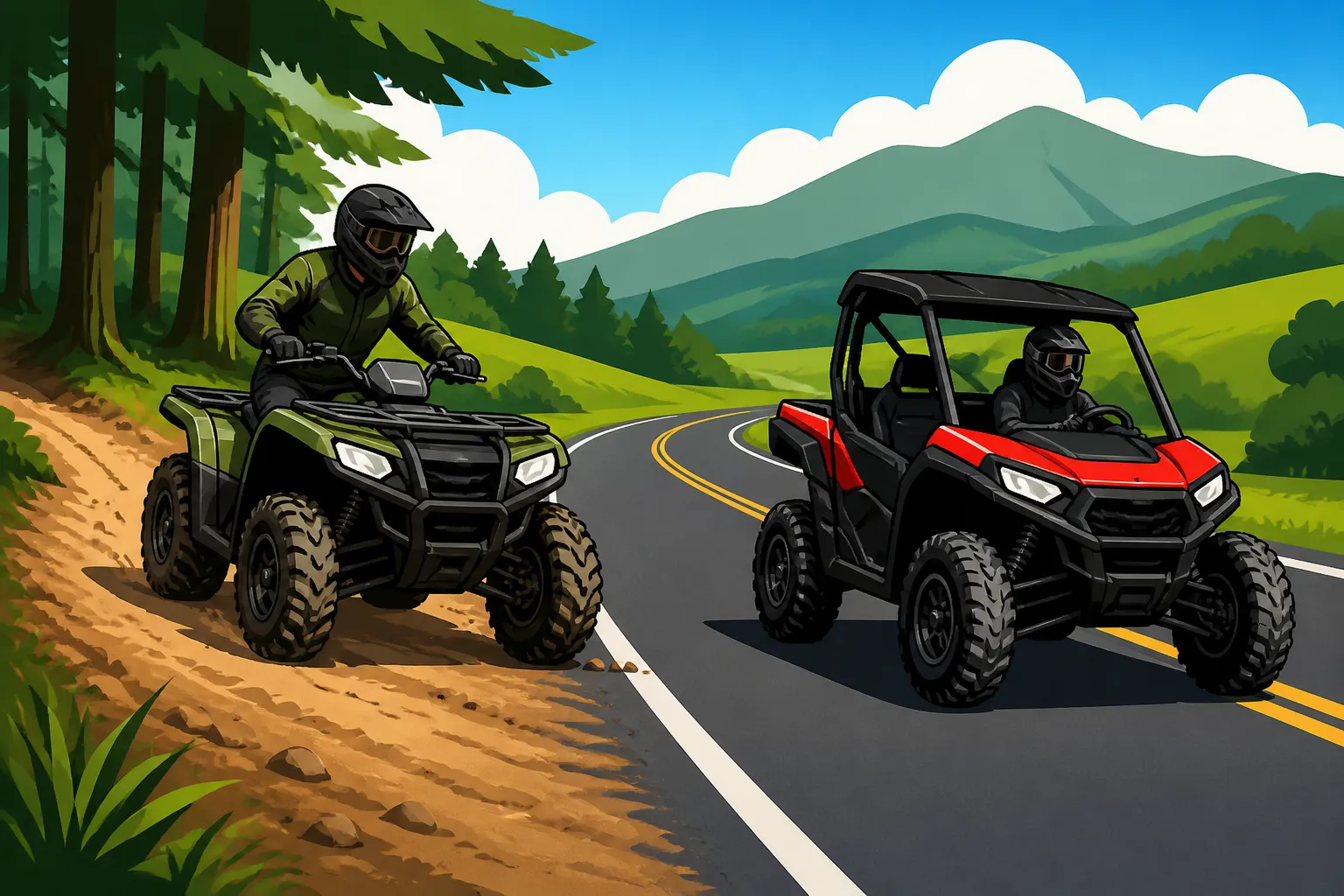
The moment your tires leave the dirt or gravel trail and touch pavement, you're entering a different legal zone. On a private trail corridor, you're primarily governed by VASA rules, landowner agreements, and general ATV safety guidelines. However, on a designated town road, you are now operating a vehicle on a public thoroughfare, even if it's just to cross from one trail segment to another. This means you are subject to all the same traffic laws and regulations that apply to other motor vehicles on that particular road, in addition to specific ATV ordinances the town may have.
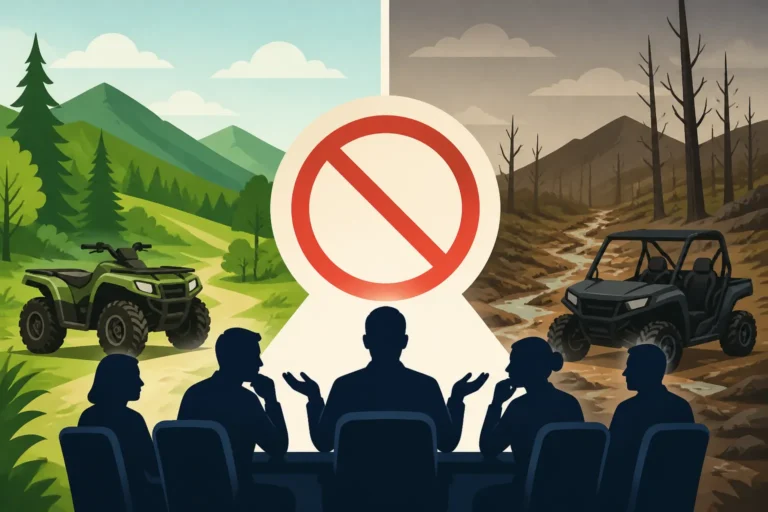
This is where the nuances of [Vermont ATV Road Rules: Towns Decide] become incredibly important. Each town in Vermont has the authority to open or close its roads to ATVs, and they can set their own specific rules regarding speed limits, hours of operation, and even equipment requirements. While the general state laws provide a baseline, local ordinances can add layers of complexity. What's perfectly fine on a VASA trail might be a violation the second you hit that paved connector, so understanding these distinctions is critical for avoiding tickets and ensuring safety. It's not about stifling your fun, but about maintaining harmony between riders and other road users, and protecting the privilege of road access that clubs and VASA have worked so hard to secure.
Navigating the Crossing Legally and Safely
Crossing a paved road, no matter how short the distance, demands a shift in mindset and adherence to specific rules. It's not just about getting from point A to point B; it's about doing so with respect for other motorists, pedestrians, and the local community, all while ensuring your own safety and the longevity of ATV access. This transition requires a keen awareness of your surroundings and making sure your machine is up to snuff for brief road travel.
Essential Equipment for Road Crossings
When you hit that paved surface, even for a moment, your ATV or UTV transforms, in the eyes of the law, into a road-going vehicle. This means certain equipment that might not be strictly necessary on a private trail becomes absolutely vital. First and foremost, you need to ensure your machine has working headlights and taillights, especially if there's any chance you'll be crossing during dawn, dusk, or nighttime hours. These are crucial for visibility to other drivers, and [Vermont Headlight and Tail Light Rules] are clear on this. Many riders choose to upgrade their factory lights for better illumination and to make their presence known.
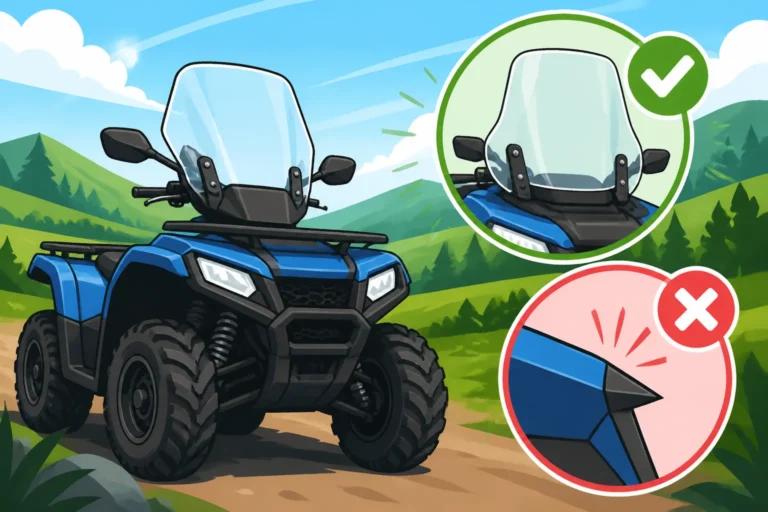
Another critical piece of equipment is a mirror. While not always mandatory on trails, many town ordinances for road access will require at least one functional rearview mirror. This allows you to monitor traffic approaching from behind without having to turn your whole body, which can be dangerous. You can find robust, trail-ready mirrors, sometimes even shatterproof models, from companies like SuperATV that are designed to withstand the rigors of off-road riding while still providing clear visibility on pavement. Finally, and this is non-negotiable, every rider and passenger must wear a helmet that meets federal safety standards, as per [Vermont ATV Helmet Law for Every Rider]. This isn't just a recommendation; it's the law for everyone, regardless of age, when operating an ATV in Vermont.
Rider Behavior and Right-of-Way
Beyond the equipment, your behavior as a rider dramatically changes when you transition to pavement. The rules of the road now apply, and that means being extra cautious. Before entering any paved road, you must come to a complete stop, just as you would at any intersection. Look both ways, and then look again, making eye contact with any approaching drivers if possible. Yield the right-of-way to all vehicular traffic already on the road, as well as pedestrians and bicyclists. You are the one crossing their path, so they have priority.
Once you’ve confirmed the way is clear, proceed across the road directly and safely. Do not weave, perform stunts, or engage in any behavior that could be perceived as reckless or endanger others. Adhere strictly to any posted speed limits for that road, and be mindful that these are often much lower in residential areas or village centers. Your objective is to cross the paved section as efficiently and safely as possible to get back onto the designated trail. Remember, the privilege of using these road connectors is granted by local [Vermont Selectboards Open Roads Each Year], and unsafe behavior can jeopardize that access for everyone. Be a good ambassador for the sport, and always prioritize safety over speed.
Understanding Local Ordinances
One of the biggest challenges for ATV riders in Vermont is the variability of local rules. While state law provides a framework, towns have significant autonomy in regulating ATV use on their roads. This means that the rules for crossing a paved section in one town might be slightly different from those in an adjacent town. Some towns might have specific curfews, restrict ATV access to certain hours, or even have particular equipment requirements beyond the state minimum.
It is absolutely crucial to do your homework before you ride. Check the town's official website or reach out to the town clerk's office for their specific ATV ordinance. Many VASA club maps will also indicate which roads are open and any special conditions that apply. Ignoring these local rules isn't just a minor oversight; it can lead to fines and, more importantly, can erode public trust and lead to the closure of valuable connectors. A quick call or online search can save you a lot of hassle and ensure your ride remains enjoyable and legal. Don't assume that because one paved section was open with certain rules, the next one will be the same. [Reading Your Town's Posted Route Map] is always a smart move.
Registration, Decals, and Documentation
Riding on any public road, even for a short cross-over, requires more than just knowing the local traffic laws. It demands that your machine is properly registered and that you have all the necessary documentation to prove it. For Vermont riders, and especially for those visiting from out of state, this means understanding the dual requirements of registration and the VASA Trail Access Decal (TAD).
Your Vermont Registration and TAD
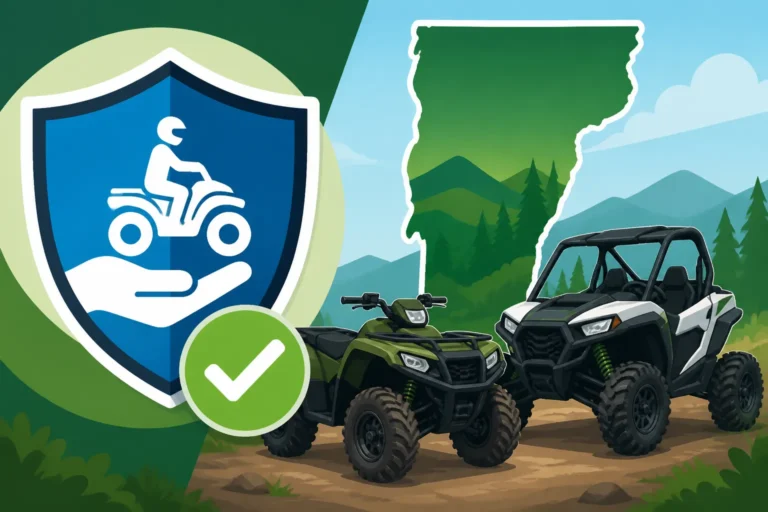
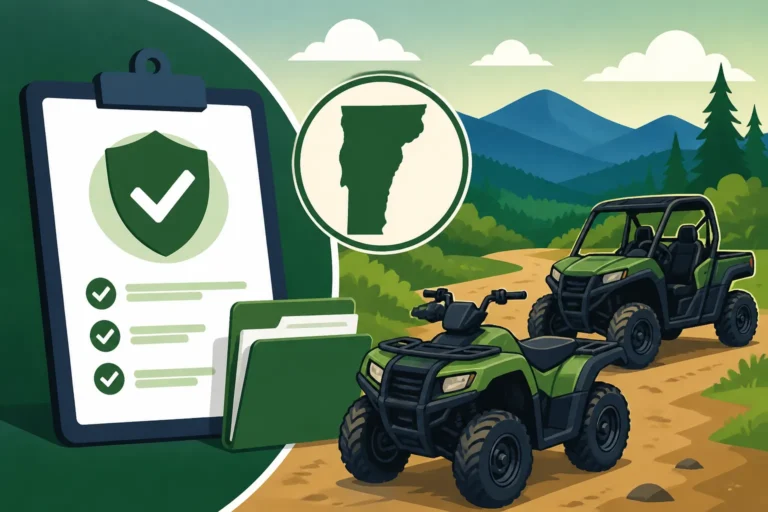
To legally operate an ATV or UTV on any designated road connector or VASA trail in Vermont, your machine must be registered with the Vermont Department of Motor Vehicles (DMV). This is a fundamental requirement, regardless of where you primarily ride. Your registration provides legal identification for your machine and helps fund trail maintenance and enforcement. Along with your registration, you must also display a valid VASA Trail Access Decal (TAD). The TAD is essentially your pass to ride on the VASA trail system, which includes those vital road connectors. Without both your [Vermont Registration Plus a TAD], you are not legally permitted to ride these routes.
The TAD helps fund the trail system, supporting the clubs and landowners who make riding possible. It's a small investment that goes a long way to maintain the trails we all love. When a warden or local law enforcement officer stops you during a road crossing, they'll be looking for both your current registration sticker and your TAD, placed correctly on your machine so it's easily visible, usually on the left-rear fender or a dedicated plate mount. Make sure these are always up-to-date before you hit the trails, as an expired registration or missing TAD can quickly turn a fun day into a frustrating one with a hefty fine.
Out-of-State Riders: Reciprocity and How It Applies
If you're visiting Vermont from another state, you might wonder if your home state's registration is sufficient for these paved crossings. Vermont does have reciprocity agreements with certain neighboring states, primarily Quebec, New Hampshire, and Maine. This means if your ATV or UTV is legally registered in one of these recognized jurisdictions, you generally don't need to obtain a separate Vermont registration. However, even with reciprocity, a critical requirement remains: you still need a Vermont Trail Access Decal (TAD) to ride on VASA trails and their designated road connectors.
So, for our friends from Quebec, New Hampshire, or Maine, you'll bring your home registration, but you must still purchase a [Vermont TAD Prices for Visitors] to access the trail network, including those necessary pavement sections. For riders from states not covered by reciprocity, you will need to register your machine in Vermont and purchase a TAD. It's vital to clarify these requirements before your trip to avoid any surprises. Always carry your registration documents, proof of insurance, and your ATV safety certificate if you're under the age of 18 or supervising a younger rider, as [What a Warden Can Ask to See] includes all these important items.
Common Pitfalls and How to Avoid Them
Even seasoned riders can sometimes make mistakes when it comes to paved road crossings. The blend of trail riding freedom with road-driving regulations can be tricky to navigate. Being aware of common pitfalls and proactively addressing them can save you headaches, fines, and potentially dangerous situations.
The "Just a Quick Hop" Mentality
It's tempting, especially if a paved section is only a few yards long, to think, "Oh, it's just a quick hop across; I don't need to be super careful." This "quick hop" mentality is a common pitfall and can be incredibly dangerous. Regardless of how short the paved segment, you are still on a public road, sharing it with cars, trucks, and potentially pedestrians or cyclists. Even on a quiet rural road, a car can appear over a blind hill or around a bend faster than you expect.
Treat every single road crossing as if it were a major intersection. Come to a complete stop, look in all directions, listen for approaching vehicles, and yield the right-of-way. Your registration, TAD, helmet, and appropriate lighting (if needed) must be in place and operational. Don't cut corners because the distance is short. The consequences of even a minor incident on a paved road can be severe, not only for your safety but also for the reputation of ATV riders in the community. Remember, it's these small, consistent acts of responsible riding that help ensure continued access to Vermont's trails and roads.
The Importance of Route Planning
Perhaps the most effective way to avoid issues with paved road crossings is to plan your route meticulously before you ever leave your staging area. Don't just head out hoping for the best. Utilize official VASA trail maps, club-specific maps, and any available online resources to clearly understand where the trails intersect with public roads. Identify these intersections in advance, noting their location, estimated length, and, if possible, any specific local ordinances that apply to those particular stretches.
Knowing in advance where you'll encounter pavement allows you to prepare mentally and physically. You can ensure your equipment is ready, slow your pace as you approach, and have a clear understanding of the rules of that specific road. It also helps you avoid inadvertently riding on a road that is not designated for ATV use, which can lead to trespassing charges or fines for riding an unregistered machine on public property. Companies like SuperATV offer a range of GPS mounting solutions and accessories that can help you keep your map or device visible and accessible, making route planning and real-time navigation much easier. A little time spent with a map or a GPS app before your ride can prevent a lot of stress and keep your adventure on track.
Table: Paved Road Crossing Checklist
Before you make that transition from dirt to asphalt, take a moment to confirm these essentials.
| Item | Requirement | Why It's Important |
|---|---|---|
| Vermont Registration | Valid, current registration sticker displayed | Legal requirement for road use, funds state programs |
| VASA Trail Access Decal | Valid, current TAD displayed | Required for VASA trail system access, including connectors |
| Helmet | Worn by ALL riders and passengers, meeting FMVSS/ASTM standards | Mandatory safety equipment, protects against head injury |
| Working Headlights | Both low and high beam functional | Visibility to other drivers, day or night |
| Working Taillights/Brake Lights | Functional, clearly visible | Alerts drivers behind you, especially when stopping |
| Rearview Mirror | At least one functional mirror | Allows rider to check for rear traffic safely |
| Proof of Insurance | Carried on your person or machine | Mandatory liability coverage, [Vermont ATV Insurance Requirements] |
| Safety Certificate | Required for riders under 18 or supervising them | Demonstrates basic riding knowledge, Vermont Safety Course Required Under 18 |
| Knowledge of Local Rules | Aware of town-specific speed limits, curfews, etc. | Avoids fines, ensures community harmony, maintains access |
| Complete Stop | Stop before entering paved road, yield to traffic | Prevents collisions, fundamental road safety |
| Respectful Behavior | Ride slowly, quietly, courteously; no stunts or weaving | Maintains positive image for ATVs, secures future road access |
Disclaimer
This article is for general informational purposes only and does not constitute professional advice. Laws, prices and regulations vary by location and change over time. Consult a qualified professional for guidance on your specific situation.