How a Vermont Selectboard Opens a Road to ATVs
One of the biggest head-scratchers for ATV and UTV enthusiasts in Vermont is figuring out where you can actually ride your machine. It’s not always as simple as finding a trail; sometimes, you need to use town roads to connect those trails, get to a gas station, or even just head home. This guide will walk you through the often-complex, sometimes-frustrating process of how a local Vermont selectboard decides whether to open a town road to ATVs, and what that means for you as a rider.
Understanding Vermont's ATV Road Access Landscape
Navigating the rules for ATV and UTV access in Vermont can feel like trying to find your way through a dense forest without a map. Riders often scratch their heads wondering why one town welcomes off-road vehicles on its roads while the neighboring town strictly forbids it. This isn't just arbitrary local preference; it's rooted deeply in Vermont's approach to local governance and its specific laws regarding ATV use. The state delegates a significant amount of power to individual towns, making the landscape highly fragmented but also incredibly responsive to local community needs and concerns.
The Local Control Principle
The foundational truth in Vermont for ATV road access is that towns hold the keys. Unlike some states where a blanket state law might open all secondary roads, Vermont takes a hyper-local approach. This means that each of Vermont's 200-plus towns and cities has the authority, through its elected selectboard, to decide which, if any, of its town-maintained roads can be used by ATVs and UTVs. This can be both a blessing and a curse for riders; while it allows local communities to tailor rules that fit their specific character and infrastructure, it also means that the rules can change literally at every town line. Imagine riding a perfectly legal route, crossing into the next town, and suddenly being in violation because their selectboard hasn't designated the road for ATV use. It's a real and frequent frustration. This is why understanding [Vermont ATV Road Rules: Towns Decide] is absolutely crucial for any rider hoping to connect the dots on their maps.
This local control extends beyond just opening roads; it also encompasses the specific conditions under which these roads can be ridden. A selectboard might designate a road but impose strict curfews, speed limits, or seasonal restrictions. They might require specific signage or even limit the types of ATVs or UTVs allowed, for example, prohibiting machines that are exceptionally wide. This granularity reflects the diverse nature of Vermont's towns, from bustling village centers to quiet rural communities, each with its own set of concerns regarding noise, dust, and traffic safety.
The Annual Designation Process
Here’s another critical piece of information that often catches riders off guard: an open road isn't necessarily open forever. Vermont law requires that any town road designated for ATV use must be annually reviewed and designated by the selectboard. This isn't a "set it and forget it" kind of deal. Every single year, typically in the spring, the selectboard needs to actively vote to re-open those roads. If they don't, even if they simply forget or choose to take no action, those roads revert to being closed to ATVs by default. It’s a detail that underscores the impermanence of ATV access and the constant vigilance required from both riders and town officials.
This annual review process is why riders often feel like they're on pins and needles, waiting to see which routes will be available each season. It’s not just a formality; it's an opportunity for the selectboard to reassess the impact of ATV use over the past year. Have there been noise complaints? Accidents? Damage to road infrastructure? All these factors can influence their decision to renew a designation. This dynamic means that what was open last year might not be open this year, highlighting the importance of checking local ordinances and signage before every riding season. You can dive deeper into this critical aspect by reading [Why Vermont Road Designations Must Be Renewed Yearly] and [What Happens If a Board Takes No Action].
Distinguishing Town Roads from State Highways
It's absolutely vital for riders to understand the difference between town-maintained roads and state highways in Vermont. While local selectboards have the authority over town roads, they have no jurisdiction over state routes, which are typically identified by numbers like Route 2, Route 100, or Route 7. State highways, with very few exceptions for specific crossings or short segments designated by the state itself, are generally off-limits to ATVs and UTVs. Trying to ride your machine on a state highway can lead to serious fines and is simply not allowed.
This distinction is crucial for safety and legality. Town roads are often less traveled, sometimes gravel or dirt, and might be more suitable for ATV speeds and handling. State highways, on the other hand, are designed for higher-speed motor vehicle traffic, and mixing ATVs with cars and trucks on these routes poses significant safety risks. Riders often yearn for direct connections between trail systems, and while town roads can sometimes provide these links, state highways almost never will. Always consult a map that clearly distinguishes between state and town roads, and stick to the routes explicitly designated by local selectboards.
The Role of the Selectboard in Opening Roads
The selectboard is the beating heart of local governance in Vermont towns. For anyone looking to understand or influence ATV road access, knowing how these elected officials operate is paramount. They’re not just figureheads; they are the decision-makers, balancing community interests, budget constraints, and legal obligations. Their process for opening roads to ATVs is multifaceted, involving public engagement, careful consideration of practical impacts, and adherence to specific legal frameworks.
What is a Selectboard?
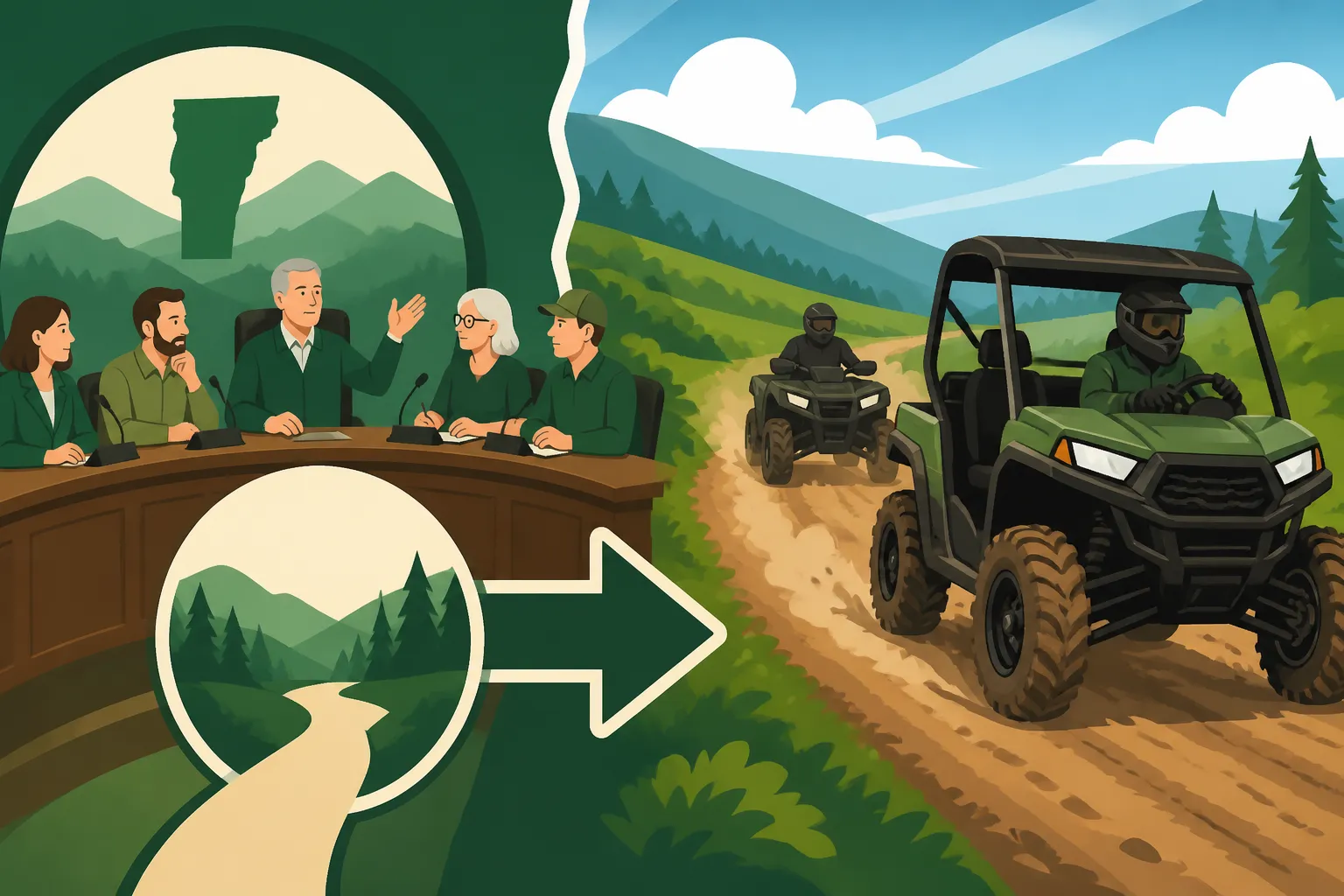
In Vermont, the selectboard (or town council in some larger municipalities) is the primary legislative and executive body of the town. These are typically elected volunteers from the community, serving staggered terms, and they meet regularly—often weekly or bi-weekly—to manage town affairs. Their responsibilities are vast, ranging from setting the town budget and overseeing town employees to maintaining infrastructure like roads, bridges, and public buildings. When it comes to ATVs, the selectboard is the ultimate authority for deciding which town roads, if any, will be opened for use.
These individuals are your neighbors, business owners, farmers, and retirees. They live in the community and are directly impacted by the decisions they make. This proximity means they are often well-versed in local concerns, but it also means they can be swayed by strong local opinions, both for and against ATV access. Engaging with your selectboard members, respectfully sharing your perspective, and understanding their challenges is key to fostering positive outcomes for ATV riding in your area. For more context on their role, look into [Vermont Selectboards Open Roads Each Year].
Receiving and Reviewing Public Input
Before a selectboard can even think about opening a road, they typically need to hear from the public. This input usually comes in a few forms: direct conversations with individual selectboard members, written letters or emails, and formal petitions. A well-organized petition from local residents and ATV enthusiasts can be a powerful tool, demonstrating a clear desire from a segment of the community to gain access. These petitions outline the specific roads or sections of roads that riders wish to use and provide the selectboard with a tangible request to consider.
Once received, the selectboard is obligated to review this input carefully. They often discuss these requests during their regular public meetings, where community members have an opportunity to speak during the public comment period. This is where the rubber meets the road, so to speak, for advocacy. Riders need to clearly articulate the benefits of ATV access, whether it's for tourism, connecting trails, or providing a safe way to access local services. Equally important, they need to be prepared to address concerns raised by residents who might oppose ATV use due to noise, dust, safety, or perceived impacts on property values. Understanding how to present your case effectively, and anticipating counter-arguments, is vital. This is also where discussions about [Vermont Town Meeting Votes on ATV Roads] might come into play, although actual road designation typically falls to the selectboard.
Considering Safety and Infrastructure Impacts
Beyond public opinion, a selectboard must seriously consider the practical implications of opening roads to ATVs. Safety is paramount. They will look at the speed limits on proposed roads, the volume of other traffic, sightlines, blind curves, and any known accident hotspots. The width of the road and whether it can safely accommodate both traditional vehicles and ATVs is another key factor. Will a designated route lead ATVs through a busy village center or a quiet residential neighborhood with children playing? These are the types of questions that weigh heavily on their minds.
Infrastructure impact is another major concern. Many Vermont town roads, especially gravel ones, are not built to withstand heavy traffic, let alone the specific wear and tear that ATVs and UTVs can inflict. Dust can be an issue for nearby residents, and if not properly maintained, increased ATV traffic can contribute to potholes, washboarding, and erosion, especially during wet seasons. Selectboards are responsible stewards of town funds, and they must assess whether opening roads will lead to increased maintenance costs for the town's highway department. For this reason, groups like SuperATV, known for their durable parts and accessories, are often discussed among riders who understand the importance of having well-maintained machines that minimize impact on roads and trails. They may also consider the type of [Vermont ATV Equipment Requirements] that could mitigate some of these concerns, such as specific tire types or muffler standards.
The Formal Steps to Designate an ATV Route
Once a selectboard has heard public input and considered the practicalities, the process of formally designating an ATV route moves into a more structured, legal phase. This isn't just a handshake agreement; it involves specific legal requirements designed to ensure transparency, fairness, and compliance with state statutes. Each step is deliberate and must be followed meticulously to create a valid and enforceable ATV ordinance.
Public Hearings and Community Engagement
A critical step in the formal designation process is holding one or more public hearings. These hearings are legally mandated and provide a structured forum for all interested parties—residents, landowners, business owners, and ATV enthusiasts—to voice their opinions on the proposed road designations. Notices for these hearings must be properly advertised, usually in local newspapers and on the town website or bulletin board, well in advance. This ensures that everyone in the community has a fair chance to participate.
During these hearings, the selectboard will typically present the proposed roads for ATV use, explain their reasoning, and then open the floor for testimony. This is a crucial opportunity for riders to show up in numbers and articulate the benefits of ATV access, perhaps by highlighting potential economic boosts for local businesses or connecting important trail systems. Conversely, it's also where opponents will raise their concerns about noise, safety, and privacy. The selectboard listens to all feedback, which then informs their final decision-making process. The tone of these meetings can be intense, so respectful and fact-based arguments from all sides are essential for productive outcomes.
Drafting and Adopting an Ordinance
Following the public hearings, if the selectboard decides to move forward, they will begin drafting an official town ordinance (or amending an existing one) that specifically allows and regulates ATV use on designated roads. This isn't a simple "yes" or "no" vote. A comprehensive ordinance includes several key provisions:
- Designated Routes: Clearly identifying which specific roads or segments of roads are open.
- Operating Hours: Establishing specific times of day or night when ATVs are allowed. Often, there are curfews to mitigate noise impacts on residents.
- Seasonal Restrictions: Specifying the months or seasons when roads are open, often aligning with the VASA trail season (typically May to October) and avoiding mud season.
- Speed Limits: Setting specific speed limits for ATVs on these roads, which might be lower than the posted speed limit for cars.
- Equipment Requirements: Reinforcing state safety requirements for helmets [Vermont ATV Helmet Law for Every Rider], insurance [Vermont ATV Insurance Requirements], and registration, and sometimes adding local stipulations for mufflers or lighting.
- Enforcement: Outlining how the ordinance will be enforced by local law enforcement.
Once drafted, the proposed ordinance typically undergoes another review period, sometimes with further public input, before the selectboard votes to officially adopt it. This adoption makes the rules legally binding for that town.
Posting Signs and Notifying the Public
After an ordinance is adopted, the town has a responsibility to clearly mark the designated ATV routes. This is usually done through official signs posted at the entry points of open roads and at key intersections. These signs serve as explicit notification to riders, making it clear where they are legally allowed to operate their machines. Without proper signage, even an adopted ordinance can be difficult to enforce or understand. [Routes Posted With Official Signs] highlights the importance of these physical markers.
In addition to physical signs, the town will generally provide public notification of the new or amended ordinance through official channels. This might include publishing it in the town report, on the town website, or in local newspapers. The goal is to ensure that both residents and visitors are aware of the rules. For riders, it’s always a good practice to check the town's official website or contact the town clerk for the most up-to-date information, as signage can sometimes be damaged or removed. Never assume a road is open just because you don't see a "closed" sign; always look for positive signage indicating it is open.
Factors Influencing a Selectboard's Decision
A selectboard's decision to open or close roads to ATVs is rarely simple. It's a complex balancing act, weighing various community interests, potential impacts, and practical considerations. There are often passionate arguments on both sides, and selectboard members must try to find a solution that best serves the overall good of the town.
Community Support Versus Opposition
This is arguably the most significant factor. If a selectboard perceives overwhelming community support for opening roads, their decision-making process can be smoother. This support often comes from local ATV clubs, business owners who see the economic benefits of tourism, and residents who enjoy riding. Conversely, strong community opposition, often driven by concerns about noise, dust, increased traffic, or perceived degradation of rural character, can lead a selectboard to deny access or severely restrict it.
Selectboard members are ultimately accountable to the voters, and they pay close attention to the sentiment expressed at public hearings, through petitions, and in everyday conversations. A well-organized group of advocates for ATV access, demonstrating responsible riding practices and a commitment to community engagement, can be very persuasive. However, it only takes a few vocal opponents with legitimate concerns to shift the debate. This push and pull means that riders need to continuously engage with their communities, not just when they want a road opened, but throughout the riding season to maintain good relationships. This active participation can be the difference between a thriving local riding scene and roads that remain perpetually closed. For insights into community influence, consider [Vermont Petitions to Open a Road] or even petitions to close them.
Safety Concerns and Liability Considerations
Safety is always a top priority for any governing body. Selectboards will evaluate the inherent risks of mixing ATVs and UTVs with other traffic, pedestrians, and cyclists on town roads. They'll consider factors like road width, speed limits, visibility, and the general character of the area. Concerns about potential accidents, especially involving children or vulnerable road users, weigh heavily. While most ATVs are built tough (many using parts from companies like SuperATV for enhanced durability and safety), the human element of riding, particularly for inexperienced or reckless operators, can introduce significant risks.
Beyond immediate safety, towns must also consider their legal liability. If an accident occurs on a designated ATV road, questions about the town's responsibility can arise. This leads to careful consideration of insurance requirements for riders [Vermont ATV Insurance Requirements], the adequacy of signage, and the town's capacity for enforcement. If the local police department or sheriff's office is already stretched thin, adding the responsibility of patrolling ATV routes might be seen as an undue burden or an unfeasible task, influencing the selectboard's willingness to open roads.
Economic Benefits and Tourism Potential
On the positive side, many selectboards recognize the potential economic benefits that ATV and UTV tourism can bring to their towns. When riders have legal routes to access gas stations, restaurants, lodging, and shops, they spend money, boosting local economies. Towns in regions like the Northeast Kingdom, for example, have seen significant economic revitalization tied to the popularity of outdoor recreation, including ATV riding. The ability to ride directly from a trail system into a village for lunch or to refuel can be a huge draw for visitors.
Proponents of ATV access often highlight these economic advantages, presenting data on visitor spending and local business support. For towns struggling with population decline or limited economic opportunities, the promise of increased tourism can be a compelling argument for opening roads. The challenge for selectboards is often to balance these potential economic gains against the concerns of residents who might prioritize peace and quiet over tourist dollars. Finding this balance requires careful consideration and often creative solutions, such as designating specific routes that minimize impact on residential areas while still providing access to businesses.
Living with Designated ATV Roads: Rider and Town Responsibilities
Once a selectboard has gone through the process and successfully designated town roads for ATV use, the job isn't over. In fact, it's just beginning. Both riders and the town itself take on significant responsibilities to ensure the system works smoothly, safely, and respectfully for everyone involved. Without adherence to these responsibilities, the hard-won access can quickly be jeopardized.
Rider Responsibilities on Town Roads
For us riders, having access to town roads is a privilege, not an inherent right, and it comes with clear obligations. First and foremost, obey the law. This means adhering to all posted speed limits—which might be lower for ATVs than for cars—and following any specific curfews or seasonal restrictions outlined in the town's ordinance. Loud exhaust or excessive speed can quickly generate complaints from residents, leading to stricter enforcement or even the revocation of road access. Consider upgrading your machine with high-quality, quiet mufflers, perhaps from a reputable company like SuperATV, to be a good neighbor.
Beyond the specific ordinance, general responsible riding applies. This includes:
- Registration and Insurance: Your machine must be registered with the Vermont DMV and have the required liability insurance [Vermont ATV Insurance Requirements]. This isn't optional, and wardens will check.
- Helmets: Helmets are mandatory for all riders and passengers in Vermont [Vermont ATV Helmet Law for Every Rider]. No exceptions.
- Staying on Designated Routes: Do not deviate from the clearly marked roads. Trespassing onto private property or venturing off-road where not permitted is a surefire way to erode trust and lose access.
- Respectful Behavior: Be mindful of noise, dust, and other residents. Slow down when passing homes, yield to pedestrians and other vehicles, and pack out everything you pack in. Leaving trash or creating ruts is unacceptable.
- Road Rules: Treat town roads as you would any other public thoroughfare. Stop at stop signs, use appropriate hand signals or turn signals, and drive defensively. Remember, you're sharing the road.
Failure to uphold these responsibilities not only puts individual riders at risk of fines but also jeopardizes the future of ATV access for the entire riding community. [Riding Home From the Trailhead] might seem simple, but it still requires full compliance with all rules.
Town Responsibilities for Maintenance and Enforcement
The town's role doesn't end after adopting the ordinance. They have ongoing responsibilities to ensure the designated routes remain safe and that the rules are followed.
- Signage Maintenance: Towns are responsible for ensuring that all designated road signs are clearly visible, intact, and up-to-date. If a sign is damaged or missing, it's important for the town to replace it promptly. This ensures that riders know where they can legally operate.
- Road Maintenance: While ATVs may not cause the same level of wear as heavy trucks, increased traffic can contribute to dust and road surface degradation. Towns are expected to monitor these roads and perform necessary maintenance to keep them in reasonable condition, mitigating impacts on residents.
- Enforcement: Local law enforcement—town police, county sheriff's deputies, or state game wardens—are responsible for enforcing the ATV ordinance. This includes monitoring speed, ensuring machines are registered and insured, and addressing noise complaints or off-route riding. Effective, consistent, and fair enforcement is key to maintaining order and compliance.
- Communication: Towns should maintain clear communication with residents and ATV clubs about any changes to ordinances, seasonal closures, or specific concerns.
Without the town upholding its end of the bargain, the system can break down, leading to confusion, conflict, and a diminished riding experience.
The Cycle of Annual Review and Renewal
As mentioned earlier, a designated ATV road is not a permanent fixture. It's subject to an annual review and renewal process by the selectboard. This means that every year, typically before the start of the riding season, the selectboard will revisit the existing ATV ordinances and make a decision to either re-designate the roads, amend the ordinance, or let the designation lapse. [Why Vermont Road Designations Must Be Renewed Yearly] is an important read here.
This annual cycle is a critical point for both riders and town residents. It’s an opportunity for towns to adjust to new circumstances, address ongoing complaints, or expand access if the previous year was successful. For riders, it means actively engaging with the selectboard each year, reminding them of the positive impacts, and reinforcing the commitment to responsible riding. If the selectboard takes no action on an existing designation, those roads revert to being closed to ATVs by default. This makes proactive communication and advocacy from the ATV community absolutely essential to ensure that previously opened roads remain accessible year after year.
When Things Go Differently: Petitions and Closures
The process of opening roads to ATVs isn't always a smooth, one-way street. Community dynamics can change, new concerns can arise, or sometimes, initial designations just don't work out as planned. In these situations, residents or the selectboard itself may take action to alter or even rescind previously granted access. Understanding these possibilities is crucial for long-term planning and advocacy.
Resident Petitions to Open or Close Roads
Just as residents can petition a selectboard to open roads to ATVs, they can also petition to close them. This often happens if an existing ATV route generates significant complaints from nearby residents regarding excessive noise, dust, speeding, or environmental concerns. A petition signed by a substantial number of townspeople, especially those living directly on or near the designated routes, can prompt the selectboard to reconsider their previous decision. These petitions are a formal way for residents to voice their collective dissatisfaction and demand action.
Conversely, if a selectboard has been hesitant to open roads in the past, a new, well-supported petition from ATV enthusiasts, perhaps demonstrating a strong commitment to responsible riding and local economic benefits, can reignite the discussion. This democratic process ensures that town governance remains responsive to the evolving needs and concerns of its citizens. Knowing how to [Vermont Petitions to Close a Road] work, or how to launch one to open a road, empowers citizens to participate actively in their local government.
Selectboard Action to Amend or Rescind Ordinances
Based on public input, observations, or new information, a selectboard might decide to amend an existing ATV ordinance or, in more extreme cases, completely rescind it. Amending an ordinance could involve:
- Adjusting Operating Hours: Shortening evening hours or altering seasonal dates to reduce impact.
- Adding Restrictions: Imposing stricter speed limits on certain segments or limiting the size of machines allowed.
- Modifying Routes: Removing a particularly problematic section of road from the designated network.
Rescinding an ordinance means completely closing previously open roads. This is a more drastic step, usually taken when persistent issues (like repeated safety violations, irreparable noise complaints, or significant environmental damage) cannot be resolved through amendments. Before taking such action, the selectboard would typically hold additional public hearings to gather further input, especially from the riding community, to explain their reasoning and hear last-minute arguments. It's a testament to the dynamic nature of local governance, and why rider responsibility is so critical year-round.
The Importance of Ongoing Communication
In all matters relating to ATV road access, clear, respectful, and ongoing communication between riders, landowners, the VASA organization, local ATV clubs, and the town selectboard is paramount. When communication breaks down, misunderstandings fester, and trust erodes, often leading to negative outcomes for riders.
- Riders communicating with towns: Regularly attend selectboard meetings, even when there are no immediate issues. Offer to help with trail maintenance, participate in town events, and consistently demonstrate responsible riding behavior. If you have concerns, voice them respectfully and seek solutions.
- Towns communicating with riders and residents: Clearly publish ordinances, updates, and reasons for decisions. Maintain accessible channels for feedback and complaints.
- VASA and local clubs as intermediaries: These organizations often play a crucial role in facilitating communication, educating riders, and advocating on behalf of the ATV community. Joining a local club and supporting VASA are excellent ways to contribute to maintaining and expanding access.
By fostering strong relationships and maintaining open lines of communication, the ATV community can help ensure that Vermont towns continue to find ways to integrate responsible off-road recreation into their vibrant rural landscape. Even in towns that currently have [Vermont Towns That Never Opened a Road], persistent, respectful communication can slowly chip away at resistance and build a case for future access.
Disclaimer
This article is for general informational purposes only and does not constitute professional advice. Laws, prices and regulations vary by location and change over time. Consult a qualified professional for guidance on your specific situation.