Vermont Riding Around Newport
Navigating the beautiful, winding roads and sprawling trail networks of Vermont can feel like an adventure waiting to happen, but for ATV and UTV riders, knowing the local rules and understanding the best places to stage your ride is paramount. Especially when you're eyeing a spot like Newport, nestled in the heart of the Northeast Kingdom, it can be a bit confusing to figure out where you can legally ride, what the town expects, and how to make the most of your time. This guide is here to untangle those complexities, helping you plan an epic and lawful ATV or UTV adventure around Newport, Vermont.
Why Newport, Vermont, is an Ideal ATV/UTV Hub
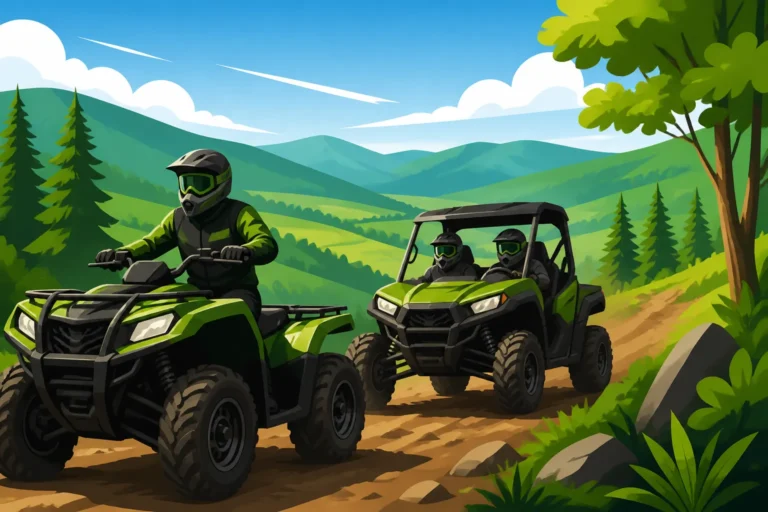
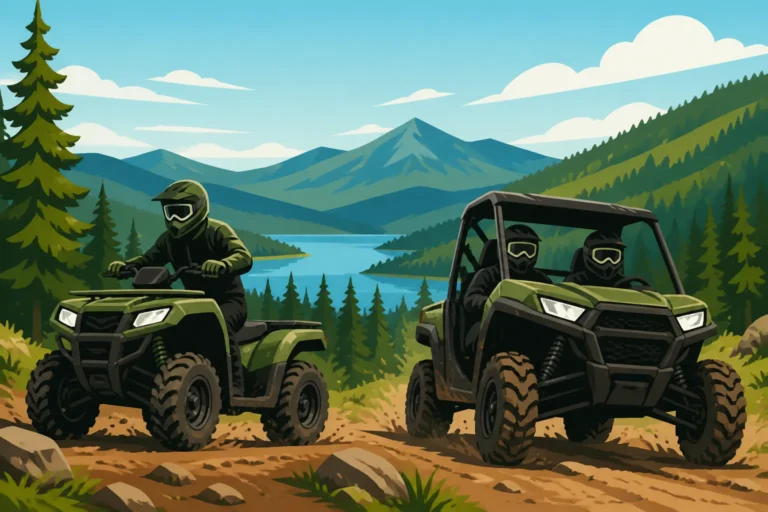
Newport, Vermont, truly holds a special place in the hearts of many outdoor enthusiasts, and ATV/UTV riders are no exception. Nestled on the southern shore of the majestic Lake Memphremagog and right in the heart of the famed Northeast Kingdom, it's not just a picturesque town; it's a strategic launching pad for some of the state's most exhilarating off-road experiences. This region is known for its rugged beauty, vast forest lands, and a trail system that, while ever-evolving, promises incredible views and challenging terrain.
One of the biggest draws of Newport as a base for riding is its accessibility to the wider VASA (Vermont ATV Sportsman's Association) trail network. While not every street within the city limits is open to ATVs and UTVs, the town has made efforts to connect riders to the main corridors. This means you can often stage your ride from local lodging or parking areas and get onto designated trails or town roads that lead to them without having to trailer your machine for miles. Think about it: waking up, rolling out of your cabin or motel, and being able to hit the trail within minutes. That’s the kind of convenience that makes a riding trip truly relaxing. The sheer volume of interconnected trails and [Vermont Trails Connected by Town Roads] offers an expansive playground for riders of all skill levels, from those just starting out to seasoned veterans looking for a multi-day adventure.
Beyond the trails themselves, Newport offers a robust infrastructure that caters to visitors. You'll find gas stations, restaurants, and shops where you can stock up on supplies or grab a meal after a long day in the saddle. Having these amenities readily available means less time worrying about logistics and more time enjoying the ride. It’s comforting to know that if you need a quick repair, a meal, or just a comfortable bed, it’s all within easy reach. Plus, the community often welcomes riders, understanding the economic boost that ATV and UTV tourism brings to the region. This isn't just a place to ride; it's a place to experience genuine Vermont hospitality.
The Northeast Kingdom's Allure for Riders
The Northeast Kingdom (NEK) of Vermont is legendary for its wild, untamed landscapes and relatively sparse population, making it a perfect backdrop for ATV and UTV adventures. This vast region encompasses Essex, Orleans, and Caledonia counties, and it's where you'll find some of the most extensive and diverse trail systems in the state. From dense forests to rolling hills and even some challenging rocky sections, the terrain here truly offers something for everyone. Riding here gives you a sense of being truly immersed in nature, far from the hustle and bustle of city life. The air is fresh, the views are expansive, and the trails offer a true escape.
Clubs like the Border Line Ridge Riders, which operates in the Newport area, are instrumental in maintaining and expanding these trails. Their hard work ensures that riders have safe, well-marked paths to explore. These clubs are often volunteer-run, and they dedicate countless hours to brushing trails, fixing culverts, and putting up signage. [Vermont ATV Clubs and What They Maintain] is a testament to their dedication. Joining one of these clubs or at least supporting them by purchasing your [Vermont TADs Cover VASA and Club Dues] is a fantastic way to give back and ensure these trails remain open for future generations of riders.
The riding season in the NEK typically runs from late spring through late fall, with peak beauty often found during the summer green-up and the spectacular autumn foliage. Imagine riding through tunnels of vibrant red, orange, and gold leaves – it’s an unforgettable experience that draws riders from all over. The sheer scale of the landscape means you can plan multi-day trips, linking towns and trails together, making Newport an ideal starting or ending point.
Staging Your Ride: Parking and Access Points
Finding a convenient place to park your truck and trailer, unload your machines, and start your adventure is often one of the first logistical hurdles riders face. In Newport, several options exist, and it's always a good idea to research ahead of time. Some local businesses or lodging establishments that cater to riders might offer designated parking. Additionally, certain public parking areas or even trailheads on the outskirts of town might be suitable, depending on local ordinances. It's not uncommon to see riders staging from areas that provide direct access to town roads designated for ATV/UTV use, which then connect to the broader trail system.
When planning your staging, always double-check current local regulations regarding trailer parking and ATV/UTV use on specific lots. What was allowed last year might have changed, so a quick call to the town office or a local club can save you a headache. Remember, a responsible rider respects local rules and keeps parking areas clean and accessible for everyone. Some riders even coordinate with local landowners or businesses for extended parking, especially if they are planning a longer stay. Having a solid plan for where to leave your rig gives you peace of mind while you're out exploring the trails.
| Newport Area Riding Feature | Description | Benefit for Riders |
|---|---|---|
| Lake Memphremagog | Large, scenic lake forming part of the US-Canada border. | Stunning views, great for post-ride relaxation, some lakeside lodging. |
| Northeast Kingdom Access | Central location within the NEK, known for vast, undeveloped lands. | Direct access to expansive trail networks, diverse terrain, minimal traffic. |
| VASA Trail Connections | Designated town roads and direct trail links to the statewide VASA system. | Ability to ride from town to trail, less trailering, longer continuous rides. |
| Local Amenities | Gas stations, restaurants, lodging, general stores, repair shops. | Convenience for fuel, food, accommodations, and emergency repairs; supports multi-day trips. |
| Border Line Ridge Riders | Active local ATV club that maintains trails in the region. | Well-maintained, signed trails; local expertise; opportunity to support the trail system. |
| Foliage Riding | Spectacular fall colors throughout the surrounding forests. | Unique seasonal riding experience, highly popular for scenic tours. |
Understanding Newport City's ATV/UTV Ordinances and Road Access
Riding an ATV or UTV in and around any Vermont municipality, especially a city like Newport, requires a solid understanding of local ordinances. Vermont operates under a system where towns and cities can choose to open or close their roads to ATVs and UTVs, and these decisions can vary wildly from one town line to the next. What's perfectly legal in an adjacent town might land you a ticket in Newport City if you're not careful. This isn't meant to frustrate riders but to help towns manage noise, safety, and community impact.
Newport City has its own specific set of rules for ATV and UTV operators. Generally, they designate certain streets or sections of streets as open for ATV/UTV travel, primarily to connect riders from staging areas or lodging to the main VASA trail corridors. These are not open invitations to joyride through residential neighborhoods or main street retail districts. The key is to stick to the officially designated routes and pay close attention to signage. You'll often see specific signs indicating where ATV/UTV travel is permitted and where it ends. Ignoring these signs can lead to fines and, more importantly, can jeopardize future trail access for everyone. Remember, town ordinances are frequently reviewed, and rider behavior plays a huge role in whether access is maintained or restricted.
Beyond specific street designations, towns can impose curfews or seasonal restrictions. Newport City, for example, has [Newport City's Curfew Hours in Vermont], which means you'll need to plan your rides to be off the designated streets and trails before or after certain hours. This is often done to mitigate noise concerns for residents, especially during evening and early morning hours. Also, keep an eye on seasonal openings and closures, as some routes may be closed during mud season or other environmental considerations. Being informed is your best defense against inadvertently breaking a rule.
Designated Roads and Route Planning
To ride legally in Newport, your first step is to get a current map or list of designated [Newport City's Open Streets in Vermont]. These maps are usually available through the city clerk's office, local VASA clubs, or sometimes posted online on the city's website. It's critical not to assume that just because a road looks quiet, it's open to ATV/UTV traffic. Stick to the officially marked routes. These routes are specifically chosen to offer the safest and most efficient connection points for riders, often avoiding busy commercial areas or densely populated residential zones.
When planning your route, treat these designated town roads as necessary links in a chain, not as destinations themselves. They are there to get you from point A (parking, lodging) to point B (the VASA trail system). Ride cautiously, respect speed limits – which are often lower for ATVs/UTVs on town roads – and be acutely aware of other traffic, pedestrians, and cyclists. Remember, you're sharing the road, and good behavior reflects positively on the entire riding community. Using GPS apps that integrate VASA trail maps can be incredibly helpful here, as they often show designated road connections. For those needing robust mounting solutions for their GPS or phone, exploring options from brands like SuperATV can ensure your navigation tools stay secure, even on bumpy Vermont roads.
It’s not just about avoiding fines; it’s about being a good neighbor. Excessive noise or reckless riding on town roads can quickly lead to complaints from residents, which in turn can pressure local selectboards to restrict access. We all want to keep these routes open, so operating with respect is non-negotiable.
Curfews, Speed Limits, and Equipment Requirements
Newport, like many towns, sets specific operational hours for ATVs and UTVs on its open roads. For instance, [Newport City's 10 p.m. to 7 a.m. ATV Curfew] means you need to be off those public roads during those hours. Planning your rides around these times is crucial. It’s not just a suggestion; it’s a legal requirement, and law enforcement does patrol to ensure compliance.
Beyond curfews, adhere strictly to posted speed limits. On town roads, these limits are often lower for ATVs/UTVs than for cars, and for good reason. Your machine handles differently, and you need more time to react to unexpected obstacles or other traffic. Always ride at a speed that is safe for the conditions and within legal limits.
Equipment-wise, any machine operating on public roads in Vermont must meet certain standards. This typically includes working headlights and tail lights (especially for twilight riding), a functional muffler to keep noise levels down, and effective brakes. [Vermont Headlight and Tail Light Rules] and [Vermont Muffler and Noise Rules] are state statutes that apply statewide, even on town roads. Also, don't forget your helmet. [Vermont ATV Helmet Law for Every Rider] is a non-negotiable safety requirement for all operators and passengers, regardless of age, when riding on public land or roads. For those longer rides that might push your machine, consider performance enhancements like those offered by SuperATV, ensuring your UTV or ATV is always in top condition and meets all necessary safety standards for public road use. This foresight can prevent unexpected issues that might arise during an inspection.
Preparing for Your Ride: Essentials for Newport and Beyond
Before you even think about firing up your engine and hitting the trails around Newport, there are some crucial preparations you need to make. Vermont has specific requirements for all ATVs and UTVs operating on its public trails and roads, and being caught unprepared can quickly turn a fun outing into a frustrating experience with fines. It's not just about what you need for your machine, but also about what you need for yourself and your passengers to stay safe and compliant.
The foundation of any legal ATV/UTV ride in Vermont is proper registration. Even if you're a nonresident, your machine needs to be registered with the Vermont DMV. This is separate from any registration you might have in your home state. [Vermont ATV Registration for Nonresidents] details this process. Without a valid Vermont registration plate clearly displayed on the rear of your machine, you won't be allowed on the VASA trail system or designated town roads. This isn't just a formality; it's how the state helps fund trail maintenance and enforcement.
Beyond registration, you'll need a Vermont Trail Access Decal, or TAD. This is essentially your trail pass and directly supports the VASA trail system and its member clubs, like the Border Line Ridge Riders around Newport. [Vermont Requires Registration Plus a TAD], so you can't have one without the other for trail riding. The TAD must be prominently displayed on your machine, usually near the registration plate. Keep in mind that [Vermont TADs Expire December 31] of each year, regardless of when you purchase them, so plan accordingly.
Registration, TADs, and Safety Certificates
Let's dive a bit deeper into the paperwork. First, that Vermont registration. You'll need proof of ownership, like a title or a bill of sale, and proof of identity to complete the process. The [Vermont ATV Registration Cost] varies, and you can often choose between a one-year or two-year registration period. You can register in person at a DMV office or sometimes by mail. Don't wait until the last minute, especially if you're planning a trip, as processing times can vary.
Once your machine is registered, the next step is the TAD. This decal is mandatory for riding on the VASA trail system. [How to Buy a Vermont TAD] involves either purchasing directly through VASA's website or through one of the local member clubs. The cost of the TAD typically includes your VASA membership and club dues, which is fantastic value considering all the work these organizations do to maintain the trails. It's a small price to pay for access to hundreds of miles of riding.
For younger riders, a safety certificate is also a critical requirement. If you or someone you're supervising is under the age of 18, they must hold a valid ATV safety certificate. [Vermont ATV Safety Course Required Under 18] outlines this rule. There are online and in-person courses available, and it's a great way to ensure young riders understand safe operating practices. Even if you're an adult, taking a safety course is highly recommended; it can refresh your skills and make you a more confident, responsible rider. Remember, safety isn't just about avoiding accidents; it's about preserving access.
Essential Gear and Machine Readiness
Beyond the legal requirements, having the right gear and ensuring your machine is in top condition is paramount for a safe and enjoyable ride around Newport. Vermont's terrain can be varied and sometimes challenging, so your machine needs to be up to the task.
Machine Checklist:
- Tires: Check tire pressure and tread. Good knobby tires are essential for grip on muddy or rocky trails.
- Brakes: Ensure both front and rear brakes are fully functional. This is a crucial safety item.
- Lights: Headlights, taillights, and brake lights must all be in working order, especially if you anticipate any twilight riding or inclement weather.
- Fluids: Check oil, coolant, and brake fluid levels.
- Suspension: A well-maintained suspension will make a huge difference in ride comfort and control on uneven terrain. For those looking to upgrade for Vermont's rugged trails, exploring aftermarket components from SuperATV can significantly improve durability and performance, especially if you're tackling more aggressive sections of the Northeast Kingdom.
- Spark Arrester: [Do VASA Trails Ask for a Spark Arrester?] Yes, they do. Your machine must be equipped with a U.S. Forest Service-approved spark arrester to prevent wildfires.
Rider Gear:
- Helmet: As mentioned, mandatory in Vermont. Make sure it's DOT-approved and fits properly.
- Eye Protection: Goggles or a helmet with a visor are crucial to protect your eyes from dust, debris, and insects.
- Appropriate Clothing: Long pants, long-sleeved shirts, and sturdy over-the-ankle boots are highly recommended. Layers are great, as Vermont weather can change quickly.
- Gloves: Protect your hands and improve grip.
- First Aid Kit: A compact kit for minor injuries is always a good idea.
- Navigation: A GPS device with pre-loaded VASA maps or a reliable phone app (and a portable charger!) is invaluable, especially in areas with spotty cell service.
- Tools: A basic tool kit for minor trailside repairs (tire patch kit, wrench, duct tape).
- Water and Snacks: Stay hydrated and energized, especially on longer rides.
Remember, [Vermont ATV Insurance Requirements] also mandate liability insurance. It's not just a good idea; it's the law. Carry proof of insurance with you, along with your registration and TAD.
Connecting to the Northeast Kingdom Trail Network from Newport
Once you've got all your ducks in a row – registration, TAD, safety gear, and a trail-ready machine – it's time to explore the vast network that makes Newport such a great riding destination. The real magic of riding around Newport isn't just the city itself, but its role as a gateway to the broader VASA trail system that snakes through the Northeast Kingdom. This region offers an incredible diversity of trails, from wide, flowing paths on old rail beds to more technical, winding routes through forests and over hills.
From Newport, riders can typically access sections of the VASA trail system that link to neighboring towns like Derby, Brighton (Island Pond), and other points within Orleans and Essex counties. These connections allow for expansive day trips or even multi-day adventures where you can plan to stay in different towns each night. The trails are maintained by various VASA member clubs, and their tireless work ensures clear signage and a generally well-kept riding experience. It’s a collective effort that truly benefits all riders. Getting lost is less likely with proper maps and signage, but being prepared for remote sections is always wise.
The sheer scale of the [Northeast Kingdom ATV Riding in Vermont] can be daunting at first, but with a good map and some planning, you can easily chart a course that suits your skill level and desired duration. Whether you're looking for a leisurely ride with scenic stops or a more challenging, all-day excursion, the NEK delivers. Just remember that trail conditions can change rapidly due to weather, logging activity, or maintenance, so checking with local clubs or VASA for current conditions before heading out is a smart move.
Exploring Nearby Towns and Trail Systems
One of the great advantages of riding from Newport is the ability to easily link up with trails leading to other charming Vermont towns. For example, heading east can take you towards [Island Pond ATV Riding in Vermont], which is another fantastic hub for riders with its own unique character and extensive trail connections, often maintained by the Tri-County ATV Club. The journey between these towns offers diverse scenery and a real sense of adventure. You might ride past picturesque farms, through dense woodlands, and alongside sparkling waterways.
North of Newport, the trails can lead you closer to the Canadian border, offering a different kind of remote beauty. [Vermont Riding Near the Quebec Border] can be particularly scenic, though always be mindful of international boundaries and customs regulations – crossing into Canada on an ATV is generally not permitted without specific, pre-arranged customs procedures. The VASA system is designed to provide access within Vermont, so plan your routes accordingly.
Each town you connect to might have its own small-town charm, local eateries, and unique sights. This isn't just about the thrill of the ride; it's also about experiencing the local culture and economy of the Northeast Kingdom. You might find a hidden gem of a diner or a quaint general store that makes for a perfect pit stop. These experiences are what make riding in Vermont truly memorable.
Trail Etiquette and Responsible Riding
Riding on the VASA trail system and designated town roads comes with a responsibility to maintain access and respect the land. Much of Vermont's trail network relies on the generous permission of private landowners. This means practicing impeccable [Vermont Trail Etiquette on Private Land] is non-negotiable. Always stay on marked trails, leave gates as you found them (closed if they were closed, open if open), and never litter. [Vermont Landowner Permission Holds the System Together], and one bad apple can spoil the bunch for everyone.
Noise is another major consideration. While aftermarket exhaust systems can be appealing, ensure your machine's sound levels comply with state and local regulations. Excessive noise can disturb wildlife and residents, leading to complaints and potential trail closures. Be mindful of your speed, especially when passing through residential areas or near livestock. Slow down, wave, and be courteous.
Finally, always be prepared for emergencies. While cell service is improving, there are still many "dead zones" in the remote parts of the NEK. Consider carrying a satellite messenger or a two-way radio if riding in a group. Let someone know your planned route and estimated return time. Ride within your abilities, and never ride alone in truly remote areas. Riding responsibly isn't just about following rules; it's about being prepared, respectful, and ensuring the trails remain open for future enjoyment.
Disclaimer
This article is for general informational purposes only and does not constitute professional advice. Laws, prices and regulations vary by location and change over time. Consult a qualified professional for guidance on your specific situation.