Vermont ATV Season Dates on Town Roads
There's nothing quite like the anticipation of the Vermont ATV season, especially after a long, cold winter. You've spent months looking at your machine, dreaming of hitting those trails and connecting roads, but the big question always looms: when exactly can you legally ride on your favorite town roads? It's a common frustration for many riders, feeling like you're trying to hit a moving target with all the local variations. This guide is here to untangle that knot, helping you understand Vermont's ATV season dates on town roads so you can plan your adventures with confidence and avoid any unwelcome surprises.
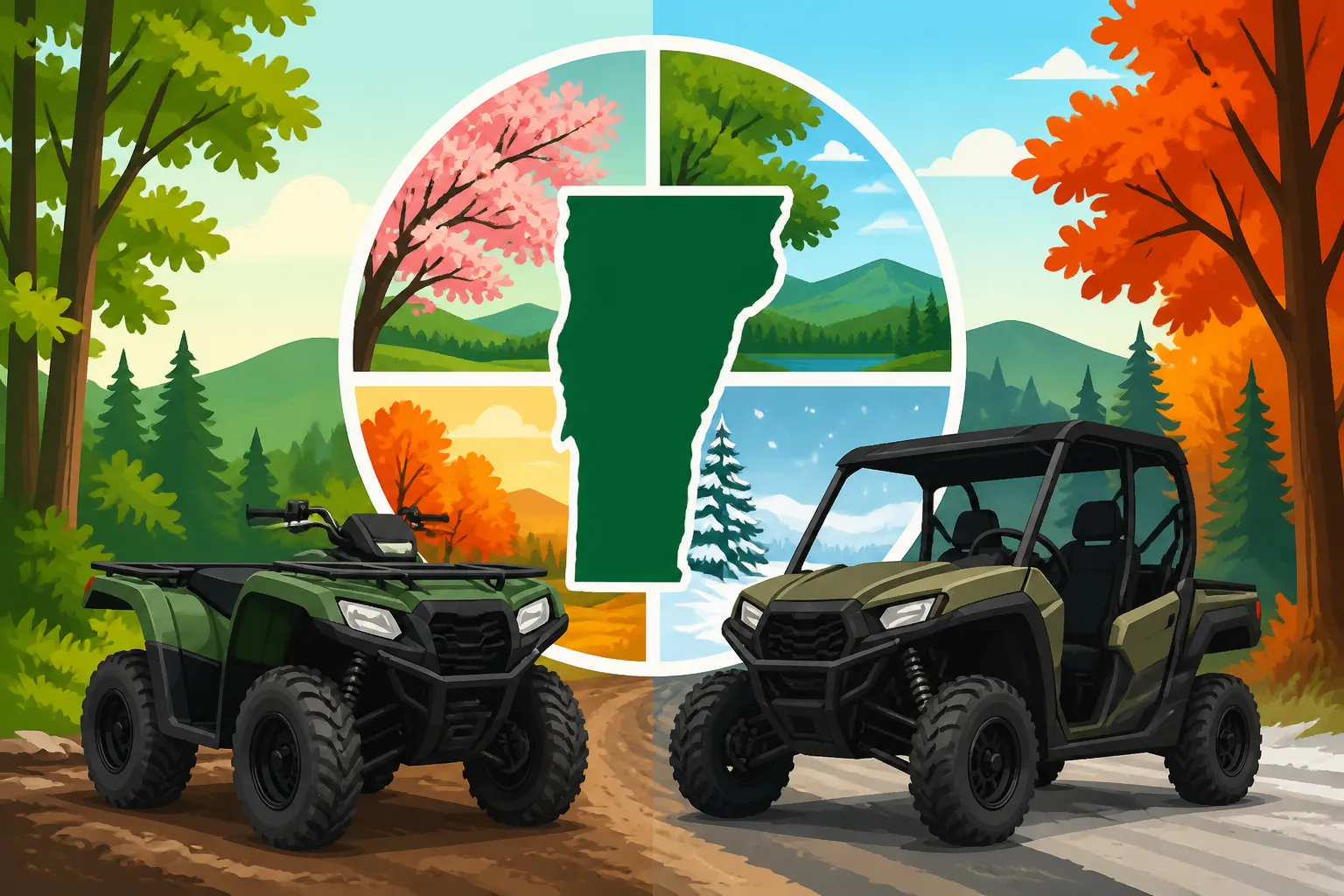
Understanding Vermont's General ATV Season: May to October and Beyond
When we talk about ATV riding in Vermont, most folks immediately think of the incredible VASA trail system. This vast network, maintained by dedicated local clubs, typically operates within a broad season, generally stretching from May through late October. It's a time when the trails are mostly dry, the foliage is vibrant, and the conditions are prime for riding. However, it's crucial to understand that this general VASA season isn't an automatic green light for every town road across the state. While many towns aim to align their designated ATV routes with the broader VASA calendar, there are often nuances and specific local conditions that dictate when their roads are truly open for ATV traffic.
The VASA Trail Network's Typical Dates
The Vermont ATV Sportsman's Association (VASA) works tirelessly with landowners and member clubs to establish and maintain a vast network of trails. This system is a huge draw for riders, offering scenic routes and connections across much of the state, especially in the Northeast Kingdom. Typically, the official VASA riding season kicks off in mid-to-late May, once the frost is out of the ground and the trails have had a chance to dry out from spring runoff. It usually runs right up until late October or early November, depending on weather and specific club agreements. Think of it as the foundational calendar for the majority of Vermont's organized ATV riding. For many riders, this is the season they eagerly await, knowing that once it opens, a huge swath of the state becomes accessible. You might be interested in knowing more about [Vermont ATV Trails: The VASA System].
The Impact of Mud Season and Spring Thaw
Ah, mud season. If you've lived in Vermont for any length of time, you know exactly what this means. As the snow melts and the ground thaws, much of our state's dirt roads and trails turn into a soupy, rutted mess. This period, usually in April and early May, is a critical time for road and trail preservation. Riding ATVs on soft, wet roads and trails can cause significant damage, leading to deep ruts, erosion, and increased maintenance costs for towns and trail clubs. That's why you'll often find strict closures during this time. Town selectboards are very sensitive to preserving their infrastructure, and local ordinances often reflect this concern, keeping roads closed until they can withstand traffic without damage. It's a necessary evil to ensure we have great roads and trails to ride on for the rest of the season. Detailed information can be found in [Vermont Mud Season Closures].
Why Weather Plays a Bigger Role Than You Think
Beyond just the spring thaw, the day-to-day and week-to-week weather patterns throughout the year can influence how towns manage their ATV road access. A particularly wet summer might lead to temporary closures of certain dirt roads if they become too saturated and prone to damage. Conversely, a long dry spell might mean that roads remain in excellent condition well into the fall. It's not just about the opening and closing dates; it's also about maintaining the integrity of the road network and minimizing impact on residents. While you might have a specific date in mind, always be prepared for Mother Nature to throw a wrench in the works. Checking local forecasts and any current town announcements is always a wise move, especially if you're traveling a distance to ride.
The Local Control: Why Town Roads Have Variable Season Dates
One of the biggest head-scratchers for ATV riders in Vermont is the sheer variability of rules from one town to the next. You can ride legally on a town road in one municipality, cross an invisible line, and suddenly be in violation in the next town over. It's not a statewide free-for-all; instead, the power to open or close town roads to ATVs rests firmly in the hands of local selectboards. This local control is a hallmark of Vermont's governance, but it certainly adds a layer of complexity for us riders.
The Role of Local Selectboards and Ordinances
Each town in Vermont has an elected body called a selectboard. These dedicated folks are responsible for making decisions about local infrastructure, including whether or not to allow ATVs on certain town roads. They do this by passing specific town ordinances. These ordinances will outline not just the season dates, but also often include specific routes, times of day (curfews), speed limits, and other operational rules. They hold public meetings, gather input from residents, and ultimately vote on these matters. This means that what might be acceptable in Brighton could be completely different in Newport City, or even a smaller, more rural town like Franklin. It's why a blanket statement about "Vermont ATV road season" can be misleading. Riders truly need to understand [How a Vermont Selectboard Opens a Road to ATVs] to grasp the local nuances.
Common Concerns That Shape Road Opening Dates
So, what drives a selectboard's decision to open or close roads for ATV use? It's a balancing act, often weighing the economic benefits of tourism and recreational access against local concerns. Here are some of the common factors that influence these decisions:
- Road Damage: As mentioned with mud season, the potential for ATVs to rut or damage soft dirt roads is a primary concern. Towns invest significant resources in maintaining their road networks, and they want to avoid anything that causes undue wear and tear, especially after frost heaves have already done their number.
- Noise Complaints: ATVs, by their nature, can be noisy. Residents, especially those living close to designated routes, sometimes raise concerns about excessive noise, particularly early in the morning, late at night, or if riders are operating machines without proper mufflers. Town ordinances often include [Vermont Town Ordinances That Set Curfews] to address this.
- Dust Issues: On dry dirt roads, ATV traffic can kick up a lot of dust. This can be a nuisance for residents living along these routes, affecting air quality and property cleanliness.
- Safety Concerns: Sharing roads with cars, trucks, bicycles, and pedestrians raises safety questions. Selectboards consider visibility, speed limits, and the general character of their roads when making decisions.
- Landowner Relations: A significant portion of Vermont's ATV trail system, and even some connecting roads, traverse or are adjacent to private land. Maintaining good relationships with landowners is paramount, and town decisions often reflect efforts to minimize disturbances or negative impacts on private property.
The Frustration of Inconsistent Rules from Town to Town
It's completely understandable to feel frustrated by the patchwork of rules across Vermont. You've geared up, you've checked the state regulations, but then you realize your carefully planned route might take you through three different towns, each with its own set of rules and season dates. This inconsistency means you can't just assume what's allowed in one place is allowed everywhere. It forces riders to do their homework for each specific town they plan to ride in. This can feel like a bureaucratic hurdle, but it's the reality of how Vermont's local governance operates. Instead of a uniform experience, riders are met with distinct [Vermont ATV Road Rules by Town].
Navigating the Local Landscape: Finding Your Town's Specific ATV Road Dates
Given that each town has the autonomy to set its own ATV road season dates, the burning question becomes: how do you, the rider, figure out what's allowed where and when? It requires a bit of detective work, but thankfully, there are reliable ways to get the most accurate and up-to-date information directly from the source. Don't rely on hearsay or old forum posts; go straight to the official channels.
Checking Town Websites and Clerks' Offices
The most direct source of information for a town's ATV road season dates and rules is the town itself. Every Vermont town has a municipal website, and this is often where you'll find posted ordinances, selectboard meeting minutes, and contact information for the town clerk.
- Town Websites: Look for sections on "Ordinances," "Selectboard Minutes," "Recreation," or "Public Works." Many towns will post their specific ATV ordinance directly on their site. This document will detail the designated roads, dates, times, and any other regulations.
- Town Clerks' Offices: If you can't find the information online, or if you want to confirm something, the town clerk's office is your next best stop. These dedicated individuals are the keepers of all official town records. A quick phone call or email can often get you the precise dates and direct you to the relevant ordinance. They are also the ones who can tell you when [Vermont Selectboards Open Roads Each Year], which is often an annual process.
Consulting Local VASA Clubs and Trail Maps
VASA and its network of local clubs are intimately familiar with the ATV access in their respective regions, including which town roads are part of the larger trail system.
- VASA Club Websites: Most VASA clubs have their own websites, and these are invaluable resources. They often post maps, trail conditions, and specific information about local town road access that connects to their trails. They are often the best source of real-time updates on closures or temporary changes.
- VASA Maps: Official VASA trail maps will clearly mark designated ATV routes, and these often include approved town roads that link sections of the trail. While the map indicates where you can ride, always cross-reference with the town's specific dates.
- Contacting Club Officials: If you're planning a trip to a specific area, reaching out to the local VASA club directly can provide a wealth of information. These volunteers are passionate about riding and are usually happy to share their knowledge about local regulations and conditions. Joining a club is also a great way to stay informed and support the trail system.
Reading the Fine Print: Understanding Local Ordinances
When you do get your hands on a town's ATV ordinance – whether from their website or the town clerk – take the time to read it thoroughly. Don't just skim for dates. These documents can be quite detailed, covering aspects like:
- Specific Road Names: Not all town roads are open to ATVs. The ordinance will list the exact roads or sections of roads that are designated.
- Season Dates: Clearly stated start and end dates for ATV access.
- Hours of Operation: Many ordinances include curfews, restricting riding after certain hours, especially in residential areas. [Newport City's ATV Routes in Vermont] for example, specifies hours.
- Equipment Requirements: While state law dictates things like helmets and registration, local ordinances might reiterate or add specific requirements relevant to road use, such as the need for appropriate tires to minimize road damage. For example, ensuring you have the right tire setup for varied terrain, perhaps looking at options from SuperATV, can help you meet unwritten expectations for road preservation.
- Speed Limits: Often lower than typical road speed limits when ATVs are permitted.
- Penalties: What happens if you violate the ordinance? Knowing the potential fines or consequences is important.
Planning Your Rides: Maximizing Your Season on Vermont's Town Roads
With all this information about varying season dates and local rules, how do you practically apply it to get the most out of your Vermont ATV riding experience? It comes down to diligent preparation, respectful riding, and a commitment to staying informed. Riding responsibly not only enhances your own experience but also helps ensure these town roads remain open for all of us in the future.
Pre-Ride Checks and Seasonal Gear Considerations
Before you even load up your machine, a thorough pre-ride check is essential, especially when you're planning to ride on town roads. This isn't just about safety; it's about meeting legal requirements and being a good steward of the roads.
- Registration and Decals: Ensure your ATV is properly registered with the state and that you have your [Vermont ATV Plates and Where They Go] visibly mounted. If you're on VASA trails, you'll also need your [Vermont TAD: The Trail Access Decal Explained].
- Insurance: Vermont law requires liability insurance for ATVs operated on public lands and roads. Always carry proof of your [Vermont ATV Insurance Requirements].
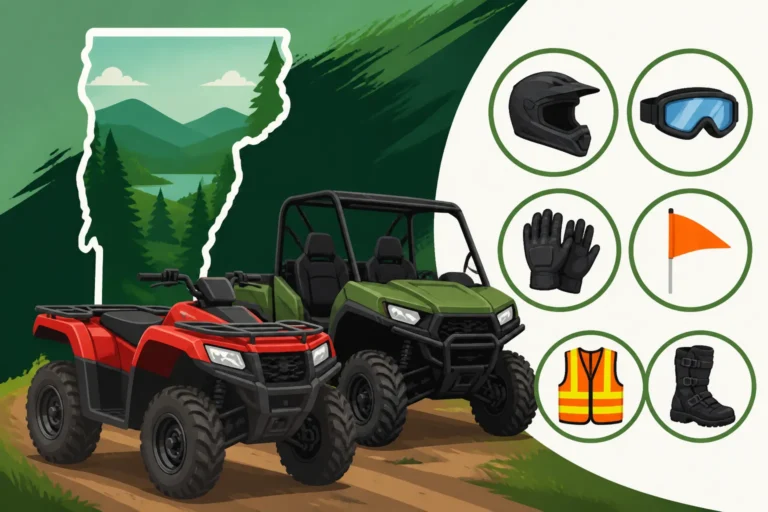
- Helmet and Gear: A helmet is required for all riders in Vermont, regardless of age, when on public lands or roads. Make sure yours meets safety standards and fits properly. Long sleeves, pants, gloves, and eye protection are also highly recommended for your safety.
- Machine Condition: Check your lights, brakes, and muffler. Town roads mean sharing space with other vehicles and residents, so working lights (especially if you're out near dusk) and a compliant muffler are non-negotiable. A clean muffler from a quality provider like SuperATV can help ensure you meet noise requirements and keep the peace with local residents.
- Tires: Consider your tire choice. While aggressive mud tires are great for deep woods trails, they can sometimes be overly destructive on soft dirt roads. A more all-around tire might be more appropriate for mixed road and trail riding, protecting the road surface while still offering good traction.
What Happens If You Ride Outside the Designated Season
Riding an ATV on a town road when it's closed to such use, or outside the designated season dates, can lead to serious consequences. This isn't just about a slap on the wrist; it can impact your wallet and your riding privileges.
- Fines and Penalties: You could face fines for violating town ordinances or state statutes. These can range from a warning to substantial monetary penalties, sometimes escalating for repeat offenses. [Vermont ATV Fines for Road Violations] can add up quickly.
- Damage Liability: If your riding contributes to road damage during a closed period (e.g., rutting a soft dirt road during mud season), you could be held financially responsible for repairs.
- Negative Public Perception: Perhaps most importantly, riding illegally creates a negative perception of ATV riders in general. This can lead to increased restrictions, fewer open roads, and a more difficult time for clubs working to expand trail access. Every rider has a role to play in promoting responsible ATV use.
Respecting Posted Routes and Private Land
Even when town roads are open, it's paramount to stick to the designated routes. Just because one road is open doesn't mean the parallel road, or the property adjacent to it, is fair game.
- Stay on the Mark: Always adhere to posted signs and stick to the officially designated routes. Veering off onto unmarked roads or private property is trespassing and can lead to severe penalties, not to mention damaging the relationship with landowners who graciously allow access. You should always be aware of [Vermont Trespass Law for Riders].
- Private Property is Private: Many town roads have private land directly bordering them. Be mindful of noise, dust, and don't assume you have permission to cross or access private driveways or fields unless explicitly invited. The VASA system relies heavily on [Vermont Landowner Permission Rules], and this extends to how we behave on connecting town roads.
- Be a Good Neighbor: Slow down when passing homes, yield to other vehicles and pedestrians, and generally operate your machine in a courteous manner. A friendly wave goes a long way in fostering good relations with locals.
The thrill of riding Vermont's scenic roads and trails is truly unmatched. By understanding and respecting the local rules, especially the variable season dates for town roads, we can all contribute to a vibrant and sustainable ATV riding community for years to come. Do your homework, ride responsibly, and enjoy the beauty of Vermont!
| Information Source | What to Check For | Why It's Important |
|---|---|---|
| Town Websites | ATV Ordinances, Selectboard Minutes, Road Department Updates | Direct source for official rules, routes, and season dates. |
| Town Clerk's Office | Official Ordinances, Verbal Confirmation | Definitive legal reference, reliable for specific questions. |
| Local VASA Club Website | Trail Maps, Trail Condition Reports, Local Riding Updates | Often includes designated town road connections and real-time alerts. |
| VASA Statewide Map | Designated ATV Corridors, Connecting Roads | Shows the general network and where roads are integrated. |
| Roadside Signage | "ATV Permitted" signs, Seasonal Closure signs, Speed Limits | Immediate, on-the-ground verification of access and rules. |
Disclaimer
This article is for general informational purposes only and does not constitute professional advice. Laws, prices and regulations vary by location and change over time. Consult a qualified professional for guidance on your specific situation.