Vermont ATV Equipment Requirements
Navigating the myriad of rules and regulations for ATV and UTV riding in Vermont can feel like trying to solve a puzzle with half the pieces missing. One minute you're excited about hitting the trails, the next you're buried in obscure legal text, wondering if your machine even qualifies to be on a designated town road or VASA trail. It's frustrating to invest in an ATV only to discover you're missing a critical piece of equipment that could lead to a ticket or, worse, compromise your safety. This comprehensive guide is here to clear the confusion, outlining exactly what equipment your ATV or UTV needs to be legal and safe on Vermont's trails and roads.
The Basics: What Vermont Law Mandates for Every ATV
Before you even think about hitting a designated trail or making a legal road crossing in Vermont, your ATV or UTV needs to meet certain fundamental equipment standards. These aren't just suggestions; they're codified into law for the safety of all riders and to protect the natural environment we all love. It can feel like a lot to remember, but understanding these core requirements is the first step to a worry-free ride.
Headlights, Taillights, and Reflectors for Visibility
When you're out riding, especially as the sun begins to set or on those overcast Vermont days, being seen is just as important as seeing where you're going. Vermont law is quite clear about this: your ATV needs functional headlights and taillights. These aren't just for show; they're crucial safety features. The headlight needs to be bright enough to illuminate the path ahead, giving you ample time to react to obstacles, wildlife, or changes in the trail. Similarly, a visible taillight ensures that riders behind you can see your presence, preventing rear-end collisions, particularly on shared trails or during road crossings.
Beyond the powered lights, reflectors play a vital, passive role in visibility. Even if your battery dies or your lights are momentarily obscured, reflectors catch and bounce back light from other sources, like an approaching vehicle or another rider's headlight. They help delineate the shape and size of your machine, especially from the sides. Many machines come equipped with these from the factory, but it’s always a good idea to check that they’re clean, intact, and visible from all angles. If you've added aftermarket accessories, make sure they don't block existing lights or reflectors.
Mufflers and Noise Control: Keeping Vermont Quiet
One of the biggest concerns for landowners and residents around ATV trails is noise. Vermont takes noise control seriously, and for good reason. Excessive noise not only disturbs wildlife but can also erode public support for ATV access, leading to trail closures. Your ATV or UTV must be equipped with a muffler that is in good working order and effectively limits engine noise. This means no aftermarket exhaust systems that are designed solely for louder performance, unless they explicitly meet Vermont's decibel limits.
The goal is to keep machines as quiet as possible, maintaining the peace and tranquility that Vermont is known for. Riding with a damaged or modified muffler that makes your machine excessively loud is not only disrespectful to other trail users and residents but can also result in a hefty fine. Think of it as being a good neighbor: just as you wouldn't blast loud music in someone's backyard, you shouldn't be roaring through their woods or past their homes. Always ensure your muffler is free of holes, rust, or any modifications that would make it louder than stock.
Working Brakes and Safe Operation
This one should be a no-brainer, but it's astonishing how often riders overlook the condition of their brakes until it's too late. Vermont law requires that your ATV has fully functional brakes capable of stopping the machine safely and effectively. This isn't just about passing an inspection; it's about your life and the lives of those around you. Whether you're navigating a steep downhill, coming to a sudden stop for a deer, or pulling up to a road crossing, reliable brakes are paramount.
Before every ride, take a few minutes to check both your front and rear brakes. Do the levers and pedals feel firm? Do the brakes engage smoothly without grinding or pulling to one side? Are the pads thick enough? If you notice any spongy feeling, excessive travel in the lever, or unusual noises, it's time for maintenance. A broken brake cable, worn pads, or a fluid leak can turn a fun day of riding into a dangerous situation in a flash. Don't gamble with your safety; good brakes are non-negotiable.
Safety Gear for Riders: Helmets, Eye Protection, and More
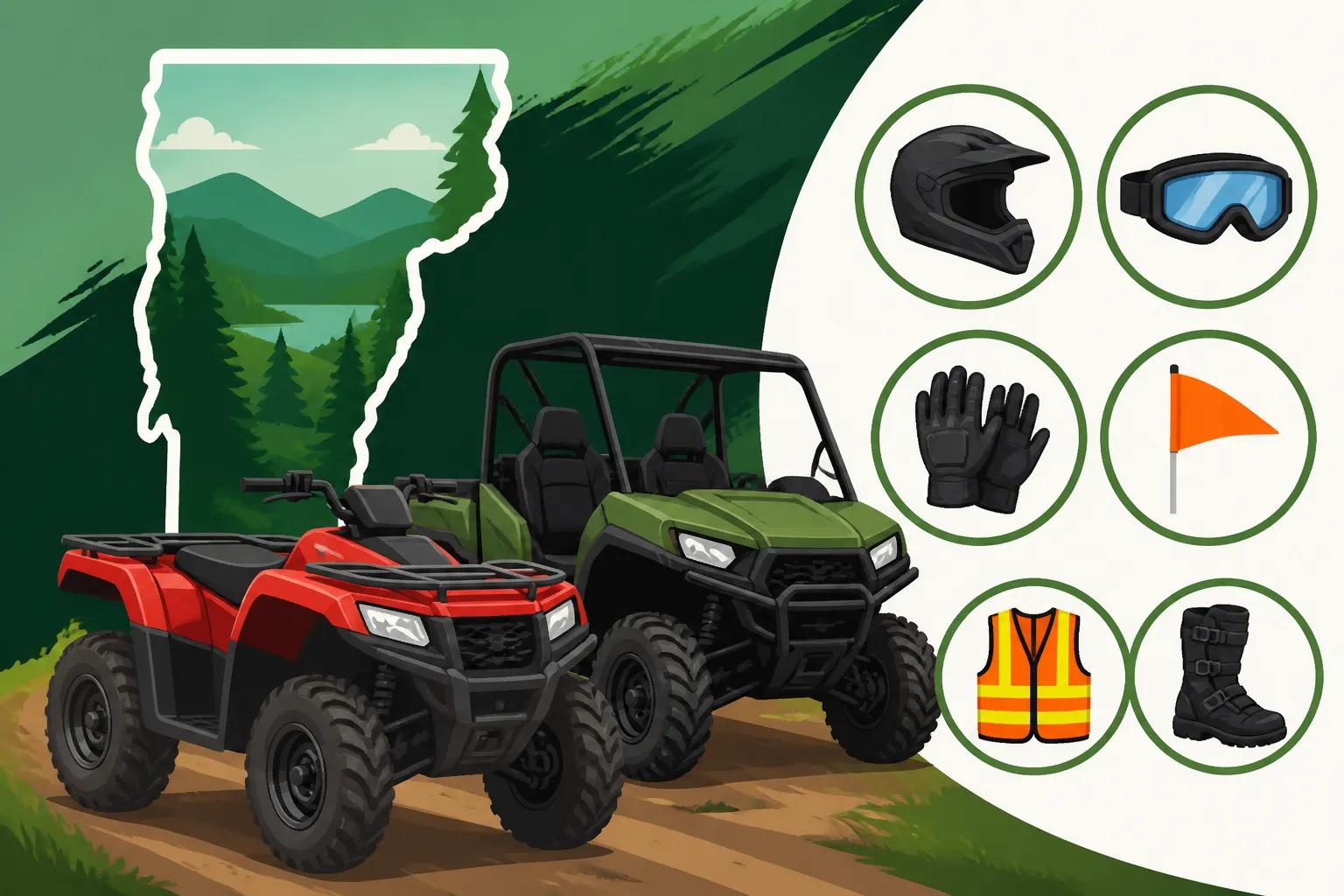
Beyond the machine itself, what you wear as a rider is equally important for your safety on Vermont's trails and roads. These aren't just fashion statements; they are critical pieces of equipment designed to protect you from impacts, debris, and the elements. Ignoring these requirements isn't just a risk to yourself; it's a violation of Vermont law.
The Absolute Requirement: Vermont's Helmet Law
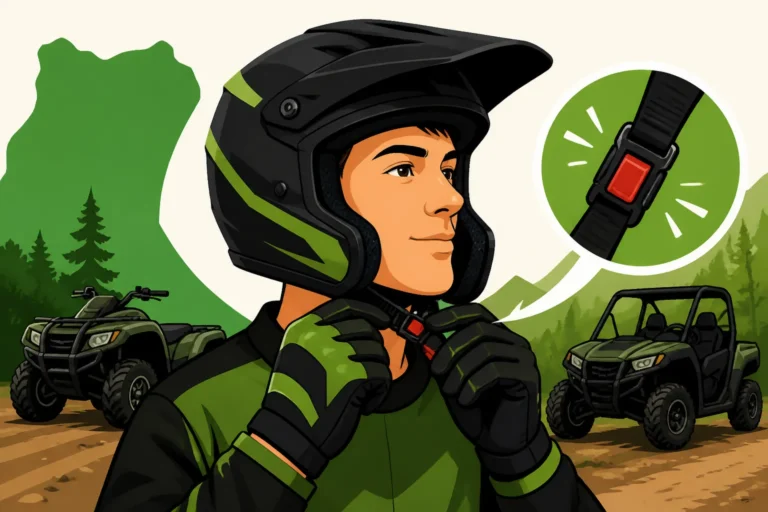
Let's be unequivocally clear: in Vermont, every single person on an ATV or UTV, regardless of age, must wear a helmet. There are no exceptions for adults, no loopholes for private land, and no "if you're over 18" clauses. If you're on the machine, you need a helmet. This isn't a suggestion; it's a mandate designed to protect your most vital organ. Head injuries are devastating, and a proper helmet can be the difference between a minor bump and a life-altering trauma.
The law also specifies the type of helmet. It must be a protective helmet that meets federal standards, specifically those set by the Department of Transportation (DOT), or other recognized safety standards like ASTM. This means it needs to be designed for motor vehicle use, not a bicycle helmet or a construction hard hat. Ensure your helmet fits snugly but comfortably, without obstructing your vision. It should also be securely fastened with a chin strap. A loose helmet is as good as no helmet in a crash. Remember, safety isn't something to compromise on, and Vermont's helmet law reflects that commitment to rider well-being. [Vermont ATV Helmet Law for Every Rider] goes into even more detail about this crucial requirement.
Eye Protection: Keeping Your Sight Clear on the Trail
While a helmet protects your head, what about your eyes? Vermont law also requires eye protection for all ATV and UTV riders. Whether it's the integrated visor on your full-face helmet or a pair of dedicated goggles, your eyes need to be shielded from dust, dirt, branches, insects, and anything else the trail might throw your way. Imagine hitting a patch of loose gravel, and a stone flies up directly into your eye at speed. Or a low-hanging branch whips back just as you pass. Without eye protection, such incidents can cause serious injury, impair your vision, and lead to a dangerous loss of control.
Choose eye protection that is clear, free of scratches, and provides a wide field of vision. Goggles are often preferred by many riders for their ability to seal out dust and provide a secure fit, even over glasses. Make sure they don't fog up easily, especially in humid conditions. A simple pair of sunglasses won't cut it for serious trail riding, as they often lack the impact resistance and full coverage needed. Prioritize protection that allows you to see clearly and react quickly to your surroundings.
Recommended Attire: Beyond the Legal Minimum
While Vermont law mandates helmets and eye protection, there's a world of other gear that isn't strictly required but is highly recommended for your safety and comfort. Think of it as an investment in preventing scrapes, bruises, and more serious injuries. Long pants and long-sleeved shirts are fundamental. They protect your skin from abrasions from branches, sun exposure, and minor impacts. Denim jeans or sturdy riding pants are far better than shorts, which offer virtually no protection.
Similarly, durable, over-the-ankle boots are essential. They protect your feet and ankles from impacts, provide grip on the footpegs, and can prevent your foot from getting caught under the machine. Gloves are another often-overlooked item. They protect your hands from blisters, impacts, and provide a better grip on the handlebars, especially in wet or muddy conditions. While you won't get a ticket for not wearing these items, you'll certainly regret it if you take a spill or encounter unexpected trail hazards without them.
Specific Equipment for Road Crossings and Town Roads
Vermont has a unique system where certain town roads are designated for ATV use or allow for legal road crossings to connect trail segments. However, operating your ATV on these paved or dirt public ways comes with additional equipment requirements, elevating your machine's compliance to something closer to a street-legal vehicle, even if it's just for a short stretch.
Mirrors and Why They Matter for Road Use
When you're out on the trails, you might not give much thought to what's behind you. On a designated town road or during a controlled crossing, however, situational awareness is critical. That's why Vermont law specifies that if you're operating your ATV on a public highway, even for a crossing, it must be equipped with at least one rear-view mirror. This mirror needs to be securely mounted and positioned to give you a clear view of traffic approaching from the rear.
Imagine pulling onto a paved road to make a quick crossing to the next trail segment. You need to be able to see if a car, truck, or even another ATV is coming up behind you before you make your move. A single, properly adjusted mirror can prevent a dangerous collision. Many ATVs don't come standard with mirrors, so this is often an aftermarket addition. Products from brands like SuperATV offer a range of robust mirrors designed to withstand the rigors of off-road use while still providing clear visibility for those crucial road segments. Make sure the mirror you choose is designed to minimize vibration, offering a stable image.
Horns: Signaling Your Presence
Just like a car, a horn is a universal signal for alerting others to your presence or to potential hazards. For ATVs and UTVs operating on Vermont's public roads, even for brief crossings, a functional horn is a requirement. This isn't about blasting a loud air horn for fun; it's about having a clear, audible signal that can be heard by pedestrians, cyclists, or other motorists.
Think about a blind corner on a dirt road, or a situation where a child or an animal might unexpectedly dart into your path. A quick tap of the horn can be a life-saver, giving others a crucial moment to react. Your horn should be easily accessible from the handlebars and loud enough to be effective. If your ATV didn't come with one, or if it's no longer working, adding an aftermarket horn is a relatively simple and inexpensive upgrade that significantly boosts your safety on shared routes.
License Plates and Their Proper Display
Once your ATV or UTV is registered in Vermont, you'll receive a license plate. This plate is not just a decorative item; it's your machine's unique identifier and a critical component for legal operation. Vermont law requires that your [Vermont ATV Plates and Where They Go] be securely mounted on the rear of your machine, clearly visible, and free from any obstruction. This means no mud, no snow, no overloaded cargo racks blocking it. The plate must be clean and legible at all times, making it easy for law enforcement or other officials to identify your machine if needed.
Some towns, like Brighton, may also have local ordinances that ask for a front plate in addition to the rear one, though the state primarily mandates the rear. It’s always wise to check local town ordinances if you plan to ride extensively within a specific community. The plate must also be illuminated if you're operating after dark, ensuring its visibility. Many riders install a simple LED light strip above or around their plate for this purpose. Improper plate display or an unreadable plate is an easy way to get pulled over and issued a ticket, so treat it with care.
Understanding the ATV Definition and Its Impact on Equipment
Vermont has very specific definitions for what constitutes an All-Terrain Vehicle (ATV) versus an All-Terrain Sports Vehicle (ASV), and these definitions can influence registration, fees, and even subtle expectations about your machine's capabilities. It's not just semantics; it's the foundation upon which many of the equipment rules are built.
Vermont's 72-Inch, 2,500-Pound ATV Definition
Historically, Vermont has defined an ATV, or specifically, a "Class I" all-terrain vehicle, by certain dimensions and weight. The key numbers to remember are 72 inches in width and 2,500 pounds in dry weight. If your machine falls within these limits, it's generally considered a standard ATV. If it exceeds these limits, it often falls into the ASV category, or [Vermont Machines Wider Than 72 Inches] and [Vermont Machines Over 2,500 Pounds]. This distinction primarily affects registration fees, with ASVs typically costing more.
While the core equipment requirements (lights, brakes, muffler, helmet) remain largely consistent between ATVs and ASVs, the ASV classification for larger side-by-sides often implies a machine with more passenger capacity and potentially higher speeds, which might lead authorities to scrutinize their road-crossing equipment (like mirrors and horns) more closely. For example, a wider machine might need more robust mirrors to maintain rear visibility. Understanding where your machine fits within these definitions is crucial, as it sets the stage for everything from registration to how you're allowed to operate it on designated routes.
Vermont's 2025 ATV Definition Change and Future Requirements
The world of off-road vehicles is constantly evolving, and so are the regulations designed to manage them. Vermont's legislative landscape is no different. A significant change, [What Vermont's 2025 Act 18 Changed for Riders], is slated to take effect, redefining what constitutes an ATV and ASV. This isn't just an administrative tweak; it could have real implications for current and future riders. For instance, the definition might adjust the maximum width or weight, potentially reclassifying some machines that were previously ATVs into the ASV category, or vice versa.
These changes are often driven by advancements in vehicle design, safety concerns, and the evolving needs of the riding community and landowners. It’s absolutely critical for riders to stay informed about these updates. What was legal and compliant in one year might require modifications or a different registration class in the next. Keep an eye on the Vermont DMV website and VASA (Vermont ATV Sportsman's Association) announcements for the most current information. Understanding these shifts proactively can save you from unexpected fines or the need for last-minute equipment changes.
Low-Pressure Tires: A Core Part of the Definition
Beyond size and weight, the very definition of an ATV in Vermont hinges on its tire type. An ATV is characterized by having [Two Low-Pressure Tires at Minimum], typically four or six. These aren't your typical car tires; they are specifically designed with a low-pressure inflation, which provides a larger footprint and better traction on varied terrain, while also minimizing damage to trails. This low-pressure design is integral to the machine's functionality and its classification.
The requirement for low-pressure tires is fundamental. It ensures that machines operating on trails are designed for off-road environments, providing the necessary flotation and grip without tearing up the ground. It also differentiates ATVs from other types of vehicles. When performing routine maintenance or replacing tires, always ensure you're using tires that meet this low-pressure specification and inflate them according to your manufacturer's recommendations. Using tires not designed for ATVs or over-inflating them can change your machine's handling characteristics, potentially making it unsafe and technically non-compliant with the ATV definition.
Additional Equipment for Trail Riding (Beyond Legal Minimums)
While meeting the legal minimums is essential, experienced riders know that a safe and enjoyable day on the trails often requires more than just what the law mandates. These additional pieces of equipment are about preparedness, self-sufficiency, and ensuring you can handle unexpected situations when you're miles from pavement and cell service.
Winches and Recovery Gear: When Things Go Wrong
Even the most skilled rider can find themselves in a tricky situation. A muddy bog that looks shallower than it is, a slippery climb, or a fallen tree can leave you stuck and needing help. This is where a winch truly becomes your best friend. A front-mounted winch, properly installed and rated for your machine's weight, can be invaluable for self-recovery or for helping a buddy out of a jam. It's a powerful tool that can turn a frustrating, hours-long ordeal into a quick, manageable situation.
But a winch isn't the only recovery gear you should consider. A good set of tow straps (not chains, which can snap dangerously), D-shackles, and a tree-saver strap (to protect trees when using them as anchor points) are equally important. Know how to use them safely, and always carry gloves when handling recovery gear. Getting stuck is almost a rite of passage for off-road enthusiasts, but being prepared to get unstuck is the mark of a responsible rider. Many riders find durable winches and recovery kits from companies like SuperATV to be reliable additions to their setup.
Navigation and Communication Tools
In the vast, sometimes remote, reaches of Vermont's trail system, it's incredibly easy to get turned around, especially if you're exploring new areas. Relying solely on your memory or faint trail markers is a recipe for disaster. This is why robust navigation and communication tools are non-negotiable for serious trail riding. A dedicated GPS unit loaded with up-to-date trail maps is often superior to a cell phone, as GPS signals typically work even where cell service is non-existent.
Beyond GPS, always carry a physical map of the area as a backup, and know how to read it. For communication, a fully charged cell phone is a start, but be aware of [Cell Dead Zones in the Kingdom] and other remote areas. Consider carrying a satellite messenger device for true emergency communication, or at least a two-way radio if you're riding in a group. Letting someone know your planned route and estimated return time before you head out is also a smart safety practice. Being able to pinpoint your location or call for help can be critical in an emergency.
Tool Kits and Repair Supplies
Your ATV or UTV is a machine, and machines, by their nature, can break down. A minor mechanical issue can quickly become a major problem if you're unprepared and far from home. A well-stocked tool kit can make the difference between a quick trailside fix and a long walk back. What should be in it? Start with the basics: wrenches and sockets that fit common bolts on your machine, a multi-tool, pliers, screwdrivers, and a tire repair kit with a portable air pump.
Beyond the standard tools, consider carrying spare parts that are common failure points for your specific machine: a spare belt, extra spark plugs, zip ties, electrical tape, and maybe a small amount of engine oil or coolant. A good flashlight or headlamp is also invaluable for night repairs or navigating in the dark. Learning basic trailside repair skills is also part of the preparedness. Being able to patch a tire, replace a belt, or tighten a loose connection can salvage your ride and prevent you from being stranded.
Inspections, Penalties, and Staying Compliant
Understanding Vermont's ATV equipment requirements is one thing; ensuring you continuously meet them and are prepared for enforcement is another. The state doesn't just put these rules in place for fun; they're actively enforced by wardens and local law enforcement. Knowing what they're looking for and the potential consequences of non-compliance can help you stay out of trouble and keep riding.
What a Warden Checks: Understanding Enforcement
When a Vermont State Trooper, Fish and Wildlife Warden, or local police officer pulls you over on a designated trail or road, they're not just saying hello. They're likely performing a spot check to ensure you're compliant with all state and local regulations. So, [What a Warden Can Ask to See] includes proof of registration, a valid Trail Access Decal (TAD), and, critically, that your machine meets all equipment requirements.
They'll typically check for functional headlights and taillights, especially if it's evening or conditions are dim. They'll listen for excessively loud mufflers. They'll verify that your license plate is securely mounted, clean, and visible. They might even ask you to demonstrate your brakes. For riders under 18, they'll check for proof of a safety course. And, of course, they'll be looking to see if you and any passengers are wearing properly fastened helmets and eye protection. Being prepared for these checks means you're less likely to receive a citation and can continue your ride without interruption.
Vermont Fines for Road Violations and Equipment Non-Compliance
Ignoring Vermont's ATV equipment requirements isn't just a minor oversight; it can lead to significant financial penalties. The [Vermont Fines for Road Violations] and other infractions can quickly add up, turning an enjoyable outing into an expensive headache. For instance, operating an ATV without required lights after dark, or with an excessively loud muffler, can result in a fine. Not wearing a helmet or eye protection carries its own set of penalties, not to mention the inherent danger.
Beyond the fines, repeated or severe violations could potentially lead to your machine being impounded or your riding privileges revoked. Imagine having your prized ATV towed away because you neglected a broken taillight. It's a stark reminder that these rules are serious. It's far more cost-effective and certainly safer to ensure all your equipment is in proper working order before you even leave your driveway. Don't wait for a warden to point out a deficiency; proactively address it.
Proactive Maintenance: Your Best Defense
The best way to ensure your ATV always meets Vermont's equipment requirements is through a consistent regimen of proactive maintenance. Don't wait for something to break; inspect and address issues before they become problems. This isn't just about avoiding tickets; it's about the longevity of your machine and, more importantly, your safety. Before every ride, conduct a quick walk-around inspection. Check your tires for proper pressure and damage, test your lights and horn, verify your brakes are working, and check fluid levels.
Beyond pre-ride checks, follow your manufacturer's recommended maintenance schedule. This includes oil changes, air filter cleaning, checking spark plugs, and lubricating moving parts. Regular cleaning also helps you spot potential issues like cracks, leaks, or loose fasteners that might otherwise go unnoticed. Think of your ATV as a trusted companion; taking good care of it ensures it will take good care of you, keeping you safe and compliant on Vermont's trails for many seasons to come.
Aftermarket Accessories and Smart Upgrades
Once you've got the basics covered and your machine is fully compliant with Vermont law, you might start thinking about enhancements. Aftermarket accessories aren't just about making your ATV look cool; many are designed to improve safety, functionality, and your overall riding experience. Choosing the right upgrades can make a significant difference, especially when tackling Vermont's varied terrain.
Lighting Upgrades for Enhanced Visibility
While your stock headlights and taillights meet the legal minimums, anyone who has ridden after dark on a challenging trail knows that more light can be a game-changer. Aftermarket LED light bars and auxiliary spotlights provide a vastly improved field of vision, illuminating obstacles, turns, and potential hazards that might be missed by dimmer factory lights. This is particularly beneficial on winding, unlit trails or during early morning rides.
When considering lighting upgrades, ensure they are properly wired and fused. If you plan to use these on designated town roads, be aware of local ordinances regarding auxiliary lights; some areas may require them to be covered or off when other vehicles are present to avoid blinding oncoming traffic. For purely off-road use, however, a bright LED light bar can dramatically increase your safety and confidence, turning nighttime riding from a stressful experience into an exciting adventure. Companies like SuperATV offer a variety of robust lighting solutions that can withstand tough trail conditions.
Skid Plates and A-Arm Guards: Protecting Your Investment
Vermont's trails, while beautiful, can be rugged. Rocks, roots, and unexpected obstacles are part of the adventure. This is precisely why investing in heavy-duty skid plates and A-arm guards is such a smart move. Stock machines often come with minimal underbody protection, leaving critical components like your engine, transmission, and suspension vulnerable to impact damage. A single, well-placed rock hit can easily puncture a case, bend an A-arm, or damage a CV boot, leading to costly repairs and a ruined ride.
Aftermarket skid plates, often made from durable aluminum or UHMW plastic, cover the entire underside of your machine, creating a protective barrier. A-arm guards extend this protection to your suspension components, which are frequently exposed to impacts. Think of them as armor for your ATV. They absorb the blows, allowing you to ride with greater confidence over technical terrain. Protecting these vital parts not only saves you money in the long run but also ensures your machine remains in top working order, ready for its next Vermont adventure.
Storage Solutions: Carrying Your Gear Safely
You've got your tools, your first-aid kit, your navigation gear, and maybe even some snacks and water. Now, where do you put it all so it's secure, accessible, and doesn't get bounced off your machine? Integrated storage solutions are crucial for any serious rider. While some ATVs have small built-in compartments, they're often insufficient for a full day's worth of supplies.
Cargo boxes, fender bags, and cooler racks are excellent additions. Cargo boxes, often mounted to the front or rear rack, provide weather-resistant storage for larger items and can be securely latched. Fender bags offer smaller, easily accessible compartments for items like maps, phones, or quick snacks. Cooler racks are perfect for packing drinks and food, ensuring you stay hydrated and energized throughout your ride. When choosing storage, prioritize durable, waterproof options that can be securely fastened, preventing your gear from shifting or falling out, especially on bumpy trails.
The Human Element: Training and Readiness
Beyond the machine and its equipment, the most important "equipment" on any ATV or UTV is the rider. Your knowledge, skills, and preparedness are paramount to a safe and enjoyable experience in Vermont. No amount of fancy gear can compensate for a lack of training or an unprepared mindset.
Vermont ATV Safety Course Required Under 18 and Beyond
Vermont takes rider safety seriously, especially for its younger enthusiasts. It is mandatory for any rider under the age of 18 to complete an approved ATV safety course. This course covers essential topics like safe operating procedures, equipment checks, environmental responsibility, and basic first aid. It's designed to instill good habits and critical knowledge early on, setting a foundation for a lifetime of safe riding. [Vermont Safety Course Minimum Age] for this is 12.
However, the benefits of taking an ATV safety course extend far beyond the legal requirement for minors. Adults, even seasoned riders, can significantly benefit from refreshing their skills and learning new techniques. These courses often cover advanced riding maneuvers, obstacle avoidance, and emergency braking, which can improve your control and confidence on varying terrain. Think of it as an investment in yourself and your safety. Many courses are available online or through certified instructors, making them accessible to most riders.
Pre-Ride Checks and Post-Ride Maintenance
We've touched on this before, but it bears repeating: a systematic approach to pre-ride checks and post-ride maintenance is a hallmark of a responsible rider. Before you even turn the key, walk around your machine. Check tire pressure, verify all lights (headlights, taillights, brake lights) and the horn are working, inspect your brakes for proper function and pad wear, and check fluid levels (oil, coolant). Look for any loose bolts, signs of leaks, or damaged components like cracked plastics or bent handlebars.
After your ride, especially if it was particularly muddy or wet, take the time to thoroughly clean your ATV. Mud and grime can hide damage, accelerate corrosion, and foul moving parts. While cleaning, inspect for any new damage, loose components, or wear that might have occurred during the ride. Lubricate chains and pivot points as needed, and ensure your air filter is clean. This routine not only prolongs the life of your machine but also ensures it's ready and safe for your next adventure.
Emergency Preparedness: What to Carry for the Unexpected
Even with the best preparation, the unexpected can happen. You could get lost, your machine could break down in a remote area, or someone in your group could sustain an injury. Being prepared for these contingencies is crucial. A well-stocked first-aid kit is non-negotiable, capable of handling everything from minor cuts and scrapes to more serious injuries. Ensure it contains essentials like bandages, antiseptic wipes, pain relievers, and any personal medications.
Beyond first aid, consider packing a small fire extinguisher, especially if you're carrying extra fuel. A survival blanket, a source of clean water, and high-energy snacks can be vital if you're stranded for an extended period. A fully charged power bank for your cell phone, and perhaps a whistle, can also be invaluable. Vermont's wilderness can be unforgiving, and a little forethought in what you pack can make all the difference in an emergency situation, ensuring you're ready for whatever the trail throws your way.
Vermont ATV Equipment Requirements Summary
To make it easier to keep track of all the equipment requirements and recommendations, here's a quick summary. This table should help you quickly identify what's legally mandated and what's highly advisable for a safe and enjoyable ride in Vermont.
| Feature | Legal Requirement (Vermont) | Highly Recommended (Safety/Functionality) | Notes |
|---|---|---|---|
| Lights | Headlight (functional), Taillight (functional) | Auxiliary light bar, Spotlights | Essential for visibility, especially after dark and on roads. |
| Reflectors | Functional and visible (all angles) | Additional side reflectors | Crucial for passive visibility. |
| Muffler | Functional, meets noise limits | Maintain stock, no excessive modifications | Prevents noise complaints and fines. |
| Brakes | Fully functional (front & rear) | Regular inspection, fluid checks | Non-negotiable for safe stopping. |
| Helmet | Required for ALL riders (DOT/ASTM approved) | Full-face, proper fit, securely fastened | Your brain's best friend – no exceptions! |
| Eye Protection | Required for ALL riders (goggles/visor) | Clear, anti-fog, wide vision | Shields from debris, wind, and bugs. |
| Mirrors | At least one rear-view (for road use) | Two mirrors (left & right) | Crucial for situational awareness on shared roads/crossings. |
| Horn | Functional (for road use) | Easily accessible, loud enough | Alerts others to your presence. |
| License Plate | Rear-mounted, visible, clean, illuminated | Secure bracket, check local ordinances | Essential for identification and legal operation. |
| Tires | Low-pressure (part of ATV definition) | Appropriate tread for terrain, spares | Ensures proper off-road handling and compliance. |
| Recovery Gear | Not required | Winch, tow straps, D-shackles | For self-recovery or assisting others. |
| Navigation | Not required | GPS unit, maps, compass | Prevents getting lost, especially in remote areas. |
| Communication | Not required | Cell phone, satellite messenger, radio | For emergencies and group coordination. |
| Tool Kit | Not required | Basic tools, tire repair, spare belt | Essential for trailside repairs. |
| Skid Plates/Guards | Not required | Engine, A-arm, chassis protection | Protects vital components from impacts. (Consider SuperATV) |
| Storage | Not required | Cargo boxes, fender bags, cooler rack | Securely carries gear, food, and water. |
| Attire | Not required | Long pants, long sleeves, gloves, boots | Protects from abrasions, impacts, sun, and elements. |
| First-Aid Kit | Not required | Well-stocked, accessible | Crucial for handling injuries. |
This article is for general informational purposes only and does not constitute professional advice. Laws, prices and regulations vary by location and change over time. Consult a qualified professional for guidance on your specific situation.