Vermont ATV Crossing Rules at Age 12
Figuring out where your 12-year-old can ride their ATV in Vermont, especially when it comes to crossing roads, can feel like navigating a maze of conflicting information and unspoken rules. As a parent, your primary concern is their safety, and you want to ensure they're riding within the bounds of the law to avoid any unwelcome surprises. This guide is designed to cut through that confusion, giving you a clear, comprehensive understanding of Vermont's specific regulations for young ATV riders and road crossings, so you can enjoy the trails safely and legally.
The Basics: Vermont's ATV Definition and Rider Age Limits
Before we dive into the nitty-gritty of road crossings, it's essential to understand what Vermont considers an ATV and the general age guidelines for riding. Misunderstanding these foundational elements can lead to more confusion down the trail, so let's get everyone on the same page from the start.
What Vermont Considers an ATV (and UTV)
Vermont's definition of an All-Terrain Vehicle (ATV) is quite specific, and it's important because it dictates which rules apply to your machine. Generally, an ATV is a motorized vehicle designed for off-highway use, having four or more low-pressure tires, a seat designed to be straddled by the operator, and handlebars for steering. The state also has classifications for All-Terrain Vehicles (ASVs), which typically cover what many of us call UTVs or side-by-sides. These machines usually feature steering wheels, bucket seats, and often have a larger footprint.
The critical distinctions often come down to width and weight. For a long time, Vermont defined an ATV as being no more than 60 inches wide and weighing no more than 1,200 pounds dry weight. However, these definitions have been evolving. It's crucial to stay updated on the current criteria, as wider or heavier machines might fall into a different registration class, impacting fees and potentially where they can be operated. If you're unsure if your side-by-side fits the traditional ATV definition, you might want to review [Vermont's 72-Inch, 2,500-Pound ATV Definition] for the most current specifics. These detailed definitions ensure that the appropriate safety and operational rules are applied to each type of off-road vehicle, keeping everyone safer on Vermont's trails and designated routes.
Minimum Age for Riding an ATV in Vermont
Vermont has clear rules about the minimum age for operating an ATV, and these rules are in place for the safety of young riders and others. Generally speaking, a child under the age of 12 is quite restricted in where and how they can operate an ATV. They are typically only allowed to operate on land owned by their parent or guardian, or on land where they have express permission from the landowner, and even then, under direct adult supervision. This is a common-sense approach, recognizing that very young riders lack the experience, strength, and judgment needed for complex trail situations or public access areas.
For riders aged 12 to 15, the rules become a bit more nuanced, as they are the focus of our discussion regarding road crossings. While they gain more potential access, there are still significant requirements, primarily involving safety education and adult supervision, especially when interacting with public roads. Once a rider turns 16, many of the stricter supervision requirements begin to ease, though safety education remains important. It’s not just about turning a certain age; it’s about demonstrating responsibility and understanding the complex dynamics of operating these powerful machines. These age-based regulations help ensure that riders progressively gain experience and knowledge before tackling more challenging riding environments, including routes that require road interactions.
Understanding Vermont's ATV Safety Certificate Requirement
Beyond just age, Vermont emphasizes education and demonstrated competence for young ATV riders. This isn't just a suggestion; it's a mandatory step that parents and guardians need to be aware of if they want their 12-year-old to legally operate an ATV, especially when it comes to riding on designated trails or making road crossings.
Who Needs a Safety Certificate and Why
In Vermont, any ATV operator under the age of 18 is generally required to hold a valid ATV safety certificate. This certificate demonstrates that the rider has successfully completed an approved safety course, equipping them with fundamental knowledge about safe ATV operation, applicable laws, and emergency procedures. This isn't about making things harder for families; it's about reducing accidents and promoting responsible riding habits from a young age. The logic is simple: a properly trained rider is a safer rider, not just for themselves but for everyone else on the trail and, critically, when navigating public areas like road crossings.
Think of it like getting a learner's permit for a car; it's a foundational step that shows you've grasped the theoretical knowledge before you get behind the wheel. The certificate requirement helps instill a sense of responsibility in young riders and ensures they understand the potential dangers and how to mitigate them. Parents often find that the course also highlights safety aspects they might not have considered themselves, making it a valuable learning experience for the whole family. If you're planning for your child to ride on public trails or designated routes, understanding [Vermont ATV Safety Course Required Under 18] is your first critical step.
The Process of Getting Certified for a 12-Year-Old
Getting a safety certificate for your 12-year-old in Vermont is a straightforward process, designed to be accessible while still being comprehensive. The most common route is through an approved online safety course. These courses are typically self-paced, allowing your child to work through the material at their own speed, often with interactive modules and quizzes to reinforce learning. They cover everything from basic machine controls and maintenance to safe riding practices, environmental awareness, and, importantly for our discussion, rules for riding on public access corridors and road crossings.
Once the online coursework is completed, there's usually a final exam to pass. Upon successful completion, a certificate is issued, which serves as official proof of their safety training. While the specific cost can vary, it's generally a reasonable investment in your child's safety and legal compliance. For many families, the convenience of an online course means it can be done from home on a schedule that works for you. Just make sure the course is recognized by the State of Vermont. A good example of what to expect in terms of cost and structure can be found by researching options like [Vermont Online Safety Course at $34.95], though prices can fluctuate, so always check the current offerings. Always keep a copy of this certificate with you when riding, as it's something a game warden or law enforcement officer may ask to see.
The Crucial Rules for Road Crossings for Young Riders
This is where the rubber meets the road, quite literally. Vermont has very specific and strict regulations governing when and how ATVs, particularly those operated by young riders like 12-year-olds, can interact with public roads. It’s not a free-for-all, and understanding these nuances is key to staying safe and legal.
Specific Guidelines for 12-Year-Olds at Road Crossings
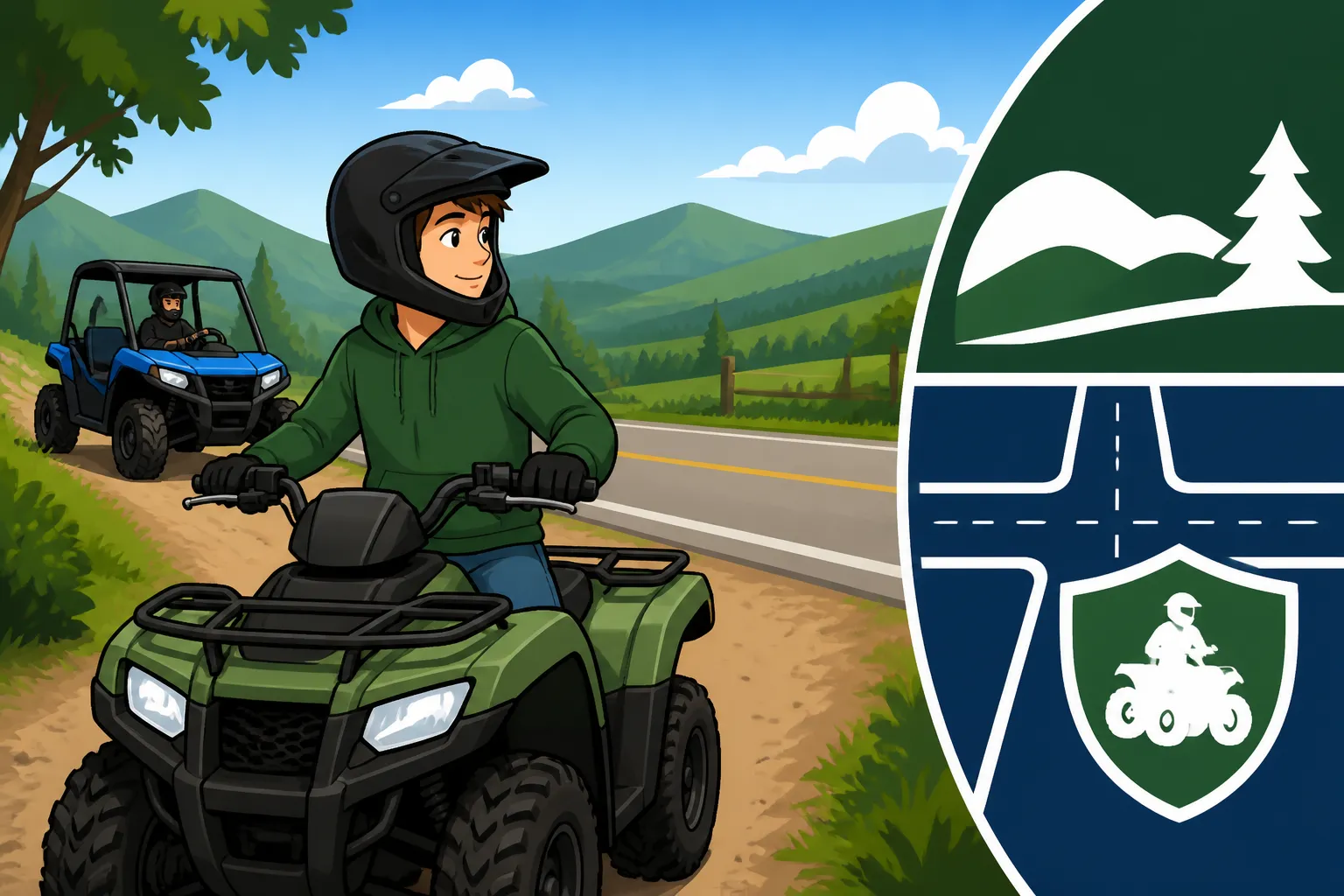
For a 12-year-old operating an ATV in Vermont, crossing a public road is permissible only under a very precise set of circumstances. The most critical rule is that the young rider must be under the direct supervision of an adult who is at least 18 years old. This isn't merely about having an adult present somewhere in the vicinity; it implies immediate oversight and the ability to intervene if necessary. The crossing itself must be done safely and directly, typically at a 90-degree angle to the road, and only after coming to a complete stop and yielding to all vehicular traffic. You can't just zip across.
Imagine a scenario: your 12-year-old is on a VASA trail that momentarily intersects a town road. Before they even approach the pavement, they need to slow down, be aware of their supervisor, and stop at the very edge of the road, just like a car at a stop sign. They must look both ways, listen for traffic, and only proceed when it is absolutely safe to do so, moving straight across to the continuation of the trail. They cannot ride down the road, even for a short distance. This strict interpretation is designed to minimize the time an ATV spends in traffic and reduces the risk of collisions. Understanding [Vermont ATV Crossing Rules at Age 12] is paramount for any parent or guardian allowing a young person to ride.
Distinguishing Between Crossing and Riding on Roads
It's absolutely vital to understand that a "road crossing" is not the same as "riding on the road." This distinction is often misunderstood and can lead to serious legal consequences if ignored. While Vermont law allows for supervised, direct crossings of public roads by 12-year-olds under specific conditions, it generally does not permit riding ATVs on public roads, streets, or highways. The only exceptions are specific, designated routes that towns have officially opened for ATV travel via a town ordinance, and even these often come with their own set of rules, such as speed limits, curfews, and specific season dates.
For a 12-year-old, even if a town has opened a section of road, the direct supervision requirement still applies. You cannot send your child ahead alone on a designated road section. The vast majority of Vermont's public roads remain off-limits to ATVs, and especially for young riders. This regulation is crucial for public safety, as ATVs are not designed or equipped for road travel and can be difficult for other motorists to see. Misinterpreting this distinction is a common mistake. If you're ever in doubt about a specific road, assume it's closed to ATVs. For comprehensive guidance on this, review resources like [Can You Ride an ATV on the Road in Vermont?], which provides further clarification on the subject.
Supervision Requirements for Young ATV Riders in Vermont
The concept of "supervision" isn't a vague suggestion in Vermont; it's a clearly defined legal requirement, particularly for riders under the age of 16. Understanding what constitutes proper supervision is just as important as knowing the age and safety certificate rules. It's about more than just being present; it's about active responsibility.
Who Can Legally Supervise a Rider Under 16
For a 12-year-old operating an ATV on trails or making road crossings in Vermont, direct supervision by an adult is non-negotiable. The law specifies that this supervisor must be at least 18 years of age. This means a 16-year-old sibling, no matter how responsible they seem, cannot legally fulfill the role of a supervisor for a younger rider in this context. The adult supervisor is essentially taking on the legal responsibility for the young rider's actions and safety, so they need to be mature, experienced, and capable of exercising sound judgment.
This supervisor doesn't necessarily have to be a parent or legal guardian, but they must be an adult aged 18 or older who is competent to operate an ATV themselves and understands the rules. It's often beneficial for the supervisor to be riding their own ATV or a similar machine, allowing them to stay in close proximity and respond quickly if needed. The legal framework surrounding [Vermont Supervision Rules Under 16] is designed to ensure that an experienced and responsible individual is always on hand to guide, instruct, and intervene, providing a critical layer of safety for developing riders.
What "Direct Supervision" Actually Means on the Trail and Road
The term "direct supervision" in Vermont isn't just a casual suggestion; it carries specific implications for how an adult must oversee a young ATV rider. It essentially means that the supervisor must be close enough to the young rider to provide immediate instruction or intervention if a situation arises. This isn't about letting your 12-year-old ride off into the distance while you catch up later. It means maintaining visual contact and being within a reasonable distance to communicate effectively, whether verbally or through pre-arranged signals.
Consider a tricky section of trail or a necessary road crossing. The supervisor should be able to see the young rider, anticipate potential hazards, and guide them through safely. This might mean the supervisor riding just ahead, just behind, or alongside the young rider, depending on the terrain and the specific situation. For road crossings, the supervisor should ideally cross first or simultaneously, ensuring the path is clear and instructing the young rider on when and how to proceed safely. This level of engagement ensures that the 12-year-old is constantly learning and is immediately supported in challenging circumstances, significantly reducing the risk of accidents or rule violations. It's about proactive guidance, not reactive damage control.
Equipment and Safety Considerations for Young Riders
Beyond the legalities of age and supervision, ensuring your 12-year-old is properly equipped and that their ATV is suitable for them is fundamental to safety. Riding an ATV is an exhilarating experience, but it comes with inherent risks that can be greatly mitigated by the right gear and the right machine.
Essential Gear for a 12-Year-Old ATV Rider
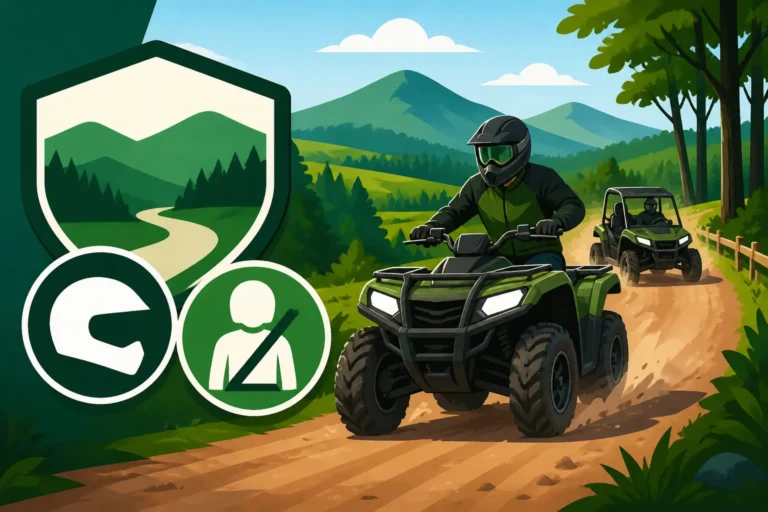
Safety gear is not optional; it's mandatory, especially for young riders. The single most important piece of equipment is a properly fitted helmet. Vermont law is very clear on this: [Vermont ATV Helmet Law for Every Rider] means every rider, regardless of age, must wear a helmet. But it's not just any helmet; it needs to be DOT-approved and fit snugly. A helmet that's too loose or too large won't provide adequate protection in a fall. Eye protection, such as goggles or a face shield, is also critical to shield against dust, debris, and branches.
Beyond the head, long pants, a long-sleeved shirt, gloves, and sturdy over-the-ankle boots are highly recommended. This full coverage helps protect against scrapes, bruises, and even minor burns from hot engine parts. Investing in good quality, impact-resistant gear can make a huge difference in the outcome of an unexpected tip-over. While it might seem like a lot to wear, especially on a warm day, the protection it offers is invaluable. Ensuring your child understands why they wear this gear can also help them appreciate its importance and encourage consistent use.
Ensuring the ATV is Appropriate for the Rider's Size and Skill
One of the biggest mistakes parents make is putting a young rider on a machine that's too large or too powerful for their size and skill level. A 12-year-old needs an ATV that they can comfortably control, meaning they should be able to reach all the controls (throttle, brakes, gear shifter) easily, maintain proper riding posture, and shift their weight effectively to steer and handle the machine. Trying to manage a heavy, overpowered machine can quickly lead to fatigue, loss of control, and accidents.
Manufacturers often provide age and size recommendations for their ATV models, and these guidelines should be taken seriously. For many 12-year-olds, a youth-sized ATV or a smaller, less powerful adult machine is far more appropriate than a full-sized, high-performance model. If your child's machine feels a bit off, or if you're looking to adapt it for a better fit, aftermarket parts can be a lifesaver. Companies like SuperATV offer a range of accessories that can help. For instance, you might find shorter handlebars for smaller arms, adjustable seats to improve reach, or even specialized footpegs that can be positioned for better control. These types of modifications can significantly enhance a young rider's comfort and ability to safely manage their machine, making the overall riding experience much safer and more enjoyable for them.
| Rider Age Group | Safety Certificate | Direct Supervision (18+) | Road Crossing | Riding on Roads (Designated) |
|---|---|---|---|---|
| Under 12 | Not applicable | Required for any operation outside private family land | Not Permitted | Not Permitted |
| 12-15 | Required | Required | Permitted (specific conditions) | Permitted (designated roads, specific conditions) |
| 16-17 | Required | Not Required (but recommended) | Permitted (specific conditions) | Permitted (designated roads, specific conditions) |
| 18+ | Not Required | Not Required | Permitted (specific conditions) | Permitted (designated roads, specific conditions) |
Local Ordinances and Their Impact on Young Riders
While state law provides the overarching framework for ATV use in Vermont, local towns and municipalities have a significant say in where and how ATVs can operate within their borders, especially concerning public roads and rights-of-way. This hyper-local control means that what's legal in one town might be prohibited just a few miles down the road.
How Town Ordinances Affect Road Crossings and Access
The power to open town roads or portions thereof for ATV use rests with the local selectboard. Each year, these selectboards can vote to designate certain roads or sections as open for ATV travel. This often creates a patchwork system where some towns enthusiastically embrace ATV tourism, while others opt to keep all their roads closed. When a town does open a road, it's typically for connecting segments of the larger VASA (Vermont ATV Sportsman's Association) trail system, allowing riders to link trails that would otherwise be isolated. These designations are not permanent; [Vermont Selectboards Open Roads Each Year], meaning what was open last year might not be this year, and vice-versa.
For a 12-year-old, this means that even if they meet all state requirements (safety certificate, supervision), they still cannot use a town road for even a crossing unless that specific road has been designated as open for ATVs by that town. Furthermore, these local ordinances often come with their own restrictions: specific hours of operation, speed limits that are lower than the posted car speed, and seasonal closures (e.g., during mud season). It's a complex system, but it exists to balance recreational opportunities with community concerns about noise, dust, and safety. Disregarding these local rules, even unknowingly, can lead to fines and negative perceptions of ATV riders.
Researching Specific Town Rules Before You Ride
Given the variability of town ordinances, the single most important piece of advice for any ATV rider in Vermont, especially those with young operators, is to research the specific town rules before you load up the trailer. Don't assume that because one town in the Northeast Kingdom has open roads, all of them do. Many VASA clubs publish maps of their trail networks, which often include designated road crossings and routes. However, these maps should always be cross-referenced with official town information.
The best way to find current, accurate information is often through the town clerk's office or the town's official website. Look for specific ordinances related to "All-Terrain Vehicles" or "ATV use." Many towns will have maps of their designated ATV routes, sometimes posted at local trailheads or town offices. Regularly consulting resources like [Reading Your Town's Posted Route Map] can save you a lot of headache and potential legal trouble. It's also a good idea to check with the local VASA club that maintains the trails in that area, as they are often the most up-to-date on changes to local access. Taking this proactive step ensures that your 12-year-old's riding experience is not only fun but also fully compliant with both state and local laws.
Penalties and Risks of Non-Compliance
No one wants to think about fines or accidents, but understanding the potential consequences of not following Vermont's ATV rules is a crucial part of responsible riding. These regulations aren't just bureaucratic hurdles; they're designed to keep everyone safe and to preserve the privilege of riding in a beautiful state like Vermont.
What Happens if a Young Rider Violates the Rules
If a 12-year-old, or any ATV rider for that matter, is caught violating Vermont's ATV laws, there can be significant repercussions. For minor infractions, like an improper road crossing or riding in an undesignated area, the immediate consequence is often a ticket and a fine. These fines can add up quickly and become a costly lesson. For more serious violations, such as riding without the required safety certificate or proper supervision, especially for a minor, law enforcement or game wardens might issue more substantial penalties. In some cases, repeated violations or particularly egregious acts could even lead to the impoundment of the ATV.
Beyond the legal penalties, there's the broader issue of safety. Riding without proper supervision, on an unsuitable machine, or making unsafe road crossings dramatically increases the risk of an accident. An injury to a young rider is every parent's worst nightmare, and the legal consequences often pale in comparison to the emotional and physical toll of an accident. Furthermore, every violation, especially those involving young riders, can reflect poorly on the entire ATV community, potentially leading towns to close routes or impose stricter rules in the future. Familiarize yourself with resources like [Vermont ATV Fines for Road Violations] to understand the financial implications of non-compliance.
Emphasizing the Importance of Safety and Legal Riding
Ultimately, the goal of all these regulations – from safety certificates and supervision requirements to road crossing rules and local ordinances – is to ensure a safe and sustainable riding environment for everyone. For parents of 12-year-olds, instilling a deep respect for these rules from an early age is perhaps the most valuable lesson you can teach. It’s not just about avoiding tickets; it’s about fostering responsible enjoyment of the outdoors and protecting the privilege of ATV access in Vermont.
Encourage your child to understand why the rules exist. Explain that wearing a helmet isn't just a rule, it's about protecting their brain. Explain that stopping at a road crossing isn't just about avoiding a fine, it's about not getting hit by a car. By modeling responsible behavior yourself, and by consistently reinforcing the importance of safety gear and legal operation, you're not only keeping your child safer but also contributing to the positive image of ATV enthusiasts in Vermont. This commitment to safety and legality ensures that future generations can continue to enjoy the amazing trails and scenic beauty that Vermont has to offer on their ATVs.
Disclaimer
This article is for general informational purposes only and does not constitute professional advice. Laws, prices and regulations vary by location and change over time. Consult a qualified professional for guidance on your specific situation.