Vermont ATV Rules for a 12-Year-Old
It’s completely understandable to feel a bit lost in the weeds when you’re trying to figure out all the specific rules and regulations for your young rider in Vermont. You want your 12-year-old to experience the thrill and freedom of ATV riding, but you also want to ensure they're safe and that you're staying on the right side of the law. This guide is here to untangle the complexities, offering clear, actionable information so you can confidently prepare your 12-year-old for their next adventure on the trails or private land.
Understanding Vermont's Age Requirements for ATV Riders
Let's be honest, trying to decipher ATV laws for young riders can feel like a full-time job, especially when you're just looking for a straight answer for your 12-year-old. Vermont has specific guidelines in place, not to make things difficult, but to keep everyone safe, especially the younger generation of riders. These rules often hinge on a combination of age, safety education, and adult supervision.
For a 12-year-old, the primary concern is usually their eligibility to operate an ATV, especially on public trails or designated areas. Vermont law specifies certain requirements for anyone under the age of 18 who wishes to operate an ATV. It’s not just about physical capability; it’s about demonstrating an understanding of safe operation and having the right adult guidance. Without meeting these conditions, a young rider could unknowingly put themselves or others at risk, or even land you in a sticky situation with local authorities.
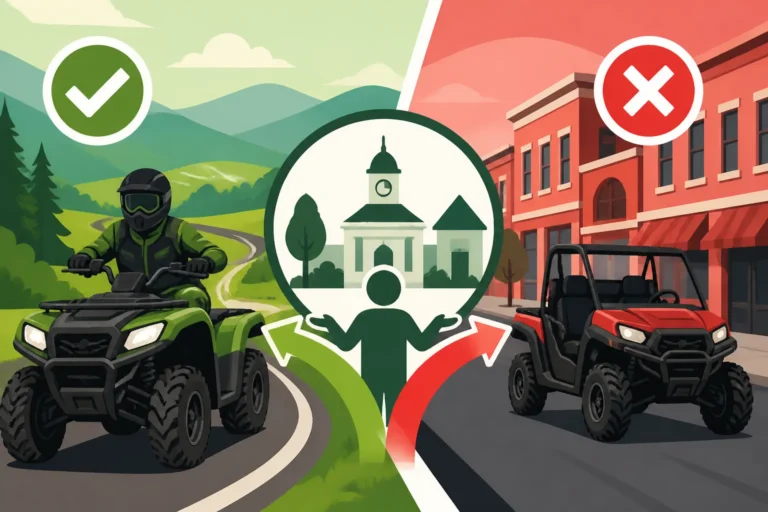
A common point of confusion arises when comparing rules for private land versus public access. Many parents assume that if a child is on their own property, any rule goes. While private land often offers more leniency, the fundamental safety principles and, in some cases, certain legal requirements like insurance, still apply. For a 12-year-old, the focus on private land should still be on proper supervision and using appropriate safety gear, even if the formal safety course isn't strictly enforced in that specific context. When it comes to venturing beyond your backyard, that's when the official rules really kick in.
Mandatory Safety Training for Young Riders
If your 12-year-old is going to ride an ATV anywhere beyond family-owned private land without direct, un-interrupted supervision by a qualifying adult, a safety course isn't just a good idea – it's a legal requirement in Vermont. This isn't about jumping through hoops; it's about equipping young riders with the knowledge and skills they need to navigate trails safely and responsibly. Think of it as their driver's education for off-road vehicles. The state wants to ensure that every young person operating an ATV understands the machine, the environment, and the rules of the trail.
The [Vermont ATV Safety Course Required Under 18] is specifically designed to teach critical skills such as proper turning, braking, ascending and descending hills, and emergency maneuvers. It also covers important aspects like environmental responsibility, respecting landowners, and knowing what to do in case of an accident. While a 12-year-old might feel confident on a machine, this formal training provides a structured environment to learn not just how to ride, but how to ride responsibly. It builds a foundational understanding that can prevent common mishaps and instill good habits from the start.
Once your child completes the course, they’ll receive a safety certificate. This certificate is their proof of having met the state's education requirement. It's crucial to keep this document handy whenever your 12-year-old is riding, as a warden or law enforcement officer may ask to see it. Whether it's a digital copy on your phone or a laminated card in their gear bag, having it readily accessible demonstrates compliance and can save you from potential headaches. Remember, this certificate essentially unlocks their ability to legally ride on designated trails and other public-access areas in Vermont.
Supervision Requirements for Riders Under 16
For riders under the age of 16, Vermont law has very specific [Vermont Supervision Rules Under 16]. It's not enough for a 12-year-old to just have a safety certificate; they also need proper adult supervision when operating an ATV, especially on trails. This requirement ensures that there's an experienced and responsible individual nearby who can provide immediate guidance, intervene if necessary, and offer assistance should any issues arise. It's a critical layer of safety for developing riders who might still be learning to anticipate hazards and make quick decisions.
The supervisor must be at least 18 years old and hold a valid motor vehicle operator's license. They need to be actively engaged in supervising the young rider, meaning they should be close enough to communicate and provide assistance. This isn't a "drop them off at the trailhead and come back later" situation. The intent is direct and ongoing oversight. Imagine a scenario where a 12-year-old encounters an unexpected obstacle or a tricky section of trail. Having a knowledgeable adult right there, either riding alongside or in close proximity, can make all the difference between a minor misstep and a serious incident.
This supervision requirement extends to all designated ATV trails and any public land where ATVs are permitted. On private land that isn't part of a public trail system, the supervision rules might be less formally enforced by the state, but from a safety perspective, it's still highly recommended. A 12-year-old's judgment and reaction times are still developing, and even experienced young riders can benefit from an adult's watchful eye. For example, if you're using specialized accessories like those from SuperATV, ensuring they are correctly installed and used under supervision adds another layer of security.
Where Can a 12-Year-Old Ride an ATV in Vermont?
Navigating the "where" of ATV riding for a 12-year-old in Vermont can be one of the trickiest parts for parents. It's not a free-for-all, and specific areas are designated for ATV use, with varying rules that often depend on age and supervision. The good news is that Vermont does have a robust trail system managed by organizations like the Vermont ATV Sportsman's Association (VASA) and its member clubs. These trails are generally where a properly trained and supervised 12-year-old can legally enjoy their ATV.
The primary network for ATV riding in Vermont is the VASA trail system. These trails are typically located on private land, with permission granted by landowners, and often connect through town roads that have been specifically designated for ATV use by local selectboards. For your 12-year-old to ride on these trails, they will need not only their safety certificate and adult supervision but also a valid [Vermont Trail Access Decal Explained]. This decal helps fund the maintenance and operation of the trail system, ensuring that these opportunities remain available for future generations of riders. Remember, simply owning an ATV doesn't grant access; you need the proper registrations and decals.
Beyond the VASA trails, opportunities for a 12-year-old might include riding on private property with the landowner's explicit permission. This is often where many young riders get their start, learning the ropes in a controlled environment. However, it's crucial to distinguish between family-owned land and other private properties. If you're riding on someone else's land, always ensure you have documented permission. When venturing onto town roads designated for ATV crossings or connections, remember that rules like [Vermont ATV Crossing Rules at Age 12] come into play, requiring extra caution, yielding to other traffic, and often specific equipment like working headlights and taillights.
Here's a quick summary of key considerations for a 12-year-old ATV rider in Vermont:
| Requirement | Applies to Private Land (Family Owned) | Applies to VASA/Designated Trails |
|---|---|---|
| Age | Permitted with parental consent | Permitted with full compliance |
| Safety Certificate | Highly recommended | Required |
| Adult Supervision | Highly recommended (under 18) | Required (under 16, 18+ supervisor with valid license) |
| Vermont Registration | Not always required | Required |
| Trail Access Decal (TAD) | Not required | Required |
| Helmet | Required | Required |
| Eye Protection | Required | Required |
| Insurance | Highly recommended | Required |
| Road Crossing Rules | N/A | Required |
Essential Equipment and Road Rules for Young Riders
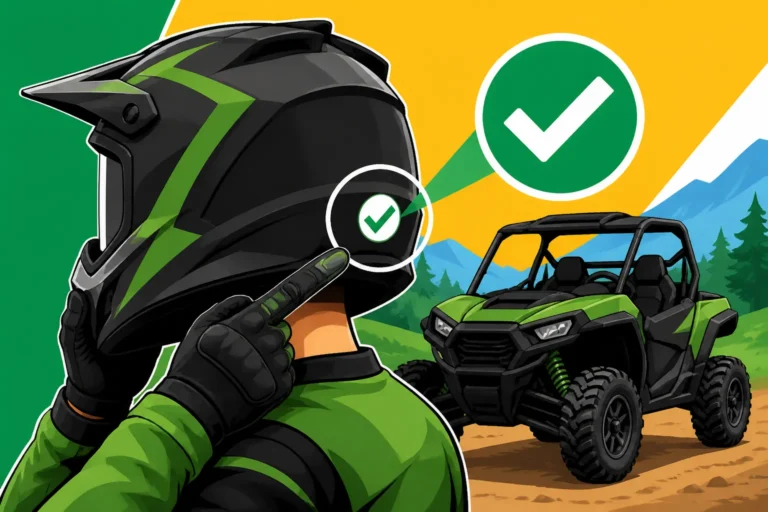
When your 12-year-old is gearing up for a ride, whether it's on a VASA trail or private land, proper equipment is non-negotiable. It’s not just about comfort; it's about mitigating risks and protecting them in case of an unexpected fall or collision. The most critical piece of equipment is, without a doubt, a well-fitting helmet. Vermont has a strict [Vermont ATV Helmet Law for Every Rider], meaning absolutely no one, regardless of age or experience, can ride an ATV without an approved helmet. This isn't a suggestion; it's the law.
Beyond the helmet, eye protection is equally important. Goggles or a full-face helmet visor will shield your child's eyes from dust, debris, insects, and low-hanging branches. Imagine the distraction and potential danger of a bug hitting their eye at speed! Long sleeves, long pants, gloves, and over-the-ankle boots are also essential. These items provide crucial protection against scrapes, cuts, and minor impacts. While you might be tempted to let them ride in shorts and a t-shirt on a hot day, resist the urge – the risk of injury far outweighs the comfort. Companies like SuperATV offer a range of protective gear and accessories that can enhance safety and comfort on the trails.
When it comes to road rules, it's vital to instill a strong sense of caution in your young rider. While many town roads are closed to ATVs, some are designated for use, often to connect trail segments. On these designated roads, a 12-year-old must understand that they are sharing the space with cars, trucks, and other vehicles. This means obeying all traffic laws, including speed limits, stop signs, and yielding to oncoming traffic. For example, [Vermont ATV Crossing a State Highway] requires extreme vigilance. They must ride defensively, be highly visible, and always assume that other drivers might not see them. Reinforce the importance of signaling turns and maintaining a safe distance from other vehicles, even if they're on an ATV themselves. Remember, rules for ATVs can vary significantly from town to town, so always check local ordinances.
Disclaimer
This article is for general informational purposes only and does not constitute professional advice. Laws, prices and regulations vary by location and change over time. Consult a qualified professional for guidance on your specific situation.