Routes Posted With Official Signs
Navigating Vermont's beautiful backcountry on your ATV or UTV is an incredible experience, but it comes with its own set of challenges, especially when it comes to knowing precisely where you're legally allowed to ride. It's frustrating to feel like you're constantly guessing, or worse, worrying about accidentally trespassing or breaking a local ordinance. This guide is here to clear up that confusion, focusing on the absolutely critical role of official signs in designating legal ATV routes on town roads and what you need to know to ride confidently and responsibly.
The Labyrinth of Vermont's Town Roads for ATV Riders
For many riders, the dream is to explore Vermont's vast landscapes, but the reality often hits when you encounter a maze of dirt roads, paved sections, and unmarked paths. It's not always clear-cut which roads welcome ATVs and UTVs, and the last thing any enthusiast wants is to unintentionally stray onto private land or a prohibited public way. This uncertainty can really dampen the spirit of adventure, making you second-guess every turn.
Why Official Signs Are Your Beacon on Vermont Roads
The reason for this widespread confusion is simple: not all roads are created equal when it comes to ATV access. Unlike a dedicated trail system that might have continuous signage, town roads are a patchwork. One town might embrace ATV tourism, while its neighbor might have strict prohibitions. Without clear, official signage, you're essentially riding blind, and that's a recipe for trouble, both legal and communal.
Official signs act as your definitive beacon, cutting through that confusion. They are the visible manifestation of a town's decision to open a specific road or section of a road to ATVs and UTVs. These signs aren't just friendly suggestions; they are the direct result of a formal process by town selectboards to designate routes. These designations are serious business and often go through a public hearing process, reflecting community input and local considerations. Relying on "common knowledge" or a faded tire track can lead you down the wrong path, quite literally. These official markers are the only truly reliable indication of legal access, providing the clarity you desperately need to avoid fines or upsetting local residents and landowners. Remember, towns engage in an [Annual Designation and What Lapses], meaning these signs are often renewed or re-evaluated yearly.
The Different Faces of "Open" on a Vermont Town Road
When a town designates a road as "open" for ATVs, it's not always a blanket approval for all hours, all seasons, or all sections. This is another layer of complexity that riders need to understand, and it's where those official signs truly earn their keep. An "open" designation might mean a road is accessible only during daylight hours, or perhaps only during certain months of the year to protect it from mud season damage or during hunting season.
Sometimes, a sign might indicate that only a specific segment of a road is open, perhaps connecting two legitimate trails or allowing access to a fuel stop in a village. You might encounter a road that allows ATV traffic for a few miles, only for the designation to abruptly end where it meets a state highway or enters a village where machines are prohibited. This piecemeal approach means you have to stay vigilant, constantly looking for those signs that confirm your legal presence. Contrast this with [Vermont Towns That Never Opened a Road], where you won't find any official signs indicating ATV access, and riding there would be strictly prohibited. Understanding these nuances, as clarified by comprehensive signage, is crucial for a compliant and enjoyable ride in Vermont.
Decoding the Official Vermont ATV Road Signs
Once you understand why these signs are so crucial, the next step is to know what to look for and how to interpret them. Vermont's approach to ATV road access is built on the foundation of these physical markers, so being able to quickly identify and understand them is a vital skill for any rider. It's not just about seeing a sign, but recognizing an official one that carries legal weight.
What to Look For: Identifying Legal ATV Routes
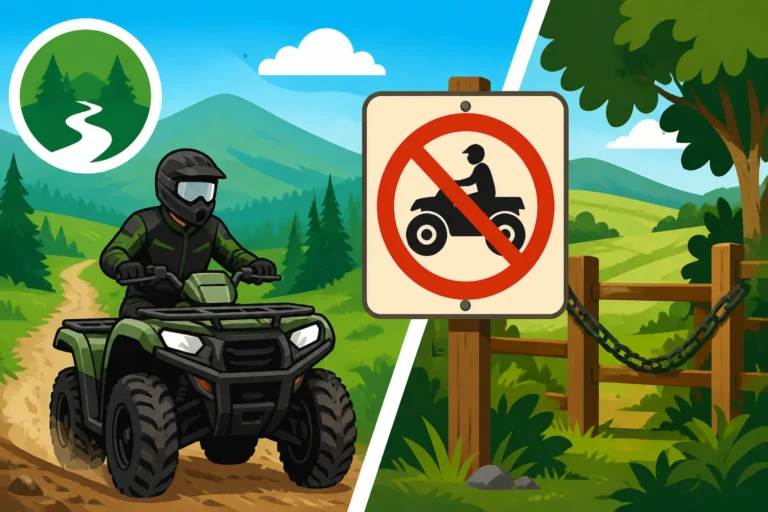
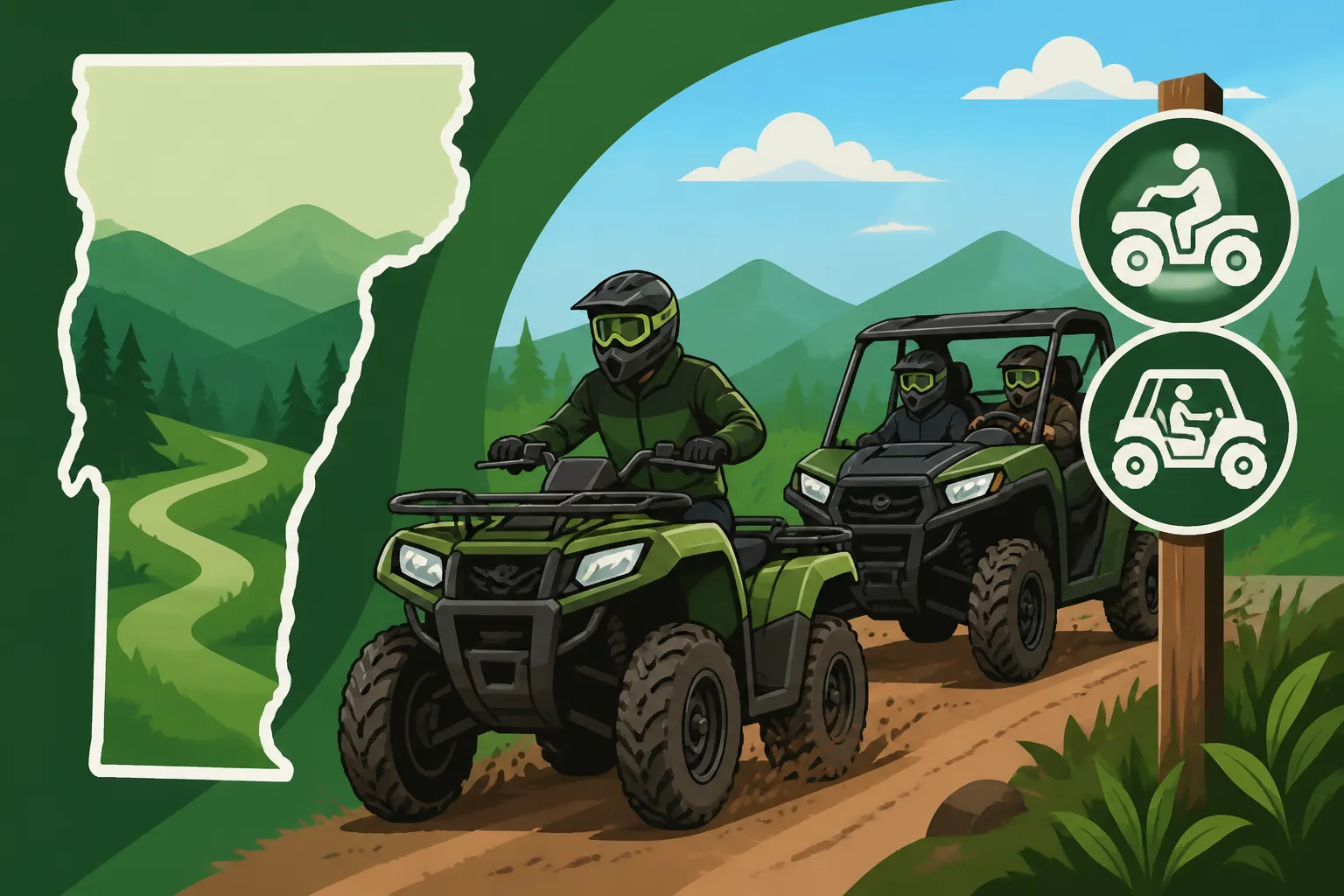
Official ATV route signs in Vermont typically have a clear, authoritative look. While designs can vary slightly from town to town, you'll often see specific elements that denote their legitimacy. Look for signs that are clearly printed, professionally mounted, and contain text like "ATV Route," "Designated Trail," or "Open to ATVs." Many will feature a standard ATV silhouette icon. These aren't hand-painted notes taped to a tree; they are usually durable, reflective signs, often white text on a green or brown background, or sometimes other colors as determined by local ordinances or state guidelines for road signage.
These signs are typically posted by the town's highway department or municipal offices after a formal decision by the selectboard. In some cases, VASA (Vermont ATV Sportsman's Association) or its member clubs may place supplemental directional signs, particularly where a town road connects to their maintained trail system. However, the ultimate authority for road access comes from the town's official signs. It's important to differentiate these from informal markers or signs that might indicate a private trail access point, which may or may not be legal for general public use. Always prioritize the official road signs from the town itself.
Here's a quick guide to what you might encounter:
| Sign Type | Appearance / Features | Implication for Riders |
|---|---|---|
| Official Town Sign | Durable, reflective, professional printing, "ATV Route" | Legally designated route; follow all town ordinances. |
| VASA Directional | Club logos, trail names, arrows, often supplementary | Guides along an officially designated route or trail system. |
| Private Property | "No Trespassing," "Private Drive," "Posted" | Strict prohibition; riding here is illegal and unethical. |
| Seasonal Closure | Often temporary, indicates "Closed to ATVs" or dates | Route temporarily inaccessible; riding is prohibited during closure. |
| Warning/Advisory | "Watch for Logging Trucks," "Rough Road Ahead" | Provides important safety information for the route. |
Beyond the Sign: What Else to Know About Designated Routes
While an official sign confidently tells you "yes, you can ride here," it doesn't give you a free pass for unrestrained riding. These designated routes, especially when they are town roads, come with a whole host of other rules and expectations that you, as a responsible rider, must adhere to. The sign indicates access, but not necessarily carte blanche.
For instance, the town that designated the route might also have specific [Vermont Town Ordinances That Set Curfews] for ATV use, limiting riding to certain hours of the day. They'll almost certainly have [Vermont ATV Speed Limits on Town Roads] that you absolutely must respect, often significantly lower than what you might ride on a private trail. Beyond that, there are general state laws regarding insurance, registration, and safety equipment that apply to all road riding, even on designated ATV routes. Your machine needs to be properly registered with a Vermont ATV plate, you need the right insurance, and you (and any passengers) must wear a helmet.
It's also crucial to remember that these are often shared roads. You'll likely encounter cars, trucks, bicycles, pedestrians, and even horses. Your presence on the road requires extreme caution, courtesy, and defensive riding. Companies like SuperATV offer excellent accessories, such as mirrors and signal kits, that can help make your machine more visible and compliant with potential road-specific requirements, enhancing safety for everyone. The signs mark the way, but your conduct on that way reflects on the entire riding community. Adhering to these unwritten and written rules helps ensure that towns continue to designate and maintain these valuable routes for everyone's enjoyment.
The Risks and Responsibilities of Riding Posted Routes
Riding an ATV or UTV in Vermont is a privilege, not a right, especially when it comes to utilizing town roads. When towns and landowners open their lands and roads, they do so with an expectation of responsible behavior. Understanding the ramifications of not respecting designated routes and the importance of rider etiquette is paramount to preserving access for future generations.
What Happens If You Ride an Unposted Road?
This is where the rubber meets the road, quite literally. If you choose to ride on a town road that has not been officially posted as open for ATV use, you are essentially breaking the law. It's not just a minor oversight; it can have serious consequences. The most common immediate issue you'll face is trespassing. Even if a road looks public, if the town has not explicitly opened it, riding there is considered illegal. [Vermont Trespass Law for Riders] is quite clear on this, and enforcement can lead to fines, confiscation of your machine, or even more severe legal action depending on the circumstances.
Furthermore, riding on an unposted road can also lead to other penalties. While specific to registration, understanding [Vermont Penalties for Riding Unregistered] highlights the state's seriousness about compliance. Law enforcement, including local police and game wardens, have the authority to ticket you for unauthorized road use. The excuse of "I didn't know" or "I didn't see a sign" typically won't hold water. It's your responsibility as the rider to know where you are legally permitted to operate your machine. This often means doing a little homework before you head out, checking town websites for ordinances, consulting VASA maps, and, most importantly, keeping an eye out for those official signs. Before you even set out, a quick check of a reliable map or a call to the town clerk can save you a lot of headache. Knowing how to interpret [Reading Your Town's Posted Route Map] is a skill worth developing.
Maintaining Access: Rider Etiquette on Posted Routes
The future of ATV access on Vermont's town roads hinges almost entirely on the behavior of riders today. When towns decide to open roads, they are trusting the ATV community to be respectful, safe, and responsible. Every time a rider acts carelessly or irresponsibly, it jeopardizes that trust and puts future access at risk.
This "social contract" means a few things for riders:
- Respect Private Property: Even on a designated route, you're often riding adjacent to private land. Stay strictly on the road, don't veer off, don't litter, and don't make excessive noise. Understanding [Vermont Riding Adjacent to Your Own Property] means knowing your boundaries.
- Mind Your Speed and Noise: Excessive speed or loud exhaust systems are common complaints from residents. Adhere to all posted speed limits, and if your machine is particularly loud, consider installing quieter aftermarket components. SuperATV, for example, offers various exhaust options that can help reduce noise without sacrificing performance, making you a better neighbor on these shared routes. Vermont has clear [Vermont Muffler and Noise Rules] for a reason.
- Minimize Environmental Impact: While road riding typically has less impact than off-trail riding, avoid churning up gravel or creating dust clouds where possible. Be especially mindful during wet conditions to prevent road degradation.
- Be Prepared: Always wear your helmet, as mandated by [Vermont ATV Helmet Law for Every Rider]. Ensure your machine is in good working order, with working brakes, lights, and appropriate tires for mixed terrain.
- Courtesy to Others: Yield to hikers, bicyclists, and especially horses. Slow down and give them a wide berth. A friendly wave goes a long way.
Every positive interaction and every responsible ride reinforces the idea that ATVs and UTVs can be a welcome part of the community, helping to maintain and even expand access. Conversely, a single bad experience can lead to roads being closed indefinitely.
Planning Your Ride: Finding Posted Routes and Staying Informed
So, you're ready to hit the trails and town roads, armed with the knowledge of how important those official signs are. But how do you proactively plan your route to ensure you're sticking to legal, posted roads? It takes a bit of preparation, but it's well worth the effort for a stress-free ride.
Utilizing VASA Maps and Town Resources
The best way to plan your ride is to combine digital resources with on-the-ground observation of signs. The Vermont ATV Sportsman's Association (VASA) is your first and best friend here. VASA works closely with towns and landowners to establish and maintain the statewide trail network, which often includes designated town road connectors. Their maps are invaluable for outlining these routes. You can often find [Vermont ATV Trail Map Downloads] on the VASA website or through individual club sites. These maps will typically highlight designated corridors, including those on town roads.
Beyond VASA, it's a smart move to check the websites of the specific towns you plan to ride through. Many towns, especially those with established ATV routes, will publish their local ordinances and even detailed maps showing which roads are open. A quick call or email to the town clerk's office can also be helpful if you can't find the information online. Remember, these designations are often renewed annually, so what was open last year might have changed. Staying informed ensures you're always riding within the current regulations.
Equipping Your Machine for Vermont's Diverse Roads
Riding on designated town roads often means encountering a mix of surfaces – pavement, gravel, and dirt. Your machine needs to be properly equipped not only for safety and performance but also for legal compliance.
- Lighting: Many town roads are shared with conventional traffic, and if you're riding near dawn, dusk, or in inclement weather, good lighting is non-negotiable. Vermont law requires headlights and tail lights. [Vermont Headlight and Tail Light Rules] are critical to follow. Consider upgrading your stock lights for better visibility, and ensure all your signals are in working order. SuperATV offers a range of high-quality LED light bars and accessory lighting that can dramatically improve your visibility, both for you seeing the road and for others seeing you.
- Tires: While your knobby off-road tires are great for mud, they might wear quickly or handle differently on extended stretches of pavement or hard-packed gravel. Ensure your tires are in good condition and suitable for mixed-terrain riding.
- Mirrors and Signals: While not always explicitly required by state law for all ATVs on town roads, some local ordinances might ask for mirrors or turn signals, especially in more populated areas or on specific roads. Having these can significantly enhance your situational awareness and ability to communicate with other traffic, making your ride safer and more courteous. It’s always better to be over-prepared than under-prepared when it comes to safety and compliance on shared routes. Equipping your machine thoughtfully ensures it's ready for any posted route Vermont throws your way.
Disclaimer
This article is for general informational purposes only and does not constitute professional advice. Laws, prices and regulations vary by location and change over time. Consult a qualified professional for guidance on your specific situation.