When a Vermont Village Keeps Its Streets Closed
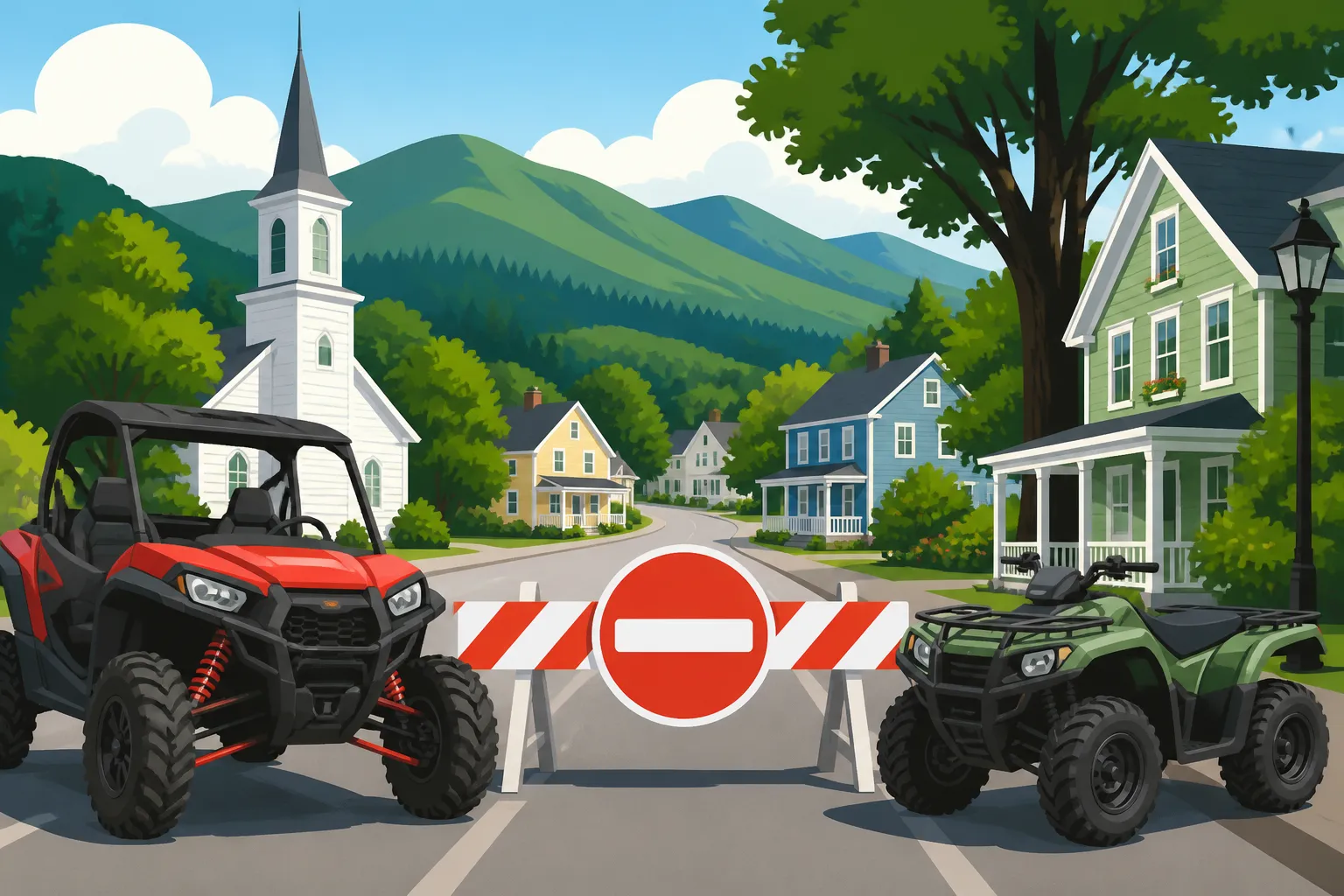
It’s a common frustration for ATV and UTV riders in Vermont: you’ve meticulously planned a scenic route, only to find that a particular village or town has decided to keep its streets closed to off-road machines. This guide will help you understand why these decisions are made, how they impact your riding, and what steps you can take to navigate or even influence local access rules.
Understanding the Local Control Over ATV Access in Vermont
Unlike some states where ATV access on public roads might be broadly uniform, Vermont operates on a principle of local control. This means that while the state sets a framework, individual towns and villages hold significant power in determining whether their streets are open to ATVs and UTVs. It can feel like a patchwork quilt of rules, making planning a cross-town ride a real headache.
The Power of the Selectboard and Town Meeting
In Vermont, local governance is largely in the hands of the Selectboard, which is the legislative and executive body for towns. Villages within towns may also have their own trustees or similar bodies. These elected officials are responsible for making decisions that reflect the desires and concerns of their constituents. When it comes to opening or closing roads to ATVs, their decision-making process often involves public hearings, town meetings, and a careful balancing act between rider access, resident quality of life, and road maintenance. A Selectboard can vote to designate certain roads for ATV use, but these designations often need to be renewed annually, which means what's open one year might be closed the next if the board takes no action or changes its mind. This is why you'll often hear about [Annual Designation and What Lapses] if boards don't actively renew routes.
Imagine a small village in the Northeast Kingdom, known for its quaint charm and quiet streets. The residents moved there precisely for that tranquility. When the idea of opening village roads to ATVs comes up, the Selectboard has to weigh the economic benefit that riders might bring (more traffic to local stores, gas stations, eateries) against potential noise complaints, increased dust, wear and tear on roads, and safety concerns from residents who fear a loss of their peaceful environment. These concerns are very real for many communities.
Why Some Villages Opt for Closed Streets
There are a multitude of reasons why a Vermont village might choose to keep its streets closed to ATVs. It's rarely a simple "no" just for the sake of it; there are often deeply felt community concerns at play.
One of the most frequent reasons cited is noise pollution. While modern ATVs and UTVs are certainly quieter than their predecessors, a group of machines passing through a residential area can still be disruptive, especially early in the morning or late in the evening. Residents might worry about the impact on property values or their ability to enjoy their own yards.
Safety is another paramount concern. Many village streets, particularly in older towns, are narrow, lack sidewalks, and might have blind corners. The idea of ATVs, which often have different handling characteristics than passenger cars, sharing these confined spaces with pedestrians, bicycles, and cars can raise alarms for local officials and parents. Concerns about speed limits and adherence to them are also common. You can learn more about [Vermont ATV Road Rules by Town] to see how these vary.
Infrastructure wear and tear is also a consideration. While ATVs don't necessarily cause more damage than cars on paved roads, heavy use, especially by larger, heavier machines, can contribute to pothole formation or gravel displacement on dirt roads. Who pays for the maintenance? Often, it falls to the local municipality.
Finally, there's the broader issue of community character and quality of life. Some villages simply want to maintain a specific atmosphere that they feel would be compromised by motorized recreational traffic. They might value quiet, pedestrian-friendly streets above all else. For instance, a small village that thrives on historical tourism might be wary of introducing ATV traffic that could detract from its desired ambiance.
Navigating Closed Village Streets as an ATV Rider
When a village keeps its streets closed, it definitely throws a wrench into your riding plans. It means you can't simply ride through the village to connect trails or access amenities. Understanding how to identify these closures and plan around them is essential for a smooth, legal, and enjoyable experience.
Identifying Closed Routes and Posted Signs
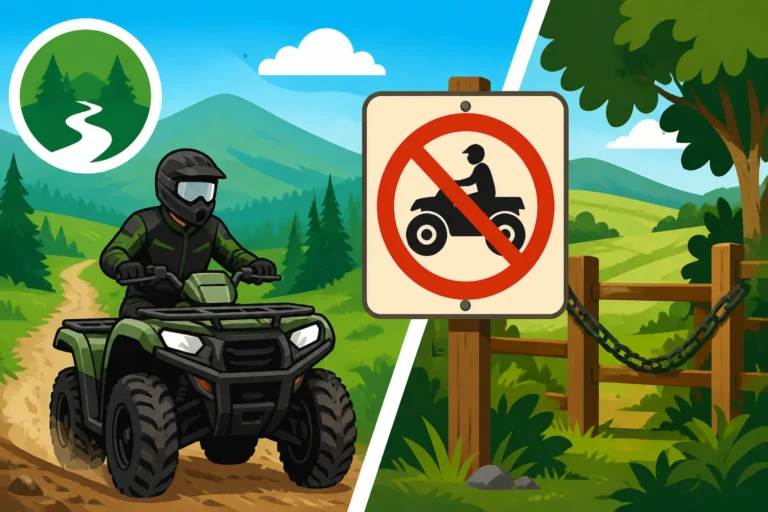
The first step to respecting local rules is knowing what they are. In Vermont, if a road is open to ATVs, it must be specifically designated and posted with official signs. If you don't see signs indicating ATV access, assume the road is closed. This is a critical distinction: silence means no entry. Villages that actively keep their streets closed will often have signs indicating "No ATV Access" or "Private Road" or simply lack any signs permitting ATV use. Many towns issue annual maps showing their designated routes. Checking these maps before you head out is crucial. These maps are often available through town clerks' offices, local ATV clubs, or online. Always keep an eye out for [Routes Posted With Official Signs].
It’s also important to remember that state highways and interstates are generally off-limits to ATVs, regardless of local ordinances. You might cross them at designated intersections, but riding on them is a different story. Therefore, even if a village wants to open its streets, it cannot open a state-maintained route that passes through it without specific state approval, which is rarely granted.
Planning Your Ride Around Restrictions
Finding a village street closed doesn't mean your ride is ruined, but it does mean you need a backup plan. This is where good navigation skills and a reliable map come into play.
- Consult VASA Trail Maps: The Vermont ATV Sportsmen's Association (VASA) and its member clubs maintain an extensive trail system. Their maps often indicate designated town road connectors. If a village is closed, these maps will show alternative routes or indicate where the trail ends before hitting the restricted area. You can often find [Vermont ATV Trail Map Downloads] through VASA or individual club websites.
- Use Alternate Transport: If your destination is within a closed village (say, a gas station or a restaurant), you might need to trailer your machine to the outskirts of town and then drive your truck or car in. It’s not ideal, but it’s better than getting a ticket. Many trailheads offer [Vermont Trailheads With Trailer Parking] for this exact purpose.
- Look for Designated Crossings: Sometimes, a village won't open its main streets but will permit designated crossings where a trail system connects on either side of a paved road. These crossings are strictly for getting from one trail segment to another, not for riding through the village itself. You must come to a complete stop, look for traffic, and proceed directly across the shortest possible path.
Consider a scenario where you're riding with friends and you planned to stop for lunch at a diner in the village of Grafton, which has decided to keep its main streets closed to ATVs. Your VASA map shows the trail skirts the village. Instead of trying to ride into town, you could identify a nearby parking area just outside the village limits, park your machines, and walk or arrange for someone to pick you up and drop you off. It requires a bit more foresight, but it ensures you stay compliant with local rules.
The Challenge for Local Businesses
When villages decide to close their streets to ATVs, it can create a real conundrum for local businesses. On one hand, some businesses, particularly those catering to local residents or tourism not related to motorsports, might appreciate the quiet and reduced traffic. On the other hand, businesses like general stores, gas stations, diners, and lodging establishments that would otherwise benefit from ATV rider traffic can see a significant economic impact.
Imagine a small country store in a village that's a popular waypoint for riders. If the village closes its streets, those riders will simply bypass the store, taking their business elsewhere. This is a tough pill for business owners who rely on seasonal tourism. Some communities try to mitigate this by creating "trailhead access" points or allowing businesses on the very edge of the village to remain accessible, but it's a constant tension between different community interests. Sometimes, businesses themselves become advocates for opening routes, as they see the potential for increased revenue.
Advocating for Change: How Riders Can Influence Local Decisions
While it might seem daunting to change a town's mind, it's not impossible. Local governance in Vermont is often very responsive to engaged citizens. If you feel strongly that a village should open its streets to ATVs, there are concrete steps you can take to make your voice heard.
Engaging with Your Local Selectboard
The Selectboard members are your elected representatives. They are the key decision-makers. Attending a Selectboard meeting, especially when ATV access is on the agenda, is the most direct way to engage.
- Do Your Homework: Before you go, understand the village's current ordinance, identify the specific roads you believe should be opened, and have solid reasons why. Think about potential benefits (economic boost, connecting existing trail systems) and be prepared to address common concerns (noise, safety, road damage).
- Present Solutions, Not Just Complaints: Instead of just saying "open the roads," suggest specific solutions. Could certain roads be designated with lower speed limits for ATVs? Are there ways to mitigate noise or dust? Could a specific trail connector be established that minimizes disruption?
- Bring Data: If you have information on the economic impact of ATV tourism in other towns, or statistics on ATV safety, share it. A well-researched argument is far more persuasive than an emotional plea. You might point to how [Vermont Selectboards Open Roads Each Year] in neighboring towns and how those communities have benefited.
- Be Respectful and Patient: Local politics move slowly. Be prepared for a long process, and always maintain a respectful tone, even if you disagree. Persistence is key.
The Role of ATV Clubs and Community Involvement
Individual voices are powerful, but collective voices are even stronger. Joining and actively participating in a local ATV club can significantly amplify your efforts.
- Organized Advocacy: ATV clubs, like the Tri-County ATV Club or Border Line Ridge Riders, are often the primary liaisons between riders and town officials. They have established relationships, understand the political landscape, and can organize collective efforts to advocate for expanded access. They're also often the ones managing [Vermont's Trails Run on Private Land], meaning they have a vested interest in expanding the network.
- Demonstrate Responsibility: Clubs often organize volunteer workdays, maintaining trails, cleaning up litter, and showing good stewardship. This demonstrates that ATV riders are responsible members of the community, which can build goodwill and make Selectboards more amenable to opening roads.
- Community Engagement: Clubs can also organize events that bring riders and non-riders together, helping to dispel misconceptions about the sport. Poker runs or charity rides, for example, can show the positive contributions riders make.
Furthermore, getting involved in broader community discussions, perhaps through town forums or local planning committees, can help ensure the ATV rider's perspective is considered in overall town development. You might even find common ground with other recreational groups or businesses.
Understanding the Process for Opening Roads
For a town or village to open a road to ATVs, a specific process must typically be followed:
- Petition or Proposal: Often, the process begins with a petition from residents or a proposal from an ATV club to the Selectboard.
- Public Hearing: The Selectboard is usually required to hold a public hearing to gather input from all residents, both pro and con. This is where the issues of [Dust and Noise Complaints in a Village] frequently surface.
- Board Decision: After the hearing, the Selectboard votes on an ordinance or resolution to designate specific roads for ATV use. This decision needs to be formally recorded.
- Posting Signs: If approved, the town must then properly post signs indicating the designated routes. [Vermont Posted Routes and Their Signs] are critical for both riders and enforcement.
- Annual Review: As mentioned, these designations are often temporary and subject to annual review and renewal. This means ongoing engagement is important to ensure continued access.
It’s a structured process designed to ensure community input, and understanding each step can empower riders to participate effectively.
The Broader Landscape of Vermont ATV Road Rules
Navigating the rules for ATV use on Vermont roads involves understanding not only local ordinances but also statewide regulations. It's a two-tiered system that can sometimes feel confusing, but getting it right is crucial to avoid penalties.
Distinguishing Village Rules from Statewide Regulations
It's vital to remember that village or town ordinances regarding ATV road access only pertain to the roads within their specific municipal boundaries. These local rules exist within the larger framework of statewide Vermont ATV laws.
For example, statewide regulations dictate that any ATV or UTV operating on a public road in Vermont must be registered with the DMV. This is true whether you're riding on a designated town road or just crossing a paved section to get to another trail. Similarly, [Vermont Requires ATV Liability Insurance] for all machines used on public ways, and [Vermont ATV Helmet Law for Every Rider] applies across the board, regardless of local ordinance. A specific machine definition, such as [Vermont's 72-Inch, 2,500-Pound ATV Definition], also applies statewide, impacting what type of machine qualifies as an ATV for registration purposes.
Local ordinances, on the other hand, dictate where you can ride. A town can decide to open a Class 3 or Class 4 town highway, but it cannot override the state's insurance or helmet requirements. Think of it like this: the state tells you how to prepare your machine and yourself for the road (registration, insurance, helmet), while the town tells you which roads you're allowed to use.
This distinction means that even if a village has its streets open to ATVs, you still need to be fully compliant with all state-level requirements, including a valid registration, insurance, and wearing a helmet. You'll also need a VASA Trail Access Decal (TAD) if you plan to connect to or ride on VASA trails, even if a village road technically doesn't require one for passage through. The cost of a [Vermont TAD at $80 for a Registered Machine] covers your VASA membership and trail access.
What Happens If You Ride on a Closed Street
Riding an ATV or UTV on a town or village street that has not been designated for such use, or riding on a street that has been explicitly closed, can lead to various penalties. Law enforcement, including local police, town constables, and state game wardens, have the authority to enforce these regulations.
The consequences can range from a warning to significant fines. You could face a ticket for operating an unregistered vehicle if your machine isn't properly documented, even if the primary offense was riding where you shouldn't. More directly, you might be cited for trespassing or for violating a local ordinance. [Vermont Fines for Road Violations] can add up quickly, especially if you're caught repeatedly.
| Violation Type | Potential Consequence (General) | Key Takeaway |
|---|---|---|
| Riding on Undesignated/Closed Street | Citation, Fines (local ordinance) | Always check local maps and signage. Assume closed unless signs say otherwise. |
| Unregistered ATV on Public Way | State Fines, Vehicle Impoundment | Always have current [Vermont ATV Registration Cost] and plate visible. |
| No Liability Insurance | State Fines, Suspension of Driving Priv. | Insurance is mandatory for road use. Carry proof of [Vermont ATV Insurance Requirements]. |
| No Helmet | State Fines | Every rider, every time. [Vermont ATV Helmet Law for Every Rider] is non-negotiable. |
| Trespassing (on private land via road) | Fines, Legal Action by Landowner | Even crossing a private driveway to a trail can be trespass if not permitted. |
Beyond legal penalties, riding on closed streets damages the reputation of all ATV riders. It reinforces negative stereotypes and makes it much harder for ATV clubs and advocates to work with towns to open more routes. It can lead to landowners withdrawing their permission for trails, which can severely impact the entire VASA trail system. Respecting the rules, even when they're inconvenient, is paramount to the long-term health of ATV riding in Vermont. If you're planning on doing any road riding, even just short segments, ensure your machine is compliant, potentially with components from companies like SuperATV that offer durable accessories for trail and road safety.
Remember, the goal is to enjoy the beautiful Vermont landscape responsibly. By understanding and respecting local decisions, and by actively participating in the process, riders can contribute to a more harmonious future for the sport.
Disclaimer
This article is for general informational purposes only and does not constitute professional advice. Laws, prices and regulations vary by location and change over time. Consult a qualified professional for guidance on your specific situation.