A Third ATV Ordinance Violation Runs $100
Oh, the sting of a ticket, especially when you thought you were just enjoying a ride! Many of us who love hitting the trails or cruising permitted town roads on our ATVs and UTVs in Vermont have experienced that sinking feeling when a local ordinance violation pops up. It's not just about the immediate cost; it's about the frustration of navigating ever-changing rules and the worry about what happens if it happens again. This guide is all about diving deep into what that third ATV ordinance violation means, particularly the $100 penalty, and how you can ride smarter and avoid those escalating fines.
Understanding Vermont's Local ATV Ordinances
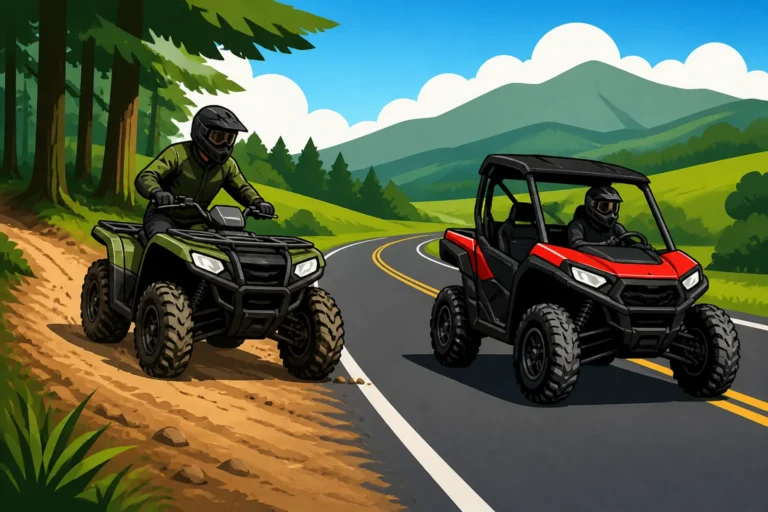
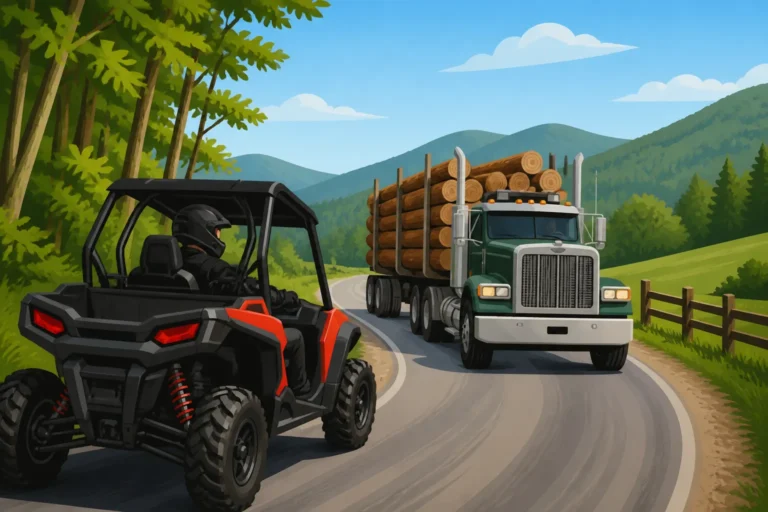
Riding an ATV or UTV in Vermont is a fantastic experience, offering unparalleled access to stunning landscapes and vibrant communities. However, unlike a simple state-wide rule for registration or safety courses, local road access for ATVs and UTVs is largely determined by individual towns and their selectboards. This creates a patchwork of rules that can be incredibly confusing, even for seasoned riders. One town might welcome you with open arms on certain routes, while the next town over might have completely different restrictions, or no access at all. It's this localized control that often leads to ordinance violations, as riders unfamiliar with the specific town's rules can inadvertently break them.
The Patchwork of Town Rules and Why They Exist
Every town in Vermont has the authority to designate certain roads as open to ATVs and UTVs, and with that designation comes the power to set specific operating rules. These rules aren't arbitrary; they often stem from concerns voiced by local residents, such as noise, dust, safety, or property values. So, while you might be used to a 9 p.m. curfew in one town, a neighboring community could have a stricter 8 p.m. cutoff, or even a 10 p.m. one, depending on the local sentiment and specific conditions. Speed limits on designated routes, restrictions on certain types of machines, or even seasonal closures can all fall under the umbrella of local ordinances. It's crucial to understand that these rules are put in place by your neighbors, through their elected officials, to balance the enjoyment of ATV riding with the peace and safety of the community. Getting caught off guard can feel unfair, but ignorance of the local rules is rarely accepted as an excuse.
Common Ordinance Violations That Trip Riders Up
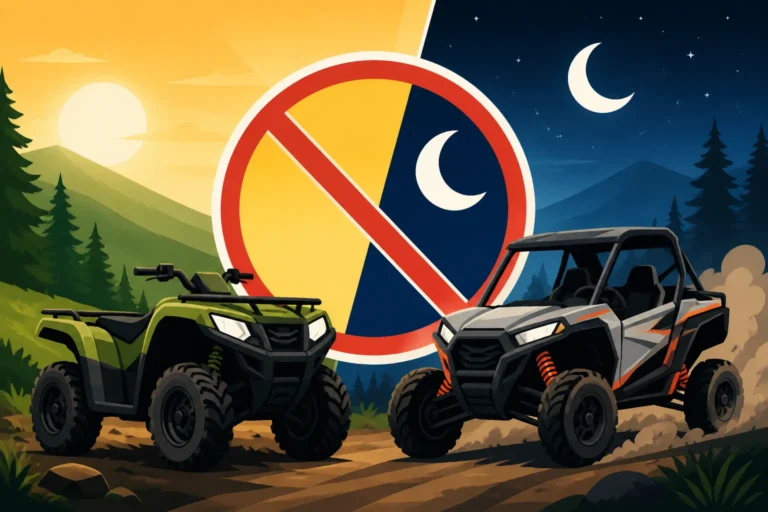
Most local ordinance violations aren't about extreme recklessness; they're often about simple misunderstandings or overlooking a detail. Think about it: you're having a great day, the sun is out, and you're enjoying a ride, only to realize too late you've strayed onto a prohibited street, gone past a curfew, or perhaps didn't realize that specific stretch of road had a lower speed limit for ATVs. Curfew violations are particularly common, as the light fades and riders try to squeeze in one last loop. Similarly, accidental detours onto roads not designated for ATV travel can happen if you're not constantly checking a current map or if signage isn't perfectly clear. Sometimes, it's even about machine modifications. While many of us love to customize our rigs with aftermarket parts from places like SuperATV, it's important to ensure those modifications, especially to exhaust systems, still comply with local noise ordinances. A louder exhaust, while perhaps thrilling on the trail, might quickly draw the wrong kind of attention on a village street, leading to a violation. It truly underlines the importance of being dialed into the specific rules of where you're riding.
[Vermont ATV Road Rules: Towns Decide]
The Escalation of Penalties: From First Warning to a Third Fine
It can feel like a bureaucracy, but there's often a progressive system when it comes to ATV ordinance violations in Vermont towns. The goal isn't always to hit you with the maximum penalty right away, but to educate and encourage compliance. However, repeated offenses demonstrate a pattern that towns take more seriously, and that's when the financial penalties begin to escalate. This tiered system is designed to provide warnings, then increased deterrents, hoping that riders will adjust their behavior after each encounter.
The Initial Encounter: A Warning or First Ticket
When you first get stopped for an ATV ordinance violation, the outcome can vary. Sometimes, especially if it's a minor infraction or if the officer believes it was an honest mistake, you might receive a verbal warning. This is a lucky break and a clear signal to review the rules for that area. Other times, depending on the severity of the violation, the specific town's policies, or the discretion of the enforcing officer (be it a local constable or a state game warden), you might receive your first ticket. This initial fine typically falls into a lower range, sometimes around $25, but it serves as a wake-up call. It's meant to get your attention and reinforce the importance of knowing and adhering to the local rules. Many riders, after this first ticket, will immediately seek out the town's posted maps and specific ordinances to ensure they don't repeat the mistake. It's a learning curve, but one that comes with a financial lesson.
[What Happens After a First ATV Ordinance Ticket]
The Second Violation: Higher Stakes and Increased Fines
If you find yourself receiving a second ticket for an ATV ordinance violation, the stakes are definitely higher. This isn't just a simple repeat of the first; it indicates a pattern of non-compliance, whether intentional or not. Towns generally view a second offense with more seriousness, and the associated fine reflects that. We've seen these fines typically jump significantly from the first offense, often to a figure like $75. This isn't just about collecting revenue; it's a stronger message from the community that the rules need to be taken seriously. At this point, riders often start to feel the pinch and the frustration more acutely. It might lead them to reconsider their riding habits, consult [Reading Your Town's Posted Route Map] more diligently, or even join a local club for better guidance. The jump in cost is designed to make you stop, think, and take definitive action to prevent further violations.
[A Second ATV Ordinance Ticket Costs $75]
The Third Violation: The $100 Reality
And then there's the third violation. This is where the consequences become more substantial, with the fine often climbing to $100. By this point, local authorities are likely seeing a pattern of disregard for the town's ordinances, which can erode goodwill within the community towards ATV riders in general. A $100 fine can certainly put a damper on your riding budget, and it's a clear indicator that simply paying the waiver isn't enough; a serious change in approach is needed. This fine isn't just about the money; it represents the town's increasing frustration with repeated offenses.
It's a difficult position to be in, feeling like you're being singled out, but from the town's perspective, they've issued warnings and smaller fines, and the behavior hasn't changed. This escalation is part of a broader strategy to ensure rider compliance and maintain public safety and peace. It's also important to remember that these fines, whether $25, $75, or $100, are generally "waiver" amounts. This means you can pay the specified amount and resolve the ticket without needing to appear in court. However, if you dispute the violation, you would need to contest it, which involves a different process. For many, simply paying the waiver to move on from the situation is the chosen path, but the financial burden becomes much heavier with a $100 third ticket.
Here's a quick look at how the fines can escalate:
| Violation Level | Typical Fine (Waiver Amount) | Implication |
|---|---|---|
| First Offense | ~$25 | Warning, educational, chance to correct behavior |
| Second Offense | ~$75 | Increased deterrent, stronger message from the town |
| Third Offense | ~$100 | Significant penalty, pattern of non-compliance noted |
| Subsequent | Varies, potentially higher | Could lead to legal action, revocation of privileges |
It’s important to note that these are typical figures based on common practices in Vermont towns. Specific amounts can vary by municipality, so always check the ticket itself or the local ordinance for exact figures.
[Paying a Waiver Instead of a Fine]
Understanding the Impact of Repeated Violations
The financial hit of a $100 fine for a third ATV ordinance violation is certainly noticeable, but the impact of repeated offenses goes far beyond just your wallet. When riders consistently break local rules, it creates ripples that can affect the entire ATV community, potentially jeopardizing access for everyone. It's a critical point where individual actions have collective consequences, impacting the delicate balance between recreational riding and community acceptance.
Beyond the Dollar Sign: Eroding Community Trust and Trail Access
Each time an ordinance is violated, especially repeatedly, it can chip away at the trust and goodwill that town residents and selectboards have extended to ATV riders. Imagine a scenario where a rider consistently ignores a local curfew, roaring past homes late at night. Neighbors, already sensitive to noise, will inevitably complain. These complaints then pile up at town selectboard meetings, leading to discussions about stricter enforcement, or worse, revoking ATV access altogether on certain roads or even entire trail systems. This erosion of trust is a far greater cost than any fine. When towns feel their local rules are being disrespected, they are less likely to open new routes or maintain existing ones, and this directly impacts all of us who cherish the freedom of riding. Organizations like VASA and local ATV clubs work tirelessly to build these relationships, and repeated violations by a few individuals can quickly undermine years of effort.
[Vermont Selectboard Hearings on ATVs]
Long-Term Consequences for the Rider and the Riding Community
For the individual rider, a history of multiple violations can lead to more than just fines. While the exact penalties vary, repeat offenders might face more stringent consequences, such as being barred from certain town-managed routes or even having their privilege to operate an ATV on public lands revoked in extreme cases. Beyond the direct legal repercussions, there's a reputational cost. Local wardens and law enforcement get to know the regulars, and a history of non-compliance won't do you any favors if you're ever stopped for another reason.
For the wider riding community, the consequences can be even more dire. When towns decide to close roads or restrict access due to persistent violations, everyone suffers. What starts as a specific group of riders ignoring [Vermont Town Ordinances That Set Curfews] can end up with entire sections of trails being closed, impacting families, tourists, and local businesses that rely on ATV traffic. It truly highlights the fragile nature of trail access in Vermont and the collective responsibility we all share to be good stewards of the sport. Every time you ride, you're not just representing yourself; you're representing all ATV enthusiasts.
How to Avoid Future Violations and Ride Responsibly
Okay, so you've faced the $100 fine for a third violation, or maybe you've just had your first warning and want to avoid that escalation. The good news is that there are very clear, actionable steps you can take to ensure you ride responsibly and avoid future issues. It's all about being proactive, informed, and respectful of the rules and the communities you ride through.
Be Informed: Know Your Local Ordinances Before You Ride
The single most important step you can take is to know the rules of every town you plan to ride in, before you even put your helmet on. Vermont's localized approach to ATV access means you can't assume what's okay in Island Pond is okay in Newport City, or vice versa.
- Check Town Websites: Many towns with ATV access post their ordinances and designated route maps online. Look for sections related to recreation, town clerk, or selectboard minutes.
- VASA Maps: The Vermont ATV Sportsman's Association (VASA) often has comprehensive maps that integrate town-specific routes and rules. These maps are invaluable resources for planning your rides.
- Local Clubs: Join the local ATV club in the area you frequent. These clubs are usually intimately familiar with local ordinances, trail conditions, and any changes. They often have ride leaders who can guide you on approved routes. [Vermont ATV Clubs Worth Joining] are a goldmine of information and advocacy.
- Ask Questions: If you're unsure, ask! Local town clerks, VASA representatives, or club members are usually happy to clarify rules. It's always better to ask than to assume and risk another violation. Make it a routine part of your ride prep to check for updates, as ordinances can change annually, especially regarding season dates or new route designations.
[Vermont Trails Connected by Town Roads]
Be a Part of the Solution: Join a Club and Advocate for Responsible Riding
Being a part of the solution means more than just following the rules yourself; it means actively contributing to the positive perception and sustainability of ATV riding in Vermont. Joining a VASA-affiliated club is one of the best ways to do this.
- Support Trail Maintenance: Your club membership dues often go directly towards maintaining the trails, which includes everything from clearing debris to fixing culverts and posting clear signage. Well-maintained and clearly marked trails make it easier for all riders to stay on designated routes and avoid trespassing or violating other rules.
- Community Engagement: Clubs often serve as the primary liaison between riders and town selectboards. By being a member, you're supporting the organized effort to advocate for continued and expanded access, and to address concerns from residents constructively. This collective voice is far more powerful than individual complaints.
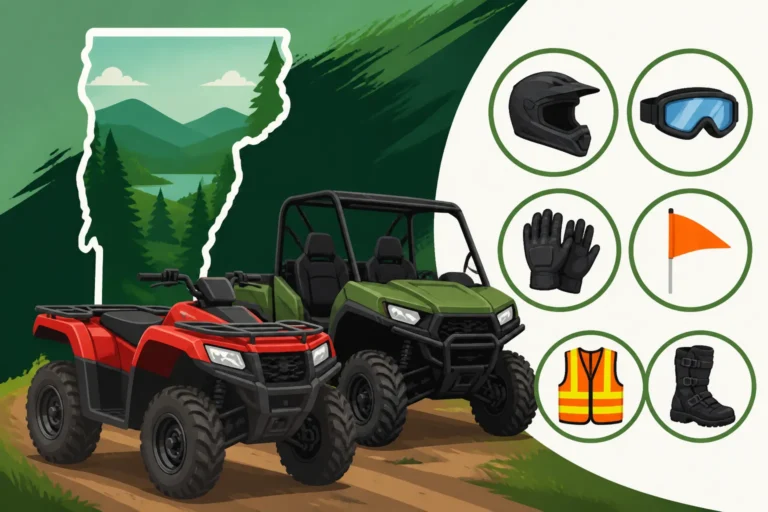
- Mentorship and Education: Many clubs offer safety courses or mentorship opportunities, especially for younger riders or newcomers to the sport. Being involved helps spread knowledge about [Vermont ATV Equipment Requirements], proper trail etiquette, and local regulations. By showing that the ATV community is responsible and self-regulating, we build stronger relationships with towns and landowners.
When it comes to your machine, ensuring it meets local standards for noise and safety is also crucial. While customizing with parts from SuperATV can enhance your ride, always double-check that any exhaust modifications comply with [Vermont Muffler and Noise Rules]. Loud machines are a frequent cause of complaints and can quickly lead to an officer stopping you. Keeping your machine well-maintained and compliant helps reduce those opportunities for a ticket.
Practice Responsible Riding Habits
Finally, beyond knowing the rules and supporting the community, it comes down to your personal riding habits.
- Ride Within Limits: Always ride within posted speed limits, especially on town roads. Respect residential areas by slowing down and keeping noise to a minimum.
- Stay on Designated Routes: Never stray onto private property or closed trails. The VASA trail system relies on landowner permission, and trespassing is the quickest way to lose that privilege for everyone. If a route isn't clearly marked as open, assume it's closed.
- Observe Curfews and Season Dates: These are often strict and enforced. Don't push your luck by riding a few minutes past the designated curfew, or by trying to ride on trails closed for [Vermont Mud Season Closures].
- Be Visible: Ensure your machine has working headlights and taillights, especially if you're riding around dusk or in shaded areas. Some towns might even have requirements for additional reflectors.
- Carry Necessary Documentation: Always have your registration, proof of insurance, and safety certificate (if applicable) with you. These are routinely checked by wardens and law enforcement officers.
By embracing these responsible riding habits, you're not just avoiding future $100 fines; you're helping to secure the future of ATV and UTV riding for everyone in the beautiful state of Vermont.
Disclaimer
This article is for general informational purposes only and does not constitute professional advice. Laws, prices and regulations vary by location and change over time. Consult a qualified professional for guidance on your specific situation.