Vermont ATV Speed Limits on Town Roads
Navigating the beautiful backroads and scenic byways of Vermont on your ATV or UTV is one of life's true pleasures, but it often comes with a knot of confusion: "What's the actual speed limit on these town roads?" It's a question I hear all the time from riders, both locals and visitors, who are eager to explore but terrified of breaking the rules or, worse, causing an accident. This guide is here to untangle that confusion, offering a realistic, in-depth look at Vermont's ATV speed limits on town roads, helping you ride confidently, legally, and safely.
Understanding Vermont's Unique Approach to ATV Roads
Vermont has a distinct way of handling ATV access on its public roads, especially compared to some other states. It’s not a blanket rule that applies everywhere, which can certainly make things feel a bit like a jigsaw puzzle. Instead, the power to permit ATV travel and set specific rules, including speed limits, largely rests with individual town selectboards. This localized control is both a blessing and a curse; it allows communities to tailor regulations to their unique needs and character, but it also means riders need to do their homework for every town they plan to traverse.
How Town Selectboards Designate Roads
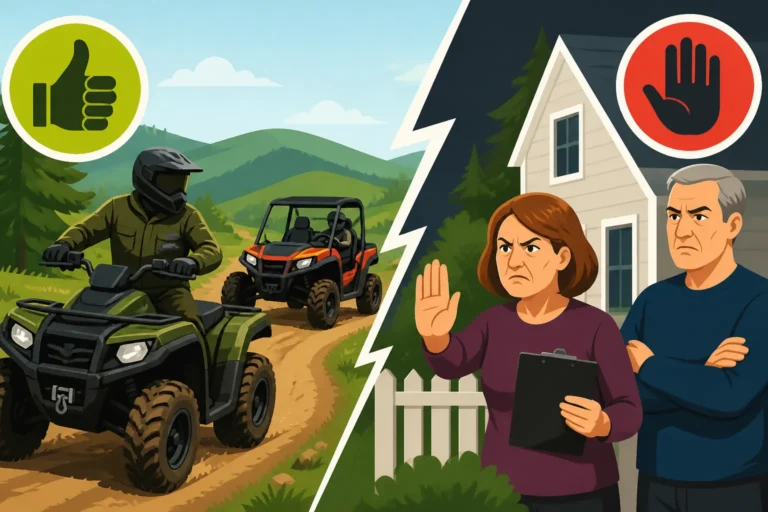
In Vermont, you can't just hop on your ATV and assume every town road is fair game. Each year, town selectboards hold public meetings to decide which specific roads, if any, will be designated for ATV use. They consider a host of factors, from traffic patterns and road surface conditions to residential density and environmental concerns. This process is deliberate, and it’s a direct reflection of local priorities and the balance between recreational access and community well-being. Riders often attend these meetings to advocate for continued or expanded access, or sometimes, residents attend to voice concerns.
Once a road is designated, the selectboard also has the authority to set conditions for its use. This can include specific days or hours of operation, types of machines allowed, and, yes, speed limits. These decisions are then formalized in a local ordinance. It’s not uncommon to find a town that has embraced ATV tourism, actively designating routes and promoting responsible riding, right next to a town that has chosen to close all its roads to ATVs. This patchwork approach is why knowing your route and checking local rules beforehand is so critical. For more on this process, you might find [Vermont Selectboards Open Roads Each Year] to be an informative read.
The Annual Renewal Process and Why It Matters
The town's designation of ATV-friendly roads isn't a "set it and forget it" kind of deal. This process is typically an annual undertaking. Every year, selectboards must revisit their ordinances, review public feedback, and vote to either renew, modify, or revoke previous designations. This annual review is a vital part of Vermont's local governance and serves several purposes. It allows towns to respond to changing conditions, address new concerns, or adapt to the evolving needs of both residents and riders.
For you, the ATV enthusiast, this means that just because a road was open last year doesn't automatically mean it's open this year, or that the rules, including speed limits, haven't changed. It emphasizes the need for riders to stay informed season after season. Before planning a big ride through several towns, it's always a good idea to consult the latest town ordinances or check with local ATV clubs, which are often intimately involved in the designation process. Neglecting this annual check can lead to unwelcome surprises, like riding on a road that's suddenly off-limits or being caught unaware by a newly imposed speed restriction.
Default Speed Limits Versus Posted Limits
One of the biggest areas of confusion for ATV riders in Vermont revolves around speed limits. It's easy to assume that if a road is open to ATVs, the speed limit is the same as for cars. But that's not always the case, and making assumptions can land you in trouble. Vermont law does provide some general guidelines, but local ordinances often supercede these or add more specific conditions, especially when it comes to posted routes.
General Rules for Unposted Town Roads
When you're riding an ATV on a town road in Vermont that's been legally designated for ATV use but doesn't have a specific speed limit sign for ATVs, it's easy to wonder what the default is. Generally, when no specific ATV speed limit is posted, you are expected to follow the same basic speed limits that apply to other motor vehicles on that road. This typically means 25 miles per hour in a rural or urban compact area, and 50 miles per hour on unposted town highways outside of those areas. However, and this is a big however, many towns take a more cautious approach when opening roads to ATVs.
It's common for a town selectboard, when they open a road for ATV use, to impose a lower default speed limit specifically for ATVs, even if no signs are physically present for that specific speed. This might be 10, 15, or 20 miles per hour, especially in residential zones or areas with limited sightlines. The logic is often rooted in safety; ATVs handle differently than cars, can be less visible, and the noise generated at higher speeds might be disruptive to residents. Always check the specific town ordinance for the roads you plan to ride. If you're on a VASA trail that uses a segment of a town road, the VASA rules or club information may also specify a speed.
Reading Posted Signs and What They Mean
When you're riding through a town, pay very close attention to any posted signs. For ATV riders, these signs are your explicit instructions from the town regarding speed limits and other rules. A sign that simply says "Speed Limit 35" might apply to all vehicles, but you might also encounter signs that specifically mention ATVs, or combine them with other off-road vehicles. Sometimes, a town might post a lower speed limit for ATVs than for cars on the same stretch of road, especially in more sensitive areas.
For example, a town might have a posted 35 MPH limit for cars, but if you look closely, there might be a separate, smaller sign or an addendum stating "ATV Speed Limit 15 MPH." Ignoring these specific ATV-related postings is a surefire way to invite a conversation with local law enforcement. It's not about being tricky; it's about towns managing the specific impacts of ATV traffic. Always assume that if there's a sign, it's there for a reason, and it's your responsibility as a rider to understand and adhere to it. For more general guidelines, see [Vermont ATV Road Rules: Towns Decide].
Factors Influencing Speed Limit Decisions
The process of setting ATV speed limits on town roads in Vermont isn't arbitrary. There are numerous factors that town selectboards consider, reflecting a balancing act between providing recreational opportunities and ensuring public safety and community peace. Understanding these influences can help you anticipate where slower speeds might be enforced and why.
Safety Concerns in Residential Areas
One of the most significant factors influencing ATV speed limits is safety, particularly in residential areas. Imagine riding your ATV down a quiet dirt road lined with homes where children play and pets roam. The potential for an accident, even at moderate speeds, is a major concern for residents and town officials alike. ATVs, by their nature, are loud, and while some aftermarket parts from companies like SuperATV can help with customization, the overall noise profile is often a consideration for towns.
Therefore, when a town designates roads for ATV use through residential zones, you'll almost always see much lower speed limits enforced. This isn't just about preventing collisions; it's also about reducing dust, noise, and the general impact on quality of life for homeowners. These limits often reflect a town's effort to integrate ATV use without unduly disrupting the peace and safety of its neighborhoods. As a responsible rider, respecting these lower limits isn't just about avoiding a ticket; it's about being a good neighbor and helping ensure continued access for all riders.
Road Conditions and Terrain Considerations
Vermont is known for its rugged and diverse landscape, and this translates directly to its town roads. Many roads suitable for ATV use are unpaved, winding, and can change dramatically with the seasons. Mud, gravel, frost heaves, steep grades, and sharp turns are common. These conditions make higher speeds inherently dangerous, even for experienced riders. Town selectboards are keenly aware of these variables when setting speed limits. A tight, twisty dirt road with limited sightlines will almost certainly have a lower ATV speed limit than a straighter, wider, and well-maintained gravel path.
Moreover, the impact of ATVs on road surfaces is also a factor. Higher speeds can contribute to rutting, washboarding, and throwing up more dust and gravel, which not only degrades the road but can also be a hazard to other users, like cyclists or pedestrians. Town officials want to minimize road damage and maintenance costs. By setting appropriate speed limits, often lower than what a passenger car might travel, they aim to ensure both rider safety and the longevity of their infrastructure.
Community Input and Local Ordinances
Local government in Vermont is very much driven by community input, and this holds true for ATV access and speed limits. Residents, landowners, ATV clubs, and even local businesses all have a voice in how town roads are managed for ATV use. If a selectboard receives numerous complaints about speeding ATVs, excessive noise, or safety concerns in specific areas, you can bet they will consider tightening speed restrictions or even closing roads to ATVs entirely.
Conversely, strong advocacy from local ATV clubs, demonstrating responsible riding and community engagement, can help maintain or even expand access. The ordinances that outline ATV access and speed limits are a direct result of these ongoing conversations and negotiations. It's a living document, shaped by the people who live and ride there. Being an informed and respectful rider, engaging with local clubs, and participating in public discussions are all ways you can contribute positively to the future of ATV riding in Vermont.
Specific Town Ordinances and Speed Limit Variations
Given Vermont's local control over ATV road access, it's no surprise that speed limits can vary wildly from one town to the next. What's perfectly legal in one village might earn you a stern warning or a ticket just a few miles down the road in another. This variability underscores the absolute necessity of researching the specific rules of each town you plan to visit.
Examples of Towns with Specific Speed Caps
Some Vermont towns have very specific and often lower speed caps for ATVs on their designated routes. For instance, towns like Brighton, a popular hub for ATV riders in the Northeast Kingdom, have detailed ordinances that set clear speed limits for ATVs. [Brighton's ATV Ordinance Explained in Vermont] is a great resource that highlights how a town can set a specific 25 mph cap on certain roads, particularly those within the village proper, or impose night curfews. This is a common strategy to mitigate noise and safety concerns in more populated areas while still allowing access.
Another example is Newport City, which also has specific routes designated for ATVs, but often with its own set of rules, including potentially different speed limits or curfews. These towns, recognizing the economic benefit of ATV tourism, put in the effort to create structured access, but always with local conditions in mind. It's crucial not to assume that Brighton's rules apply in Newport, or vice-versa. Each town ordinance is a standalone document, reflecting its unique challenges and priorities. These examples serve as a strong reminder that a "one-size-fits-all" approach to ATV riding in Vermont simply doesn't exist.
How to Find Your Local Town's Rules
So, how do you actually find these elusive town-specific rules and speed limits? It might sound daunting, but there are several reliable ways to get the information you need. The most direct method is to visit the town clerk's office, either in person or by checking the town's official website. Many towns now post their ordinances online, often under sections like "Town Ordinances," "Selectboard Minutes," or "Recreation." Look specifically for anything related to "All-Terrain Vehicles," "Off-Road Vehicles," or "Motorized Recreational Vehicles."
Another invaluable resource is the Vermont Association of Snow Travelers (VASA) and its member clubs. VASA works closely with towns to establish and maintain the statewide trail system, which often incorporates town roads. Their website, trail maps, and local club resources are frequently updated with information on designated routes, rules, and known speed limits. Often, joining a local club not only supports the trail system but also gives you access to the most current local knowledge and direct updates on rule changes. Don't be shy about calling the town clerk or a local club – they are usually happy to help riders stay informed and safe.
The Role of Enforcement and Penalties for Speeding
Nobody wants to deal with a ticket, especially when you're out enjoying the scenery. Understanding who enforces ATV rules and what the consequences are for speeding in Vermont is essential for every rider. It's not just about the financial penalty; it's about preserving access for everyone.
Who Enforces ATV Speed Limits in Vermont
When you're out riding on Vermont's designated town roads, you might encounter several different authorities who are tasked with enforcing the rules, including speed limits. The most common are local town constables or police officers. Since the town selectboard sets the specific ordinances for its roads, it's their local law enforcement that often has the primary responsibility for ensuring compliance. These officers are familiar with the local rules and the specific stretches of road where issues might arise.
In addition to local police, Vermont State Police can also enforce ATV laws, especially on state-aid highways that might pass through towns or if they are patrolling an area where ATV activity is prevalent. Furthermore, Vermont Fish & Wildlife wardens, while primarily focused on wildlife and environmental regulations, also have the authority to enforce ATV laws on any public land or designated routes. They might be checking for proper registration, safety equipment, or adherence to operating rules, which can include speed limits. Essentially, assume that wherever you are legally riding, there's an authority figure who can stop you and ask about your compliance. They want you to have fun, but they also want you to be safe and legal. It’s always smart to have your [Vermont Registration Paperwork Checklist] completed before you head out.
What Happens If You Get a Speeding Ticket
Receiving a speeding ticket on your ATV in Vermont isn't just a minor inconvenience; it carries real consequences. Much like speeding in a car, an ATV speeding ticket can result in a fine, which can vary depending on how fast you were going and the specific local ordinance. These fines are often designed to be a deterrent, making it clear that towns take their speed limits seriously. Beyond the immediate financial hit, a speeding ticket might also carry points on your driver's license, if you hold one, depending on the severity and specific violation.
Repeated offenses can lead to escalating fines, and in some cases, even the suspension of your ATV registration or riding privileges within that town or even statewide. Beyond the legal ramifications, getting a ticket can damage the reputation of ATV riders in a community. It can lead to increased scrutiny, stricter regulations, or even the closure of designated routes in the future. Responsible riding, including adhering to posted speed limits, is not just about personal accountability but about protecting access for the entire ATV community. For details on potential penalties, reviewing [Vermont ATV Fines for Road Violations] could be helpful.
Safe Riding Practices Beyond the Posted Limit
While adhering to posted speed limits is absolutely mandatory, true safety on Vermont's town roads involves much more than just watching your speedometer. It's about developing an awareness of your surroundings, understanding your machine, and riding responsibly in all conditions.
Adjusting Speed for Conditions (Weather, Visibility, Traffic)
The posted speed limit is a maximum, not a target. This crucial distinction is often overlooked by riders who feel they have a right to drive at the limit regardless of circumstances. However, safe riding dictates that you should always adjust your speed downward when conditions are anything less than ideal. Vermont weather is famously unpredictable. A sudden rain shower can turn a dusty dirt road into a slick, muddy track, dramatically increasing your stopping distance and reducing traction. Heavy fog, low-light conditions at dusk or dawn, or bright sun glare can severely limit visibility, making it harder to see obstacles, other vehicles, or pedestrians around a blind corner.
Furthermore, traffic levels can dictate a need for lower speeds. A quiet Sunday morning ride might allow you to comfortably cruise at the posted limit, but a busy Saturday afternoon with cars, bicycles, and even horse-drawn buggies on the road demands a much more cautious approach. Even if the limit is 25 mph, slowing down to 10 or 15 mph in heavy traffic or poor visibility is simply good judgment. Remember, an ATV's handling characteristics are different from a car's, and you need more reaction time to avoid hazards. Good riding equipment from places like SuperATV can help improve visibility, but rider judgment is always paramount.
Sharing the Road Responsibly with Other Vehicles
Riding an ATV on a town road means you are sharing that space with a diverse array of other users: cars, trucks, bicycles, pedestrians, farmers on tractors, and sometimes even horses and buggies. It's critical to remember that you, on your ATV, are often the least visible and potentially the loudest among these. Therefore, the onus is largely on the ATV rider to practice defensive driving and share the road responsibly. This means maintaining a safe following distance from other vehicles, signaling your turns clearly, and being prepared to yield the right-of-way.
When encountering pedestrians or cyclists, slow down significantly and give them a wide berth. Many town roads are narrow, and an ATV's presence can be intimidating or startling to others. A simple wave or nod of acknowledgment can go a long way in fostering good relations. If you're riding in a group, ride single file where appropriate, and avoid kicking up excessive dust. Your goal should always be to minimize your impact on other road users and reinforce the image of responsible, courteous ATV riders. This communal respect is vital for the long-term viability of [Can You Ride an ATV on the Road in Vermont?].
The Broader Context: Other Equipment and Operating Rules
Adhering to speed limits is just one piece of the puzzle when it comes to legal and safe ATV operation on Vermont's town roads. There's a whole host of other equipment and operating rules you need to be aware of to ensure you're fully compliant and your ride is enjoyable for everyone.
Headlights, Tail Lights, and Noise Regulations
Just like any other vehicle on the road, your ATV needs to be properly equipped to be street legal on designated town roads in Vermont. This absolutely includes functional headlights and tail lights. If you're riding during daylight hours, these might not seem as critical, but they are essential for visibility, especially if conditions change or you find yourself out later than planned. After dark, [Vermont Headlight and Tail Light Rules] are strictly enforced for obvious safety reasons. You need to be seen, and you need to see where you're going. Make sure your lights are clean, working correctly, and properly aimed. Some riders even upgrade their lighting with aftermarket kits from SuperATV for enhanced visibility in all conditions.
Equally important are noise regulations. Vermont towns, particularly in residential areas, are very sensitive to noise complaints. Your ATV must be equipped with a muffler system that is in good working order and meets legal sound limits. Modifying your exhaust system to make it louder is a definite no-no and can result in fines and bad blood with the local community. Excessive noise can quickly lead to public outcry and push towns to restrict or even close ATV access. Being a quiet, respectful rider goes a long way in ensuring continued access for all. For further reading, check out [Vermont Muffler and Noise Rules].
The Importance of Proper Registration and Insurance
Before you even think about hitting a designated town road in Vermont, you need to ensure your ATV is properly registered and insured. Unregistered ATVs are not permitted on public roads, period. Your machine needs a valid Vermont registration plate clearly displayed on the rear of the vehicle. This process involves proving ownership, paying the appropriate fees, and getting your machine into the state's system. Ignoring this step is a quick way to get pulled over and face significant penalties. For details, you can refer to [How to Register an ATV in Vermont].
Beyond registration, Vermont law mandates that all ATVs operated on designated public roads must carry liability insurance. This isn't optional; it's a legal requirement designed to protect you and others in the event of an accident. The minimum coverage limits are specified by law, typically $25,000 for bodily injury to one person, $50,000 for bodily injury to two or more persons, and $10,000 for property damage. Always carry proof of insurance with you when you ride, as it's something a warden or police officer can ask to see. [Vermont ATV Insurance Requirements] provides more comprehensive information on this vital topic. Riding without proper registration and insurance is not only illegal but financially irresponsible and can lead to severe consequences if an accident occurs.
Preparing for Your Ride: Resources and Best Practices
A successful and enjoyable ATV ride in Vermont isn't just about hitting the trails; it's about preparation. Knowing where you're going, what the rules are, and having your machine ready can make all the difference between a fantastic day and a frustrating one.
Utilizing VASA Maps and Club Information
For any ATV rider in Vermont, the Vermont ATV Sportsman's Association (VASA) and its network of local clubs are your absolute best friends. VASA maintains a comprehensive, statewide trail system that frequently incorporates designated town roads to connect trail segments. Their maps, which are often available online or through local clubs, are an indispensable resource. These maps clearly mark open trails, designated road sections, and often include important local notes about speed limits, curfews, or specific town ordinances.
Local ATV clubs, which are members of VASA, are the boots on the ground. They are the ones who work directly with landowners and town selectboards, maintain the trails, and are intimately familiar with the most current rules and conditions. Many clubs have their own websites or social media pages where they post updates, trail closures, and specific town requirements. Joining a local club not only supports the vital work they do but also provides you with immediate access to the most accurate and up-to-date information, including nuances about speed limits that might not be obvious on a general map. Always consult these resources before you head out, and remember that [Vermont Trail Maps Still Coming] are always being updated, so check for the latest versions.
Pre-Ride Checks and Equipment for Safety
Before you even turn the key, a thorough pre-ride inspection of your ATV is non-negotiable, especially when you plan to ride on town roads where you'll encounter other traffic. This isn't just about personal safety; it's about public safety and legal compliance. Check your tires for proper inflation and any damage. Inspect your brakes – both front and rear – to ensure they are working effectively. Verify that all your lights (headlights, tail lights, brake lights, and turn signals if equipped) are functional. Confirm your horn works, as it's a crucial warning device on shared roads.
Beyond the machine, ensure you have all your required safety gear. A properly fitted, DOT-approved helmet is legally required for every rider and passenger in Vermont, regardless of age. [Vermont ATV Helmet Law for Every Rider] outlines these requirements. Wear appropriate eye protection, long pants, a long-sleeved shirt, and sturdy over-the-ankle boots. Pack a small first-aid kit, a tool kit for minor repairs, and plenty of water. Carrying a charged cell phone is a good idea, though remember that cell service can be spotty in some remote areas of Vermont. Being prepared not only keeps you safe but also shows respect for the rules and the communities you're riding through.
Table: Comparative ATV Speed Limits (Hypothetical Examples)
To illustrate how varied ATV speed limits can be on Vermont town roads, here's a hypothetical table comparing different scenarios. Remember, actual limits are set by individual town ordinances and can change. Always check the specific town's rules!
| Town (Hypothetical) | Road Type / Area | Posted Limit (General) | ATV Specific Limit | Key Reason for ATV Limit |
|---|---|---|---|---|
| Maplewood | Main Street (Village) | 25 mph | 15 mph | High pedestrian traffic, residential density, noise control |
| Evergreen | Forest Road (Rural) | 35 mph | 25 mph | Winding, unpaved, limited sightlines, wildlife crossings |
| Riverbend | Connector Route (Gravel) | 40 mph | 30 mph | Connects VASA trails, shared with farm vehicles, dust control |
| Hilltop | Residential Lane (Dead End) | 15 mph | 10 mph | Very low speed for all traffic, child safety, narrow road |
| Lakeview | Access Road (To Lake) | 20 mph | 15 mph | Shared with recreational users (boats, campers), loose gravel |
This table visually demonstrates why you can't assume a speed limit. Each town, and sometimes each specific road within a town, will have its own considerations that dictate the appropriate speed for ATVs.
Disclaimer
This article is for general informational purposes only and does not constitute professional advice. Laws, prices and regulations vary by location and change over time. Consult a qualified professional for guidance on your specific situation.