Brighton’s Season Dates in Vermont
Oh, the sheer joy of planning an ATV adventure in Vermont! There’s nothing quite like the crisp air, the winding trails, and the camaraderie of fellow riders. But let's be honest, trying to figure out where and when you can actually ride can feel like solving a riddle wrapped in an enigma, especially when it comes to specific town ordinances. Many of us get genuinely excited about visiting popular riding areas like Brighton, only to get lost in a maze of local rules that seem to change with the wind. This guide is here to cut through that confusion, focusing specifically on Brighton, Vermont, and its ATV season dates, so you can plan your next ride with confidence, not frustration.
Understanding Brighton's Unique Position for ATV Riders
Brighton, Vermont, nestled in the heart of the Northeast Kingdom, is a name that often pops up in conversations among ATV enthusiasts. It’s a place many of us aspire to ride, known for its rugged beauty and access to an extensive trail network. However, with that popularity comes a layer of local regulations that are crucial to understand before you even load up your machine.
Why Brighton is a Popular Destination
Brighton, with its central village of Island Pond, embodies much of what draws riders to the Northeast Kingdom. The area offers a breathtaking landscape of dense forests, sparkling lakes, and rolling hills, providing a perfect backdrop for an exhilarating ride. It's not just the scenery; Brighton serves as a key hub within the larger Vermont Association of Snow Travelers (VASA) trail system. This means that from Brighton, you can often connect to many miles of designated trails, linking to other towns and offering multi-day riding opportunities. Riders love the sense of adventure and exploration, and the local businesses often welcome ATV tourism, understanding the economic boost it brings to the community. It’s a place where you can truly immerse yourself in the Vermont outdoor experience, making it a highly desirable spot for many, ourselves included.
The local communities in Brighton have worked hard alongside clubs like the Tri-County ATV Club to establish and maintain these trails, recognizing the value of responsible recreation. This collaboration has fostered an environment where ATV riding can thrive, provided riders respect the established rules. When you’re out on the trails around Brighton, you’re not just riding; you're experiencing the fruits of local efforts to balance recreation with preservation, which is why understanding and adhering to their specific rules is so vital for continued access.
The Local Control of ATV Ordinances
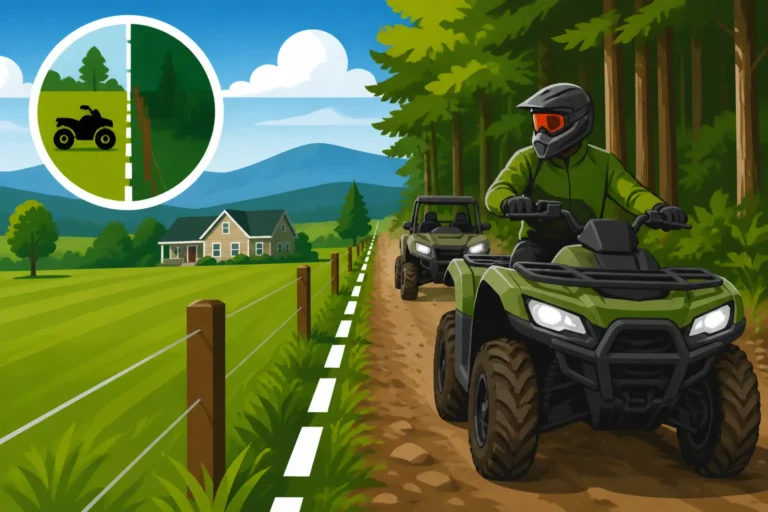
Here’s where it gets a little tricky, and often, a lot frustrating for us riders. Unlike a single, sweeping statewide policy that dictates where and when ATVs can operate on town roads, Vermont empowers each individual town to set its own specific ordinances. This means that while one town might have its roads open year-round, a neighboring town might have strict seasonal closures, curfews, or even unique equipment requirements. Imagine driving your rig a few hours, excited to hit a specific trail, only to find out the town's rules are completely different from what you expected because you crossed an invisible municipal line! It's enough to make you want to throw your helmet in despair.
This localized control, while intended to allow towns to manage ATV traffic in a way that best suits their residents and infrastructure, often creates a patchwork of rules that can be incredibly confusing for visiting riders. It means that simply knowing general Vermont ATV laws isn't enough; you must dive into the specific regulations of each town you plan to ride through or within. For Brighton, this means there's a specific set of dates and rules that apply, and they might differ from those in, say, Newport or Derby. This local control is why we need guides like this one to navigate the nuances and avoid any unwelcome surprises or, worse, tickets. It highlights the importance of checking [Vermont ATV Road Rules: Towns Decide] for every community you intend to explore.
Decoding Brighton's ATV Season Dates
When it comes to Brighton, Vermont, and its ATV regulations, the question of "when can I ride?" is paramount. Unlike some areas with more flexible year-round access, Brighton operates under a defined seasonal calendar for ATV use on its designated town roads. This isn't just an arbitrary decision; it's a carefully considered schedule designed to balance rider enjoyment with environmental protection and local community concerns.
The Standard Season: May 1st to October 1st
For many years, the standard window for ATV access on designated town roads in Brighton has been May 1st through October 1st. This is generally the period when conditions are most favorable for riding, and the town deems it appropriate to open up its routes for off-highway vehicles. Think of May 1st as the unofficial "opening day" for the riding season, bringing a collective sigh of relief and excitement for many riders eager to hit the trails after the long winter. This timeframe is crucial for planning your trips, as riding outside these dates on designated town roads can lead to penalties.
The rationale behind these specific dates is multi-faceted. The May 1st start date is intended to allow for the spring thaw to subside, minimizing the impact of heavy machinery on fragile, thawing ground, which is often saturated and easily damaged. Riding on muddy, soft trails not only creates deep ruts that are difficult and expensive to repair but also earns the disdain of landowners and local residents. Similarly, the October 1st end date helps to protect the trails and roads as cooler, wetter weather approaches, which can quickly turn trails into quagmires. It also often coincides with the start of hunting seasons in some areas and aims to reduce potential conflicts between different user groups, ensuring a more harmonious coexistence on shared lands.
How Mud Season Impacts Opening Dates
While the town ordinance might officially state May 1st as the opening date, anyone who lives in or regularly visits Vermont knows that Mother Nature often has her own calendar. "Mud Season" is a very real, and often extended, phenomenon in Vermont, particularly in the Northeast Kingdom. This is the period, typically from early spring well into May, when melting snow and spring rains turn unpaved roads and trails into soupy, impassable messes. Even if the calendar says May 1st, the ground simply might not be ready.
Local ATV clubs, such as the Tri-County ATV Club that operates in the Brighton area, work tirelessly to maintain the trails. They are the eyes and ears on the ground, and they often make the real-time decisions about when trails are actually safe and sustainable to open, even if the ordinance theoretically permits earlier access. Riding on trails that are explicitly closed due to mud or wet conditions is not only damaging to the trail system but also disrespectful to the volunteers who work so hard to keep them open. It can quickly lead to landowners withdrawing their permission for trail access, threatening the entire network. Always check for [Vermont Mud Season Closures] before you head out, as a "closed" sign on the trail trumps any official date. These clubs use their websites, social media, and local postings to communicate current trail conditions, and paying attention to these updates is paramount for a responsible rider.
The Importance of Checking Before You Ride
Given the variables of weather, trail conditions, and potential for temporary closures, simply knowing Brighton's official May 1st to October 1st season isn't enough. It is absolutely vital that you verify the current status of the trails and any specific town road designations before you load your machine and drive all the way to Brighton. Imagine the disappointment of trailering your ATV for hours, only to arrive and find a "Trails Closed" sign due to unforeseen circumstances or lingering mud. It happens, and it's preventable with a little proactive checking.
The best sources for the most up-to-date information are the local ATV clubs, such as the Tri-County ATV Club, and the VASA website. These organizations are directly involved in trail maintenance and coordination with landowners and towns. They often post real-time updates on trail conditions, temporary closures, and any changes to local ordinances. You can also reach out to the Brighton town clerk’s office for clarification on specific road designations or rules. Always err on the side of caution. A quick phone call or a check of a club's social media page can save you a world of frustration and ensure your ride is not only legal but also enjoyable and respectful of the local environment and community. Don't rely on last year's memories or hearsay from a friend; always get the latest information.
Beyond Season Dates: Other Key Brighton ATV Ordinances
While knowing Brighton’s season dates is crucial, a successful and compliant ride in this charming Vermont town requires understanding several other local ordinances. These aren't just minor details; they are key components of Brighton's effort to integrate ATV use responsibly within its community, and ignoring them can lead to significant consequences.
Daily Curfew Hours
Just like many other towns across Vermont that open their roads to ATVs, Brighton typically enforces daily curfew hours. This means that even within the May 1st to October 1st riding season, you can't just ride at any hour of the day or night. While specific times can vary, a common curfew in towns like Brighton might restrict ATV use on town roads and trails to, say, between 8 a.m. and 9 p.m. [Brighton's Night Curfew in Vermont] is a critical piece of information to be aware of. The rationale here is pretty straightforward: noise. ATVs, by their very nature, can be noisy, and local residents deserve their peace and quiet, especially during early morning and late evening hours.
Respecting these curfews is not just about avoiding a ticket; it's about being a good neighbor and preserving the privilege of riding in town. If too many riders disregard the noise ordinances, it creates friction with residents, which can quickly lead to selectboards voting to close roads or restrict access even further. Imagine living next to a trail and hearing machines roaring by at 6 a.m. or 11 p.m. – it wouldn't be long before you'd want something done about it! So, when you're planning your day's adventure, always factor in these curfew times. Plan to be off the designated roads and trails and back at your lodging or staging area well before the curfew hits, ensuring a positive experience for everyone.
Speed Limits on Designated Roads
Another critical regulation you'll encounter in Brighton is specific speed limits for ATVs on designated town roads. This isn't your typical highway speed limit; it's often significantly lower to account for safety, road conditions, and the shared nature of these routes. For instance, [Brighton's 25 mph Cap in Vermont] is a commonly adopted speed limit in village areas or on roads shared with residential traffic. This lower speed is in place for several very good reasons. First and foremost, safety. ATVs handle differently than cars, and slower speeds reduce the risk of accidents, especially in areas where children, pets, or other vehicles might be present. Many of these town roads are unpaved, winding, or have blind spots, making higher speeds inherently dangerous.
Secondly, speed directly correlates with dust and noise. Traveling at slower speeds minimizes the amount of dust you kick up, which is a major complaint from residents living along these routes, especially during dry spells. It also helps to keep noise levels down, further contributing to community harmony. Adhering to these speed limits demonstrates responsible riding and helps maintain a positive relationship between riders and the towns that graciously open their roads. It’s a small adjustment that makes a big difference in ensuring ATV access continues in the long run.
Front Plate Requirements and Visibility
Here’s a detail that often catches visiting riders by surprise: Brighton is one of those Vermont towns that specifically asks for a front plate on your ATV, in addition to the standard rear plate that Vermont law requires for registration. [Brighton's ATV Ordinance Explained in Vermont] is clear on this point, and it’s a regulation that, frankly, can be a bit of a headache for some. Most states, and even Vermont's general registration rules, focus primarily on the rear plate. So, when you roll into Brighton and suddenly need a front one, it can feel like an extra hoop to jump through. This requirement exists primarily for enforcement and identification purposes, especially in areas where a rear plate might be obscured by mud, dust, or riding angle. [Vermont Towns That Ask for a Front Plate] are few, but Brighton is one of them, so it's essential to be prepared.
Ensuring your front plate is properly mounted and clearly visible is key. This means it shouldn't be tucked away, covered by mud, or attached in a way that makes it difficult for law enforcement to read. Some riders find creative solutions, like using a sturdy bracket that keeps the plate clean and prominent. Accessories from brands like SuperATV can sometimes offer practical solutions for mounting additional lights or plates, ensuring they are secure and visible even over rough terrain. It’s one of those specific local nuances that, while perhaps a minor inconvenience, is absolutely necessary to comply with if you want to enjoy Brighton's trails without worry. Getting pulled over for a missing or obscured front plate is a sure way to put a damper on your ride!
Navigating Local Rules and Ensuring a Smooth Ride
Riding ATVs in Vermont, especially in towns like Brighton, is a privilege that comes with the responsibility of understanding and respecting local regulations. It's not always easy, but a smooth, enjoyable, and lawful ride hinges on how well you navigate these rules.
The Role of the Tri-County ATV Club and VASA
When you're riding in the Brighton area, you're benefiting directly from the hard work and dedication of local organizations like the Tri-County ATV Club, which is affiliated with the statewide VASA (Vermont Association of Snow Travelers) network. These clubs are the backbone of Vermont's trail system. They work tirelessly to secure landowner permissions, maintain trails, put up signage, and act as liaisons between riders, towns, and state agencies. They're often the first to know about trail closures, reroutes, or changes in local ordinances. [Vermont ATV Clubs Worth Joining] cannot be overstated in their importance. When you see a well-maintained trail, a clearly marked route, or a temporary closure sign due to mud, you're witnessing their efforts.
Supporting these clubs, often through membership and by purchasing your [Vermont TAD: The Trail Access Decal Explained], is paramount. Your TAD fees directly contribute to the trail maintenance and operational costs that keep these corridors open. Without the clubs and VASA, the trail system as we know it simply wouldn't exist. They provide vital updates on trail conditions, host events, and advocate for riders' rights. Think of them as your primary resource for real-time information and the guardians of your riding opportunities. Joining is not just about a decal; it's about investing in the future of ATV riding in Vermont.
Where to Find Official Information
Given the dynamic nature of trail conditions and the possibility of ordinance updates, knowing where to find truly official and current information is critical. Relying on outdated forum posts, casual conversations at a gas station, or even a website you found a few years ago can lead you astray and potentially into trouble. The best sources are always the most direct ones.
First, check the official website for the Town of Brighton. Town clerks are typically responsible for posting and updating local ordinances, including those pertaining to ATVs. This is the ultimate source for the legal language of the rules. Second, and perhaps even more useful for day-to-day trail conditions, are the websites and social media pages of the local ATV club, such as the Tri-County ATV Club, and the VASA organization. These groups often have the most up-to-the-minute details on trail closures due to mud, fallen trees, or other issues. Don't be shy about calling the town clerk's office if you have a specific question that isn't clearly answered online. A few minutes on the phone can prevent hours of frustration or a costly fine. Always prioritize current, official sources to ensure your information is accurate.
Consequences of Violating Local Ordinances
It's easy to dismiss local rules as minor annoyances, but violating Brighton's ATV ordinances can have serious consequences that go beyond a simple slap on the wrist. First and foremost, you could face fines. [Brighton's Fine Schedule in Vermont] details the financial penalties for various infractions, and these can range from moderate to substantial, especially for repeat offenses. Getting a ticket for riding outside of permitted hours, exceeding the speed limit, or not having the required front plate will quickly spoil your day and empty your wallet.
Beyond the immediate financial hit, there are broader implications. Frequent violations by riders can lead to increased enforcement, stricter ordinances, or even the closure of designated ATV routes in town. When residents experience excessive noise, dust, or perceived disregard for rules, they are likely to petition their selectboard to restrict or eliminate ATV access. This means that a few irresponsible riders can jeopardize the riding privileges for everyone. We all have a collective responsibility to adhere to these rules. By riding responsibly and adhering to every ordinance, you're not just protecting yourself from penalties; you're safeguarding the future of ATV access in Brighton and across Vermont. Your actions reflect on the entire riding community, so make them count positively.
Essential Gear and Preparations for Brighton Riding
A successful and enjoyable ATV trip to Brighton isn't just about knowing the rules; it's also about being properly prepared with the right gear and a well-maintained machine. Vermont weather and trail conditions can be unpredictable, and being ready for anything is key to a safe adventure.
Machine Readiness and Maintenance
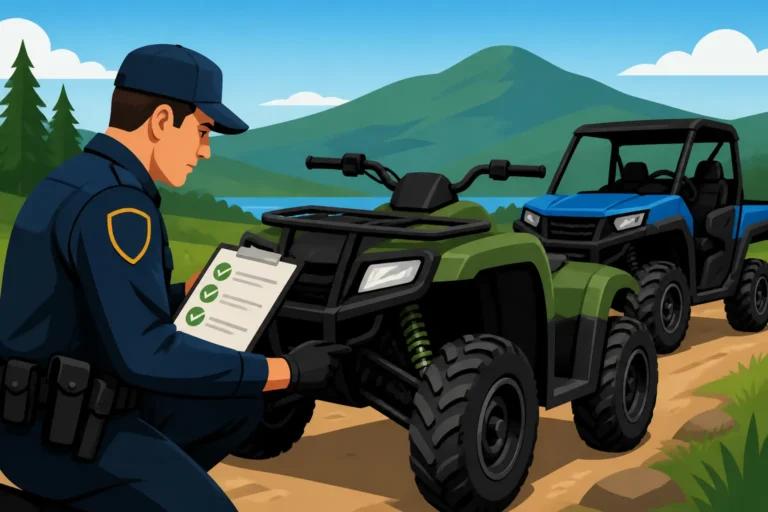
Before you even load your ATV onto the trailer, a thorough check of your machine is non-negotiable. Start with your tires: Vermont trails can be rocky or muddy, so ensure your low-pressure tires are in good condition and at the appropriate pressure for the terrain. Good brakes are paramount, especially on downhill sections or unexpected stops. Check your headlights and taillights, as visibility is crucial, especially during those early evening rides before the curfew. Your muffler system should be intact and meet noise regulations; aftermarket exhausts that are excessively loud are a sure way to attract unwanted attention from law enforcement and upset local residents.
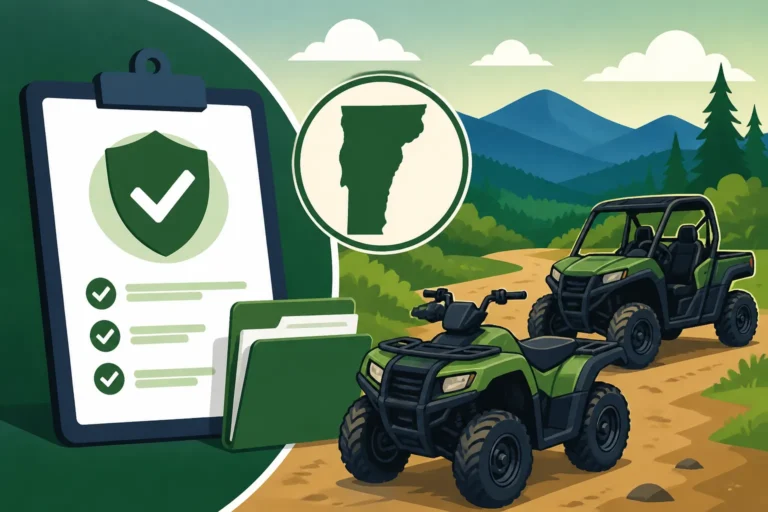
Beyond the basics, make sure your machine is properly registered with a current [Vermont Plate Mounted on the Rear], and if riding in Brighton, remember that front plate requirement we discussed. You'll also need a valid [Vermont TAD: The Trail Access Decal Explained] clearly displayed. Consider any aftermarket accessories from trusted brands like SuperATV that might enhance your ride or help with compliance, such as durable skid plates for underbody protection or robust winches for self-recovery. Ensuring your machine is mechanically sound and legally compliant before you leave home will prevent breakdowns and legal headaches, allowing you to focus on the enjoyment of the ride.
Rider Safety Gear
Vermont's safety regulations are clear, and for good reason: they're designed to protect you. The most critical piece of gear is a helmet. Vermont law mandates that all ATV riders, regardless of age, wear an approved helmet whenever operating an ATV. [Vermont ATV Helmet Law for Every Rider] is strictly enforced. Make sure your helmet fits properly, is in good condition, and meets DOT (Department of Transportation) or other recognized safety standards.
But don't stop there. Beyond the helmet, consider other essential protective gear. Eye protection – whether goggles or a visor – is crucial to shield your eyes from dust, branches, and debris. Sturdy, over-the-ankle boots protect your feet and ankles. Long pants and a long-sleeved shirt, even in warmer weather, offer protection from scrapes, branches, and sun exposure. Gloves are great for grip and hand protection. While some of this might feel like overkill, a minor spill can turn into a serious injury if you're not properly geared up. Think of it as an investment in your own safety and ability to keep riding.
Navigation and Emergency Preparedness
Venturing into the beautiful, yet sometimes remote, trails around Brighton means you need to be prepared for navigation and potential emergencies. While many of us rely on phone apps, cell service in the Northeast Kingdom can be notoriously spotty or non-existent in certain areas. Always carry a physical map of the VASA trails and Brighton's designated routes, or a reliable GPS unit with pre-loaded maps. Knowing where you are and how to get back is critical if your phone dies or loses signal.
Beyond navigation, pack an emergency kit. This should include basic first aid supplies, extra water, high-energy snacks, a flashlight or headlamp (even if you plan to be back before dark), a multi-tool or basic repair kit for your machine, and a small shovel. Consider a fully charged portable power bank for your phone and, if riding with a group, a two-way radio for communication when cell service fails. Even a simple tow strap can be a lifesaver if a riding buddy gets stuck. Being prepared for the unexpected allows you to tackle any challenge the trail throws at you with confidence, ensuring your adventure remains a positive one.
Brighton's ATV Rules at a Glance
Navigating the various rules for ATV riding in Brighton can be a lot to take in. To help you quickly grasp the essentials, here’s a summary of the key regulations discussed, keeping in mind that conditions and specific details can always change, so always verify with official sources!
| Rule Category | Brighton Specifics | Why It Matters |
|---|---|---|
| Riding Season | May 1st to October 1st | Riding outside these dates is prohibited on designated town roads; protects trails. |
| Mud Season Impact | Official start date may be delayed by actual trail conditions (check club updates). | Prevents trail damage, maintains landowner relations, ensures sustainability. |
| Daily Curfew | Typically 8 a.m. to 9 p.m. (verify current ordinance). | Minimizes noise for residents, promotes community harmony. |
| Speed Limit | Often 25 mph on designated town roads (verify current ordinance). | Enhances safety on shared roads, reduces dust and noise. |
| Front Plate | Required in addition to the standard rear Vermont registration plate. | Aids identification and enforcement, unique to some towns like Brighton. |
| Helmet Law | Required for all riders, regardless of age. | Mandated by state law for rider safety. |
| Trail Access Decal | Vermont TAD (VASA decal) is required for trail system access. | Funds trail maintenance, demonstrates support for clubs and landowners. |
| Official Info Source | Town of Brighton website, Tri-County ATV Club, VASA website. | Ensures you have the most current and accurate rules and conditions. |
This table provides a quick reference, but remember, the detailed explanations above (and checking current official sources) are your best bet for a fully informed and compliant ride!
Disclaimer
This article is for general informational purposes only and does not constitute professional advice. Laws, prices and regulations vary by location and change over time. Consult a qualified professional for guidance on your specific situation.