Vermont Equipment Checks by Police
It's always a bit unsettling to see those flashing blue lights in your rearview mirror, especially when you're just trying to enjoy a ride on your ATV or UTV in Vermont. Many riders worry about whether their machine is fully compliant with state laws and local ordinances, and getting stopped for an equipment check can bring up a lot of questions. This guide is here to walk you through what Vermont police look for during these stops, helping you understand the rules and prepare your machine so you can ride with confidence and peace of mind.
Why Police Conduct Equipment Checks on Vermont ATVs and UTVs
When you're out exploring Vermont's beautiful landscapes on your ATV or UTV, it’s easy to feel like you’re far from the rules and regulations of city driving. However, off-road vehicles operate under specific guidelines designed to keep everyone safe, whether you're on a designated trail or a town-approved road. Police, game wardens, and local law enforcement officers conduct equipment checks not to spoil your fun, but to ensure these machines meet essential safety and legal standards. It’s all about protecting riders, other recreational users, and the environment.
Ensuring Safety on Shared Roads and Trails
ATVs and UTVs, while incredibly fun, can also be powerful machines that require careful operation. An equipment check often focuses on the basics that directly impact safety, both for the operator and anyone else nearby. Think about it: if your headlights aren't working, night riding becomes incredibly dangerous. If your brakes fail, you're a hazard to yourself and others on a busy trail or road. Officers are looking for these critical components to be in good working order to prevent accidents and serious injuries.
Imagine a scenario where you're coming around a blind corner on a VASA trail, and suddenly another rider appears. If their brake lights aren't functioning, you might not have enough warning to react, potentially leading to a collision. These checks are a proactive measure to ensure every machine is ready for the unpredictable nature of trail riding and the shared use of certain town roads. It’s not just about what you know about your machine, but what other riders expect of you in terms of basic operational safety.
Upholding Local Ordinances and State Laws
Vermont has a mosaic of state laws and local town ordinances governing ATV and UTV use. While the state sets broad guidelines for things like registration and basic equipment, individual towns often have their own specific rules regarding where and when you can ride on their roads, as well as additional equipment requirements. For example, some towns might ask for a front plate in addition to the rear one mandated by the state. Police officers are tasked with enforcing both state statutes and these hyper-local rules.
It can feel overwhelming trying to keep track of all the different regulations as you move from one town to another. However, these checks serve as a reminder that riding privileges often come with responsibilities. Officers might be responding to noise complaints, safety concerns from residents, or simply performing routine checks in areas known for ATV activity. Their goal is to ensure that riders are operating within the legal framework established to integrate ATVs and UTVs safely into the community, preventing conflicts and preserving riding access for everyone.
Key Equipment Vermont Police Look For During a Stop
When a Vermont law enforcement officer pulls you over for an equipment check, they’re usually not looking for obscure, highly technical details. Instead, their focus is on a handful of crucial items that directly relate to safety and compliance with state and local laws. Being prepared means knowing what these key areas are and making sure your machine is up to snuff before you even hit the trails or designated town roads.
Essential Lights, Brakes, and Reflectors
Proper lighting is paramount, especially if you ever find yourself riding near dusk, at night, or in low-visibility conditions. Police will definitely check your headlights, ensuring they’re functional and properly aimed. They'll also scrutinize your tail lights and, most importantly, your brake lights. A non-working brake light is a major safety hazard, as it fails to signal your deceleration to riders or drivers behind you. [Vermont Headlight and Tail Light Rules] are clear, and officers are trained to spot non-compliance.
Brakes are another non-negotiable item. Officers may ask you to demonstrate that your brakes are working effectively on both axles, or at least to confirm their operational status. You need reliable stopping power, whether you’re navigating a steep downhill trail or coming to a stop at an intersection on a town road. Additionally, many ATVs and UTVs are required to have certain reflectors to increase visibility, especially from the sides and rear. These might seem like small details, but they make a big difference in preventing accidents. If you're looking to upgrade to more robust lighting or add compliant mirrors, aftermarket options from brands like SuperATV can provide durable and effective solutions that meet Vermont's standards. Ensuring your [Vermont Equipment Requirements] are met is a fundamental part of responsible riding.
Muffler, Noise, and Spark Arrestor Rules
Noise complaints are a common issue for ATV and UTV riders, and excessive exhaust noise can quickly lead to interactions with law enforcement. Vermont has regulations concerning muffler systems, requiring them to be in good working order and not modified to amplify sound beyond factory specifications. Officers will listen to your machine and visually inspect your muffler for any obvious tampering or damage that might make it excessively loud. They're looking for compliance with [Vermont Muffler and Noise Rules].
Beyond noise, a spark arrestor is a critical component, especially given Vermont's beautiful, forested terrain. A spark arrestor prevents hot carbon particles from escaping your exhaust and potentially starting a wildfire, a serious environmental and public safety concern. Police and wardens will often check to ensure your machine is equipped with a functional spark arrestor. This is usually a simple visual check, but if your machine is missing one or it's clearly not working, it can lead to a violation. Regular maintenance of your exhaust system, including the spark arrestor, is crucial for both compliance and fire prevention.
Tire and Width Requirements
While not always the first thing an officer checks, tires and vehicle width are important for compliance. Vermont's definition of an ATV specifies that it must have at least two low-pressure tires. This isn't just a technicality; low-pressure tires are designed for off-road traction and minimizing impact on trails. Officers might perform a quick visual inspection to ensure your tires appear to be of the appropriate type for an ATV.
The width of your machine also comes into play, especially with the state's changing definitions and the increasing popularity of wider side-by-sides. [Vermont's 72-Inch, 2,500-Pound ATV Definition] outlines these specifics. While many trails and town roads can accommodate wider machines, police might pay attention to width if you're on a narrow trail or a town road with specific restrictions. If your machine is wider than the standard ATV definition, it might fall under the ASV (All-Terrain Side-by-Side Vehicle) class, which has different registration implications, something to be aware of even if the equipment itself isn't faulty. For serious riders, understanding [Vermont Machines Wider Than 72 Inches] is key to staying legal.
Helmets and Passenger Safety Gear
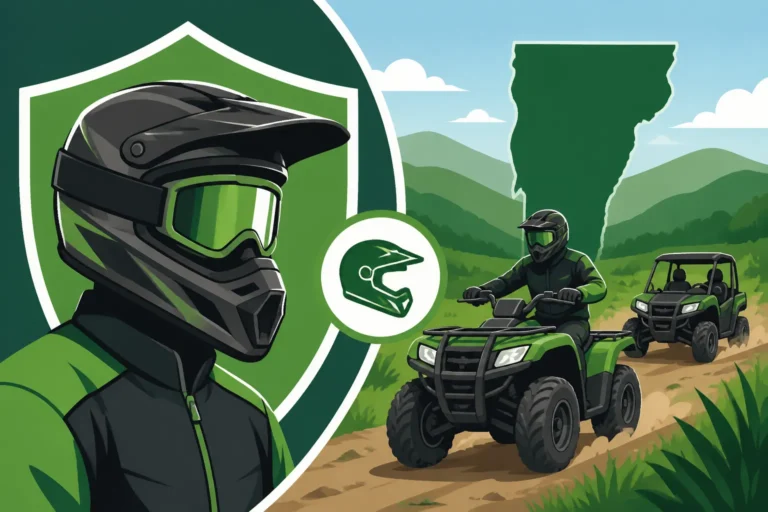
This is a big one in Vermont: the helmet law. Vermont law unequivocally states that every rider, regardless of age, must wear an approved helmet when operating or riding as a passenger on an ATV or UTV. This isn't a suggestion; it's a legal requirement designed to protect against head injuries, which are tragically common in ATV accidents. When an officer stops you, they will absolutely check that you and any passengers are wearing helmets and that those helmets are properly fastened. [Vermont ATV Helmet Law for Every Rider] is strictly enforced.
They'll also look at passenger arrangements. Passengers must be carried only on seats designed by the manufacturer for passengers, not just anywhere. Furthermore, just like the operator, [Vermont Passengers Must Wear Helmets]. If you're carrying a child, ensuring they have an appropriately sized helmet that fits snugly is crucial. Officers want to see that everyone on the machine is protected according to the law.
Registration Plate and Trail Access Decal (TAD)
Two highly visible items police will check are your registration plate and, if you’re on VASA trails, your Trail Access Decal (TAD). Vermont requires all ATVs and UTVs used off private land to be registered with the DMV. Your registration plate must be securely mounted and clearly visible on the rear of your machine. [Vermont Plate Mounted on the Rear] is the standard, though some local ordinances might have additional requirements, like the town of Brighton, which asks for a front plate as well. A dirty, obscured, or missing plate is a surefire way to get pulled over.
If you’re riding on the VASA trail system, you also need a current Trail Access Decal, or TAD, prominently displayed on your machine. This decal confirms you've paid your VASA dues and are authorized to use the maintained trails. Officers and VASA wardens patrol these trails and will check for a valid TAD. Ensure your [Vermont TAD Placement on the Machine] is correct and the decal is not peeling or obscured. Having your registration papers and proof of TAD handy, perhaps in a waterproof bag, is always a good idea. For those who frequently transfer plates or need durable mounting solutions, browsing options from SuperATV can ensure your plate and decal are always secure and visible.
What to Expect During an ATV/UTV Equipment Stop
Getting pulled over can be a bit nerve-wracking, even if you know you haven't done anything wrong. Understanding the process of an ATV or UTV equipment stop in Vermont can help you remain calm, cooperative, and ensure a smooth interaction with law enforcement. It’s important to remember that officers are typically focused on safety and compliance, not just handing out tickets.
The Initial Interaction and Documents Requested
When you see those lights or hear a siren, the first step is to safely pull your ATV or UTV over to the side of the trail or road, turn off your engine, and keep your hands visible. This immediately signals cooperation. The officer will approach and likely ask for your identification, as well as several key documents related to your machine. These typically include:
- Proof of Registration: This shows your machine is legally registered with the Vermont DMV. [Vermont Registration Paperwork Checklist] can help you confirm what you need.
- Proof of Insurance: Vermont mandates liability insurance for all registered ATVs and UTVs. [Vermont Insurance Proof at a Trailhead] is a good practice to always carry.
- ATV Safety Certificate: If you are under 18, you are required to have completed an approved ATV safety course. An adult supervisor must also meet certain criteria if the rider is under 16.
- Driver's License or Other Identification: If you are operating on a public road, a valid driver's license is usually required, even if you are just crossing. On private land or designated trails, other forms of ID may suffice.
Having these documents readily available in a waterproof pouch or a secure compartment on your machine will make the stop much quicker and less stressful. Trying to fumble through a backpack or search for papers can prolong the interaction.
Common Equipment Scrutiny Areas
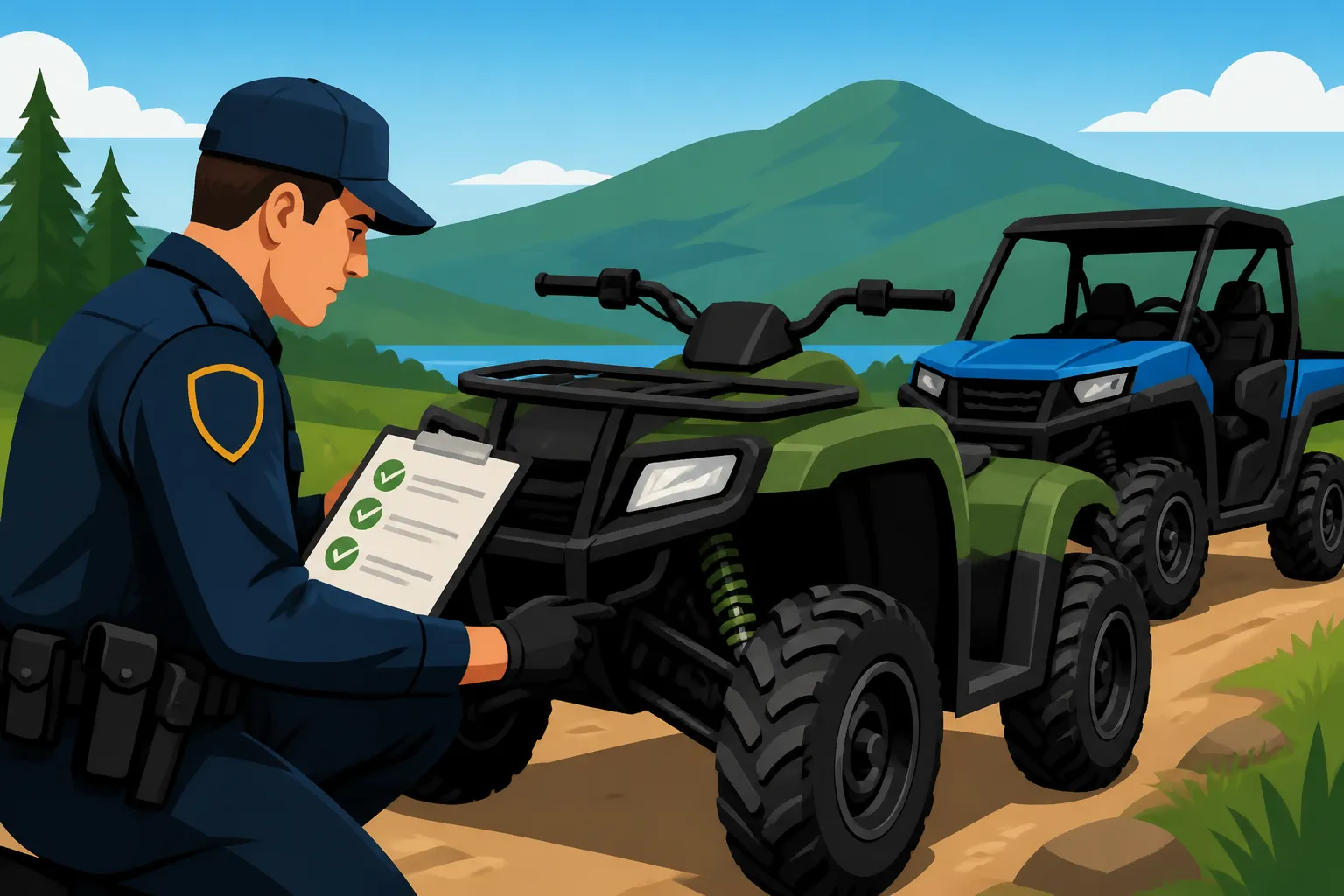
Once you've provided your documents, the officer will usually proceed with a visual inspection of your machine. They’re looking for the items we just discussed, and they often have a mental checklist. Expect them to:
- Check Lights: They'll ask you to turn on your headlights, tail lights, and engage your brakes to confirm the brake light functions.
- Inspect Tires: A quick glance to ensure you have low-pressure tires and that they aren't dangerously worn or damaged.
- Assess Muffler/Noise: They might listen to your machine's idle and rev, and physically look at your muffler for modifications or the presence of a spark arrestor.
- Verify Plate & TAD: They'll check the visibility and proper display of your registration plate and, if on a VASA trail, your Trail Access Decal.
- Helmet Check: They'll confirm that you and any passengers are wearing helmets and that they are properly secured. They might also check for a DOT or Snell certification sticker on the helmet.
Don't be surprised if they ask you to perform a quick brake check. This direct observation is part of their routine when conducting [Vermont Warden Checks on the Trail] or police stops. Maintaining a respectful and cooperative attitude throughout this process is always the best approach.
Potential Outcomes: Warnings, Waivers, or Fines
The outcome of an equipment stop can vary depending on the nature of the violation, the officer's discretion, and your history. It's not always about a ticket; education is often a goal as well.
- Warnings: For minor, easily correctable issues—like a slightly obscured plate or a missing reflector that can be immediately addressed—an officer might issue a verbal or written warning. This gives you a chance to fix the problem without a fine.
- Waiver Fees: Some violations in Vermont might come with a "waiver fee," which is essentially a reduced fine you can pay by mail or online, admitting guilt and avoiding a court appearance. This is common for less severe infractions. Understanding [Waiver Fee or Full Fine for a Vermont Violation] can save you a trip to court.
- Fines: More serious violations, or repeated offenses, will likely result in a formal ticket with a set fine. Examples include operating an unregistered machine, no insurance, or not wearing a helmet. These fines can add up, and repeat offenses can sometimes lead to higher penalties. It's crucial to be aware of [Vermont ATV Fines for Road Violations] and other penalties for non-compliance.
In some cases, especially for significant safety violations like no helmet or no brakes, the officer might deem the machine unsafe to operate and could order you to transport it off the trail or road rather than riding it further. Always take any instructions or warnings seriously and address any identified issues promptly.
Preparing Your Machine for Vermont Roadside Checks
Proactive preparation is your best defense against unexpected equipment checks. By making a habit of a pre-ride checklist and ensuring your machine is always in top shape, you can significantly reduce the chances of a stop becoming a negative experience. It's about being responsible and ensuring your machine is safe and legal every time you head out.
Pre-Ride Checklist for Compliance
Before every ride, especially if you're heading out for a longer trip or into an unfamiliar area, take a few minutes to go through a quick checklist. This isn't just about avoiding a ticket; it's about your safety and the longevity of your machine.
- Lights: Check headlights, tail lights, and brake lights. Engage both front and rear brakes (if applicable) to confirm the brake light illuminates. Make sure any additional running lights or turn signals (if equipped) are working.
- Brakes: Test both front and rear brakes for responsiveness and effectiveness. Ensure levers and pedals have proper feel and aren’t spongy.
- Tires: Check tire pressure and inspect for any deep cuts, bulges, or excessive wear.
- Muffler/Exhaust: Listen for unusual noises. Visually inspect the muffler for damage and confirm the spark arrestor is present and functional.
- Registration Plate & TAD: Verify your registration plate is clean, visible, securely mounted, and not obscured by mud or gear. Do the same for your VASA Trail Access Decal.
- Fluids: Quick check of oil, coolant, and brake fluid levels. Not a compliance check, but crucial for your machine's health.
- Helmet: Always ensure you have a DOT or Snell-approved helmet for yourself and any passengers. Check that straps and buckles are in good working order.
Making this a routine will not only help you pass any police check but also contribute to a safer and more enjoyable ride. For those considering upgrades like robust plate mounts or compliant mirror kits to enhance visibility and security, checking out options from a brand like SuperATV can provide reliable aftermarket solutions.
Carrying Essential Documents
We’ve touched on this, but it bears repeating: having your documents readily accessible is paramount. Keep them organized in a small, waterproof bag or container that’s securely stored on your machine. This could be in a glove box, a small storage compartment, or even a heavy-duty zip-top bag in your jacket pocket.
You should always carry:
- Your ATV/UTV registration certificate.
- Proof of liability insurance. [Carrying Vermont Insurance Proof on the Machine] is a legal requirement.
- Your valid driver's license (if operating on a public road) or other photo identification.
- Your ATV Safety Certificate, if required due to your age.
Beyond legal requirements, it's also a good idea to have emergency contact information and any medical alerts readily available. In the event of an incident, having this information can be incredibly helpful.
Regular Maintenance and Upgrades
The best way to ensure your machine passes an equipment check is to keep it well-maintained. Regular maintenance isn't just about preventing breakdowns; it's about ensuring all safety-critical components are in good working order. This includes routine checks of your lights, brakes, suspension, and steering, as well as keeping your exhaust system in good repair.
If you discover a component that's failing or not meeting compliance, addressing it promptly is key. Sometimes, an upgrade can even enhance safety and compliance. For instance, if your stock headlights are dim, investing in brighter, compliant LED lights can improve visibility. Similarly, if your stock muffler is aging, replacing it with a quality aftermarket option can ensure you meet noise regulations. Brands like SuperATV offer a wide range of durable and compliant aftermarket parts, from lighting and mirrors to robust skid plates and suspension components, that can help keep your machine safe, legal, and ready for whatever Vermont throws at it. A well-maintained machine is a happy machine, and one that gives you fewer reasons to worry about roadside checks.
| Equipment Item | What Vermont Police Check For | Why It Matters |
|---|---|---|
| Headlights/Tail Lights | Functionality, proper aim, visibility (especially after dark) | Essential for seeing and being seen, preventing collisions |
| Brake Lights | Functionality when brakes are applied | Signals deceleration to riders behind you, crucial for safety |
| Brakes | Effective stopping power for both front and rear | Direct impact on accident prevention and control of the machine |
| Muffler/Spark Arrestor | Proper functioning muffler, acceptable noise levels, presence of spark arrestor | Reduces noise complaints, prevents wildfires, ensures environmental compliance |
| Registration Plate | Securely mounted, clean, clearly visible on the rear of machine | Legal identification, verifies machine is registered |
| Trail Access Decal (TAD) | Securely mounted, clearly visible (on VASA trails) | Authorizes use of VASA trail system, supports trail maintenance |
| Helmets | Worn by all riders (operator & passengers), properly fastened, approved standard | Mandated by law for head injury protection, serious safety component |
| Tires | Low-pressure type, good condition (not excessively worn/damaged) | Designed for off-road use, traction, and minimal ground impact |
| Machine Width | Compliance with ATV/ASV definitions for designated routes | Ensures machine fits safely on trails and town roads, impacts classification |
Disclaimer
This article is for general informational purposes only and does not constitute professional advice. Laws, prices and regulations vary by location and change over time. Consult a qualified professional for guidance on your specific situation.