Vermont Low-Pressure Tire Requirement
It's incredibly frustrating when you're all geared up for a fantastic ATV or UTV ride on Vermont's beautiful trails, only to realize there's a specific legal requirement you might have overlooked – like the state's mandate for low-pressure tires. This isn't just a suggestion; it's a rule designed for both safety and trail preservation, and if your machine doesn't meet it, you could face unexpected issues down the line. This guide will walk you through everything you need to know about Vermont's low-pressure tire requirement, helping you ensure your ride is fully compliant and ready for adventure.
Understanding Low-Pressure Tires in the Green Mountain State
When Vermont talks about ATVs and UTVs (or All-Terrain Vehicles and All-Terrain Side-by-Sides, as they're often officially classified), there's a fundamental understanding that these machines are built differently than your typical road vehicle. A big part of that difference lies in their tires. The "low-pressure tire" requirement isn't just a random detail; it's central to how these machines operate safely and minimize their impact on the diverse terrain we love to ride here.
What Exactly Are Low-Pressure Tires?
At its core, a low-pressure tire is designed to operate with significantly less air pressure than tires found on cars, trucks, or even many dirt bikes. Think about it: a car tire might be inflated to 30-35 PSI (pounds per square inch), but a typical ATV or UTV tire could run anywhere from 4 to 10 PSI, sometimes even less depending on the specific machine, tire type, and terrain. This isn't because the tire is underinflated; it's how it's engineered to work optimally.
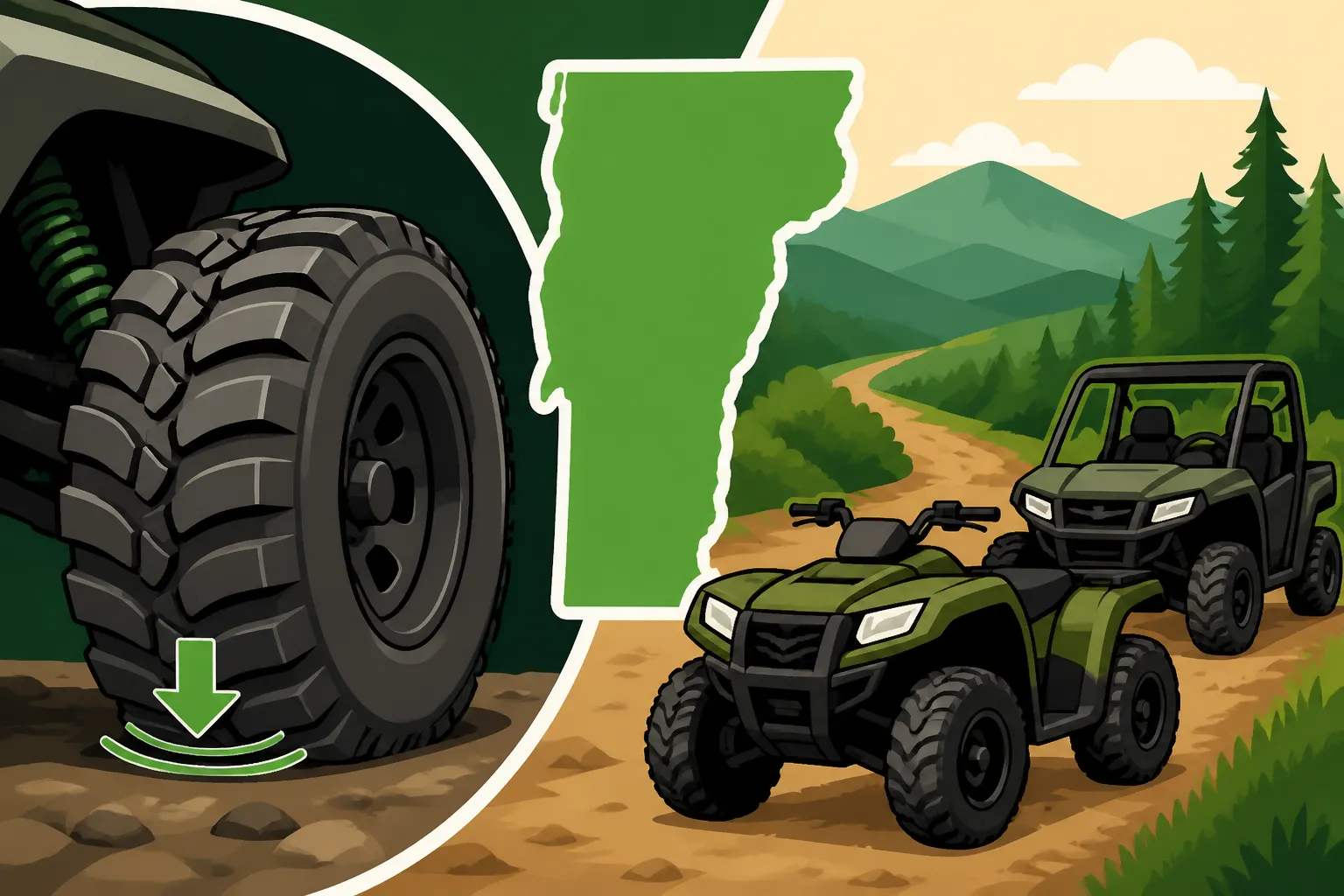
These tires are characterized by their large volume and flexible sidewalls, which allow them to "float" over uneven surfaces rather than digging in. This design increases the tire's footprint – the area of rubber in contact with the ground – which helps distribute the machine's weight over a larger area. For riders, this means better traction on loose surfaces like mud, sand, or snow, and a smoother ride over bumps and roots. For the environment, it translates to less ground disturbance, reducing rutting and erosion on trails. It's a win-win, really, especially in a state as ecologically sensitive as Vermont.
Why Vermont Mandates This Specific Tire Type
Vermont's emphasis on low-pressure tires stems from a combination of safety, environmental protection, and a desire to preserve the integrity of our beloved trail systems. Riding an ATV or UTV isn't like cruising on pavement; you're often encountering soft soil, delicate vegetation, and private land that property owners generously allow us to cross.
Firstly, from a safety perspective, these tires provide superior grip and stability on the varied and often challenging terrain found across Vermont. When you're climbing a rocky incline or navigating a muddy section, that extra traction can prevent slips and rollovers, making your ride much safer. Secondly, and perhaps most crucially for a state known for its natural beauty, the low ground pressure helps minimize the ecological footprint of these machines. High-pressure, narrow tires would cut into the ground, causing deep ruts that accelerate erosion, damage sensitive wetlands, and make trails impassable for future riders. The [Vermont ATV Equipment Requirements] article touches on how various pieces of equipment contribute to a responsible riding experience, and tires are certainly at the top of that list. By mandating low-pressure tires, Vermont aims to protect the very trails and private lands that are the lifeblood of our riding community, ensuring sustainable access for years to come.
Navigating Vermont's Legal Definitions for Your Machine
Understanding how Vermont defines different off-road vehicles is absolutely critical, as these definitions directly dictate whether your machine falls under the low-pressure tire requirement. It's not just about what you call it in conversation; it's about the specific legal language that the Vermont Department of Motor Vehicles (DMV) and law enforcement use. This is where many riders can get confused, especially with the ongoing evolution of vehicle types.
ATVs Versus ASVs and Their Tire Implications
Vermont law makes a clear distinction between All-Terrain Vehicles (ATVs) and All-Terrain Side-by-Sides (ASVs), sometimes referred to as UTVs or Utility Task Vehicles. While both are off-road machines, their definitions, and thus their specific equipment requirements, can differ slightly. Generally, the low-pressure tire requirement applies universally to both categories when they are designed for recreational off-road use.
An ATV, as defined in Vermont, is typically a machine designed for a single rider or, in some cases, a single passenger behind the operator. These are the classic "quads" you picture. An ASV, on the other hand, is designed to carry multiple passengers side-by-side, often resembling a smaller, ruggedized car with a steering wheel and foot pedals. Regardless of whether you're riding a traditional ATV or a modern side-by-side, the expectation is that its tires are of the low-pressure variety. The state's definitions often focus on weight, width, and tire type to classify these machines, as outlined in articles like [Vermont's 72-Inch, 2,500-Pound ATV Definition]. These characteristics are key to understanding not just registration, but also operational compliance on trails and designated roads.
Exemptions and Exclusions: What Doesn't Apply
It's equally important to know what isn't covered by this specific low-pressure tire rule. Not every motor-assisted recreational vehicle or piece of off-road equipment falls under the same umbrella. For instance, traditional dirt bikes, while used off-road, typically have narrow, high-pressure knobby tires designed for different handling characteristics and ground penetration. They are generally not classified as ATVs or ASVs under Vermont law for this specific requirement.
Furthermore, there are explicit exclusions for certain types of vehicles that might otherwise seem similar. [Vermont E-Bikes Excluded From the Definition] clarifies that electric bicycles, even those with significant power, are not considered ATVs. Similarly, [Motor-Assisted Bicycles and Why They Differ] highlights how machines like motorized bicycles have different regulatory frameworks. Agricultural equipment, while often operating on low-pressure tires, is typically exempt from recreational ATV registration and equipment rules when used solely for farm purposes on private land. The key takeaway here is to ensure you understand the exact classification of your specific machine according to Vermont statutes to determine if the low-pressure tire requirement applies. When in doubt, checking the official DMV guidelines is always the safest bet.
Identifying Compliant Low-Pressure Tires on Your Machine
Okay, so you know Vermont requires low-pressure tires. But how do you actually know if your tires meet the criteria? It’s not always immediately obvious, especially if you’re new to the off-road world or just bought a used machine. Understanding what to look for on your tires and how to properly check them is crucial for compliance and peace of mind.
Reading Your Tire's Sidewall and Manufacturer Specs
The most straightforward way to determine if your tires are designed as low-pressure is to check the sidewall. Manufacturers are required to stamp a lot of information right there on the rubber. You'll often find the recommended maximum inflation pressure, tire size, and sometimes even a specific "ATV" or "UTV" designation. For low-pressure tires, that maximum PSI number will be notably low – typically under 10 PSI, but it’s the design for low pressure that counts, not just the pressure you run. For example, a common ATV tire might have "Max. PSI: 7" or "Max. PSI: 5" stamped on it. If you see a maximum pressure of 20 PSI or higher, it's highly likely you're looking at a tire not intended for true low-pressure operation, even if you run it at a lower pressure.
Beyond the sidewall, you can often cross-reference your specific tire model with the manufacturer's specifications online. A quick search with the brand and model number of your tire should bring up detailed information, including its intended use and recommended operating pressures. This is especially helpful if the sidewall markings are worn or hard to read. Remember, the critical factor is that the tire itself is designed to be inflated to low pressures, not just that you can run it with low pressure.
The Importance of a Low-Pressure Tire Gauge
Once you've confirmed your tires are the right type, maintaining the correct pressure is paramount. This is where a specialized low-pressure tire gauge comes in. Standard automotive tire gauges are often designed for higher pressures and can be incredibly inaccurate, or even fail to register, the subtle changes in the 4-10 PSI range that ATV and UTV tires require.
Using a gauge designed for low pressures ensures you get an accurate reading, allowing you to inflate or deflate your tires precisely. Riding with incorrect pressure, even with the right type of tire, can lead to a host of problems: too much pressure and you lose traction and ride comfort; too little, and you risk bead separation, rim damage, or faster tire wear. In Vermont, where varying terrain calls for slight pressure adjustments, having a reliable low-pressure gauge is as essential as your helmet. You'll want to check your tire pressure before every ride, or at least before every major outing, to ensure optimal performance and compliance. Also, remember that [Two Low-Pressure Tires at Minimum] is only part of the story; all four (or more) tires on your machine need to meet the standard.
The Role of Low-Pressure Tires in Performance and Safety
It's easy to view legal requirements as mere bureaucratic hurdles, but Vermont's low-pressure tire mandate is deeply rooted in enhancing both the performance of your machine and, more importantly, your safety out on the trails. These aren't just arbitrary rules; they directly impact how your ATV or UTV interacts with the terrain and protects you as a rider.
Enhanced Traction and Ride Comfort on Vermont Trails
The unique design of low-pressure tires provides an undeniable advantage when tackling the diverse landscapes of Vermont. Imagine rolling over a rocky section, a field of roots, or a freshly muddied trail. A conventional, high-pressure tire would transmit every jolt directly to the suspension and, ultimately, to you. This makes for a jarring, uncomfortable, and often fatiguing ride.
Low-pressure tires, however, are essentially designed to conform to the ground. Their large footprint and flexible sidewalls allow them to wrap around obstacles, effectively cushioning the ride. This means less jarring, greater comfort over long distances, and better control because the tires maintain more consistent contact with the ground. Beyond comfort, this enhanced contact translates directly into superior traction. Whether you're climbing a steep, loose hill or navigating a slippery stream crossing, the increased grip means fewer wheel spins, more forward momentum, and a reduced chance of getting stuck. This performance benefit makes your rides more enjoyable and capable, allowing you to explore more of Vermont's stunning backcountry with confidence.
Reducing Environmental Impact and Preventing Erosion
Vermont is fiercely proud of its natural environment, and the trail systems that crisscross the state are often built on a foundation of trust with private landowners and environmental stewardship. The low-pressure tire requirement is a critical component of maintaining this delicate balance. High-pressure, narrow tires act like shovels, digging into the soft soil, tearing up grass, and creating deep ruts that channel water, leading to rapid erosion. This isn't just an aesthetic problem; it can damage water quality, destroy delicate ecosystems, and render trails unusable for others.
By distributing the weight of the machine over a larger surface area, low-pressure tires significantly reduce ground pressure. This minimized impact helps preserve the integrity of the trails, protecting them from excessive rutting and preventing erosion, especially in sensitive areas like stream banks or wetlands. For clubs like the Tri-County ATV Club that work tirelessly to maintain these corridors, riders who adhere to the low-pressure tire rule are directly contributing to the sustainability of the sport. It's a testament to the idea that responsible riding isn't just about following rules; it's about being a good steward of the land so that the privilege of riding can continue for generations. The [Vermont ATV Trails: The VASA System] relies heavily on this commitment to preserve access.
Maintenance and Care for Your Low-Pressure Tires
Even the toughest low-pressure tires need proper care and maintenance to perform their best and last longer. Neglecting your tires can lead to premature wear, reduced performance, and potentially even safety hazards on the trail. Just like any other crucial component of your ATV or UTV, a little attention goes a long way in ensuring they remain compliant and ready for your next Vermont adventure.
Regular Inspection and Pressure Checks
The most fundamental aspect of low-pressure tire maintenance is regular inspection. Before every ride, or at least weekly if your machine sits frequently, you should visually inspect all tires for any signs of damage. Look for cuts, punctures, bulges, or cracks in the sidewall. Embedded objects like sharp rocks or sticks should be carefully removed. Pay close attention to the tread depth; uneven wear can indicate underlying suspension or alignment issues that should be addressed by a professional.
Equally important are consistent pressure checks. As discussed, using a proper low-pressure tire gauge is non-negotiable. Tire pressure can fluctuate with temperature changes, so what might have been perfect in your garage could be off once you hit a cold trail or after the tires have warmed up during a long ride. Maintaining the manufacturer's recommended PSI – or adjusting it slightly based on terrain for experienced riders – ensures optimal traction, handling, and ride comfort.
When to Repair or Replace Your ATV/UTV Tires
Deciding whether to repair or replace a damaged low-pressure tire depends on the nature and severity of the damage. Small punctures in the tread area can often be effectively repaired with a proper tire plug kit. However, punctures or tears in the sidewall are generally not safely repairable on low-pressure off-road tires and usually necessitate replacement. It's not worth risking a tire failure far out on a remote trail.
Tire wear is another key indicator. While ATV/UTV tires are designed for tough conditions, their tread will eventually wear down. Once the tread depth becomes significantly reduced, especially if it's worn unevenly, the tire's ability to provide traction is compromised, particularly in mud or loose terrain. Always replace tires with a similar size, load rating, and tread pattern to maintain your machine's handling characteristics. When replacing, consider upgrading to a more aggressive tread if you frequently encounter challenging conditions, but always ensure they still meet the low-pressure design criteria. When purchasing or maintaining your machine, thinking about [Vermont Registration for a Side-by-Side] or other vehicle types should always include consideration for the appropriate tires for safe and legal operation.
Common Misconceptions and Compliance Tips
The world of ATV and UTV regulations can sometimes feel like a maze, and the low-pressure tire requirement is no exception. There are a few common misunderstandings that riders often encounter, which can inadvertently lead to non-compliance. Let's clear up some of these points and offer practical tips to ensure you're always riding within Vermont's guidelines.
"My Tires Look Low, So They Must Be Low-Pressure!"
This is perhaps the most frequent misconception. Just because a tire looks soft or saggy doesn't automatically mean it's designed as a low-pressure tire. A conventional automotive tire, when severely underinflated, will indeed look "low," but it's not built to operate safely or effectively in that state. Its sidewalls are much stiffer, and running it at extremely low pressures can cause it to overheat, damage the sidewall, or even de-bead from the rim during aggressive riding.
The key, as we've discussed, is the tire's design and the manufacturer's specified maximum operating pressure. A truly low-pressure ATV/UTV tire will have markings indicating its appropriate PSI range (often single digits). So, don't rely on a visual check alone; always use a dedicated low-pressure gauge and verify your tire's specifications to confirm its intended use. This distinction is crucial for both safety and compliance with Vermont's regulations.
Ensuring Compliance for Out-of-State Riders
Visiting riders from neighboring states like New Hampshire, New York, or Quebec often wonder if Vermont's tire rules apply to them. The answer is a resounding yes! If you're riding your ATV or UTV on designated trails or roads open to these machines in Vermont, you are expected to comply with all state regulations, including the low-pressure tire requirement. Reciprocity often applies to registration or safety courses, but equipment standards are typically universal for anyone operating within the state's borders.
Before you trailer your machine into the Green Mountain State, take the time to inspect your tires and ensure they meet Vermont's criteria. It's much better to address any discrepancies before you arrive than to face issues with a warden or risk trail access. If you're unsure, consult the Vermont DMV's official guidelines or contact one of the local ATV clubs for clarification. Being prepared means you can focus on enjoying the scenic trails without worrying about an unexpected equipment violation. For broader registration concerns for visitors, articles like [Vermont Registration for a Machine Bought Out of State] provide helpful context, reminding us that equipment compliance is part of the package.
The Future of ATV/UTV Tire Regulations in Vermont
The landscape of off-road vehicle regulations is not static, and Vermont, like many other states, continuously evaluates and updates its laws to adapt to new technologies, environmental concerns, and evolving rider trends. Understanding these potential shifts can help riders stay ahead of the curve and ensure long-term compliance and responsible enjoyment of the trails.
Legislative Changes and Their Impact
Vermont's legislative body, recognizing the growing popularity of ATVs and UTVs, occasionally introduces new acts or amendments that can impact various aspects of off-road riding, including equipment standards. For example, [What Vermont's 2025 Act 18 Changed for Riders] highlighted significant updates to definitions and rules. While specific tire pressure changes might not be frequent, modifications to vehicle classifications – such as changes to maximum width, weight, or even engine types – can indirectly affect how tire requirements are applied.
It's always a good practice for riders to stay informed about upcoming legislative sessions or any proposed bills related to off-road vehicles. Local ATV clubs, like the Border Line Ridge Riders near Newport, often play a crucial role in advocating for riders and disseminating information about regulatory changes. Subscribing to newsletters from the Vermont ATV Sportsman's Association (VASA) or regularly checking the Vermont DMV website can help you stay current. proactive engagement ensures that your riding experience remains compliant with the most up-to-date state laws.
Balancing Innovation with Environmental Stewardship
The off-road industry is constantly innovating, bringing new tire technologies and machine designs to market. From advanced tire compounds to specialized tread patterns designed for specific terrains, manufacturers are pushing boundaries. Vermont's challenge, and indeed its commitment, is to balance allowing these innovations to enhance the riding experience while upholding the state's strong principles of environmental stewardship.
This means that while new tire designs might offer superior performance, they must still adhere to the fundamental principles of low ground pressure to protect trails from erosion and excessive impact. The goal is to evolve with the sport, not against it. As a rider, embracing responsible practices, including using compliant tires, is your part in this ongoing balance. It helps ensure that regulatory bodies see riders as partners in conservation, rather than a threat to the environment. Ultimately, this collaborative approach is what will secure the future of ATV and UTV riding on Vermont's precious trails for all of us.
Summary of Vermont's Low-Pressure Tire Requirements
To help visualize the key aspects of Vermont's low-pressure tire requirement for ATVs and UTVs, here's a quick summary of what we've covered. This table should serve as a useful reference point for ensuring your machine is ready for the trails.
| Aspect | Description | Key Takeaway |
|---|---|---|
| Definition | Tires designed to operate at low PSI (typically single digits), with large volume and flexible sidewalls to increase ground contact. | Not just "low-inflated" but designed for low pressure. Check sidewall markings (e.g., "Max. PSI: 7"). |
| Purpose | Enhances traction, improves ride comfort, and critically, minimizes environmental impact by reducing ground disturbance and erosion. | Crucial for safety on diverse terrain and for preserving Vermont's delicate trail systems and private landowner access. |
| Applicability | Applies to all registered ATVs (quads) and ASVs/UTVs (side-by-sides) operating on Vermont's designated trails and open roads. | Regardless of whether it's an ATV or ASV, the low-pressure tire rule is a must for recreational use. Exemptions generally apply to dirt bikes, e-bikes, and farm equipment (when used solely for farm tasks). |
| Verification | Check tire sidewall for maximum PSI, consult manufacturer specifications, and use a dedicated low-pressure tire gauge for accurate readings. | Rely on proper tools and information. Standard automotive gauges are inaccurate for ATV/UTV pressures. |
| Maintenance | Regular visual inspections for damage, consistent pressure checks, and timely repair or replacement based on damage or tread wear. | Proactive maintenance extends tire life, ensures optimal performance, and maintains safety. Sidewall damage often means replacement; small tread punctures may be repairable. |
| Compliance Tips | Understand the "design" aspect, not just inflation level. Out-of-state riders must also comply. Stay informed about legislative changes. | Ignorance is not an excuse. Ensure full compliance before hitting the trails, especially for visitors. Legislative updates can impact definitions and requirements. |
Disclaimer
This article is for general informational purposes only and does not constitute professional advice. Laws, prices and regulations vary by location and change over time. Consult a qualified professional for guidance on your specific situation.