Vermont E-Bikes Excluded From the Definition
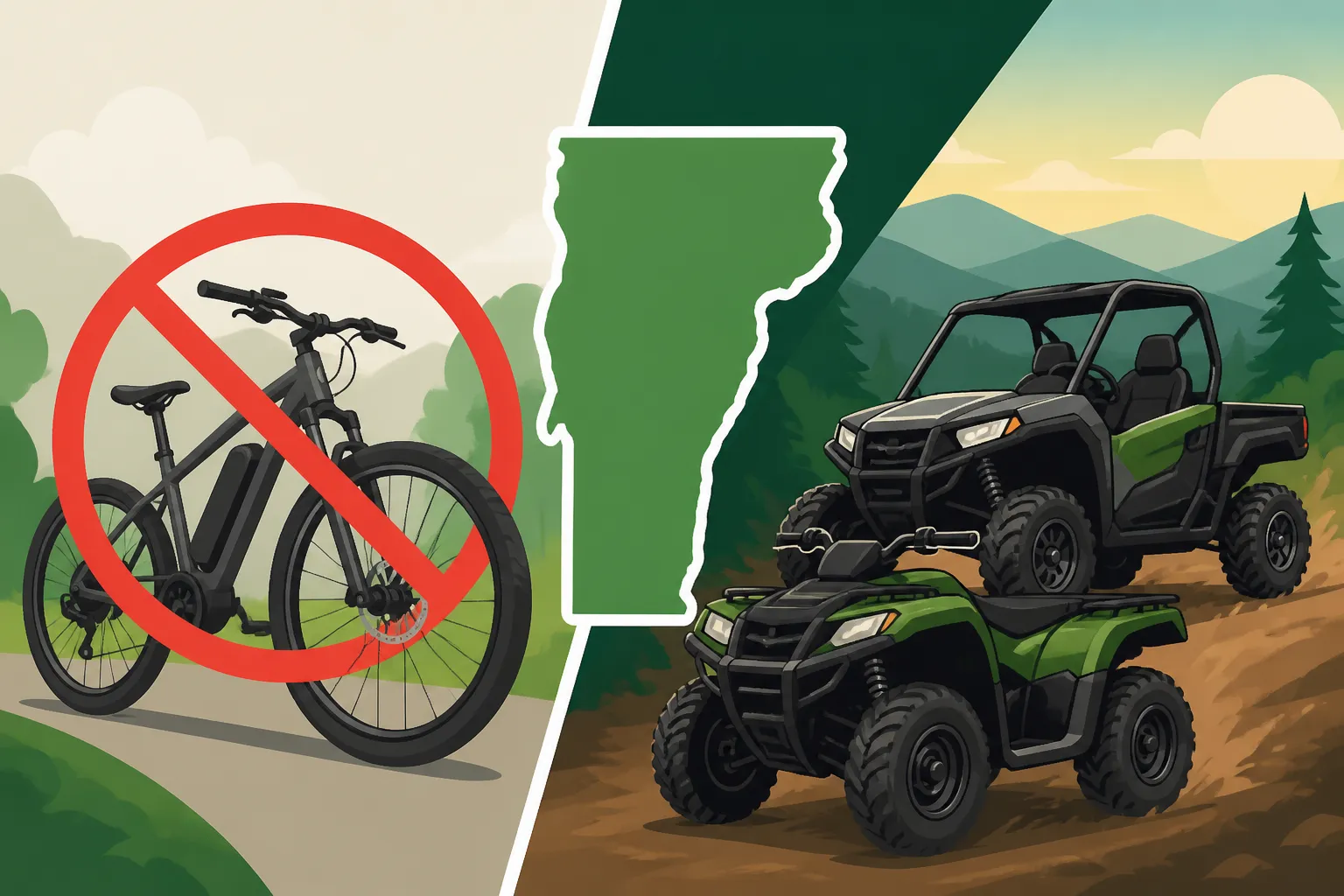
If you've ever found yourself scratching your head, wondering if that sleek new electric bike you're eyeing needs the same kind of registration and permits as your ATV in Vermont, you're definitely not alone. It's a common point of confusion, especially as e-bikes become more popular and look increasingly robust. This guide is here to untangle that knot, explaining exactly why Vermont's legal definitions specifically exclude e-bikes from the ATV category and what that means for you as a rider.
Understanding Vermont's ATV Definition
Before we can truly appreciate why e-bikes are in their own category, it’s crucial to understand what Vermont actually considers an All-Terrain Vehicle (ATV). The state has very specific criteria, and these definitions dictate everything from how you register your machine to where you're legally allowed to ride. Getting this straight is the first step in avoiding any unintentional run-ins with the law.
What Exactly Qualifies as an ATV in Vermont?
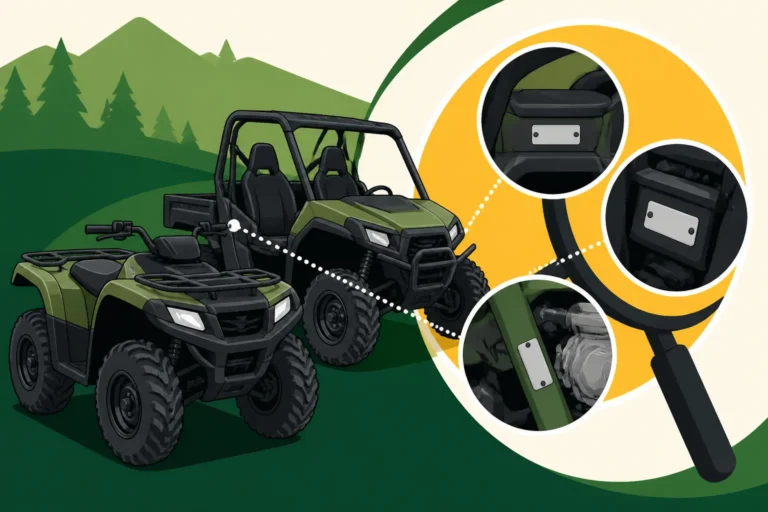
In Vermont, an ATV is not just any off-road vehicle. The state's definition is quite precise, focusing on a few key characteristics. Generally, an ATV is a motorized vehicle designed for off-highway use, weighing no more than 2,500 pounds and having a width not exceeding 72 inches. It also needs to be specifically designed to travel on four low-pressure tires. This isn't just a casual description; these are hard limits set by state statute. If your machine is wider, heavier, or designed differently, it might fall into another category, like an ASV (All-Terrain Side-by-Side Vehicle), which has its own set of rules and costs more to register. For a deep dive into these specifics, you might want to read up on [Vermont's 72-Inch, 2,500-Pound ATV Definition].
These specific measurements are in place to classify vehicles based on their potential impact on trails, their speed capabilities, and the inherent risks associated with their operation. It's about maintaining safety for riders and preserving the natural environment of Vermont's beautiful trails. Think about it: a small, nimble trail bike is going to have a very different footprint than a hefty side-by-side, and the law reflects these distinctions.
The Importance of the Definition for Registration and Rules
Why does all this legal jargon about width, weight, and tires matter so much? Because this definition is the gateway to everything else regarding ATV ownership and operation in Vermont. If your machine fits the ATV definition, then you are legally required to register it with the Vermont Department of Motor Vehicles (DMV). This registration process comes with its own set of requirements, including fees, proof of ownership, and sometimes even a title. For example, understanding [Vermont ATV Registration Cost] is directly tied to whether your vehicle qualifies as an ATV in the first place.
Beyond registration, the classification also dictates where and how you can ride. ATVs have specific trail access rules, road crossing regulations, and insurance mandates. If your machine doesn't meet the ATV definition, these rules might not apply to you, or entirely different regulations could kick in. Knowing the precise definition helps you understand if you need to concern yourself with things like [Do You Need to Register an ATV in Vermont?] or whether you're navigating the rules for a completely different type of recreational vehicle. It's all about ensuring you're compliant and safe out there on Vermont's varied terrain.
Why E-Bikes Aren't ATVs: The Key Distinctions
Now that we've covered what an ATV is in Vermont, let's turn our attention to electric bikes. While they both have "motor" in their lineage, the state draws a very clear line between them. This distinction is fundamental and affects almost every aspect of how you can use an e-bike compared to an ATV in the Green Mountain State.
Pedal Power vs. Engine Power: The Fundamental Divide
The most crucial difference, the very heart of the distinction, lies in how these machines are primarily propelled. ATVs are pure motorized vehicles; their engines do all the work, sending power to the wheels. E-bikes, on the other hand, are classified as "motor-assisted bicycles" in Vermont. This means they are fundamentally bicycles that simply assist the rider's pedaling effort with a small electric motor. Without pedaling, most e-bikes don't go, or if they do (like some Class 2 e-bikes with throttles), their motor size and speed are heavily restricted. This is a critical point that separates them legally.
Vermont law understands that an e-bike is designed to enhance human power, not replace it entirely, which makes them fundamentally different from an ATV built solely for motorized off-road travel. This distinction is explored further when considering [Motor-Assisted Bicycles and Why They Differ] from other recreational vehicles. It's about preserving the cycling experience while providing a bit of a boost, making trails more accessible for a wider range of people who might not otherwise be able to tackle certain inclines or distances on a traditional bike.
Weight, Width, and Tire Differences
Beyond the propulsion method, e-bikes typically look and feel very different from ATVs, and these physical characteristics also contribute to their exclusion from the ATV definition. E-bikes are, at their core, bicycles. This means they are generally much lighter and narrower than an ATV. Where an ATV can weigh up to 2,500 pounds and be 72 inches wide, even the most robust e-bike rarely exceeds 100 pounds and is typically no wider than a standard bicycle. This significant difference in bulk means e-bikes have a much smaller physical footprint on trails and roads.
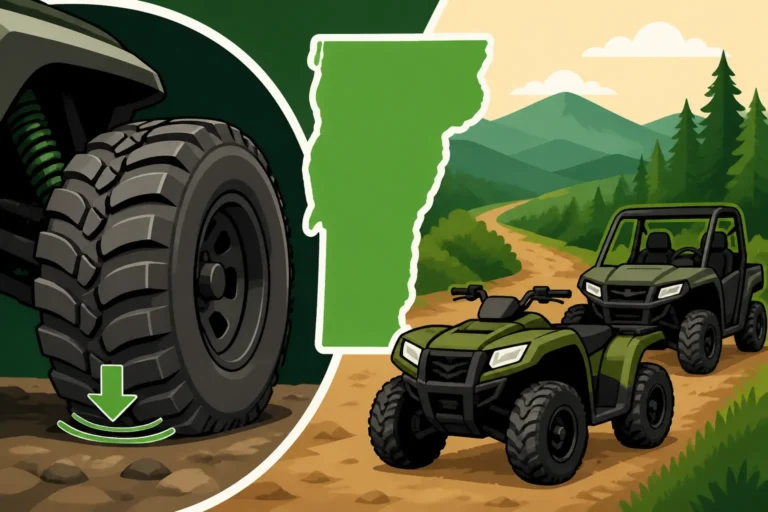
Furthermore, e-bikes run on bicycle tires, albeit often wider and more aggressive ones for off-road use, but they are not the specialized low-pressure tires characteristic of ATVs. These design elements ensure that e-bikes fit within the existing framework for bicycles rather than being forced into the heavy-duty vehicle classifications. These physical specifications are not just arbitrary; they reflect the different design intentions and operational impacts of each type of vehicle.
Vermont's Explicit Exclusion of Motor-Assisted Bicycles
To put it plainly, Vermont law specifically excludes motor-assisted bicycles from the definition of an all-terrain vehicle. This isn't just an oversight or a gray area; it's a deliberate legal distinction. The statute ensures that e-bikes are treated as bicycles with a boost, rather than as smaller, lighter versions of ATVs. This legal clarity is a huge relief for many riders, as it simplifies the requirements for getting out and enjoying the trails.
This explicit exclusion simplifies things immensely for e-bike enthusiasts. You don't need to navigate the complexities of DMV registrations, title applications, or the specific insurance policies designed for ATVs. The state recognizes the unique nature of e-bikes and provides a distinct regulatory path for them, acknowledging their closer kinship to traditional bicycles.
What This Exclusion Means for E-Bike Riders in Vermont
The fact that e-bikes are explicitly excluded from Vermont's ATV definition has significant practical implications for anyone riding one in the state. It essentially means you're operating under a different set of rules and expectations, largely aligning with bicycle regulations rather than those for motorized off-road vehicles.
No ATV Registration or Titling Required
One of the biggest benefits of this exclusion is that e-bikes do not require registration with the Vermont DMV. This means no annual fees, no paperwork to fill out at the local DMV office, and no need to display a registration plate. It's a significant departure from the process ATV owners go through, which involves everything from providing proof of ownership to paying purchase and use tax. For comparison, an ATV owner needs to understand processes like [Registering an ATV With the Vermont DMV] or navigating [Vermont ATV Titles and What They Cost]. E-bike owners can bypass all of this.
This simplifies the ownership experience dramatically. You buy your e-bike, and you're ready to ride (assuming you meet other basic safety and local rules, of course). This eliminates a common barrier to entry for many who might otherwise be put off by the bureaucratic steps involved in registering a motorized vehicle. It means less time waiting in line at the DMV and more time out on the trails.
Different Rules for Trail and Road Access
Because e-bikes are considered motor-assisted bicycles, their access to roads and trails typically follows bicycle rules, which are generally much broader than those for ATVs. This is a crucial distinction. While ATVs are restricted to designated ATV trails and specific town roads that have been opened by local selectboards, e-bikes can often use bike lanes, multi-use paths, and roads that are open to traditional bicycles. This opens up a vast network of routes that are entirely off-limits to ATVs. However, it's not a free-for-all everywhere.
It's vital to remember that individual trail systems, state parks, and even local municipalities can have their own specific rules regarding e-bike access, especially concerning the different classes of e-bikes (Class 1, 2, or 3). Some trails might restrict Class 2 or 3 e-bikes, which have throttles or higher top speeds, while still allowing Class 1 pedal-assist models. Always check local signage or park regulations before you ride. When considering where to ride an ATV, you'd be looking at resources like [Vermont ATV Road Rules: Towns Decide] or [Vermont ATV Trails: The VASA System], but for e-bikes, your focus will be on bicycle-friendly routes.
Insurance and Safety Considerations for E-Bikes
While Vermont doesn't require specific ATV liability insurance for e-bikes, it doesn't mean you should ride without any consideration for coverage. For ATVs, [Vermont ATV Insurance Requirements] are clear and mandatory. For e-bikes, your homeowner's or renter's insurance policy might offer some liability coverage for incidents, but it's often limited, especially if you're riding off your property or if the e-bike is particularly expensive. Some riders choose to get specialized e-bike insurance policies that cover theft, damage, and enhanced liability, offering peace of mind.
Safety is always paramount, regardless of what you're riding. While Vermont has a comprehensive [Vermont ATV Helmet Law for Every Rider], for e-bikes, helmet laws generally align with bicycle helmet laws. This means adults aren't always legally required to wear a helmet, but it is always highly recommended for riders of all ages on e-bikes. The speeds and potential for injury are still significant. Always ride defensively, understand the rules of the road and trail, and be aware of your surroundings to ensure a safe and enjoyable experience for everyone.
Navigating the E-Bike Landscape: Rules and Best Practices
So, you're an e-bike rider in Vermont, relieved you don't need to register your ride as an ATV. That's fantastic! But navigating the diverse landscape of trails and roads still requires a bit of savvy. It's not just about what you can't do, but what you can do, and how to do it responsibly.
Understanding E-Bike Classes and Their Impact
The world of e-bikes isn't monolithic; there are generally three classes, and these distinctions can sometimes affect where you're permitted to ride, especially on shared-use trails.
- Class 1 E-Bikes: These are pedal-assist only, meaning the motor only engages when you're pedaling, and stops assisting once you reach 20 mph. They are the most widely accepted e-bike type on trails.
- Class 2 E-Bikes: These models also have pedal-assist up to 20 mph, but they also include a throttle that can propel the bike without pedaling. Their throttle capability sometimes leads to restrictions on certain trails where pure pedal power is preferred.
- Class 3 E-Bikes: These are pedal-assist only, but they provide assistance up to 28 mph. Because of their higher top speed, they are generally restricted from multi-use paths and trails and are typically intended for road use.
Always be aware of which class your e-bike falls into. This knowledge is your first line of defense against inadvertently riding where you shouldn't. Many local ordinances and trail managers specify which e-bike classes are permitted, so knowing yours is key to a smooth ride.
Local Ordinances and Trail-Specific Rules
While the state broadly excludes e-bikes from ATV definitions, local control is a big deal in Vermont. This means towns, cities, and even specific land managers (like state parks, private landowners, or conservation groups) can set their own rules for e-bike access. Just because a trail is open to traditional bicycles doesn't automatically mean it's open to all classes of e-bikes. This is similar to how [Vermont Selectboards Open Roads Each Year] for ATVs; local entities have significant authority.
Before heading out, it's always best practice to check the website or signage for the specific trail, park, or town you plan to visit. A quick search for "[Town Name] e-bike rules" or checking the land manager's official site can save you a lot of grief. Some popular cycling routes or mountain biking areas might have clear guidelines posted, so make sure you're informed to avoid any fines or closures.
Legal Documentation and Agreements for E-Bike Use
Even though e-bikes don't require DMV registration or titling, proper documentation is still a good idea, especially if you buy or sell one privately. A clear bill of sale serves as proof of ownership, which can be invaluable in case of theft, a dispute, or needing to make an insurance claim. It ensures both the buyer and seller have a record of the transaction. If you're buying or selling a used e-bike, having a well-drafted bill of sale, similar to what you'd use when [Writing a Bill of Sale the Vermont DMV Accepts] for an ATV, provides a paper trail.
For creating such essential documents, resources like LawDepot can be incredibly helpful. They offer various customizable legal document templates, including bills of sale, that you can adapt for your specific e-bike transaction. Using a reliable template from a service like LawDepot ensures that all the necessary information, such as buyer and seller details, purchase price, and a clear description of the e-bike (including serial number), is included. This simple step can prevent future headaches and ensure a smooth transfer of ownership. Whether it's a gift or a private sale, having something in writing protects everyone involved. LawDepot is a great place to start looking for these kinds of documents.
Looking Ahead: Potential Changes and Staying Informed
The world of recreational vehicles, and specifically anything with a motor, is constantly evolving. What's true today might not be entirely true tomorrow, and that certainly applies to e-bikes and their relationship with ATV definitions. Staying informed is key to enjoying your ride in Vermont without unexpected surprises.
The Evolving Landscape of Recreation Vehicle Definitions
The rise of e-bikes has been relatively rapid, and lawmakers are often playing catch-up to ensure regulations accurately reflect the technology and how people are using these machines. Vermont's current exclusion of e-bikes from the ATV definition is clear, but as e-bike technology advances—perhaps with more powerful motors or unique designs that blur the lines with other vehicle types—it's possible that definitions could be revisited in the future. We've seen significant changes to ATV definitions recently, such as those related to [What Vermont's 2025 Act 18 Changed for Riders], demonstrating that laws are not static.
Legislators and state agencies continually monitor how different vehicles impact public lands, safety, and community dynamics. It's a balancing act to encourage outdoor recreation while protecting natural resources and ensuring public safety. While there's no indication that e-bikes will suddenly be classified as ATVs, being aware that these legal landscapes can shift is always a good mindset for any recreational vehicle owner.
Resources for E-Bike Riders in Vermont
Staying current with Vermont's specific e-bike laws and local trail regulations is crucial. Don't rely solely on word-of-mouth or outdated information. Here are some reliable places to look:
- Vermont Department of Motor Vehicles (DMV): While e-bikes aren't registered as ATVs, the DMV website is the official source for all vehicle definitions and related state laws. Check for any updates concerning bicycles or motor-assisted devices.
- Vermont Agency of Natural Resources (ANR): For state land access rules, including state parks and forests, the ANR website is invaluable. They often post specific policies regarding e-bike use on various trails they manage.
- Local Town Clerk Offices or Websites: For town-specific ordinances, especially regarding road or local trail access, your town or the town you plan to ride in will have the most accurate information.
- VASA (Vermont ATV Sportsman's Association): While primarily focused on ATVs and ASVs, VASA works closely with landowners and lawmakers, and their website may occasionally have information or discussions relevant to broader recreational vehicle trends, including how they might interact with existing trail networks.
- Local Cycling Clubs and Advocacy Groups: Many organizations dedicated to cycling in Vermont keep their members informed about e-bike access and advocacy efforts. They often have the most up-to-date information on trail openings, closures, and local rules.
By utilizing these resources, you can ensure you're always riding within the current legal framework, contributing to responsible recreation, and enjoying all the beautiful terrain Vermont has to offer on your e-bike. And remember, if you ever need to formalize an agreement or sale, resources like LawDepot are there to help ensure your personal e-bike documentation is as clear and legally sound as possible.
| Feature / Vehicle Type | ATV (All-Terrain Vehicle) | E-Bike (Motor-Assisted Bicycle) |
|---|---|---|
| Primary Propulsion | Internal Combustion Engine | Human Pedaling Assisted by Electric Motor |
| Vermont Definition | Motorized, up to 2,500 lbs, max 72" width, 4 low-pressure tires | Bicycle with an assisting electric motor; explicitly excluded from ATV definition |
| Registration Req. | Yes, with Vermont DMV (annual or bi-annual) | No, not required by Vermont state law |
| Titling Req. | Yes, for most models | No |
| Typical Weight | 600 – 2,500 lbs | 40 – 100 lbs |
| Typical Width | 48 – 72 inches | 24 – 30 inches (standard bicycle width) |
| Tire Type | Specialized low-pressure ATV tires | Bicycle tires (often wider for off-road models) |
| Insurance Req. | Mandatory liability insurance | Generally not required by law, but recommended (homeowner's/renter's/specialized e-bike policy) |
| Helmet Req. | Mandatory for all riders | Aligns with bicycle helmet laws; highly recommended for all |
| Trail Access | Restricted to designated ATV trails and approved town roads | Generally allowed where bicycles are, but local/class restrictions apply |
Disclaimer
This article is for general informational purposes only and does not constitute professional advice. Laws, prices and regulations vary by location and change over time. Consult a qualified professional for guidance on your specific situation.