Vermont ATV Plates and Where They Go
It can be incredibly frustrating to navigate all the rules and regulations around ATV and UTV riding, especially when something as seemingly simple as where to put your license plate can cause a headache. Many riders in Vermont find themselves scratching their heads, wondering if the state wants it here, or if their town has a different idea, or what happens if a branch knocks it off. You just want to ride and enjoy the beautiful Vermont trails without worrying about unexpected fines. This comprehensive guide is here to untangle all the confusion, detailing Vermont's specific requirements for ATV and UTV plates, exactly where they absolutely must go, and what you need to know to stay compliant and ride worry-free.
Understanding Vermont's ATV Plate Requirement
Before we dive into the nitty-gritty of plate placement, let's take a moment to understand why Vermont requires these plates in the first place. It's not just another piece of metal to bolt onto your machine; it's a critical identifier that connects your ATV or UTV to its official registration, proving you're playing by the rules. For anyone new to the sport or just new to Vermont, this foundational understanding helps underscore the importance of proper display.
The Core Reason for Your ATV Plate
Think of your ATV plate as its official identification card. In Vermont, any all-terrain vehicle (ATV) or utility-terrain vehicle (UTV), which the state often refers to as an All-Terrain Vehicle (ATV) or an All-Terrain Vehicle Type II (ASV), needs to be properly registered with the Department of Motor Vehicles (DMV) if it's going to be operated on public lands, designated trails, or approved town roads. This isn't just a suggestion; it's a legal mandate designed to ensure accountability and safety. The plate serves as a visible marker that your machine has gone through the proper channels, that any required fees have been paid, and that it's legally allowed on the trails and roads that are open to off-road vehicles. Without this plate, you're essentially operating an unregistered vehicle, which can lead to significant penalties and a quick end to your day's adventure. It’s also a vital tool for law enforcement and game wardens to identify machines and ensure compliance with various laws, from registration to insurance.
What Your Vermont ATV Plate Signifies
Beyond just proof of registration, your Vermont ATV plate is a symbol of compliance with a whole host of regulations. When you register your ATV or UTV, you're confirming that you meet certain criteria, such as having the appropriate [Vermont ATV Insurance Requirements] and, if applicable, a safety certificate for younger riders. The plate carries a unique serial number that links directly back to your vehicle's registration record, including the owner's information and the date of expiration. This makes it incredibly easy for officials to look up details if there's an incident, an accident, or just a routine check. It also helps in cases of theft, providing a distinct identifier that can be tracked. From an enforcement perspective, a clearly displayed, current plate simplifies things immensely for wardens and local police, allowing them to quickly verify a machine's legality without extensive questioning. It signals that you’re a responsible rider, contributing to the upkeep and maintenance of the trail system through your registration fees.
The Mandated Rear Placement for Vermont ATV Plates
Now, let's get down to the most common question: where exactly does that plate go? Vermont law is quite clear on this for the standard state-issued ATV plate. Unlike cars or trucks that typically have front and rear plates, ATVs and UTVs in Vermont generally only require one, and its location is specifically defined.
Deciphering the State Statute for Rear Mounting
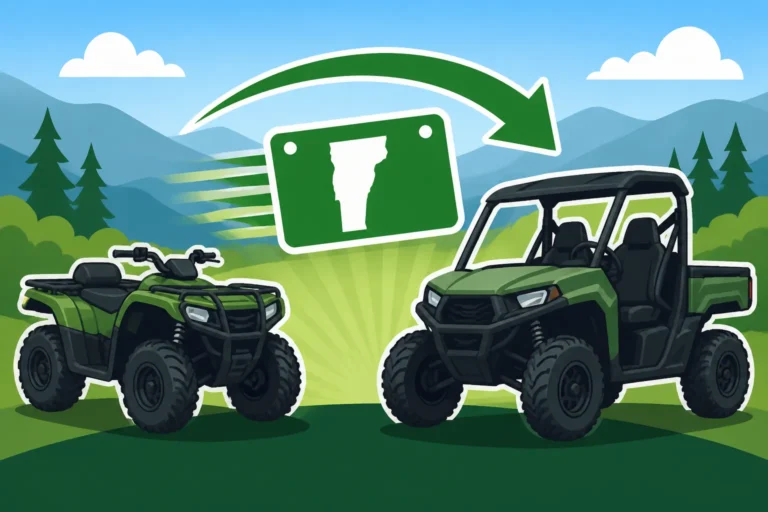
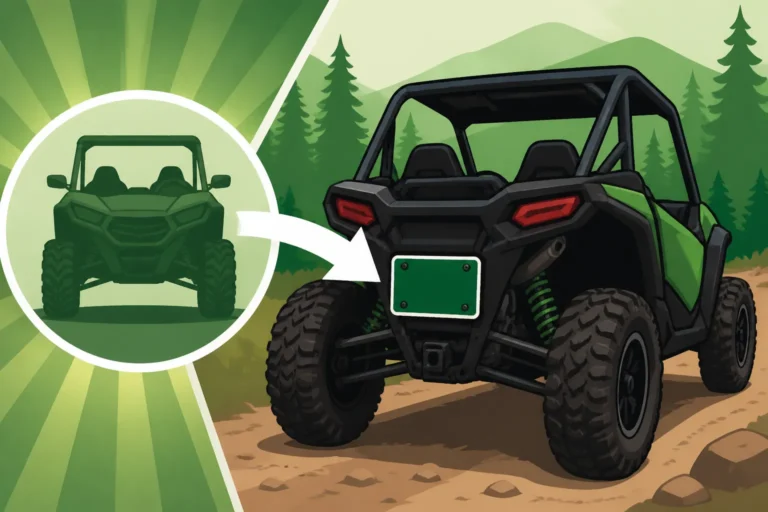
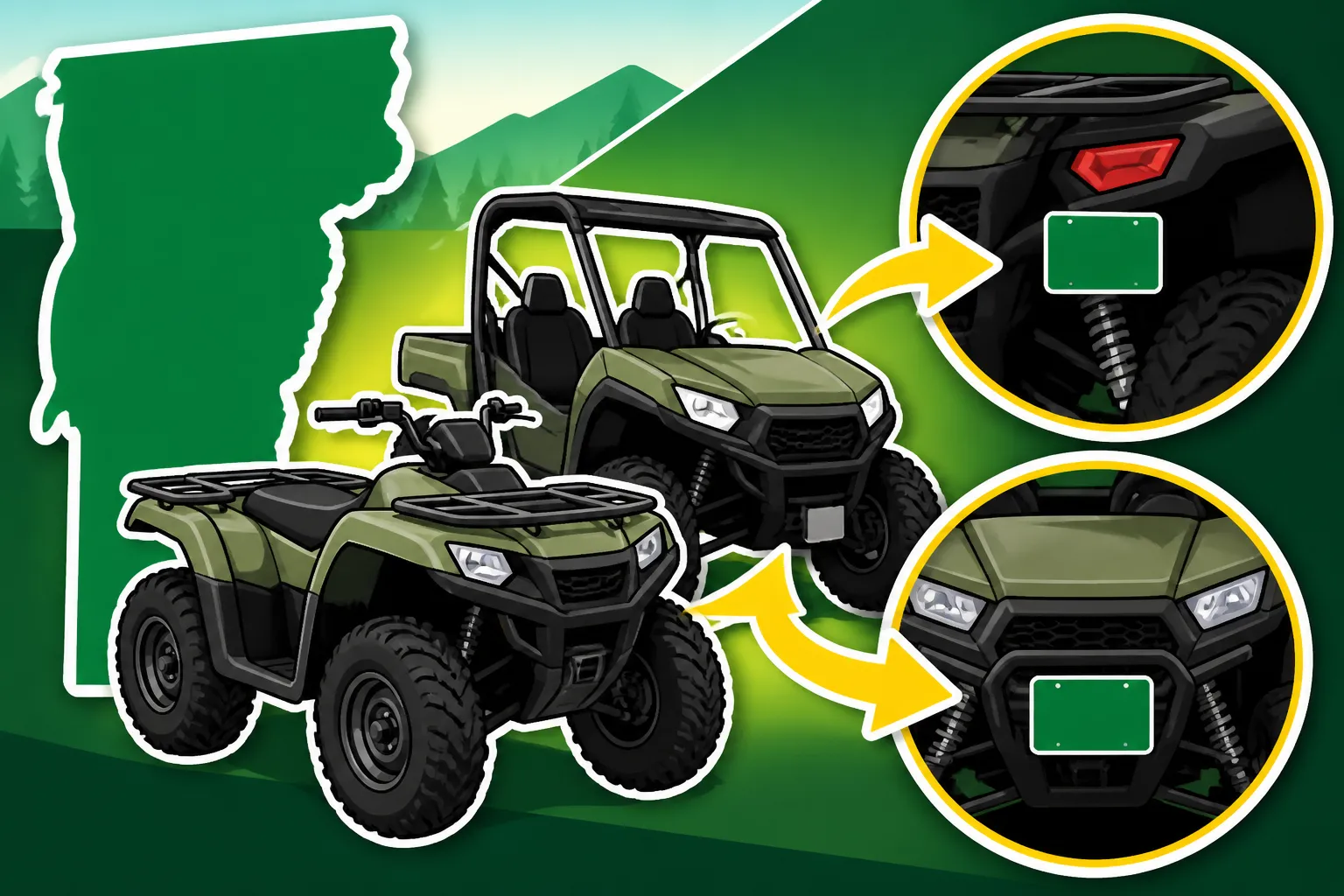
For the vast majority of ATV and UTV riders in Vermont, the rule is straightforward: your state-issued registration plate must be mounted on the rear of your machine. This isn't just a tradition; it's explicitly outlined in Vermont statutes governing the operation of these vehicles. The intention behind this rule is simple: to ensure visibility from the rear, especially when you're riding on trails, crossing roads, or operating in areas where your machine might be observed from behind. A vehicle's rear is typically where its primary identification is placed, just like on a car, making it easy for other riders, law enforcement, or trail wardens to see your registration. This consistency helps everyone know what to expect and where to look. Ignoring this specific placement can lead to being cited for improper display, even if you have a valid registration, because the plate isn't where it's legally required to be. It's all about making identification quick and unambiguous. You can refer to [Vermont Plate Mounted on the Rear] for more details on this specific requirement.
Practicalities of Rear Plate Attachment
Attaching your ATV plate to the rear of your machine isn't just about screwing it on; it’s about making sure it stays there securely and is always visible. Your ATV or UTV will likely have a designated area for plate attachment, often near the taillight or fender. This spot is usually chosen by the manufacturer to offer some protection from debris while still maintaining visibility. However, depending on your machine's design and how aggressively you ride, you might need to get creative. Many riders opt for a sturdy, aftermarket plate bracket that can withstand the bumps, vibrations, and occasional impacts that come with off-road riding. These brackets can be made of durable plastic or metal, and some even incorporate LED lighting to ensure your plate is illuminated after dark. When choosing your mounting spot, consider areas that are less prone to being caked in mud or obscured by cargo, and ensure it won't interfere with your machine's suspension or other moving parts. Secure fasteners, like locking nuts or bolts with threadlocker, are your friends here, preventing your plate from vibrating loose and becoming a trail casualty. After all, losing your plate on the trail can be a real hassle and require a replacement process.
Ensuring Your Plate is Always Visible and Legible
Having your plate mounted in the correct spot is only half the battle. Vermont law also dictates that your plate must be clearly visible and legible at all times, whether you're riding in broad daylight or under the cover of night. This requirement is crucial for safety and enforcement, and neglecting it can still land you in trouble, even with a valid registration.
Lighting Requirements for Night Riding
If you plan on riding your ATV or UTV after sunset, or even during periods of low visibility like heavy fog or rain, your rear registration plate must be adequately illuminated. This isn't just a suggestion; it's a legal requirement to ensure that your plate remains visible to others on the trail or road. Most modern ATVs and UTVs come with integrated taillight assemblies that include a small clear window or LED light specifically designed to illuminate the license plate. If your machine doesn't have this, or if the existing light is dim or broken, it's your responsibility to add a dedicated plate light. These are readily available at ATV dealerships or online, often in LED form, which are durable and draw minimal power. When installing, make sure the light genuinely illuminates the entire plate, making all characters easily readable from a reasonable distance. A dim glow that only catches a corner won't cut it. This attention to detail is part of being a responsible rider and prevents issues during [Vermont Equipment Checks by Police].
Keeping Your Plate Clean and Unobstructed
Vermont's trails can get muddy, dusty, and generally messy, especially during certain seasons. It's almost a given that your ATV will come back covered in grime after a good ride. However, your registration plate must remain clean and unobstructed enough for its characters to be easily read. This means no caked-on mud, no snow, no tangled brush, and no aftermarket accessories like flags or cargo racks that completely block the view of the plate. It's a common oversight: you have your plate mounted perfectly, but then you load up your gear for a camping trip, and suddenly, your backpack or cooler completely covers it. Before you head out, and certainly before you approach any public road or designated trail, take a moment to visually inspect your plate. If it's obscured by mud, give it a quick wipe. If your cargo is blocking it, consider relocating the cargo or adjusting its position. A simple visual check can save you a lot of hassle, including potential fines for an illegible plate. Remember, the goal is instant identification, and a dirty or hidden plate defeats that purpose.
Navigating Local Ordinances: When a Front Plate Might Be Needed
While state law generally only requires a single rear-mounted plate, certain towns in Vermont have the authority to enact their own local ordinances regarding ATV and UTV use on their designated roads. This can sometimes include specific requirements for front plates, adding another layer of complexity for riders. It's a common point of frustration for riders who follow state law, only to find a town has a unique twist.
Brighton's Unique Front Plate Request
The Town of Brighton, a popular hub for ATV and UTV riders, is a notable example where a front plate might come into play. While the state DMV only issues a single rear plate, Brighton's local ordinance may request or require riders to display a plate on the front of their machine when operating on town-designated roads. This isn't about state registration; it's a local measure aimed at improving identification for residents and local law enforcement. For instance, if you're approaching an intersection or traveling through a village, a front plate makes it easier for onlookers or officers to identify your machine's registration number without having to wait until you've passed. It's a pragmatic solution for local enforcement, and while it might seem like an extra step, it's crucial for staying compliant in those specific areas. Riders often fabricate a replica of their state-issued plate or create a clearly marked sign with their registration number to fulfill this local request. Always check the current Brighton ordinance or contact the town clerk for the most up-to-date information. Learning about [Vermont Towns That Ask for a Front Plate] can help you prepare for these specific scenarios.
Checking Your Specific Town's ATV Rules
Brighton isn't necessarily unique in its ability to enact local rules. [Vermont ATV Road Rules: Towns Decide] when and where ATVs and UTVs can operate on their roads. This means that while the statewide rule for plates is rear-mounted, you absolutely must check the specific ordinances of any town you plan to ride through or in. Local selectboards have the power to designate specific roads for ATV use and, in doing so, can also implement additional requirements that go beyond state law, as long as they don't contradict it. This might include anything from noise curfews to speed limits, and, yes, even specific plate display instructions. Before you haul your machine to a new riding area, take the time to visit the town's website, look up their ATV ordinance, or even call the town clerk's office. A quick phone call or web search can save you from a potential ticket or an unpleasant encounter with local law enforcement. Ignorance of a local ordinance is rarely an accepted excuse. Being proactive ensures you're riding responsibly and respectfully within each community you visit.
What to Do When Your Plate is Lost, Damaged, or Stolen
Accidents happen. Plates can get bent, fall off on a rough trail, or in the worst-case scenario, your machine—and its plate—could be stolen. When something happens to your Vermont ATV plate, you can't just keep riding as if nothing happened. There's a specific process to follow to ensure you remain compliant and avoid penalties.
The Process for Replacing a Missing Plate
If your Vermont ATV plate is lost, stolen, or so damaged that it's no longer legible, you need to replace it promptly. The Vermont DMV understands that these things happen, and they have a procedure in place for issuing a replacement plate. Generally, you'll need to fill out a specific form, often an application for a replacement plate, and pay a small fee. It's usually a straightforward process. If your plate was stolen, it's highly advisable to report the theft to local law enforcement first. Getting a police report can be helpful documentation for your replacement application and can also aid in tracking down your machine if it was stolen along with the plate. Once you've submitted the necessary paperwork and fee to the DMV, they will issue you a new plate. You cannot simply create your own temporary plate; you must obtain an official replacement from the state. For comprehensive guidance on this, check out [Vermont ATV Plate Replacement]. The goal is to get an official, new plate as quickly as possible so you can continue riding legally.
Dealing with Temporary Situations and Reporting
So, what do you do in the interim, between realizing your plate is missing and receiving a new one from the DMV? Unfortunately, Vermont law doesn't typically allow for homemade temporary plates for ATVs and UTVs. While you're waiting for your replacement, it's generally best to avoid riding on public lands, designated trails, or town roads where a plate is required. If you absolutely must move your machine, perhaps to a repair shop or for a very short distance on private property, exercise extreme caution and be prepared to explain your situation to any law enforcement officer you might encounter. Having a copy of your replacement application or a police report for a stolen plate on hand can be useful, but it doesn't grant you immunity from the requirement of a physical, official plate. This is where reporting the incident promptly and understanding the replacement process becomes paramount. It's always better to err on the side of caution and ensure you have legal documentation or a replacement plate before venturing out onto regulated areas. This period of waiting is an excellent time to review your [Vermont ATV Registration Paperwork Checklist] to ensure all your other documents are in order.
Connecting Your Plate to Registration and Enforcement
Your ATV plate isn't just a random number; it's the physical manifestation of your machine's official registration. Understanding this connection is key to staying legal and prepared for any interaction with law enforcement. The plate acts as the visible proof that you’ve completed the necessary administrative steps.
The Journey from Registration to Plate in Hand
The process begins when you register your ATV or UTV with the Vermont DMV. Whether you're registering a brand-new machine, one you bought used, or even one you've inherited, there's a specific pathway to follow. You'll typically need proof of ownership, like a title or a bill of sale, and you'll complete an application form. Once all the paperwork is submitted, and the required fees, including any [Vermont Purchase and Use Tax on an ATV], are paid, the DMV processes your registration. As part of this process, they will issue you your official Vermont ATV registration plate. This plate is uniquely assigned to your machine and your registration period. It's not something you pick up immediately off the shelf; it's a direct outcome of successfully registering your vehicle. The plate will usually be mailed to you within a certain timeframe, along with your official registration certificate. During this waiting period, if you haven't received your plate yet but have a valid temporary registration, make sure you carry that temporary document with you whenever you operate the machine. This demonstrates that you are in the process of complying with the law. Knowing [Registering an ATV With the Vermont DMV] thoroughly will help you understand this entire journey.
How Law Enforcement Checks Your Plate's Validity
When a Vermont State Trooper, local police officer, or game warden sees your ATV plate, they're not just glancing at it; they're looking for specific cues that indicate legality. First and foremost, they're checking for the presence of the plate itself and that it's correctly displayed on the rear of your machine. Next, they'll verify its legibility—ensuring it's clean and unobstructed. Then, they'll often note the registration number and use it to cross-reference with the DMV database. This check reveals if the plate is current, if it matches the machine it's attached to, and if the registration is active. They can also quickly see if the machine is listed as stolen or if there are any outstanding issues. This quick digital lookup is incredibly efficient thanks to modern technology. This is why having your plate correctly mounted and visible is so important; it streamlines these checks and helps prevent unnecessary stops or inquiries. If a plate is expired, missing, or improperly displayed, it can be a red flag, leading to a stop, a conversation, and potentially a citation. Even a simple visual check helps LawDepot forms for bill of sale or other documentation if you are in a private sale, to ensure the records are ready for the DMV.
Practical Tips for Mounting and Maintaining Your ATV Plate
Properly mounting and maintaining your ATV plate is about more than just avoiding a ticket; it's about ensuring your plate withstands the rigors of off-road riding and remains visible for its entire registration period. Investing a little time upfront can save you headaches down the trail.
Choosing the Right Bracket and Hardware
The standard Vermont ATV plate is designed to be durable, but its mounting points are simply holes. How you attach it to your machine makes all the difference in its longevity. Many riders find that simply bolting it directly to a plastic fender isn't robust enough for the vibrations and impacts of trail riding. This is where a dedicated plate bracket comes in handy. Look for brackets made from sturdy aluminum or heavy-gauge steel, or even high-impact plastic. These are designed to absorb shock and resist bending or breaking. Some brackets even offer additional features like built-in LED plate lights or rubber grommets to further reduce vibration. When it comes to hardware, ditch the flimsy screws often included and opt for stainless steel bolts, washers, and self-locking nuts. These will resist rust and are far less likely to vibrate loose. Consider using fender washers, which have a larger surface area, to prevent the bolt head from pulling through the plate itself. Position the bracket to offer maximum protection from rear impacts and debris, perhaps slightly recessed or above a bumper, while still ensuring full visibility.
Protecting Your Plate from Trail Wear and Tear
Once your plate is securely mounted, the challenge becomes keeping it legible and intact through mud, rocks, branches, and everything else Vermont trails throw at it. One of the biggest culprits for plate damage is mud and debris. Consider adding a small mud flap or fender extension above your plate to deflect some of the spray from your rear tires. If you frequently ride in dusty or muddy conditions, make it a habit to carry a small rag and a spray bottle of water to give your plate a quick clean whenever you stop. Another common issue is branches or brush scraping across the plate. While you can't prevent every snag, mounting the plate in a slightly more recessed position or behind a bumper can offer some protection. Some riders even apply a clear protective film over their plate, similar to what's used on car paint, to help resist scratches and keep the reflective surface pristine. Remember, a plate that’s too scratched, bent, or faded to read might as well be missing in the eyes of law enforcement. Regular checks and proactive maintenance will keep your plate looking good and serving its purpose for the full [Vermont Registration Valid One Year] or [Vermont ASV Two-Year Registration at $211] period.
Common Mistakes to Avoid with Vermont ATV Plates
It's easy to make a small oversight that can lead to a big problem when it comes to ATV plates. Many riders, even experienced ones, fall victim to common pitfalls that can result in fines, warnings, or simply an unnecessary hassle. Being aware of these common mistakes is your first step to avoiding them.
Overlooking Visibility Obstructions
One of the most frequent mistakes riders make is unintentionally obstructing their plate. You might have mounted it perfectly, but then you add a new cargo box, a spare tire carrier, or even just a backpack tied to the rear rack, and suddenly, your plate is completely hidden from view. This often happens because riders focus on the ride itself and forget to do a final check of their vehicle's rear visibility. Another common obstruction is mud, snow, or excessive dust. While a little dirt is inevitable, allowing your plate to become completely caked over, rendering the characters unreadable, is a violation. It’s also common to see plates bent upwards or downwards to an extreme angle, making them difficult to read unless you’re directly behind the machine and crouching down. The key here is to regularly check your plate from different angles, especially after loading cargo or after a particularly messy section of trail. Remember, the rule isn't just "have a plate"; it's "have a visible and legible plate."
Ignoring Local Bylaws or Expired Registrations
Another significant pitfall is failing to stay updated on local ordinances or, more simply, riding with an expired registration. Many riders are diligent about state laws but overlook the fact that individual towns can have their own specific rules. For example, some towns, like Brighton as mentioned earlier, might have unique requests regarding front plates. If you haven't done your homework on the specific town you're riding in, you could be unknowingly violating a local bylaw. It's an inconvenience, but it's a reality of riding in Vermont. Even more critical is riding with an expired registration. We've all been there: life gets busy, and that renewal notice gets buried in a pile of mail. But an expired registration means your plate is no longer valid, and operating your machine in such a state is a direct violation. Make a note of your registration expiration date and plan for [Vermont ATV Registration Renewal] well in advance. Setting a reminder on your phone or marking it on a calendar can save you from a costly citation. A valid registration, represented by a current and visible plate, is the bedrock of legal ATV operation in Vermont. This can also be important for any forms for proof of ownership through a company like LawDepot, as you'd need the current paperwork.
Disclaimer
This article is for general informational purposes only and does not constitute professional advice. Laws, prices and regulations vary by location and change over time. Consult a qualified professional for guidance on your specific situation.