Vermont ATV Insurance Requirements
It’s a beautiful thing, hitting the Vermont trails on your ATV or UTV, feeling that crisp air and seeing those Green Mountain views. But if you're like many riders, you might find yourself scratching your head when it comes to insurance. "Do I really need it?" "What kind?" "How much?" These are super common questions, and honestly, the rules can feel a bit murky at times. This guide is here to clear up all that confusion, walking you through Vermont's ATV insurance requirements so you can ride with peace of mind, knowing you're fully compliant and protected.
Do You Even Need ATV Insurance in Vermont? The Legal Landscape
Let's cut right to it: yes, if you plan to ride your ATV or UTV on any public land or designated trails in Vermont, you absolutely need insurance. This isn't just a suggestion; it's a legal requirement. Many riders make the mistake of thinking their home or auto insurance might cover their off-road machine, or that if they're careful, they don't need it. But the reality is that the state of Vermont takes the safety and financial responsibility of ATV operation very seriously, especially when you're sharing trails or accessing public property.
The Mandate: Riding on Public Land and Designated Routes
The law is clear: any all-terrain vehicle (ATV) or utility-terrain vehicle (UTV), which Vermont refers to as an All-Terrain Vehicle (ASV) if it meets certain criteria, must carry liability insurance when operated on public lands, public access routes, or trails that are part of the statewide network, such as those maintained by VASA (Vermont ATV Sportsman's Association) clubs. This includes riding on town-designated roads and even crossing public highways. It's about protecting yourself and others in case of an accident. Imagine hitting a fence line on someone's property, or worse, colliding with another rider on a blind corner. Without insurance, the financial burden could be catastrophic.
This requirement ensures that if an accident occurs, there's a safety net to cover damages and injuries. It's not just about protecting your own assets but also about fostering responsible riding within the community. When you're out there enjoying the natural beauty of Vermont, whether on a forest path or a specially designated [Vermont ATV Road Rules: Towns Decide] route, you're part of a larger ecosystem, and the insurance mandate reflects that shared responsibility.
What "Public Land" and "Designated Routes" Really Mean
So, what exactly counts as "public land" or "designated routes" in Vermont? This is where many riders get tripped up. It's not just state parks or large tracts of publicly owned forest. It includes any land that the public has a right to access, or that has been specifically opened for ATV use by a town selectboard, even if it's a dirt road or a Class 4 road. If a trail is part of the VASA trail system, which relies heavily on private landowner permission, it's considered a designated route for which insurance is mandatory.
Even if you're riding in a small town that has only opened a few miles of road for ATV use, like [Newport City's ATV Routes in Vermont], you'll need that proof of insurance. It extends to crossing state highways, riding on certain town roads, and any corridor that has been officially recognized for ATV travel. Essentially, if you're not exclusively on your own private property, assume you need insurance. This helps keep the peace and protects the landowners who graciously allow access to their property for the trail system.
Exemptions and Private Property Riding
Now, for the exception: if you are only riding your ATV or UTV on your own private property, and you never, ever venture onto public roads, trails, or lands, then Vermont law does not require you to carry liability insurance. This is a common situation for farmers or landowners who use their machines strictly for work on their own acreage. However, even in this scenario, many experienced riders still choose to carry some form of coverage.
Think about it: accidents can happen anywhere. If you have a friend or family member riding on your property and they get injured, or if your machine somehow catches fire and damages your own barn, personal liability or comprehensive coverage could be a lifesaver. While the state might not mandate it for purely private use, considering your own risks and assets often leads riders to opt for a policy anyway. It's truly a personal decision, but one worth considering carefully before you take to even your own private fields.
Understanding Vermont's Minimum Liability Coverage
When Vermont law talks about "minimum liability coverage," it's referring to specific dollar amounts that your insurance policy must be able to pay out in the event you cause an accident. These figures are not arbitrary; they are set to provide a baseline of financial protection for those who might be injured or have their property damaged by an ATV operator. It’s important to understand these numbers, not just to comply with the law, but to know what kind of protection you actually have.
The "25/50/10" Rule: Breaking Down the Numbers
Vermont’s minimum liability insurance requirements for ATVs, much like for other motor vehicles, are often referred to as "25/50/10." This shorthand represents three critical components of your liability coverage:
- $25,000 for bodily injury to one person: This means if you're at fault in an accident and one person is injured, your insurance will pay up to $25,000 for their medical expenses, lost wages, and other related costs.
- $50,000 for bodily injury to all persons per accident: If multiple people are injured in an accident that's your fault, your insurance will pay a maximum of $50,000 total for all their bodily injuries, regardless of how many individuals are hurt.
- $10,000 for property damage per accident: This covers damages to someone else's property, such as another ATV, a fence, a building, or even a vehicle if you were to cross a road improperly. Your policy will pay up to $10,000 for these damages.
These are the absolute bare minimums required by Vermont law. While these amounts might seem substantial at first glance, consider the rising costs of medical care or the price of replacing a modern side-by-side or repairing significant property damage. Many riders opt for higher coverage limits to ensure they are adequately protected in a serious incident, as you are personally responsible for any costs exceeding your policy limits. You can find more detail on these specific amounts in [Vermont's $25,000 Bodily Injury Minimum], [Vermont's $50,000 Two-Person Minimum], and [Vermont's $10,000 Property Damage Minimum].
Bodily Injury vs. Property Damage: What's Covered?
It's crucial to understand the distinction between bodily injury and property damage liability, as they cover different aspects of an accident. Bodily injury liability is designed to cover the costs associated with injuries sustained by others when you are at fault. This can include hospital bills, doctor visits, physical therapy, prescription medications, and even pain and suffering or lost wages if the injured party cannot work due to their injuries. It’s truly about the human cost of an accident.
Property damage liability, on the other hand, is all about the physical stuff. If you veer off a trail and damage a private fence, hit another ATV, or even nick a parked car while trying to navigate a tricky turn, this part of your policy kicks in. It covers the repair or replacement costs of that damaged property. Neither of these types of liability coverage will pay for damages to your ATV or your injuries; they are strictly for protecting others from the financial consequences of your actions. For your own machine and well-being, you'd look to other types of coverage, which we'll discuss shortly.
The Self-Insurance Option: Is It for You?
While most riders satisfy Vermont's insurance requirements by purchasing a policy from a licensed insurance provider, there is an alternative for those with significant financial resources: self-insurance. [Vermont Self-Insurance at $115,000] is an option, but it's not for everyone. To qualify, you typically need to demonstrate to the Vermont Commissioner of Motor Vehicles that you have sufficient financial resources to cover the potential liabilities that would otherwise be handled by an insurance policy. This usually means proving liquid assets of a substantial amount.
This path is far less common for the average ATV enthusiast and is more frequently seen with large corporations or rental fleets that operate many vehicles and have the financial backing to absorb potential losses. For individuals, maintaining the required bond or demonstrating the necessary financial standing can be complex and often more costly than simply paying an insurance premium. Unless you have deep pockets and a strong understanding of financial regulations, a traditional insurance policy is almost always the more practical and accessible route to meet Vermont's ATV insurance requirements.
Beyond the Basics: Types of ATV Insurance and What They Offer
While liability insurance is the bare minimum required by law for riding on public trails in Vermont, it only covers damages and injuries you inflict on others. For true peace of mind and comprehensive protection for yourself and your machine, you'll want to explore additional types of ATV insurance. These optional coverages are designed to protect your investment and your wallet from a wider range of potential misfortunes that can occur both on and off the trail.
Collision Coverage: Protecting Your Machine
Collision coverage is designed to cover the costs of repairing or replacing your ATV or UTV if it's damaged in an accident, regardless of who is at fault. This is a huge relief for many riders, especially given the cost of these machines. Imagine you're navigating a rocky trail near [Island Pond ATV Riding in Vermont] and misjudge a turn, sending your machine tumbling. Without collision coverage, you'd be footing the bill for all repairs or even a total replacement out of your own pocket.
This coverage kicks in for impacts with other vehicles, trees, rocks, guardrails, or even if your machine rolls over. It typically comes with a deductible, which is the amount you agree to pay out-of-pocket before your insurance coverage begins. Choosing a higher deductible usually results in a lower premium, but it also means you'll pay more upfront if you have an accident. Many riders see collision coverage as a non-negotiable addition, especially for newer or more expensive machines, as it directly protects their investment.
Comprehensive Coverage: Against the Unexpected
Comprehensive coverage is often paired with collision and offers protection against pretty much everything except a collision with another vehicle or object. Think of it as your "acts of God" or "unforeseen circumstances" coverage. This includes events like theft, vandalism, fire, natural disasters (hail, floods, wind), and even hitting an animal on the trail. If your ATV is parked and stolen from your garage, or a tree branch falls on it during a storm, comprehensive coverage would come to your rescue.
This is particularly valuable in Vermont, where machines might be stored for parts of the year or exposed to various weather conditions. For example, if your machine is damaged by a fire in your shed, or if a bear decides to chew through some wiring while it's parked at a remote campsite, comprehensive coverage would help with the repair or replacement costs. It's an essential layer of protection for those who want to safeguard their investment from a broad spectrum of non-collision related risks.
Uninsured/Underinsured Motorist Coverage
This type of coverage is often overlooked but can be incredibly important. Uninsured/Underinsured Motorist (UM/UIM) coverage protects you if you're involved in an accident with another rider who either doesn't have insurance (uninsured) or doesn't have enough insurance to cover your damages and injuries (underinsured). While Vermont mandates liability insurance, unfortunately, not everyone complies with the law.
If an uninsured rider causes an accident that injures you or damages your ATV, your UM/UIM coverage would step in to cover your medical bills, lost wages, and potentially even the repairs to your machine, up to your policy limits. It essentially acts as the other person's liability insurance when they don't have their own. Given the number of machines on the trails, and the possibility of encountering someone who isn't properly insured, this coverage provides a crucial safety net for your own financial well-being.
Accessories and Custom Parts Coverage
Many ATV and UTV enthusiasts love to customize their machines, adding winches, light bars, upgraded tires, GPS units, specialized suspension, or even storage boxes from brands like SuperATV. Standard insurance policies often have limits on how much they'll cover for aftermarket parts and accessories. If you've invested significant money into customizing your ride, you'll want to ensure those additions are also protected.
Accessories and custom parts coverage is an optional add-on that specifically covers these enhancements. When speaking with your insurance provider, make sure to detail all the custom parts and accessories you've installed, especially if you’ve equipped your machine with robust upgrades from a reputable vendor like SuperATV. They can then advise you on how much additional coverage you might need and add it to your policy. Without this, a standard policy might only cover the value of the stock machine, leaving you out of pocket for all your carefully chosen upgrades in the event of a loss.
Navigating the Insurance Process: Getting and Maintaining Your Policy
Getting your ATV or UTV insured in Vermont doesn't have to be a headache, but it does require a bit of attention to detail. Understanding the process, what affects your premiums, and how to shop wisely can save you time, money, and future frustrations. It's about being proactive and informed, so you can spend less time worrying about paperwork and more time enjoying the trails.
Proving Coverage: What the Warden Wants to See
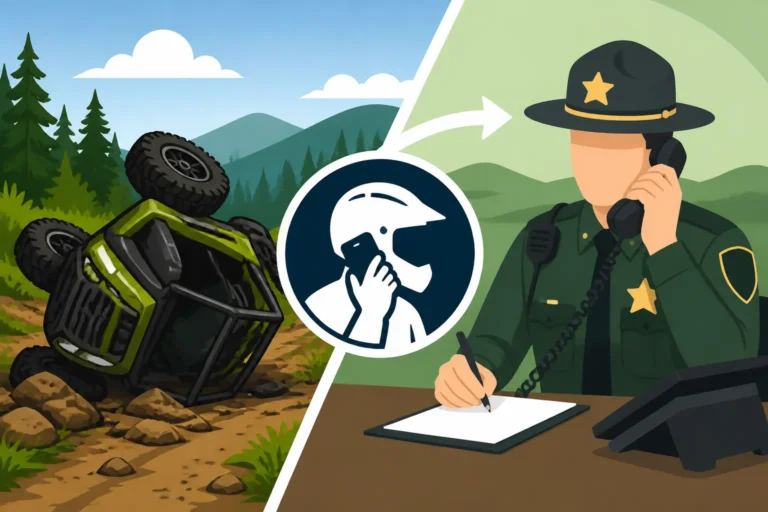
Once you have your insurance policy, it's essential to always carry proof of coverage with you whenever you're riding on public land or designated trails in Vermont. A game warden, state police officer, or local law enforcement official has the authority to request this documentation during a roadside stop or a routine trail check. [Vermont Equipment Checks by Police] can happen, and you need to be prepared.
Proof of insurance typically comes in the form of an insurance card or a copy of your policy declaration page. This document should clearly state the policy number, the effective dates of coverage, the name of the insured, and most importantly, the specific ATV or UTV it covers (usually identified by its VIN). Keep this proof in a waterproof bag or a secure compartment on your machine. Having it readily accessible can prevent delays, fines, or even having your ride ended prematurely. Just like your [Vermont Registration Paperwork Checklist], it’s another crucial document to keep handy.
Factors Affecting Your Premium
The cost of your ATV insurance in Vermont isn't a one-size-fits-all number. Several factors come into play when insurance companies calculate your premium:
- Type of Machine: Is it a lightweight ATV or a larger, more powerful side-by-side (ASV)? The size, engine displacement, and value of your machine significantly impact the cost, with more powerful or expensive machines typically costing more to insure.
- Your Riding History: Just like with car insurance, a clean driving record and no prior claims will generally lead to lower premiums. Any past accidents or violations can push your rates up.
- Your Age and Experience: Younger, less experienced riders often pay higher premiums due to perceived higher risk.
- Location: Where you store your ATV and where you primarily ride can influence rates. Areas with higher theft rates or more frequent accidents might have higher premiums.
- Coverage Limits and Deductibles: As mentioned, higher liability limits and more comprehensive coverage options will increase your premium, while choosing a higher deductible can lower it.
- Usage: How often you ride and whether it's for recreational purposes or more intensive work (like farming) can also be a factor.
It's a good idea to discuss these factors openly with an insurance agent to ensure you're getting the most accurate quote and the right coverage for your specific situation.
Shopping for the Right Policy and Provider
Finding the right ATV insurance policy involves a bit of research and comparison shopping. Don't just go with the first quote you receive. Here's a quick guide:
- Assess Your Needs: Beyond the minimum liability, what additional coverages (collision, comprehensive, UM/UIM, accessories) make sense for your machine and riding style? Consider the value of your ATV and your comfort level with risk. If you've got a lot of SuperATV aftermarket parts on your machine, make sure they're included in your assessment!
- Get Multiple Quotes: Contact several different insurance providers. Many companies offer specialized ATV and UTV insurance. You might even find that your current auto or home insurance provider offers multi-policy discounts.
- Ask About Discounts: Inquire about potential discounts. These might include discounts for completing an ATV safety course (especially important for younger riders, as discussed in [Vermont ATV Safety Course Required Under 18]), for storing your ATV securely, for insuring multiple vehicles, or for being a member of an ATV club like VASA.
- Read the Fine Print: Carefully review the policy details, including exclusions, deductibles, and claims procedures, before you commit. Make sure your policy explicitly names the machine you ride, as highlighted in [Why Your Policy Must Name the Machine You Ride].
- Work with an Agent: An experienced insurance agent who understands Vermont's ATV laws can be an invaluable resource. They can help you navigate the options and ensure you meet all legal requirements while securing the best possible coverage.
By taking the time to understand your options and shop around, you can secure robust ATV insurance that protects you, your machine, and your finances, allowing you to focus on the joy of riding Vermont's incredible trails.
| Coverage Type | What It Covers | Required in Vermont (for public/designated trails) | Who It Protects Primarily |
|---|---|---|---|
| Bodily Injury Liability | Injuries to others when you are at fault (medical, lost wages) | Yes | Other people |
| Property Damage Liability | Damage to others' property when you are at fault (vehicles, fences) | Yes | Other people's property |
| Collision Coverage | Damage to your ATV from an accident (hitting objects, rollovers) | No | Your ATV |
| Comprehensive Coverage | Damage to your ATV from non-collision events (theft, fire, vandalism, animal) | No | Your ATV |
| Uninsured/Underinsured Motorist | Your injuries/damages if hit by an uninsured/underinsured rider | No (highly recommended) | You and your passengers |
| Accessories & Custom Parts | Aftermarket additions to your ATV (winch, lights, etc.) | No (add-on to protect investment) | Your custom parts |
Disclaimer
This article is for general informational purposes only and does not constitute professional advice. Laws, prices and regulations vary by location and change over time. Consult a qualified professional for guidance on your specific situation.