Stopping at the Edge of a Vermont Highway
That moment when your ATV trail meets a paved state highway in Vermont can definitely make your heart beat a little faster. It’s a common point of anxiety for many riders, especially when you’re used to the freedom of the dirt. This guide is here to walk you through exactly what Vermont law requires and the best practices for safely and confidently Stopping at the Edge of a Vermont Highway so you can keep your ride smooth and worry-free.
Understanding Vermont's Highway Crossing Rules for ATVs
Navigating Vermont's beautiful landscape on an ATV often means encountering a mix of designated trails, town roads, and the occasional need to cross a paved state highway. While town roads might have specific ordinances allowing ATV travel, state highways operate under different, stricter rules. It’s crucial to understand these distinctions to ensure your safety and stay compliant with the law.
Why Highway Crossings Are Different
When you're out on the trails or even on a designated town road, the pace is usually slower, and the traffic, if any, is often more predictable. State highways, however, are a completely different beast. These are major arteries, designed for higher speeds and carrying a much greater volume of vehicular traffic. For ATVs, which are generally not considered "street legal" in Vermont for sustained road use, crossing a state highway is a specific, limited exception, not an invitation to drive on it. This means the rules are much more stringent to protect both you and other motorists. The stakes are higher because a mishap on a state highway can have far more serious consequences than a fender bender on a gravel road.
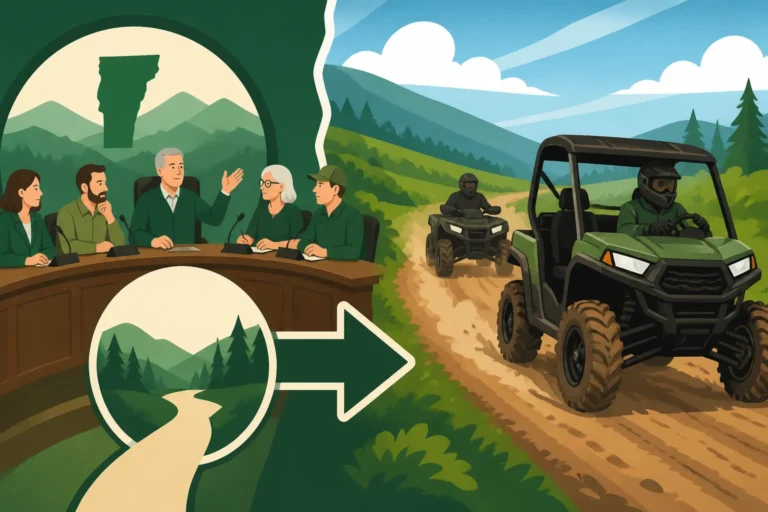
Towns often have to go through a process with their selectboard to open local roads to ATVs, but state highways fall under the purview of the state and typically only allow for direct crossings where a designated trail or approved town road meets it. You'll find specific signs indicating these crossing points. It's not a free-for-all; it's a carefully managed intersection where ATV riders must exercise extreme caution. Remember, you're a guest on these brief stretches of pavement, and the responsibility for a safe crossing rests squarely on your shoulders.
The "Stop and Yield" Mandate
Vermont law is crystal clear when it comes to approaching a paved state highway on your ATV: you must come to a complete stop. This isn't a suggestion; it's a mandate. And it’s not just about stopping; it's also about yielding to all traffic on that highway. This means that if there’s any vehicle approaching, no matter how far away it seems, you must wait. You give way. Their right-of-way is absolute.
Imagine this scenario: you're riding through the picturesque Northeast Kingdom, enjoying a day out on the VASA trail system. You approach a crossing point for Route 105. Even if you don't see a car immediately, you still come to a full, complete stop. You look left, you look right, you look left again. You spot a car in the distance, maybe a quarter-mile away. Your instinct might be to gun it and cross before they get there, but that’s precisely what "yield" prevents. You wait. You wait until that car has passed and the road is entirely clear. Only then, when you are absolutely certain no traffic poses a threat, do you proceed. This patient, cautious approach is not just good practice; it's the law, and it's designed to keep you from becoming another statistic.
Preparing for the Crossing: Visibility and Awareness
Before you even get to the stop sign at the edge of the highway, you should be preparing for the crossing. This means being acutely aware of your surroundings, both on the trail leading up to the crossing and the highway itself. Visibility is your best friend here. Are you wearing bright colors? Is your machine clean enough that your lights, if equipped, are visible? While Vermont doesn't require specific reflective gear for ATVs on trails, for these highway crossings, anything that makes you more noticeable to fast-moving traffic is a bonus.
A clear line of sight is paramount. Sometimes, bushes or trees might obscure your view as you approach the highway. If you can't see, you can't safely cross. You might need to edge forward slowly and cautiously to get a better vantage point, but always be prepared to stop instantly. Other drivers on the highway might not be expecting an ATV to suddenly appear, so it’s your responsibility to make sure you are seen and that you take extra precautions. Think defensively. Always assume drivers aren't looking for you, and make your movements predictable and deliberate. This proactive awareness, coupled with excellent [Vermont ATV Equipment Requirements], can make all the difference.
Executing a Safe Highway Crossing
Once you've understood the rules, the next step is putting them into practice. Executing a safe highway crossing isn't just about stopping; it's about a series of deliberate actions that minimize risk. From where you stop to how you accelerate, every detail matters when you're momentarily sharing space with highway traffic.
The Full Stop: Where and How
The full stop needs to be a full stop. Not a California roll, not a slow crawl, but a complete cessation of movement. Your wheels should not be turning, even imperceptibly. The ideal spot to stop is one that gives you the best possible view of oncoming traffic in both directions without putting any part of your machine onto the paved shoulder or roadway. This might mean stopping a few feet back from the white line, or at the very edge, depending on the visibility from that specific intersection.
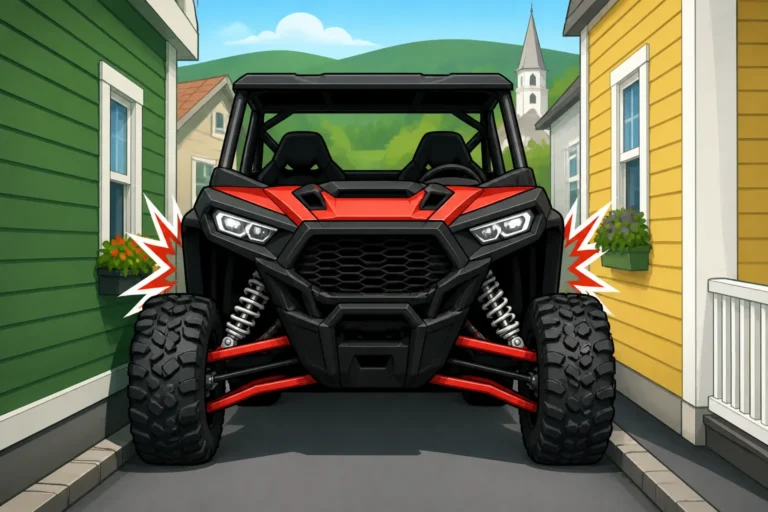
When you bring your machine to a halt, engage your brakes firmly. Take a moment. Look around. This isn't a race. Common mistakes include stopping too far back, where your view is still obstructed, or stopping so close that your front tires are already hovering over the shoulder. Neither is safe. You need to be able to see clearly without projecting into the traffic lane. If you’re riding a larger side-by-side, consider its length. You need enough room to see clearly and then pull out in one smooth motion, without having to creep forward multiple times. Think of it like a train crossing: you stop, look, and listen, and only proceed when it's undeniably clear.
Assessing Traffic and Making the Move
After you've stopped, your focus shifts entirely to assessing traffic. It's not enough to glance once. Look left, then right, then left again. Pay attention to the speed of approaching vehicles. What looks like a distant car can close the gap surprisingly quickly on a highway where speeds might be 50 mph or more. If there's any doubt about whether you have enough time to cross safely, err on the side of caution and wait. It's always better to lose a few seconds waiting than to risk an accident.
Once you’ve determined the path is clear, make your move swiftly and decisively. Don't hesitate. You want to cross the highway in the most direct and efficient manner possible, minimizing the time you are on the pavement. Accelerate smoothly, maintain control, and focus on getting to the other side safely. Avoid any jerky movements or sudden swerves that could be misinterpreted by a driver who might just be coming around a bend. You want your presence on the highway to be as brief and predictable as possible.
Crossing Etiquette and Group Riding Considerations
If you're riding solo, the process is straightforward: stop, assess, cross. But what if you're part of a group, perhaps with your friends from the [Vermont Group Ride Planning]? This requires an extra layer of coordination and care. The general rule for groups is to cross one machine at a time, or in pairs if the highway is wide enough and traffic allows, but always staggered. The lead rider should stop, clear the intersection, cross, and then signal to the next rider when it’s safe for them to go. This ensures that no one is left stranded mid-crossing and that you're not creating a continuous line of ATVs that might overwhelm drivers.
Never block the highway, even briefly, while waiting for your group. The goal is to get across and clear the road as quickly as possible. Communication within the group is key. Hand signals, helmet radios, or even just pointing can help ensure everyone understands when it's their turn to proceed. For those riding with SuperATV accessories like upgraded mirrors or a communication system, these can be invaluable tools for coordinating crossings and enhancing situational awareness within your group, ensuring everyone gets across safely without a hitch. Remember, a safe group is a predictable group, and predictable is good on a highway.
Common Mistakes and How to Avoid Them
Even with the best intentions, riders can sometimes make mistakes at highway crossings that put them at risk. Recognizing these common pitfalls is the first step toward avoiding them and ensuring a safer ride for everyone involved. It’s often the small, seemingly insignificant actions that can lead to big problems.
The Rolling Stop Illusion
One of the most frequent mistakes riders make is the "rolling stop." You might slow down significantly, almost to a halt, but your wheels never quite stop turning completely. On a trail, this might be fine; on a paved state highway crossing, it's not. The law requires a full, complete stop. A rolling stop is not only a violation that could result in a ticket – contributing to [Vermont ATV Fines for Road Violations] – but it's also incredibly dangerous. That fraction of a second you save by not coming to a complete stop could be the difference between seeing an oncoming vehicle and not seeing it in time to react.
Imagine a Vermont State Police officer or a game warden observing your crossing. They are trained to spot these nuances. What might feel like a stop to you might look like a continuous movement to them. The risk isn't just the fine; it's the fact that a rolling stop diminishes your reaction time and your ability to fully scan the highway. It gives you a false sense of security. Always default to a full, unequivocal stop, even if the road looks clear for miles. It’s a small price to pay for your safety and peace of mind.
Underestimating Highway Speeds
After riding for hours on winding trails or quiet dirt roads, your perception of speed can become skewed. Vehicles on state highways travel much faster than you might anticipate. What looks like a safe gap when you're waiting to cross can shrink alarmingly quickly. It's a common mistake to underestimate how fast a car traveling at 55 mph or more will cover ground. A vehicle that seems far away might be upon you in mere seconds, leaving you no time to react if you misjudged its speed.
Always be conservative in your judgment. If you have any doubt about the timing, wait. There's no prize for crossing fastest, only potential danger. It’s better to wait for an even larger gap than you think you need. Remember, the drivers on the highway are likely not expecting to suddenly brake for an ATV, so placing yourself in a position where they might have to react quickly is inherently risky. Your machine, while powerful on the trail, is small and less visible compared to a car or truck on a high-speed road.
Distractions and Focus
A highway crossing demands your absolute, undivided attention. This is not the time to check your GPS, adjust your helmet, or chat with a passenger. Any distraction, however minor, can have serious consequences. Your full focus needs to be on scanning the highway, assessing traffic, and preparing to execute a quick, safe crossing.
Even riding with friends can be a distraction. While group communication is good, an engaging conversation just before crossing can pull your focus away from the critical task at hand. If you have passengers, make sure they understand the importance of silence and cooperation during these moments. Ensure your [Vermont ATV Helmet Law for Every Rider] is properly fastened, your gear is secure, and anything that could divert your eyes or ears is handled before you approach the highway crossing. Stay calm, stay focused, and keep your eyes and ears peeled until you are safely on the other side.
Legalities, Penalties, and Staying Informed
Beyond the practical aspects of safety, it's vital to understand the legal framework surrounding ATV use and highway crossings in Vermont. Knowing the rules, the potential penalties, and how to stay informed will protect you from unnecessary fines and, more importantly, ensure you're riding responsibly.
The Consequences of Non-Compliance
Failing to adhere to Vermont's highway crossing rules can lead to more than just a stern look from a local warden or State Police officer. You could face significant fines and penalties. A ticket for a rolling stop or failure to yield can quickly put a damper on your riding day and lighten your wallet. These penalties are in place not just to punish, but to deter dangerous behavior and reinforce the importance of safety. Remember, wardens and local police are very familiar with these crossing points, and they do monitor them. It’s part of [What a Warden Can Ask to See] during a stop.
Beyond the legal repercussions, the safety implications are far more dire. An accident involving an ATV and a motor vehicle on a state highway can result in severe injuries, even fatalities, for both the ATV rider and the occupants of the other vehicle. There's also the potential for extensive property damage and the complex legal and insurance battles that follow. It's a situation no rider ever wants to be in. The rules are there for a reason, and ignoring them is an incredibly high-stakes gamble.
Staying Up-to-Date on Regulations
ATV laws and regulations, especially concerning road use and crossings, can sometimes change. It’s the rider’s responsibility to stay informed about the most current rules. Vermont's legislature and local selectboards periodically review and update ordinances, which can impact where and how you can ride. What was permissible last year might have changed this year.
The Vermont ATV Sportsman's Association (VASA) website and the Vermont Department of Motor Vehicles (DMV) are excellent resources for the most up-to-date information. Joining a local ATV club can also keep you in the loop, as clubs often share information about rule changes and trail updates. Some brands, like SuperATV, also provide helpful resources and blog posts on general ATV safety and responsible riding practices that, while not specific to Vermont law, can reinforce good habits. Make it a routine to check for updates before the riding season begins or if you're planning a trip to a new area of the state.
When in Doubt, Don't Cross
This is the golden rule, and it applies unequivocally to highway crossings. If you are ever in doubt – about whether the road is clear, whether you have enough time, or even if you're unsure about the specific legal requirements for that particular crossing – do not cross. Find an alternative route, if one exists, or simply wait until there is absolutely no question about the safety or legality of your maneuver.
A few extra minutes of waiting is always, always preferable to a dangerous or illegal crossing. Your safety, and the safety of others, is paramount. There’s no rush. Vermont's trails are there to be enjoyed responsibly. By understanding and respecting the rules for Stopping at the Edge of a Vermont Highway, you're not just avoiding trouble; you're contributing to a positive image for all ATV riders in the state, helping to preserve access for everyone for years to come.
Safe Highway Crossing Checklist
Here’s a quick checklist to help you remember the key steps for a safe highway crossing:
| Action | Description | Why It's Important |
|---|---|---|
| Approach Slowly | Reduce speed significantly as you near the highway intersection. | Gives you time to react to unexpected traffic or hazards. |
| Full, Complete Stop | Bring your machine to a complete halt before the white line or paved shoulder. | Required by law; maximizes your scanning time and reaction capability. |
| Scan Thoroughly | Look left, then right, then left again. Check for traffic in all directions. | Ensures you have a clear, up-to-date picture of highway conditions. |
| Yield to All Traffic | Wait until all oncoming and approaching traffic has passed and the road is clear. | Mandated by law; prevents collisions with faster-moving highway vehicles. |
| Clear Line of Sight | Ensure your view is unobstructed by brush, vehicles, or other barriers. | You can't safely cross what you can't see. |
| Communicate (Groups) | Use signals to ensure group members cross one at a time and safely. | Prevents chaos and ensures everyone stays safe. |
| Cross Decisively | Once clear, accelerate smoothly and cross the highway directly. | Minimizes time spent in the highway traffic lane. |
| Stay Focused | Avoid all distractions during the entire crossing process. | Ensures your full attention is on the critical task at hand. |
Disclaimer
This article is for general informational purposes only and does not constitute professional advice. Laws, prices and regulations vary by location and change over time. Consult a qualified professional for guidance on your specific situation.