Riding Around a Wet Section
Vermont ATV trail riders learn to assess wet sections, avoid land damage, and decide when to turn back safely.
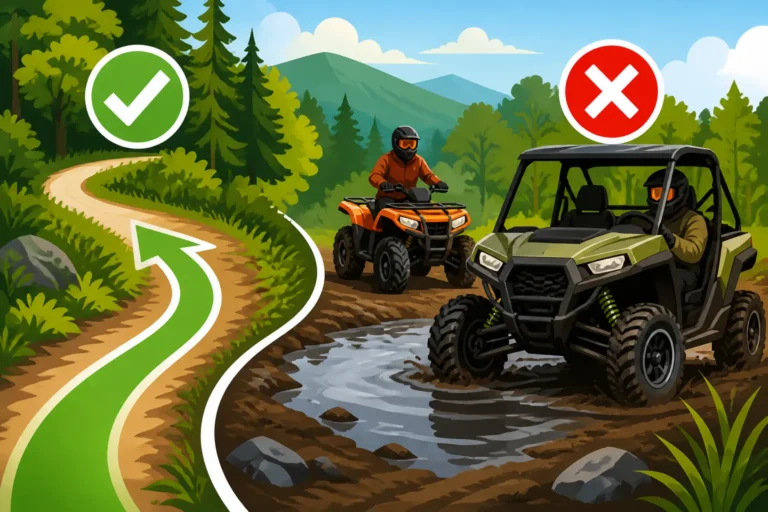
Vermont ATV trail riders learn to assess wet sections, avoid land damage, and decide when to turn back safely.

Vermont ATV riders can protect landowner access, avoid closed areas, and stay on designated trail corridors safely.
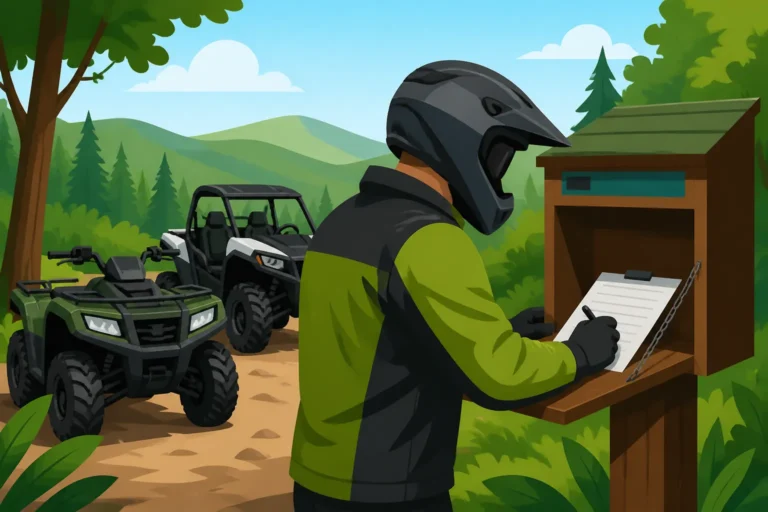
Vermont ATV trailhead logbooks track trail use, but signing in does not replace mandatory registration and trail decals.
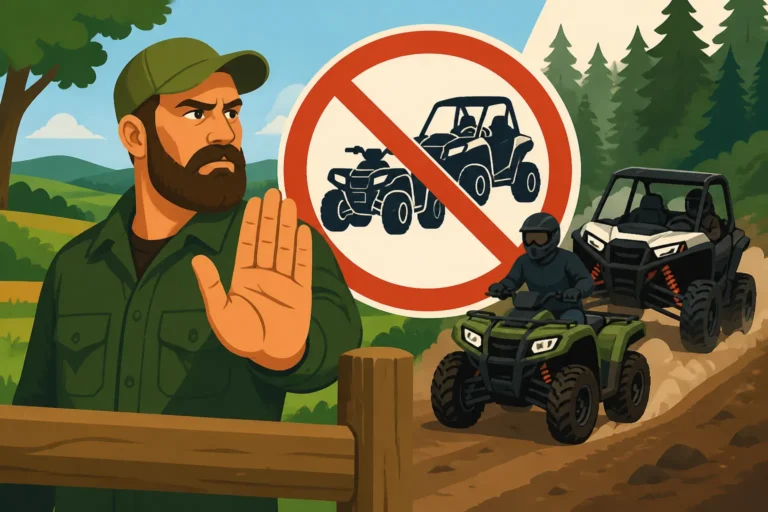
Vermont landowner trail permission changes due to noise, property damage, and conflicts with active farming or forestry work.
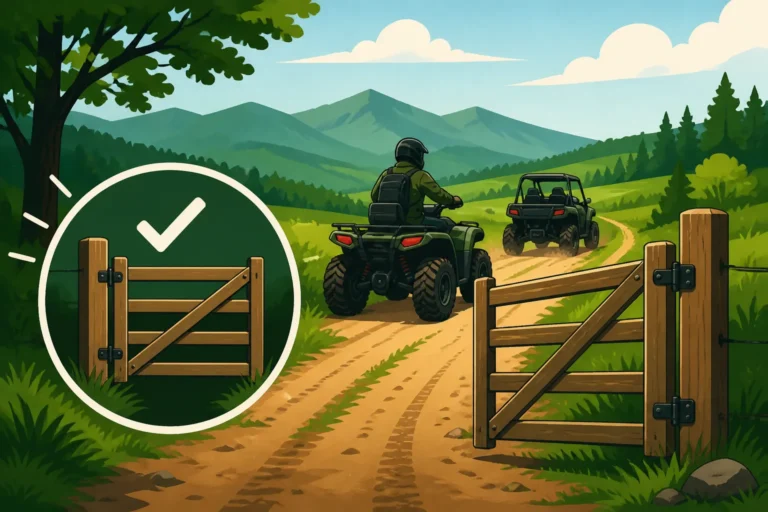
Vermont ATV trail gate etiquette rules explain how riders must leave gates as found to protect private property access.

Marked ATV corridors crossing Vermont farms require checking authorized routes, respecting livestock, and handling seasonal closures properly.

Vermont logging road trails require riders to confirm open access, check trail signs, and navigate changing terrain safely.

Vermont rail-bed trails require checking authorized ATV access, local club maps, and route status before riding.

ATV trail riding near the Vermont and Quebec border requires checking access rules, club updates, and required trail decals.

The Northeast Kingdom attracts ATV riders with rural Vermont back roads, wooded hills, towns, and private land trails.