Brushing a Corridor in Spring
Spring brushing can make a Vermont ATV corridor safer and easier to follow, but cutting the wrong branch—or heading in before the ground is ready—can create more work for a club and damage a trail. This guide explains how to plan a spring brushing day, choose practical tools, work responsibly around private land, and leave the corridor in better shape for the riding season.
Plan a Vermont corridor brushing day
Coordinate with the club and landowner first
A corridor may look like a simple path through the woods, but it can cross private property, connect to other trails, or follow a route maintained by a local club. Before anyone cuts or removes vegetation, contact the club responsible for that section and confirm who has authority to organize the work. If you do not know which club maintains the route, start with Finding the VASA Club That Maintains Your Local Trail. A landowner’s permission and the club’s direction matter more than a volunteer’s best guess about what needs trimming.
Ask the work lead to identify the exact section, the meeting place, and the day’s limits. “Brush the corridor” might mean clipping small growth along an established path, clearing sightlines near a junction, or removing branches that fell across the route. It does not automatically mean widening the trail, changing its course, cutting trees, or opening a closed section. When a landowner requests a particular boundary or asks that an area remain untouched, respect that direction.
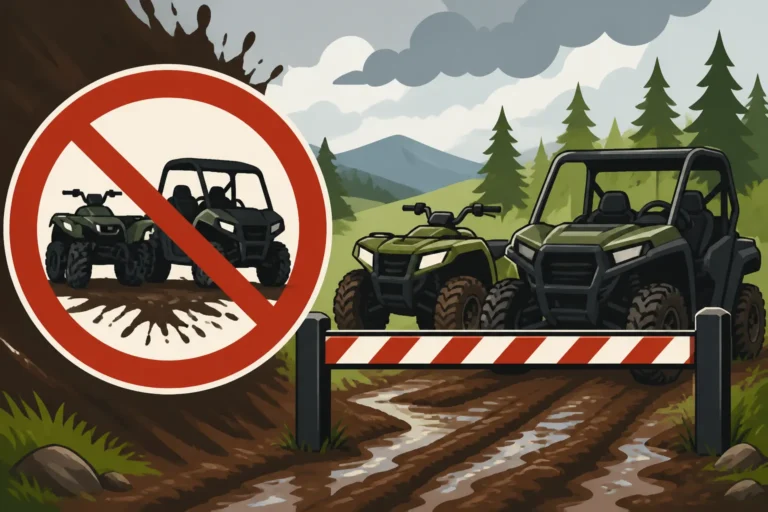
It is also worth asking whether the workday has been postponed because the ground is too wet. Vermont’s spring thaw can leave a trail soft even when the surface looks passable. Walking or driving over saturated ground can deepen ruts and harm the corridor, so consider Vermont Mud Season Closures before setting out. If the club says to wait, waiting is part of trail maintenance—not a failure to get the job done.
Walk the route before bringing out cutting tools
A careful walkthrough helps the crew distinguish routine brush from hazards that need special attention. Look for branches narrowing the established riding line, vegetation blocking signs, limbs hanging at head height, and brush obscuring an intersection. Note drainage problems and damaged structures too, but do not assume that brushing alone is the right fix. A washed-out culvert or unstable bridge may require a separate inspection and a more experienced crew.
Agree on the corridor boundary before work begins. Without a shared understanding, one volunteer may trim only the branches brushing a rider’s shoulders while another cuts well beyond the established edge. If you are unfamiliar with the route, follow the designated trail rather than creating a new path around wet spots or obstacles. Vermont Trail Etiquette on Private Land is a useful reminder that the corridor depends on careful behavior as well as physical maintenance.
A map can help the group keep track of the planned section, particularly when a corridor has several junctions or the crew is arriving from different directions. A tool such as onX Offroad can be useful for viewing a route and marking a meeting point or a spot that needs follow-up. Treat any mapping app as a navigation aid, not proof that a route is open or that you have permission to work there. Confirm the route and access with the club or work lead.
Choose tools and work within your limits
Match the tool to the growth
For light work, hand pruners and loppers can be easier to control than powered equipment. They are useful for small branches and flexible growth that intrudes into the established corridor. A folding saw may help with a branch that is too large for loppers, but the work lead should decide whether it is appropriate for the job. Larger limbs, leaning trees, and anything under tension can behave unpredictably; leave those hazards to people equipped and trained to handle them.
| Job | Practical approach | When to pause and ask |
|---|---|---|
| Small shoots or flexible growth | Use hand pruners where the club permits | If trimming would change the corridor boundary |
| Larger branches within an approved work area | Use loppers or an appropriate hand saw | If the branch is overhead, under tension, or unstable |
| Tree across the trail | Mark the location and notify the work lead | Before cutting, moving, or operating equipment |
| Brush hiding a sign or junction | Carefully clear only what is approved | If the sign itself is damaged or its location seems wrong |
| Wet or soft trail edge | Keep people and machines off the vulnerable area | If work would require driving across it |
Wear sturdy footwear, gloves, eye protection, and clothing that covers your arms and legs. Branches can spring back, thorny plants can catch exposed skin, and cut ends can be sharp. Bring water, a charged phone, and any additional protective gear the club requires. If powered tools are part of the plan, ask who is authorized to operate them and what safety procedures apply; do not bring unfamiliar equipment and assume it is suitable.
Avoid making the task harder by bringing every tool you own. A small crew can often do careful light trimming more effectively than a larger group with equipment that has not been coordinated. Ask the lead what is needed, and leave specialized cutting to qualified people. If a branch is too large, tangled, or unsafe to remove confidently, report it rather than improvising.
Brush for clear passage without widening the trail
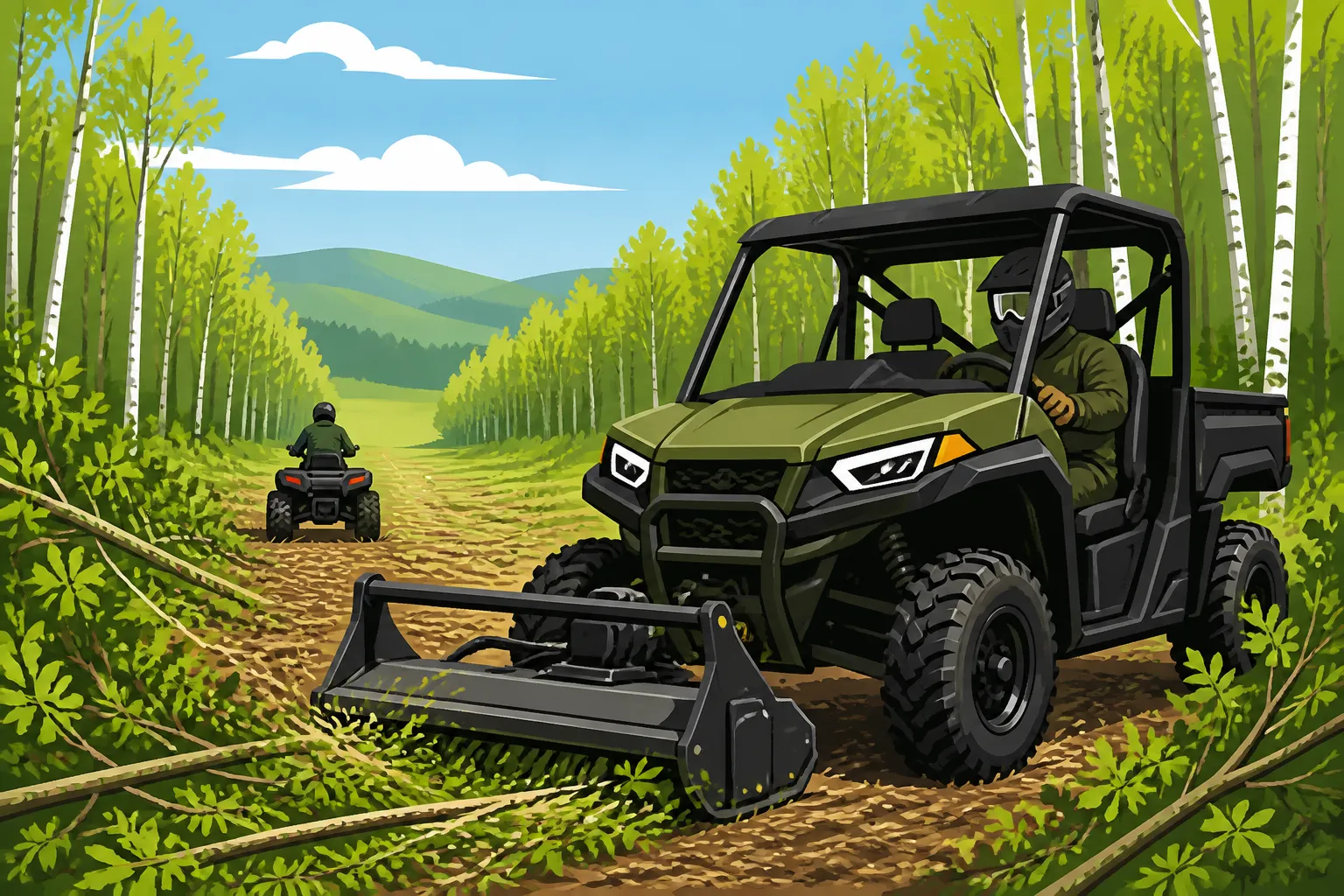
The goal is to restore safe, visible passage along the approved corridor—not to make the route as wide as possible. Work in small sections, cutting only the growth identified by the lead. Keep attention on rider sightlines at bends and junctions, and avoid removing vegetation simply because it makes the path look neater. Unnecessary cutting can affect the landowner’s property and change how the corridor drains or holds soil.
Do not throw cut branches into a wet area, stream, ditch, or neighboring property. Ask the work lead where material should go and whether it should be moved, stacked, or left in a designated spot. In some locations, dragging debris across the trail edge can damage soft ground or spread the mess farther than the original obstruction. A few minutes spent agreeing on where brush belongs can prevent a second cleanup later.
Keep a clear distance from other volunteers while they are cutting. Establish a simple way to communicate—such as stopping work before anyone crosses into another person’s section—and make sure everyone knows where the crew is working. Children and inexperienced helpers should not be assigned cutting tasks without appropriate supervision. If the day includes trail riding as well as maintenance, separate the two activities clearly so riders do not enter an active work area unexpectedly.
Protect the corridor during spring conditions
Keep machines off soft ground
Spring is a tempting time to get back outside, but a corridor can be vulnerable long after snow has disappeared. Before traveling to the site, check with the club about access and closures. Do not ride around a muddy patch or blocked section by creating a bypass; that can widen the disturbed area and may take riders onto land outside the approved route. Why a Landowner Can Close a Trail Overnight explains why access can change, even on a corridor that was available before.
Whenever possible, park in a location approved by the club and walk in with hand tools. If a machine is needed to reach the work area, use only the access route the work lead has approved and avoid driving over soft shoulders, drainage features, or wet sections. Do not assume that an existing track is safe to use just because it is visible. A trail can look firm at the entrance and become saturated farther along.
A phone map can help you record where the crew encountered standing water, a fallen limb, or a damaged sign. If you use onX Offroad to mark a location, share the information with the club rather than treating the pin as a public route update. The club can decide whether the hazard calls for a closure, a repair, or another inspection. Keep notes factual: describe what you saw and where, without implying that the corridor is open or safe for riding.
Report problems that brushing cannot solve
Brushing is not a substitute for trail repair. Deep ruts, erosion, exposed roots, unstable banks, damaged signs, blocked drainage, or a compromised bridge may need a different crew and a separate plan. Photographing a problem from a safe place can help the work lead assess it, but do not climb onto damaged structures or move heavy debris to get a better picture. The safety of the volunteers comes first.
If you find a section that appears to need rerouting, do not create an alternate path on your own. A change can affect landowner permission, club maps, signs, and how riders use the corridor. Report the concern and let the responsible people evaluate it. For more on keeping your work within the existing route, see Staying on the Marked Corridor and Vermont Trail Closures Landowners Request.
You can also make a simple note of where the crew stopped and what remains unfinished. A marked endpoint, a short description, and a clear report to the club are more useful than vague instructions such as “some brush farther up the trail.” When the work lead confirms the day’s section is complete, clear tools and debris from the riding line, collect any waste, and make sure no volunteer has been left behind.
Make the workday useful for the whole season
Finish with a quick walk-through
Before leaving, walk the section with the lead and check that the trail remains within its established corridor. Confirm that signs and junctions are visible, no tools or loose cuttings remain in the riding line, and the crew has not left a confusing half-cleared section. A final check can catch a branch that was clipped but left hanging, or a pile of brush placed where riders will encounter it.
Record follow-up needs while they are easy to locate. Note the nearest junction, landmark, or marked feature, and send the information to the club’s designated contact. If you took photos, share them only with enough context to identify the location and issue. An onX Offroad waypoint may help your group return to the same spot, but the club’s current instructions should remain the authority for access and maintenance.
It can help to keep the workday modest. A short, well-finished section is often more valuable than a long stretch left with loose debris, uncertain boundaries, or unfinished hazards. If the crew runs out of time, stop at a clear endpoint and arrange another workday rather than rushing through a risky task.
Help protect access after the crew leaves
Good corridor maintenance includes the choices volunteers make after cutting stops. Keep the route clean, stay on marked paths, and avoid posting or sharing location details in a way that could make a restricted section seem open to everyone. A maintenance day does not grant riders broader access than the club and landowner have authorized.
If you are new to organized trail work, ask the club about its next volunteer day and what tasks are suitable for a first-time helper. Some people are most comfortable spotting hazards, carrying hand tools, documenting issues, or helping at the meeting point. Others may have relevant experience with trail work or equipment. Let the work lead match the task to the person rather than assuming every volunteer should be cutting.
Spring brushing is most successful when it is careful, coordinated, and restrained. Confirm permission, wait for suitable ground conditions, work only within the approved corridor, and report hazards that require more than trimming. Those habits help make the route easier to follow while protecting the landowner relationships that keep Vermont’s trail network possible. For more context on volunteer upkeep, see Vermont Club Volunteer Work Days and Vermont Landowner Permission Holds the System Together.
Disclaimer
This article is for general informational purposes only and does not constitute professional advice. Laws, prices and regulations vary by location and change over time. Consult a qualified professional for guidance on your specific situation.