Vermont Club Volunteer Work Days
A trail that looks ready for riding can still need brushing, drainage work, sign repairs, or a reroute before it is safe to use. Vermont ATV volunteers help maintain corridors that often cross private land, but a work day takes more than showing up with a saw. This guide explains how to find a suitable project, prepare, work safely, and leave the trail in good shape.
What Vermont ATV volunteer work days involve
The work behind a rideable trail
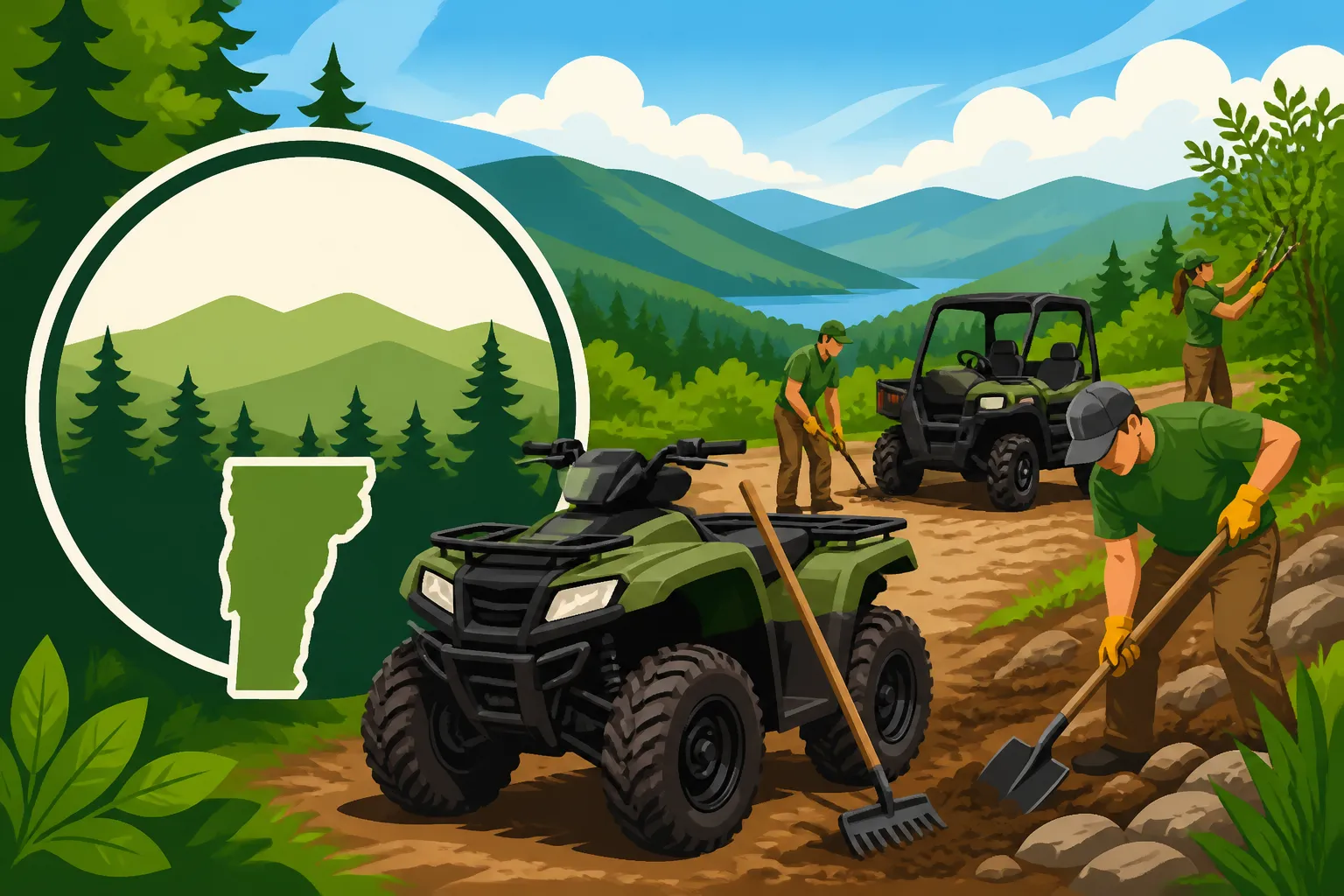
A volunteer work day may involve clearing small branches, trimming brush away from a corridor, refreshing signs, checking a bridge or culvert, or helping direct water away from a trail surface. The exact tasks depend on the site and the club’s priorities. Some days are hands-on; others focus on walking a route, identifying damage, or hauling supplies to a work location.
Trail maintenance is not simply about making a route wider or easier. A good corridor needs to remain clearly marked, drain properly, and stay within the permission granted by the landowner. A shortcut cut around a muddy spot, for example, can damage vegetation and create a wider area of erosion. That is one reason clubs often ask volunteers to work only where a project leader has approved the task.
Vermont’s trail network relies on cooperation among riders, clubs, and landowners. A route may cross private property, timber land, farmland, or a town road, and each setting can bring different concerns. Understanding [Vermont Landowner Permission Holds the System Together] helps explain why even a small maintenance decision should be coordinated rather than improvised.
Who organizes the work
Local ATV clubs are often the best place to ask about volunteer opportunities. Their members may know which corridors need attention, what permission is in place, and whether a task requires particular tools or experience. Clubs also help maintain the signs and trail connections riders depend on. For a broader picture of club responsibilities, see [Vermont ATV Clubs and What They Maintain].
Vermont’s network is not one continuous trail system with a single maintenance crew. A project in the Northeast Kingdom may be organized differently from work in central Vermont, and a local club may manage only certain corridors or sections. If you are unsure where to start, look for the club responsible for the area you want to help with. [Finding the VASA Club That Maintains Your Local Trail] is a useful next step when you need to identify the right local contact.
Do not assume that a trail is open for riding just because volunteers are working nearby. Work may be taking place on a closed section, a route not open to the public, or a corridor where permission has changed. Ask the organizer where to meet, what area the crew will be working in, and whether riding access is permitted that day.
Finding a project and choosing the right role
Contact the local club before heading out
A club’s current notices, website, social pages, or direct messages to its officers can point you toward upcoming projects. If you do not see a public announcement, contact the club and ask whether it has a work list or volunteer coordinator. Be specific about your availability and experience. “I can help for a morning and have work gloves” is more useful than a general offer to help sometime.
The organizer can tell you whether the day is suitable for a first-time volunteer, whether children can attend, and whether there is a task that does not involve powered equipment. A person who is comfortable walking a route, carrying signs, or moving light brush can still contribute meaningfully. You do not need to own an ATV or arrive with a trailer full of tools to be helpful.
Before leaving home, confirm the meeting location, expected finish time, parking arrangements, and whether food or water is provided. Remote trailheads can be confusing, and a map pin may not lead to a legal or practical parking area. If the organizer gives directions that differ from a mapping app, follow the organizer’s instructions.
Match the task to your skills and equipment
Volunteer work can range from light cleanup to tasks that require training, specialized tools, or a crew lead. Be honest about what you can safely do. If you have experience with hand tools, chainsaws, first aid, trail building, or equipment operation, mention it, but let the organizer decide whether that experience fits the project. Familiarity with a tool does not automatically mean it is appropriate to use on that site.
When you are new, ask for a clear assignment and a person to check in with. A simple task such as carrying materials or collecting small debris can help you learn how the group works before you take on more complicated maintenance. If you feel uncertain about a cut, a drainage change, or a route boundary, stop and ask rather than guessing. A quick question can prevent damage that takes much longer to repair.
Some volunteers can also help before or after the work day. They may organize supplies, check sign inventory, record a damaged culvert, or share trail-condition information with the club. Mapping tools such as onX Offroad can help a volunteer understand an area or review a planned route, but a map should not replace the club’s current directions, permission details, or on-site judgment.
Preparing for a safe and useful work day
Clothing, food, and personal gear
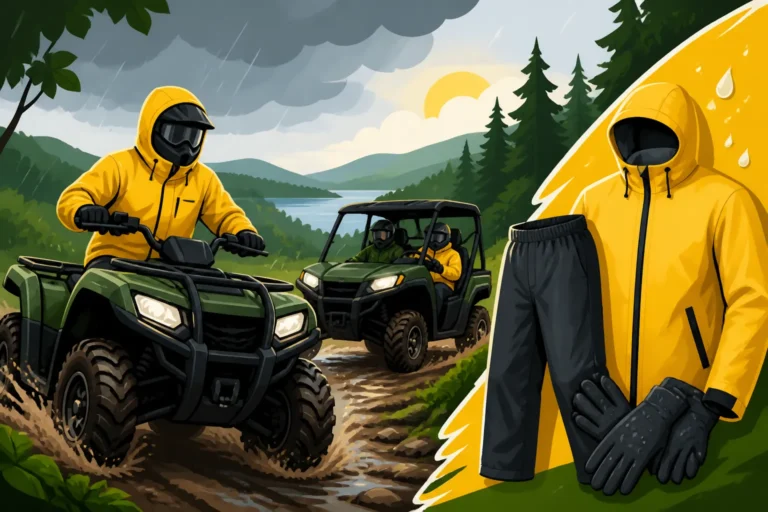
Dress for the terrain and the weather, not just the forecast at home. A trail in the hills can feel cooler, wetter, or more exposed than a nearby town. Sturdy footwear with good traction, long pants, gloves, and layers are sensible basics. Bring rain protection if conditions may change, and pack enough drinking water and food for the full time you expect to be out.
Ticks, insects, mud, and brush are part of outdoor work in Vermont. Clothing that covers your legs and arms can reduce direct contact with vegetation, while appropriate insect protection may make the day more comfortable. Afterward, check clothing and skin for ticks and clean cuts or scrapes promptly. A volunteer day may not feel strenuous at the start, so take breaks before you are exhausted, especially when carrying materials over uneven ground.
Ask the organizer what personal protective equipment is required. Eye protection, hearing protection, a helmet, or other gear may be necessary for certain tasks, but requirements depend on the work. Do not assume that ordinary sunglasses or work gloves are enough for powered equipment. If you are not properly equipped for an assignment, ask for another task rather than borrowing unsuitable gear or proceeding without protection.
Tools, transportation, and communication
Do not bring powered equipment unless the project lead has requested it and confirmed that you are qualified to use it. A tool that is useful at home may be unsafe or inappropriate in a public trail corridor. The organizer may need to coordinate equipment, permissions, and work zones, and extra machinery can create congestion or hazards.
For basic volunteer work, a small personal kit might include water, snacks, gloves, a charged phone, and any clothing or protective items the organizer has requested. Leave room in your vehicle for shared supplies if you are asked to help transport them. Confirm where to park and whether the access road is suitable for your vehicle; a narrow or soft trail approach can make an otherwise simple arrival difficult.
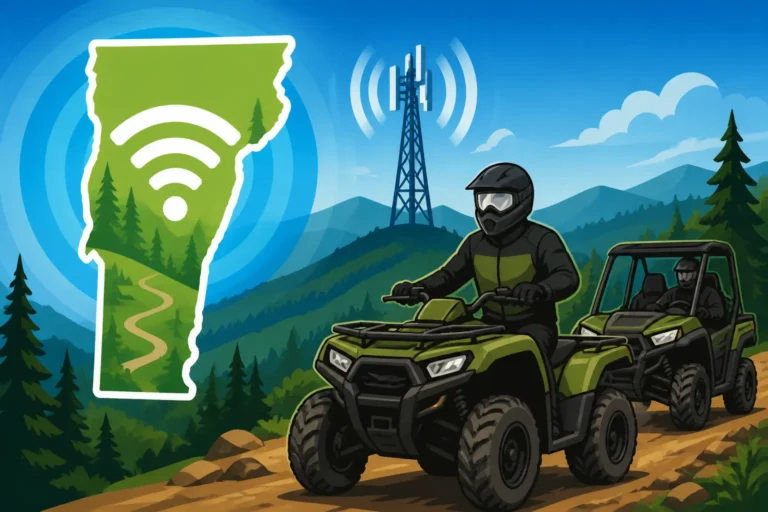
Cell coverage may be limited in some Vermont riding areas. Before setting out, make sure you know the meeting point and have the organizer’s contact details saved. If you use onX Offroad or another mapping app, download or prepare the information you need before entering an area with weak service. Treat the app as a navigation aid, not as confirmation that a route is open or that you are allowed to enter a property.
| Before the work day | What to confirm |
|---|---|
| Project details | Task, meeting time, location, and expected finish |
| Permission and access | Whether the site is authorized for the work and how to reach it |
| Equipment | Which tools and protective gear are required or supplied |
| Transportation | Parking location, vehicle access, and carpool options |
| Weather and conditions | What to wear and whether the plan may change |
| Communication | Organizer’s contact details and any check-in instructions |
Working responsibly on the trail
Follow the crew lead and stay within the assignment
At the start of the day, listen to the safety briefing and ask questions before the crew spreads out. Make sure you understand the work area, how to communicate with the lead, and what to do if you find a hazard or encounter a rider. If the group divides into smaller teams, know who is responsible for each team and where to regroup.
Stay within the approved work area. A route may appear to need clearing beyond the section assigned, but extending a corridor can affect a landowner’s property, a wet area, or a protected feature. If a tree blocks a route or a sign seems misplaced, report it rather than changing it on your own. The crew lead can decide whether the issue is within the project scope or needs a separate conversation with the club or landowner.
Keep tools and materials organized, and communicate before moving anything large or starting equipment. Other volunteers may be working nearby, and a branch or tool can move unexpectedly. If riders, hikers, or landowners approach, pause work when needed and follow the lead’s instructions. Calm communication helps prevent a maintenance day from becoming a conflict on a shared route.
Protect private land and the trail surface
A volunteer crew is a guest on the property where it works. Close gates as instructed, avoid damaging fences or crops, and do not leave litter, fuel containers, or discarded materials behind. If you see a landowner, a brief, respectful greeting can be welcome, but let the project lead handle questions about access, route changes, or permissions.
Water management is especially important. Moving soil or cutting a drainage channel in the wrong place can send runoff onto a trail, neighboring property, or a wetland. Do not create a bypass around a muddy section unless the club has approved the work. Muddy areas may need to stay closed until conditions improve, and extra traffic can deepen ruts. See [Vermont Mud Season Closures] for context on why seasonal closures matter.
The same care applies to signs and markers. Do not move, remove, or add a sign simply because it seems more convenient for riders. Markings communicate where a corridor goes, and an unauthorized change can send people onto land where they do not have permission to ride. For day-to-day rider behavior that supports these relationships, [Vermont Trail Etiquette on Private Land] is worth reviewing.
After the work day and staying involved
Report what you completed and what still needs attention
Before leaving, check in with the crew lead. Let them know which tasks you finished and flag anything that remains incomplete, such as a loose sign, a damaged bridge approach, or a section that needs another visit. A clear handoff helps the club track progress and avoid sending another crew to repeat work that has already been done.
If the work involved a route inspection, useful notes are specific and factual. For example, describe the approximate location of a washed-out culvert or a fallen tree, rather than writing only that “the trail is bad.” Photos can help, but do not post private-property details or sensitive location information publicly without the club’s direction. Send observations through the channel the organizer prefers.
Before planning your own ride, check the club’s latest information about trail status. A repaired section does not necessarily mean the whole route is open, and work days can reveal problems that require a closure or reroute. [Vermont Trail Conditions Before You Tow] and [Vermont ATV Trail Map Downloads] can help with planning, but verify details with the responsible club when access is uncertain.
Keep showing up in a way that works for you
Volunteering does not have to mean committing every weekend or taking on a specialized role. One work day, a few hours of help, or occasional assistance with signs and supplies can make a difference. If you have limited mobility or cannot do heavy work, ask whether the club needs help with planning, communications, event support, or organizing materials.
After your first day, think about what went well and what you would change next time. Perhaps you needed better rain gear, more water, or a clearer idea of where to park. Share practical feedback with the organizer, especially if instructions were confusing or a safety concern came up. Constructive feedback helps the next volunteer arrive better prepared.
You can also help protect the results by riding only where access is allowed and staying on the marked corridor. Do not use a new cut, a work access road, or an unmarked path as a shortcut. When a landowner or club requests a closure, respect it rather than trying to find a way around it. [Why a Landowner Can Close a Trail Overnight] explains why access can change even after a route has been available.
A volunteer day is a practical way to support the places you enjoy riding. Start with the local club, show up prepared, follow the crew lead, and ask before making changes. If you use onX Offroad to orient yourself, compare what you see with the organizer’s directions and current trail information. The most useful contribution is not the biggest one; it is careful work that respects the corridor, the landowner, and the people who will ride there afterward.
Disclaimer
This article is for general informational purposes only and does not constitute professional advice. Laws, prices and regulations vary by location and change over time. Consult a qualified professional for guidance on your specific situation.