Bridge Weight Limits on a Club Trail
A bridge on a Vermont ATV club trail can look sturdy and still have a weight limit that your machine, passengers, and gear exceed. The hard part is knowing what the sign applies to—and what to do when the limit is unclear. This guide explains how to assess a posted restriction, find reliable trail information, and avoid risking a bridge, your ride, or future trail access.
What a bridge weight limit means for ATV and UTV riders
Treat the posted limit as a real restriction
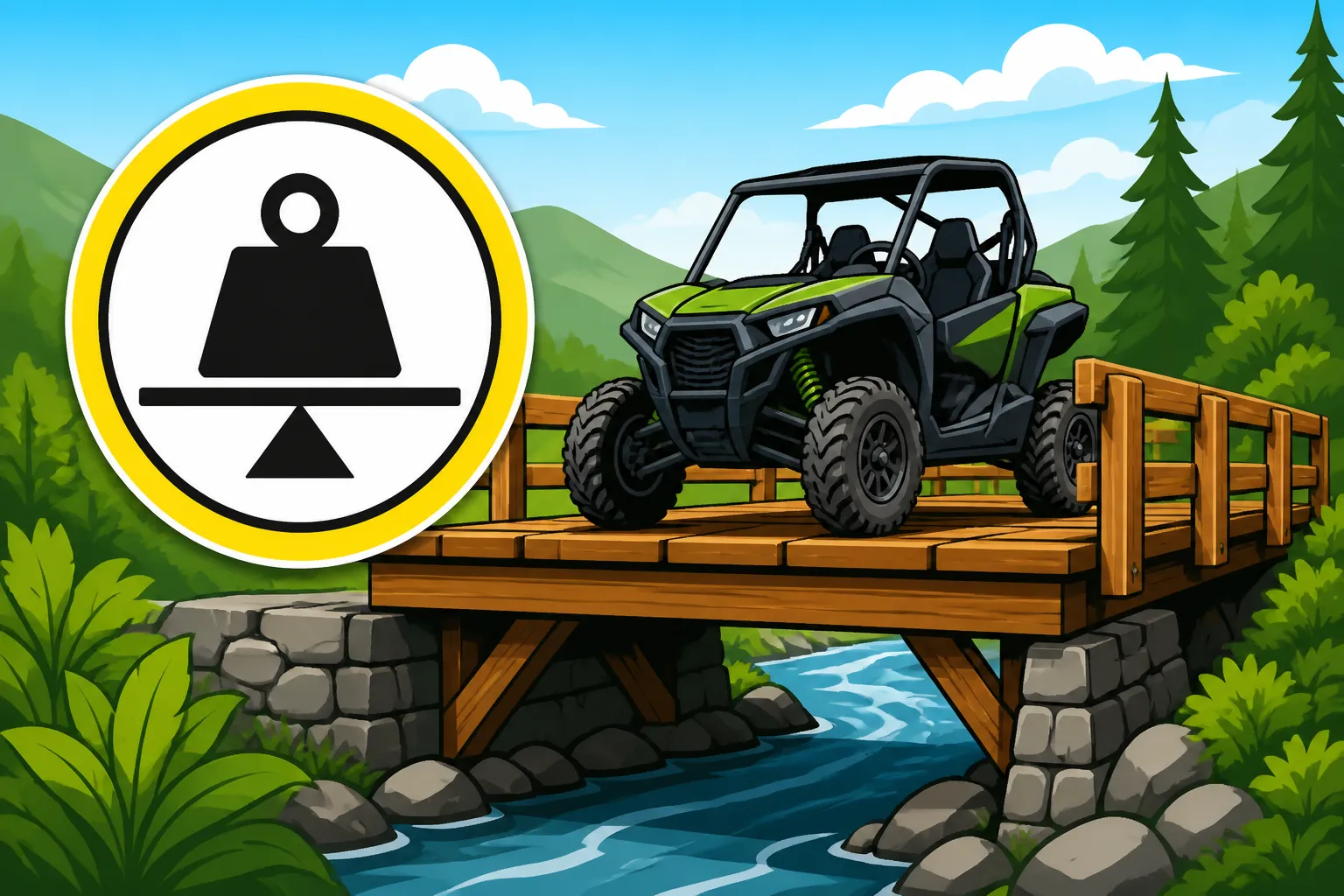
A bridge weight sign is there to protect the structure, not to suggest a preferred vehicle size. If your machine’s weight is above the posted limit, don’t cross. If you can’t tell whether your loaded machine is within the limit, don’t guess and hope the bridge can take it.
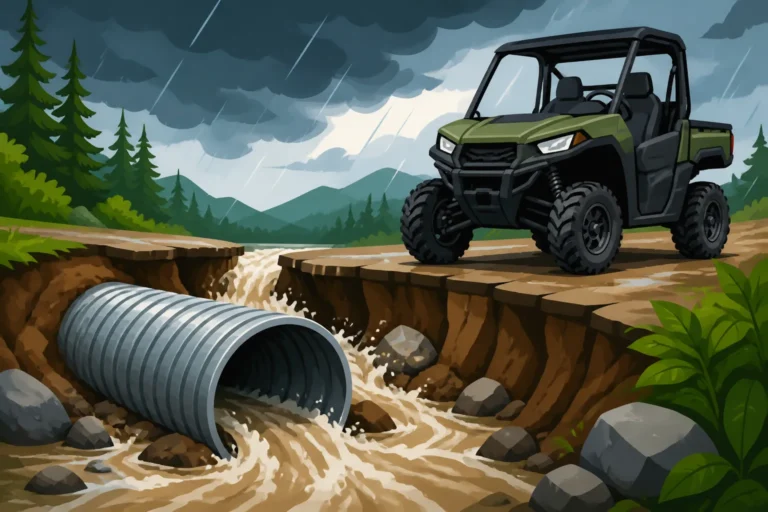
It may not be obvious from the trail whether a bridge is suitable for your ATV or UTV. A deck can look solid while its supports or underlying structure are weakened, and a bridge that handled another rider’s machine may not be rated for yours. Conditions can also change after heavy rain, flooding, or damage.
The limit may not tell you exactly how to calculate your machine’s weight. Depending on the sign and the information available, it might not be clear whether the figure refers to a vehicle alone, a loaded vehicle, or another measure. When the wording is ambiguous, don’t treat the most convenient interpretation as permission to cross. Ask the club responsible for the trail or take another authorized route.
Count the machine and what it is carrying
A machine’s listed weight may not reflect the full load you bring onto a bridge. Passengers, fuel, tools, a cooler, recovery equipment, and other cargo all add weight. With a UTV, the difference between the vehicle’s listed weight and its weight carrying several people and gear can be especially important.
For example, imagine a rider whose side-by-side appears to be under a posted limit when empty. The machine has two passengers, a full tank, and equipment in the cargo bed. Unless the rider knows how the bridge limit is defined and can establish that the loaded vehicle complies, crossing would be a guess—not a safe decision.
Check the manufacturer’s specifications for the machine, but don’t assume a published dry or base weight is the same as its weight ready to ride. If you need to compare figures, learn what each figure includes. Dry Weight Versus Curb Weight covers why those terms matter; for a bridge decision, the important point is not to compare unlike numbers.
How to check a bridge restriction before your ride
Review current information from the trail club
Before leaving home, check information from the club that maintains the corridor. Vermont ATV trails may use private land, and access depends on landowner permission and trail arrangements that can change. A bridge may have a specific restriction even when the connecting trail is open. Vermont Landowner Permission Holds the System Together explains why access conditions deserve attention, while Vermont Trail Conditions Before You Tow can help you think through checks to make before heading out.
Look for notices about bridge limits, closures, detours, damaged structures, or seasonal changes. If a club map or notice marks a bridge restriction, plan your route around it rather than assuming a nearby trail will provide a usable alternative. If the information is unclear, contact the maintaining club before your ride.
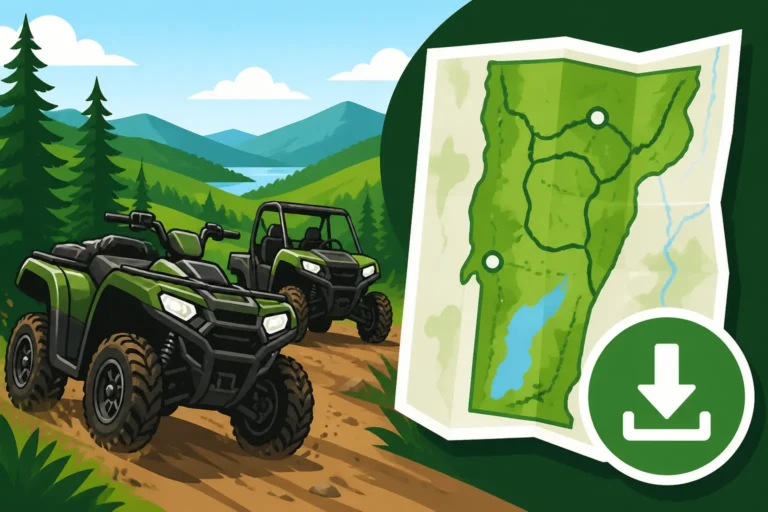
A mapping app can help you prepare, but it shouldn’t be your only source for bridge status. onX Offroad may help you review a planned route and keep track of your position, but an app map does not establish that a bridge is open or that your machine meets its posted limit. Check club information as well, and obey signs you encounter on the trail. Vermont ATV Trail Map Downloads offers more context on locating trail maps.
Understand what signs and maps can—and cannot—tell you
A map can show a corridor, junction, or route option without answering whether a particular bridge is safe for your machine today. A sign at the bridge may provide the most specific instruction for that crossing. Read it before approaching the structure, and look for additional posted directions nearby.
If the sign is missing, damaged, difficult to read, or inconsistent with information you checked earlier, don’t assume the restriction has expired. Stop well before the bridge where you can do so safely, keep the trail clear if possible, and contact the club or appropriate trail contact for guidance. Vermont Trail Signs and What They Mean is useful background for reading trail markings, but uncertainty about a weight limit still calls for confirmation.
A second mapping source can help with orientation, but it cannot replace local confirmation. onX Offroad can be useful for checking where you are in relation to a planned route; it should not be used to justify crossing a bridge when a posted limit or closure raises a question. Likewise, an old screenshot or a map saved before a trail update may not reflect recent changes.
| What you find | What to do |
|---|---|
| A clear posted limit and your loaded machine exceeds it | Do not cross; find an authorized alternative or turn back |
| A limit is posted but you cannot determine whether your machine complies | Do not guess; contact the maintaining club |
| A sign is missing, damaged, or unreadable | Stop before the bridge and seek current guidance |
| A closure or detour is posted | Follow the notice; do not bypass the closure |
| A map shows the route but says nothing about the bridge | Check current club information and on-site signs |
What to do when your machine may exceed the limit
Stop early and avoid a last-minute maneuver
If you see a weight-limit sign and aren’t sure you comply, stop before reaching the bridge. Choose a safe place that leaves room for other trail users, and don’t block the approach while you look up information. If the route is too narrow for a safe turnaround, take extra care and follow a practical, authorized way to get back without entering the restricted crossing.
Do not ride onto the bridge to test how it feels, and don’t send one person across first as a trial. That approach risks damage or injury and gives you no reliable assurance that the bridge will safely support the full machine and its load.
If you’re riding in a group, explain the issue before anyone else lines up to cross. A UTV may carry passengers who don’t see the sign, and an ATV group can quickly create pressure to keep moving. It’s better to pause together, confirm the restriction, and agree on a safe plan than to let the first rider’s decision dictate what everyone else does.
Never bypass the restriction to get around the bridge
Avoid riding around the bridge over a bank, through a stream, across private property, or along an unmarked strip of land. A detour that looks harmless can damage soil and vegetation, disturb a water crossing, or take you outside the authorized corridor. It can also create conflict with a landowner and put continued access at risk. Staying on the Marked Corridor and Vermont Trail Etiquette on Private Land offer useful reminders about keeping to the route you’re allowed to use.
A nearby road or trail is not automatically an approved detour. Check that it is open to your machine and that you are permitted to use it. If no confirmed alternative exists, turning back may be inconvenient, especially after towing a long distance to the trailhead, but it is safer than improvising a crossing.
Report the problem to the club through its usual contact channel. Include the trail or corridor name, the nearest junction or landmark, what the sign says, and whether the bridge appears damaged. A clear report helps the club assess the situation without asking the next rider to make the same uncertain decision.
Plan a safer Vermont ride around bridge limits
Check the whole route, not just the trailhead
Bridge restrictions matter most when they appear well into a ride, after you’ve already committed to a long route. Before setting out, review the trail information available from the relevant club, check for closures and detours, and identify places where you could turn back or choose a different authorized route. Vermont Trail Closures After a Storm is worth reviewing when weather or water conditions may have affected trail infrastructure.
For a group ride, ask in advance about the largest and heaviest machines in the group, whether anyone will carry passengers, and how much cargo the machines will have. This doesn’t mean every rider needs to weigh a vehicle at the trailhead. It means noticing when a machine’s load could make a posted limit a concern—and resolving that question before the group reaches a narrow bridge.
Keep the group’s route flexible. A planned destination is not a reason to ignore a restriction. If a bridge is closed or the limit is uncertain, be willing to shorten the ride or return by a route the club confirms is open. Share the change with the group so nobody splits off and tries an unverified shortcut.
Carry useful information and follow trail directions
Bring enough information to identify the club, corridor, and location if you need help. A phone with downloaded maps can help you orient yourself where reception is limited, but don’t rely on it as proof that a bridge is passable. onX Offroad can support route planning and location awareness; pair it with current club guidance, on-site signs, and good judgment rather than treating any map as a safety clearance.
A prepared rider also knows what to do if a warden or other authorized person asks about the route or the machine. Follow directions, explain your concern calmly, and avoid moving past a restriction while you wait for an answer. What a Trail Warden Checks provides relevant context for trail encounters, and Vermont ATV Equipment Requirements covers broader equipment considerations for riders.
If you encounter a bridge that appears damaged, shifting, or unsafe, don’t cross simply because there is no sign. Stop at a safe distance, report what you observed, and let the club assess it. Signs and maps help, but they can’t guarantee that a structure remains in good condition after changing weather or heavy use.
Disclaimer
This article is for general informational purposes only and does not constitute professional advice. Laws, prices and regulations vary by location and change over time. Consult a qualified professional for guidance on your specific situation.