Vermont Trail Volunteer Days
A volunteer trail day can be a satisfying way to give back, but it is hard to know where to show up, what work is involved, or whether you need to bring tools. In Vermont, ATV trail access depends on maintained corridors and landowner cooperation. This guide explains how to find a work day, prepare safely, and help without damaging trails.
How Vermont ATV trail volunteer days work
Vermont’s ATV trail network depends on local clubs, volunteers, and permission to cross private land. A work day is usually organized around a particular corridor or maintenance need, rather than being an open invitation to ride wherever you like. The club coordinating the work can tell you where to meet, what jobs are planned, and whether the route will be open to machines that day.
If you are new to the area, start with Vermont ATV Clubs and What They Maintain. For a more local match, [Finding the VASA Club That Maintains Your Local Trail] can help you identify which club to contact. Confirm details with the club directly; a map or old event announcement may not reflect a current closure or work plan.
What volunteers may be asked to do
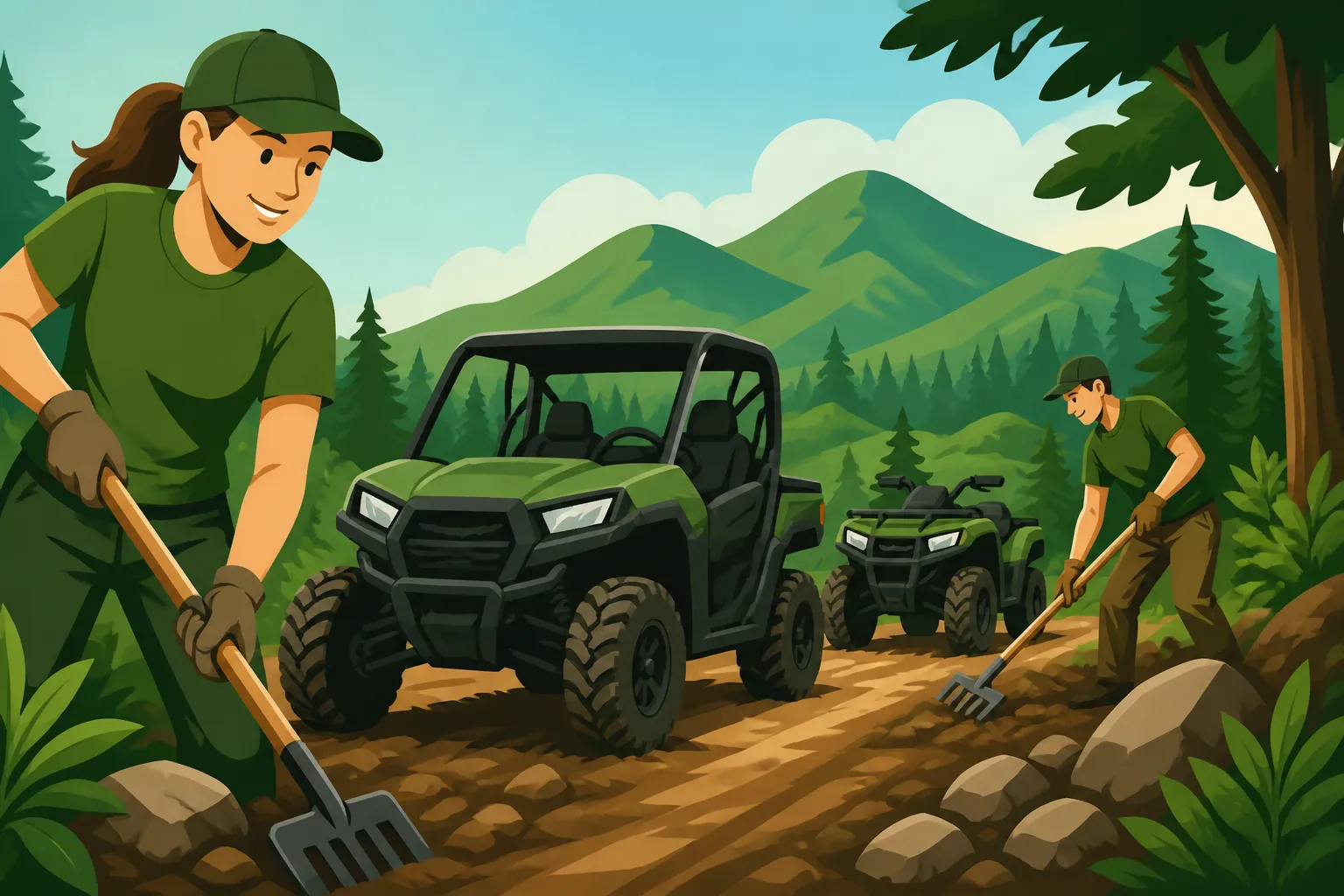
Trail maintenance can include clearing brush, picking up litter, refreshing signs, checking a bridge or culvert, or helping redirect riders around a damaged section. The actual work depends on the trail and its condition. A corridor near Island Pond may need different attention from a route in central Vermont, and a trail that looks fine from a machine may still have drainage or sign issues that need a closer look.
Some assignments are suitable for people who are comfortable walking uneven ground; others may involve using hand tools or moving materials. Do not assume a volunteer day means heavy construction, but do ask what the work entails. If you have a bad knee, limited mobility, or are bringing a teenager, the organizer can suggest a task that is a better fit. The club’s [Trail Work Weekends and What They Involve] gives you a sense of the kinds of jobs a work event may cover.
Why local club guidance matters
Vermont trails often cross land that belongs to private owners. Permission, marked routes, gates, and seasonal conditions all matter. A volunteer who cuts a new line, moves a sign, or rides onto an unapproved connector can create problems even with good intentions. Stick to the assignment you were given, and ask before changing anything.
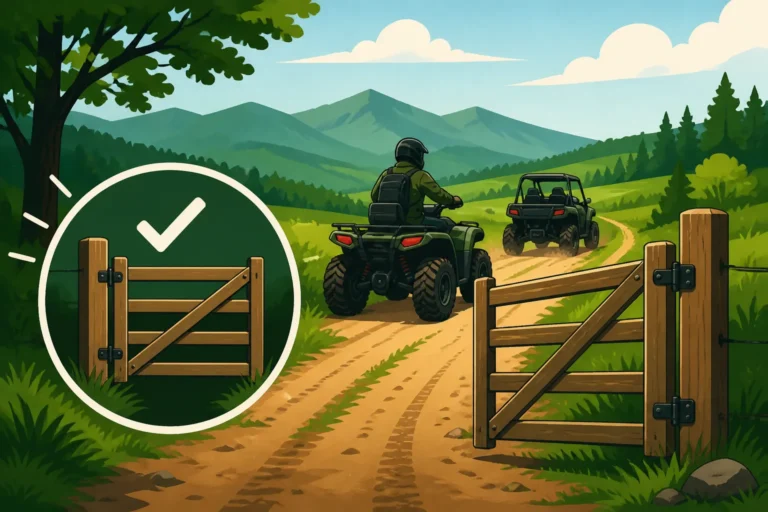
Respecting the land is part of maintaining access, not an extra courtesy. Leave gates as you found them, keep machines on marked corridors, and take care around farm fields, timber land, and homes. Vermont Trail Etiquette on Private Land is useful background if you have not ridden on Vermont’s club-managed corridors before.
Finding a work day and confirming the details
Volunteer days may be announced through a local ATV club, its member communications, or a community event listing. A club may ask you to contact an organizer before attending, especially if tools, safety equipment, or a head count need to be arranged. Do not just turn up at a trailhead and assume the crew is there; a plan can change because of weather, access permission, or a problem found elsewhere on the route.
The Vermont Club Volunteer Work Days and [Vermont Club Volunteer Requirements] pages are relevant places to start learning what participation may involve. Treat the club’s own instructions as the final word on meeting place, timing, equipment, and eligibility.
Questions to ask before you go
A short message can prevent a lot of confusion. Ask which club is organizing the day, where the crew is meeting, what time it expects to finish, and whether the work is walking-only or involves machines. Also ask whether you need to bring tools, gloves, eye protection, food, or water. If you have a vehicle or trailer, check where volunteers should park without blocking residents or other trail users.
It is worth asking whether children can attend and whether a parent or guardian must stay with them. The answer may depend on the job, tools, and site conditions. If you are new, say so. Organizers can often pair a first-time volunteer with someone who knows the corridor and can explain the work safely.
| Before you attend | What to confirm |
|---|---|
| Location | Exact meeting point and parking instructions |
| Work plan | Brush clearing, sign work, cleanup, or another task |
| Equipment | Tools and personal protective gear to bring |
| Riding | Whether machines are part of the work plan or not |
| Weather | Whether the event will proceed in rain or after storms |
| Participation | Age, supervision, accessibility, and other requirements |
Check trail conditions and access before traveling
A storm can wash out a culvert, leave a trail muddy, or prompt a landowner to request a temporary closure. Before you tow a machine across the state, check with the organizing club for the latest plan. Who to Call About Vermont Trail Conditions and Vermont Trail Closures Landowners Request can help you understand why a route may be unavailable even when it appears on a map.
Navigation apps can be helpful for getting oriented, but they are not permission to ride a route or proof that it is open. onX Offroad can help you plan and follow a route, while club communications should be your source for work-day directions and current access instructions. If you use onX Offroad, download what you need before heading into areas with weak cell service, and keep following posted signs and organizer guidance.
Preparing for a safe and useful day
A little preparation makes volunteer work easier for you and the people coordinating it. Wear clothes suited to brush, mud, and changing weather: sturdy footwear, long pants, layers, and gloves are sensible starting points. Eye protection is especially important when working near branches or when another volunteer is cutting or moving vegetation. Follow the organizer’s instructions about any additional protective equipment.
Bring water and food even if the event is expected to be short. Work can take longer than planned, and a remote corridor may not have a nearby shop or reliable cell signal. If you use medication, carry what you may need. Let someone know where you are going, especially if you will be outside mobile coverage.
Tools, machines, and protective gear
Do not bring powered equipment unless the organizer specifically asks for it and confirms that you are trained and authorized to use it. A chainsaw, for example, can make a small volunteer group more dangerous if there is no agreed work plan, trained operator, or safe work zone. Even with hand tools, follow directions about where to cut and where to pile brush; clearing too much can disturb drainage, habitat, or the trail’s intended boundary.
A machine is not automatically useful on a work day. Some tasks are easier or safer on foot, and riding a corridor while work is underway can put volunteers in each other’s way. If the plan does include machines, confirm which ones are appropriate, where to unload, and whether the route is open for that purpose. Use onX Offroad or another navigation aid as a backup for orientation, not as a substitute for the club’s route instructions.
Work carefully around mud, water, and structures
Vermont trail conditions can change quickly. Wet ground is vulnerable to rutting, and a well-meaning attempt to ride around a soft spot can widen the damaged area. Ask the crew leader how to approach muddy sections and whether a corridor should be left undisturbed. Do not move barriers or ride around a closure to reach the work site unless the organizer explicitly directs you to do so.
Bridges and culverts need particular care. Avoid moving rocks, logs, or other materials around a structure without instruction; the material may be part of a drainage or repair plan. If you spot a problem that is outside your assignment, report it to the crew leader rather than improvising a fix. That keeps work consistent and helps the club document what needs attention.
Being a good volunteer before, during, and after the event
A reliable volunteer is not necessarily the person with the most equipment. It is the person who follows the plan, communicates clearly, and respects the limits of the crew’s permission. Arrive at the agreed meeting point, check in with the organizer, and wait for instructions before heading down a corridor. If you need to leave early, let someone know so the group is not left wondering where you went.
Stay within the assigned area and do not invite friends to join without checking first. The organizer may need to manage access, safety, parking, or landowner communication. If you are unsure whether something should be moved, cut, or marked, pause and ask. That small moment of caution can prevent a bigger repair later.
After the work day
Before leaving, check out with the organizer and mention any unfinished task or hazard you noticed. If you borrowed tools, return them to the person responsible. Take your trash with you, including small items such as food wrappers and zip ties. If the crew has a cleanup routine, follow it rather than assuming someone else will handle the last few details.
A short thank-you or note to the club can also help. If you enjoyed the work, ask how to hear about future events or whether there are non-field tasks you can help with, such as sorting signs or sharing trail-condition reports. Not every contribution requires a full day outdoors. Some clubs can use help with planning, communications, event setup, or basic administrative work.
How to keep helping without causing access problems
Between work days, keep riding only on corridors that are open and marked for use. Report downed trees, damaged signs, or unsafe structures to the club instead of attempting repairs on your own. A location description, nearby sign number, or clear photo can make a report more useful. If onX Offroad is part of your trip planning, use it to help describe where you encountered an issue, then verify that the club has received the report.
Remember that volunteer maintenance and riding access are connected, but they are not the same thing. Helping clear a trail does not grant permission to ride it outside posted rules, and a volunteer work day does not necessarily mean the corridor is open afterward. Check the club’s updates before planning a ride. If you are unsure about etiquette on a route, revisit Vermont Trail Etiquette on Private Land and ask the local club.
Disclaimer
This article is for general informational purposes only and does not constitute professional advice. Laws, prices and regulations vary by location and change over time. Consult a qualified professional for guidance on your specific situation.