Insurance After a Vermont Trail Collision
Let's be real: hitting the Vermont trails on your ATV or UTV is all about freedom, adventure, and the pure joy of exploring our beautiful state. But sometimes, despite our best efforts, things can go wrong. A moment of misjudgment, an unexpected obstacle, or even another rider's mistake can lead to a collision. When that happens, the last thing you want is to be caught off guard, scrambling to understand how your insurance works. This guide is here to walk you through the essential steps and considerations for navigating insurance claims after an ATV or UTV incident on Vermont trails, helping you get back to what you love with minimal fuss.
The Immediate Aftermath: What to Do at the Scene of a Vermont Trail Collision
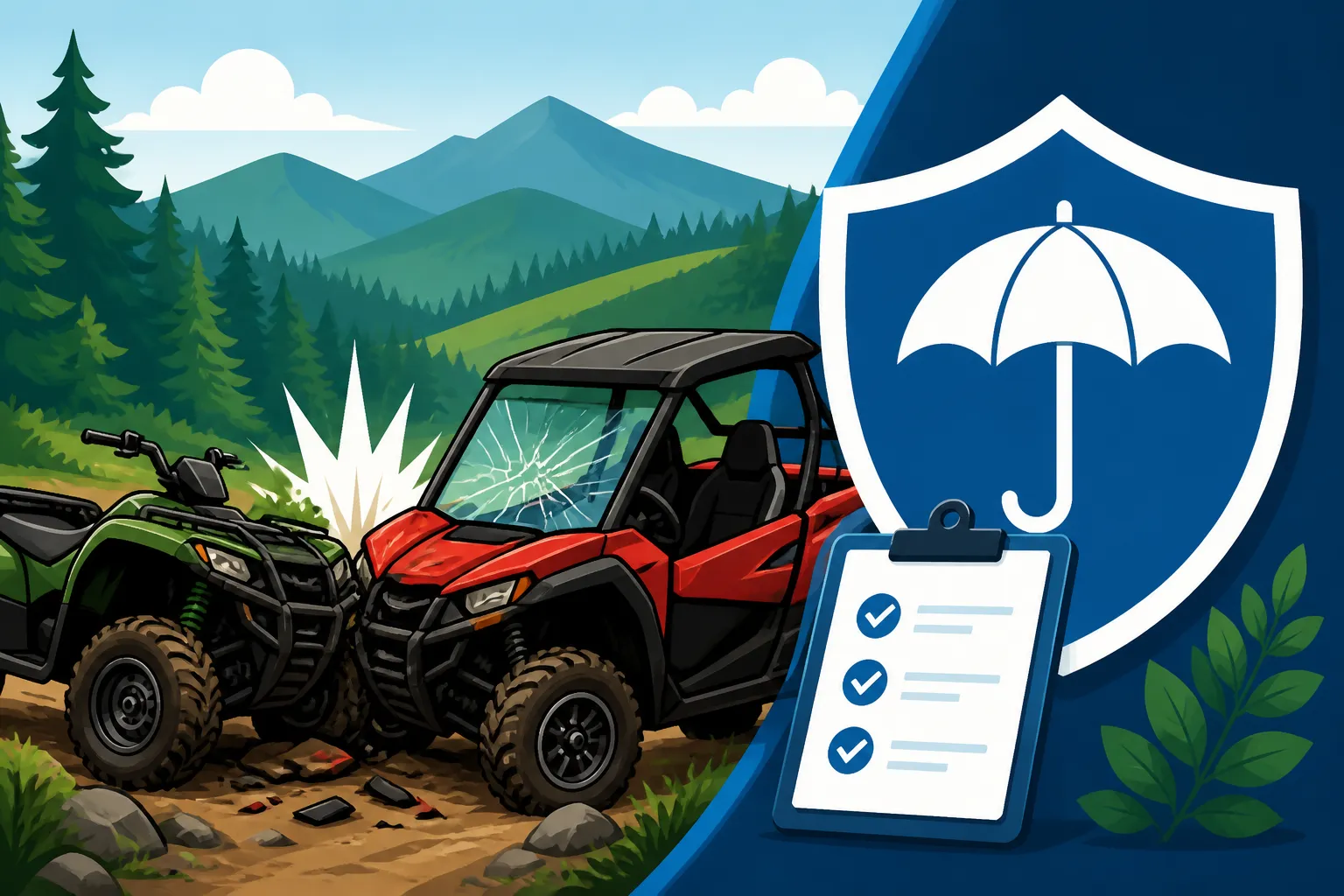
It's a moment no one wants to experience: the crunch, the jolt, the sudden stop. Your heart races, and instinct might tell you to just get out of there or quickly assess the damage to your machine. However, the steps you take immediately following a trail collision are absolutely critical, not just for safety, but also for any potential insurance claims down the line. Staying calm and methodical can save you a lot of headaches, and potentially a lot of money, later on.
Safety First: Securing the Scene and Checking for Injuries
Your top priority, always, is the safety of everyone involved. First, ensure that you and any passengers are okay. Check for injuries, even minor ones. Adrenaline can mask pain, so take a moment to do a full body scan. If anyone is injured, especially seriously, or if your machine is blocking a trail in a dangerous spot, you need to call for help immediately. This means dialing 911 for emergencies or contacting local law enforcement or the nearest VASA club official for less severe incidents that still require assistance. Moving your machine, if possible and safe to do so, to the side of the trail prevents further accidents and keeps the path clear for other riders or emergency responders. Don't worry about cosmetic damage at this point; human well-being comes first.
Once you've ensured everyone's immediate safety, take a deep breath. Assess the situation. Are there other machines involved? Are there any obvious hazards like leaking fluids or sharp debris? If you're physically able and it's safe to do so, turn off your machine and any others involved to prevent accidental starts or further damage. This initial focus on safety and quick assessment is paramount before you even think about insurance paperwork or repairs.
Gathering Information and Documenting the Incident
After safety is secured, the next crucial step is to gather as much information as possible. Think of yourself as an investigative reporter. If another party is involved, exchange contact information immediately: names, phone numbers, email addresses, and insurance details. Don't assume anything. Write everything down. Location details are also vital on the trail; try to pinpoint exactly where the collision occurred. What trail were you on? Is there a trail marker number nearby? A specific landmark like a bridge, a unique tree, or a crossroad? The more precise you can be, the better. This helps your insurer understand the context and can be critical for accident reports. [Vermont ATV Accident Reporting] often asks for very specific location details, which can be hard to recall later if you don't note them at the time.
Visual evidence is incredibly powerful. Use your phone to take photographs and videos of everything. This includes the position of the machines, the damage to each, any injuries sustained, and the general trail conditions (muddy, rocky, clear, narrow). Don't forget to photograph any relevant signs or trail markers. If there were any witnesses, politely ask for their names and contact information. Their unbiased account can be invaluable if there's any dispute later on. It might feel uncomfortable in the moment, especially if you're shaken up, but this documentation is your best friend when it comes to filing a successful insurance claim. The more evidence you have, the clearer the picture you can paint for your insurance provider, reducing potential back-and-forth and delays.
Understanding Your Vermont ATV Insurance Policy
Having insurance is one thing, but truly understanding what it covers – and what it doesn't – is another entirely. Many riders might have the basic liability required by Vermont law, but a trail collision can quickly expose gaps in coverage if you're not careful. Knowing the different types of protection available is key to ensuring you're adequately prepared for unforeseen events on our state's beautiful, yet sometimes challenging, trails.
Deciphering Liability, Collision, and Comprehensive Coverage
When we talk about ATV and UTV insurance, there are generally three main types of coverage you'll encounter, each designed to protect you in different scenarios. First up is Liability Coverage. This is the non-negotiable one; [Vermont ATV Insurance Requirements] mandate that all registered ATVs and UTVs operating on designated trails and roads must carry liability insurance. It protects other people and their property if you're at fault in an accident. So, if you accidentally hit another rider's machine, or, heaven forbid, cause an injury to another person, your liability insurance would typically cover their medical expenses and property damage, up to your policy limits. Vermont sets minimum limits, such as [Vermont's $25,000 Bodily Injury Minimum] for one person, [Vermont's $50,000 Two-Person Minimum] for injuries to more than one person, and [Vermont's $10,000 Property Damage Minimum] for damage to property. While these are the legal minimums, many riders opt for higher limits for greater peace of mind, especially given the rising costs of repairs and medical care.
Next, we have Collision Coverage. This is where your own machine's damage comes into play. If you collide with another ATV, a tree, a rock, or even roll your machine on a tricky section of trail, collision coverage would help pay for the repairs or replacement of your ATV or UTV, regardless of who was at fault. It's often an optional coverage, but for expensive machines or those you rely on heavily, it's a wise investment. Lastly, there's Comprehensive Coverage. This protects your ATV or UTV from damage not caused by a collision. Think of things like theft, vandalism, fire, or hitting an animal (like a deer appearing out of nowhere on a forest trail). While these might seem less likely than a collision, they are real risks, especially when your machine is parked or stored. Some riders find peace of mind knowing their investment is protected against a wider range of unexpected events.
The Importance of a Named Machine and Trail Riding Clauses
Here's a crucial point that often catches riders off guard: your insurance policy needs to specifically name the machine you're riding. It's not enough to just have "ATV insurance"; your policy must clearly identify your specific make, model, and VIN. [Why Your Policy Must Name the Machine You Ride] is paramount, as an unnamed machine may not be covered in the event of a claim. This is especially true if you own multiple machines or have recently upgraded. Always double-check your policy to ensure every ATV or UTV you own is properly listed.
Another critical, and sometimes frustrating, aspect to review is your policy's clauses regarding trail riding and off-road use. Some general vehicle insurance policies, or even basic ATV policies, might have exclusions that could impact your claim after a trail collision. For example, some policies might not cover damage if you were racing, riding in an unapproved area, or had certain modifications that weren't disclosed. It's an unfortunate truth that [When Your Insurance Policy Excludes Trail Riding] can leave you footing the bill, so reading the fine print is essential. If you've invested in aftermarket parts, like a heavy-duty winch or custom suspension from a company like SuperATV, you'll want to confirm if your policy covers the value of these additions. Many specialized ATV/UTV policies offer broader coverage for off-road environments, but it's always best to have a frank conversation with your insurance agent about your specific riding habits and modifications to ensure you have the appropriate endorsements. Don't assume your trail adventures are automatically covered; clarify it upfront.
Navigating the Claims Process in Vermont
Once the dust has settled (literally and figuratively), and you've gathered all the necessary information, the next phase is to engage with your insurance company. This process, while sometimes daunting, is manageable if you approach it systematically and with all your documentation in hand. Being prepared can significantly smooth out the journey from incident to resolution.
Reporting the Incident to Your Insurer
The very first step in the claims process is to report the incident to your insurance provider as soon as reasonably possible. Most policies have a clause about timely reporting, so don't delay. Waiting too long can sometimes complicate your claim, as memories fade and evidence can be lost. When you call, have all the information you collected at the scene ready: dates, times, location, names of all parties involved, witness contact information, and your photos and videos. Be honest and clear in your description of what happened. Stick to the facts and avoid speculation or assigning blame. The claims representative will guide you through their specific process, which typically involves filling out claim forms and providing your detailed account.
You'll also need to understand your deductible. This is the amount you're responsible for paying out-of-pocket before your insurance coverage kicks in for collision or comprehensive claims. For example, if your deductible is a few hundred dollars and the repair cost is several thousand, you'd pay the deductible, and your insurance would cover the rest, up to your policy limits. Knowing your deductible upfront can help you plan for any immediate out-of-pocket expenses. Your insurer will assign an adjuster to your case, who will be your primary point of contact moving forward. This individual will be responsible for assessing the damage, investigating the circumstances, and ultimately determining the payout.
Working with Adjusters and Repair Shops
Once your claim is filed, an insurance adjuster will take over. Their role is to investigate the accident, review all the evidence you've provided, and assess the damage to your machine. They may want to inspect the ATV or UTV in person, or they might ask for specific photos or repair estimates. It’s important to cooperate fully with your adjuster and provide any requested information promptly. Being responsive helps keep the process moving. You'll typically need to get estimates for repairs from qualified shops. Many insurance companies have a network of preferred repair facilities, but often you have the right to choose your own. If your machine is specialized, or you have aftermarket parts from a company like SuperATV, you'll want to ensure the repair shop has experience with such modifications and can source appropriate replacement parts.
When reviewing repair estimates, make sure they are comprehensive and cover all necessary repairs. If there's a discrepancy between estimates or if you feel the damage assessment is too low, don't hesitate to discuss it with your adjuster. They are there to ensure a fair settlement based on the terms of your policy. It's a negotiation sometimes, and having your documentation in order helps immensely. Remember, the goal is to get your machine safely and properly repaired so you can get back on the trails with confidence.
Potential Complications: Uninsured Riders and Disputed Fault
Even with the best intentions, the claims process can sometimes hit a snag. One common complication is dealing with an uninsured rider. Despite Vermont's requirements, some riders might not have adequate, or any, insurance. If you're involved in a collision with an uninsured party and they are at fault, recovering damages can become significantly more difficult. This is where your own policy's Uninsured/Underinsured Motorist (UM/UIM) coverage could come into play, if you opted for it. This optional coverage helps protect you financially if the at-fault driver has no insurance or insufficient coverage to pay for your damages. It's a coverage that many drivers overlook but can be invaluable in these tough situations.
Another potential hurdle is disputed fault. Both parties might genuinely believe the other was at fault, or the circumstances might be unclear. In such cases, the evidence you collected at the scene – photos, witness statements, and any official reports – becomes absolutely crucial. If law enforcement was called to the scene, their report can carry significant weight. Sometimes, if fault remains heavily disputed, it might even lead to a more involved legal process. However, most insurance companies will work to investigate thoroughly and determine fault based on the available evidence, aiming for a fair resolution within your policy terms. This is why being meticulous in your initial documentation can save you a lot of stress and potential costs down the line.
| Coverage Type | What it Protects | Scenario Example |
|---|---|---|
| Liability | Others' injuries & property | You accidentally swerve and hit another rider's UTV, bending their frame. Your policy pays for their repairs. |
| Collision | Your machine's damage (collision) | You misjudge a turn and hit a tree, damaging your front suspension. Your policy pays for your repairs. |
| Comprehensive | Your machine's damage (non-collision) | Your ATV is stolen from your camp, or a tree falls on it in a storm. Your policy covers the loss or damage. |
| Medical Payments | Your & passengers' medical bills | You suffer minor injuries in a rollover, regardless of fault. Your policy helps cover your medical costs. |
| Uninsured Motorist | Your damages if hit by uninsured rider | An uninsured rider collides with you, totaling your machine. Your policy helps cover your machine's replacement. |
Beyond the Initial Claim: Long-Term Considerations and Prevention
Getting through an insurance claim after a trail collision is a relief, but it's also a valuable opportunity to learn and make adjustments for the future. Reflecting on the incident and ensuring you're better prepared moving forward is an important part of being a responsible ATV or UTV rider in Vermont. This goes beyond just fixing the machine; it's about protecting yourself, your passengers, and your investment for many more rides to come.
Reviewing and Adjusting Your Coverage
Once your claim is settled, it's the perfect time to review your entire insurance policy with a critical eye. Was your coverage adequate? Did you find any gaps that left you exposed financially? Many riders, after experiencing a collision, realize they might need higher liability limits or decide to add collision or comprehensive coverage if they didn't have it before. Perhaps your machine has depreciated, or you've added valuable accessories, like those robust skid plates from SuperATV, and you need to ensure their value is reflected in your policy. Discuss these points with your insurance agent. They can help you understand the different options and how even small adjustments to your policy can provide significantly more protection.
It's also worth noting that after filing a claim, your insurance premiums might change. This isn't always the case, especially if you weren't at fault, but it's a possibility to be aware of. You might want to shop around to compare [Vermont ATV Insurance Cost] from different providers to ensure you're still getting the best value for the coverage you need. Think of it as an annual check-up for your policy; make sure it's as healthy and robust as your machine.
Preventative Measures and Responsible Riding
The best way to handle a trail collision is to avoid it altogether! While accidents can happen, many can be prevented through responsible riding habits and continuous education. If you're new to ATVing or have younger riders in your family, enrolling in an ATV safety course is highly recommended. [Vermont ATV Safety Course Required Under 18], but these courses are beneficial for riders of all ages, teaching critical skills and trail etiquette. They cover everything from basic machine operation to navigating challenging terrain and understanding trail rules.
Regular maintenance of your ATV or UTV is another cornerstone of prevention. A well-maintained machine is a safer machine. Check your brakes, tires, fluids, and steering before every ride. Adhering to manufacturer service schedules can help prevent mechanical failures that could lead to an accident. Beyond mechanicals, always ride within your skill level and never push beyond what you're comfortable with. Respect trail rules and speed limits, especially when riding on designated roads or near residential areas. Understanding and practicing [Vermont Trail Etiquette on Private Land] not only reduces collision risks but also helps maintain good relationships with landowners who generously allow trail access. Always wear appropriate safety gear, including a helmet that meets federal standards, as mandated by [Vermont ATV Helmet Law for Every Rider]. Finally, being a member of a local VASA club and displaying your [Vermont TAD: The Trail Access Decal Explained] shows you're committed to the trail system and helps support its maintenance, which in turn contributes to safer riding conditions for everyone. Stay safe out there, and enjoy the ride!
Disclaimer
This article is for general informational purposes only and does not constitute professional advice. Laws, prices and regulations vary by location and change over time. Consult a qualified professional for guidance on your specific situation.