Sharing a Vermont Town Road With Log Trucks
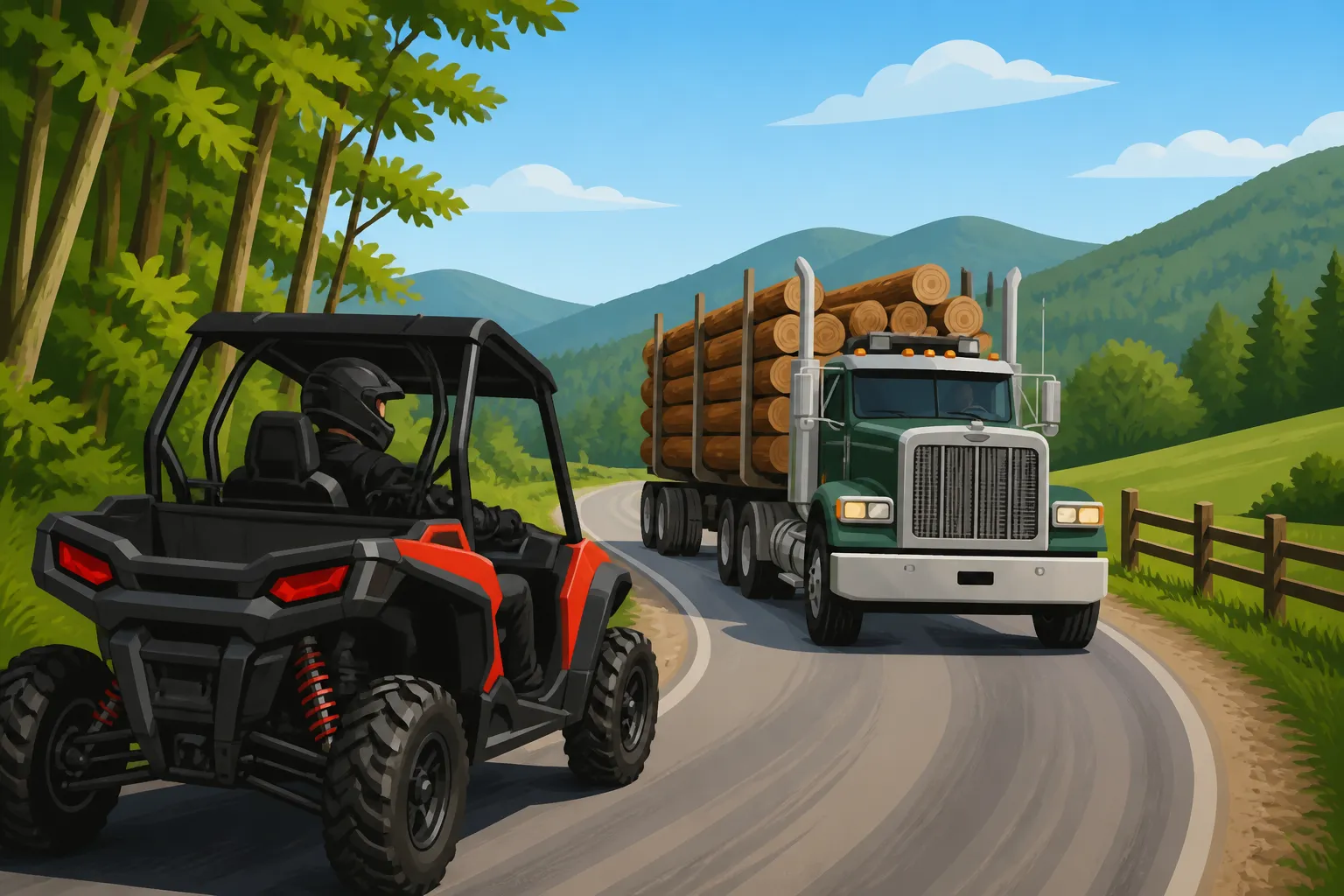
There's nothing quite like the feeling of exploring Vermont's beautiful backroads on your ATV or UTV, soaking in the scenery and the fresh air. But if you've spent any time on those gravel or dirt town roads, you've probably had that heart-stopping moment: rounding a bend, or coming over a crest, and suddenly there's a massive log truck, barreling down the road towards you or pulling out from a hidden logging access. It can be terrifying, and it leaves many riders feeling vulnerable and unsure of how to react safely. This guide is all about helping you understand how to share those roads responsibly and stay safe when you encounter those heavy haulers.
The Reality of Sharing Vermont's Back Roads
Vermont's rural landscape is beautiful, but it's also a working landscape. That means the same scenic dirt roads you love to ride are often vital arteries for the timber industry, connecting remote logging sites to mills and highways. It's easy to forget this when you're enjoying a peaceful ride, but these roads are essential for logging trucks, farm equipment, and local traffic. The challenge for ATV and UTV riders isn't just navigating the terrain, but also safely coexisting with these much larger, heavier, and often faster vehicles.
Why Log Trucks Are a Unique Challenge
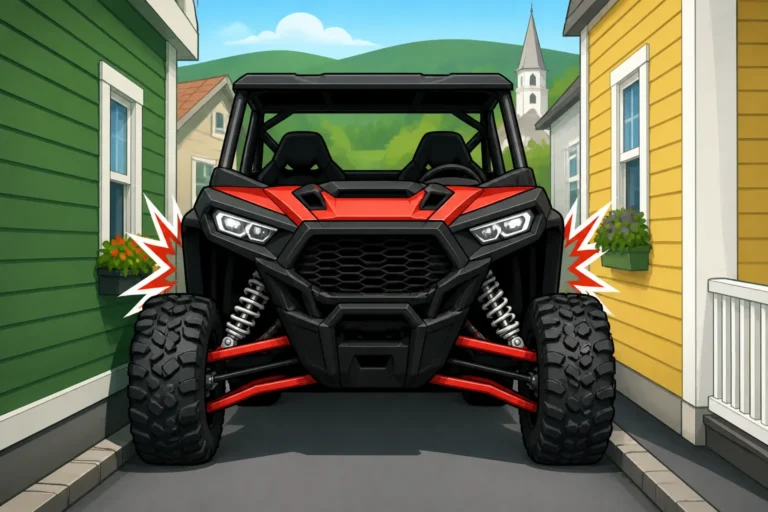
Log trucks aren't just big; they present several specific challenges for ATV and UTV riders. First, their sheer size and weight mean they take up a lot of road, especially on narrow, winding dirt roads. They also have long stopping distances, and their drivers might have limited visibility, particularly directly in front or behind the cab, or along the sides due to blind spots. When they're loaded, their center of gravity can be high, and they often travel at speeds that feel fast for the conditions, especially when empty and returning for another load. Plus, they kick up a tremendous amount of dust and can throw rocks and debris, which can obscure your vision and potentially damage your machine. It’s a completely different dynamic than meeting a passenger car.
Understanding the Road Environment
Many of the town roads that are open to ATVs and UTVs are not paved highways. They're often gravel, dirt, or a mix, prone to washouts, potholes, and a constant layer of dust in dry weather. These conditions can make it even harder to see oncoming traffic or react quickly. [Vermont ATV Road Rules: Towns Decide] what roads are open, and these often include Class 3 and Class 4 town roads which might be minimally maintained. You might be riding on a route designated by your local selectboard, perhaps [Riding Home From the Trailhead] after a great day, and suddenly find yourself in the path of a commercial vehicle. Always be aware of your surroundings, listen for approaching vehicles, and anticipate that any turn or crest could hide a surprise.
Strategies for Safe Encounters with Heavy Haulers
When you're out on the trails and town roads, safety has to be your number one priority, especially when sharing the pavement (or dirt) with logging trucks. It's about being proactive, defensive, and respectful of everyone's need to use these routes.
Maximizing Your Visibility to Others
The best defense is often a good offense when it comes to being seen. Assume truck drivers might not see you, even in broad daylight.
- Lights On, Always: Even on the sunniest day, run your headlights and taillights. This makes you much more noticeable, especially against varied backgrounds or in dusty conditions. [Vermont Headlight and Tail Light Rules] are there for a reason, but going above and beyond those minimums can save your bacon. Consider aftermarket LED light bars or auxiliary lights to boost your presence.
- Bright Colors: Wear brightly colored gear – fluorescent yellows, oranges, and greens are excellent choices. Your machine itself might be a subdued color, but your helmet and jacket can make a huge difference.
- Reflective Accents: Add reflective tape to your helmet, jacket, and even your machine, especially if you might be riding at dusk or dawn. Anything that helps catch a driver's eye is a plus.
- Plate Placement: Ensure your [Vermont Plate Visibility on the Road] is clear and unobstructed. While not directly about truck visibility, it reflects overall adherence to safety standards.
Defensive Riding Techniques
Your riding style needs to adapt when you're on a shared road. It's not just about staying in control of your machine, but also about being ready for the unexpected actions of others.
- Slow Down, Especially on Blind Spots: Blind corners, hill crests, and sections with dense tree cover are prime locations for an unexpected encounter. Reduce your speed significantly here. A logging truck can appear seemingly out of nowhere, and the extra reaction time from slower speeds is invaluable.
- Stay Right: Always stay as far to the right side of the road as safely possible. Give trucks, especially wide loads, all the room you can. If you're riding with a group, encourage everyone to stick to the far right in a single file line.
- Signal Your Intentions: While ATVs/UTVs don't always have turn signals like cars, use hand signals if you need to stop, turn, or are indicating something to a following rider. Make eye contact with truck drivers if possible, even if it's just a quick nod.
- Dust Control: If you're riding behind another ATV or UTV, or even a car, the dust can be blinding. Increase your following distance to avoid riding in their dust cloud. If a truck passes you and kicks up a huge dust plume, slow down, even stop if necessary, until visibility improves. Riding through heavy dust is like riding blindfolded.
What to Do When You See a Log Truck
This is the moment of truth. How you react can prevent an incident.
- Yield Immediately: Log trucks have the right-of-way due to their size, weight, and commercial purpose. The moment you spot one, slow down and prepare to pull over.
- Pull Over Completely and Stop: Find a safe, wide spot on the shoulder, or if the road is too narrow, a driveway, pull-off, or even a clear, flat section of woods. Get your machine completely off the main traveled portion of the road. Turn your engine off if the truck is close and going by slowly, so the driver knows you're stopped and not about to move.
- Wait for the Dust to Settle: After a log truck passes, especially on a dirt road, there will be a significant dust cloud. Wait until the dust settles and you have clear visibility before re-entering the road. This also ensures there isn't another truck closely following.
- Communicate with the Driver (if necessary): Sometimes, if a truck is trying to get around a tight corner or needs extra space, a driver might signal you. Pay attention to any hand signals or horn beeps and respond accordingly.
Table: Safe Encounters with Log Trucks – Quick Guide
| Scenario | What to Do | Why It Matters |
|---|---|---|
| Oncoming Truck (Visible) | Slow down immediately, move as far right as safely possible, and prepare to pull off the road. Make eye contact if possible. | Gives the truck driver maximum room; shows you've seen them and are yielding. |
| Truck Approaching from Behind | Maintain your right-hand position, use a hand signal if pulling over, and find a safe spot to pull off the road entirely until it passes. | Allows the truck to pass safely without having to slow excessively or attempt a risky maneuver. |
| Blind Corner / Hill Crest | Significantly reduce speed, stay far right, and be prepared to stop instantly. Honk your horn briefly before entering if visibility is extremely limited. | Minimizes reaction time needed for an unexpected encounter; makes your presence known before you're visible. |
| Heavy Dust | Slow down, increase following distance, or pull over and stop completely until visibility improves. Turn on your headlights. | Dust can completely obscure visibility, making you invisible to other vehicles and preventing you from seeing hazards. |
| Narrow Road Section | Look ahead for pull-offs. If a truck approaches, use the first safe opportunity to get completely off the road. Never challenge a truck for space. | Trucks cannot easily maneuver on narrow roads. Forcing them to stop or squeeze by is dangerous. |
| Truck Entering Road (from side) | Assume the driver may not see you. Slow down, be prepared to stop, and give them ample space to complete their maneuver. | Trucks have large blind spots and take time to accelerate. Don't assume they see you or can stop quickly. |
Equipping Your Machine for Maximum Visibility and Protection
Your ATV or UTV is a powerful tool for adventure, but out on those shared roads, it needs to be set up for safety. Beyond just looking cool, certain upgrades and maintenance routines can drastically improve your chances of a safe ride. [Vermont ATV Equipment Requirements] exist, but think beyond the minimums.
Lighting and Signaling
As mentioned, proper lighting is crucial. If your stock lights aren't cutting it, consider upgrades.
- LED Upgrades: Replacing old halogen bulbs with brighter, more efficient LEDs can make a big difference in how well you see and how well you are seen. Modern LED light bars can be incredibly powerful for illuminating the path ahead, but they also project light in a way that makes your machine stand out.
- Auxiliary Lights: Beyond your main headlights, adding auxiliary lights, especially on the front, can further enhance your presence. Just be mindful of aiming them properly so you don't blind oncoming drivers.
- Whips and Flags: While often associated with dune riding, a tall, bright flag on a flexible whip can make your UTV visible over crests and through brush from a distance, which is incredibly useful for alerting truck drivers to your presence sooner.
Mirrors and Protection
Mirrors are often an afterthought on ATVs but are invaluable on shared roads. And protecting your machine means protecting yourself from kicked-up debris.
- Side Mirrors: Many ATVs don't come standard with side mirrors, but they are essential for safe road riding. They allow you to monitor traffic behind you, including those big trucks, without constantly turning your head. Look for durable, vibration-resistant options. Brands like SuperATV offer a range of robust mirrors designed specifically for off-road vehicles that can withstand the vibrations and bumps of Vermont's gravel roads.
- Rear-View Mirror: For UTVs, a wide-angle rear-view mirror can be just as important as side mirrors, giving you a comprehensive view of what's coming up behind you.
- Windshields and Roofs: On a UTV, a full or half windshield can offer protection from dust, small rocks, and debris kicked up by trucks. A roof provides shade and protection from falling branches or light rain.
- Skid Plates and A-Arm Guards: While primarily for trail protection, robust skid plates (like those offered by SuperATV) can also offer a layer of defense against larger rocks or road debris kicked up by heavy truck tires. It's an investment in your machine's longevity and your peace of mind.
Communication Tools
In some cases, especially when riding with a group or in areas with limited cell service, other communication methods can be helpful.
- Two-Way Radios: For group rides, two-way radios allow you to communicate warnings about oncoming traffic or hazards quickly. This is particularly useful in dusty conditions where visual signals might be missed.
- Horn: Ensure your horn is working and audible. A quick tap can alert an inattentive driver or signal your presence around a blind curve.
Understanding the Law and Respecting the Road
Riding an ATV or UTV on a town road in Vermont isn't the same as riding on a dedicated trail. There are specific rules and expectations that come with sharing public ways, and understanding them is key to staying safe and avoiding legal trouble. [Vermont ATV Road Rules by Town] can vary, so always check local ordinances.
Legal Requirements You Must Meet
Beyond just registering your machine, Vermont has specific requirements for ATVs and UTVs operated on public roads.
- Registration and Decal: Your machine must be properly registered with the Vermont DMV, and you'll need a valid [Vermont ATV Registration Cost] and a [Vermont TAD: The Trail Access Decal Explained] if you're also riding on VASA trails connected by these roads. This isn't just about legality; it shows you're a responsible rider.
- Insurance: Vermont law requires ATVs and UTVs operated on public roads to carry liability insurance. [Vermont ATV Insurance Requirements] typically include minimum coverage amounts for bodily injury and property damage. Always carry proof of insurance with you.
- Helmet Law: Every rider, regardless of age, must wear a helmet that meets federal safety standards. This is not optional. [Vermont ATV Helmet Law for Every Rider] is a non-negotiable safety measure.
- Speed Limits: You must adhere to posted speed limits on town roads. Even if there's no sign, assume a reasonable and prudent speed, often lower than you'd think, especially on dirt and gravel roads where visibility and traction can be compromised. [Vermont ATV Speed Limits on Town Roads] are crucial to safe operation.
- Operator Age and Licensing: While you don't need a driver's license to operate an ATV or UTV off-road, if you're riding on a designated public road, some age restrictions and supervision rules might apply. Make sure any young riders with you meet these requirements.
Respecting Other Road Users
It's not just about what's legal; it's about being a good neighbor and ambassador for the sport.
- Yield to All Traffic: While we've focused on log trucks, the principle of yielding extends to all other vehicles, pedestrians, and cyclists. They often have less protection than you do.
- Minimize Dust and Noise: Be mindful of the impact your riding has on residents. Excessive speed on dirt roads creates dust, and loud exhausts can be a nuisance. Many [Vermont Town Ordinances That Set Curfews] are a direct result of noise complaints. Consider aftermarket mufflers if your machine is excessively loud. SuperATV offers exhaust systems designed for performance that can also be quieter than some stock or competition exhausts.
- Stay on Designated Routes: Riding off-trail or on roads not designated for ATVs creates conflicts with landowners and local authorities. Stick to [Vermont Posted Routes and Their Signs]. This ensures continued access for everyone.
- Be a Good Example: Your actions reflect on all ATV and UTV riders. Ride responsibly, safely, and courteously, and you help maintain a positive image for the sport in Vermont. This can be especially important when [Vermont Selectboard Hearings on ATVs] are taking place.
Riding in Vermont is an incredible experience, and sharing the roads with everyone, including log trucks, is part of that reality. By being prepared, riding defensively, and respecting the rules and other road users, you can ensure your adventures are both thrilling and safe.
Disclaimer
This article is for general informational purposes only and does not constitute professional advice. Laws, prices and regulations vary by location and change over time. Consult a qualified professional for guidance on your specific situation.