Paying a Waiver Instead of a Fine
Oh, the sinking feeling when you're out enjoying Vermont's beautiful trails or roads on your ATV or UTV, and suddenly, you see those flashing lights or a warden steps out. Getting a ticket can really put a damper on your day, and then you're left wondering, "What now?" Facing a fine is never fun, but in Vermont, for many minor infractions, you often have the option to pay a waiver instead of going through the hassle of a court appearance. This guide is all about navigating that process, understanding your options, and hopefully, helping you avoid those headaches in the future.
Understanding Vermont's ATV Fine System
When you receive a ticket for an ATV or UTV violation in Vermont, it can feel like a punch to the gut. One minute you're enjoying the crisp air and scenic views, and the next you're holding a piece of paper that could mean a hit to your wallet and a chunk of your time. It’s a common experience for even the most conscientious riders, as rules can sometimes be complex and vary from place to place.
The Initial Shock of a Violation
Let's be real, no one plans on getting a ticket. You might have been caught riding on a road not designated for ATVs, perhaps you momentarily forgot your [Vermont ATV Helmet Law for Every Rider] after a quick stop, or maybe your machine's registration had just lapsed. The immediate reaction is often a mix of frustration, embarrassment, and a bit of anger. You might feel unfairly targeted, or perhaps you genuinely didn't realize you were breaking a rule. This initial shock can make it hard to think clearly about your next steps, but it's important to understand what the ticket actually represents.
What the Ticket Actually Means
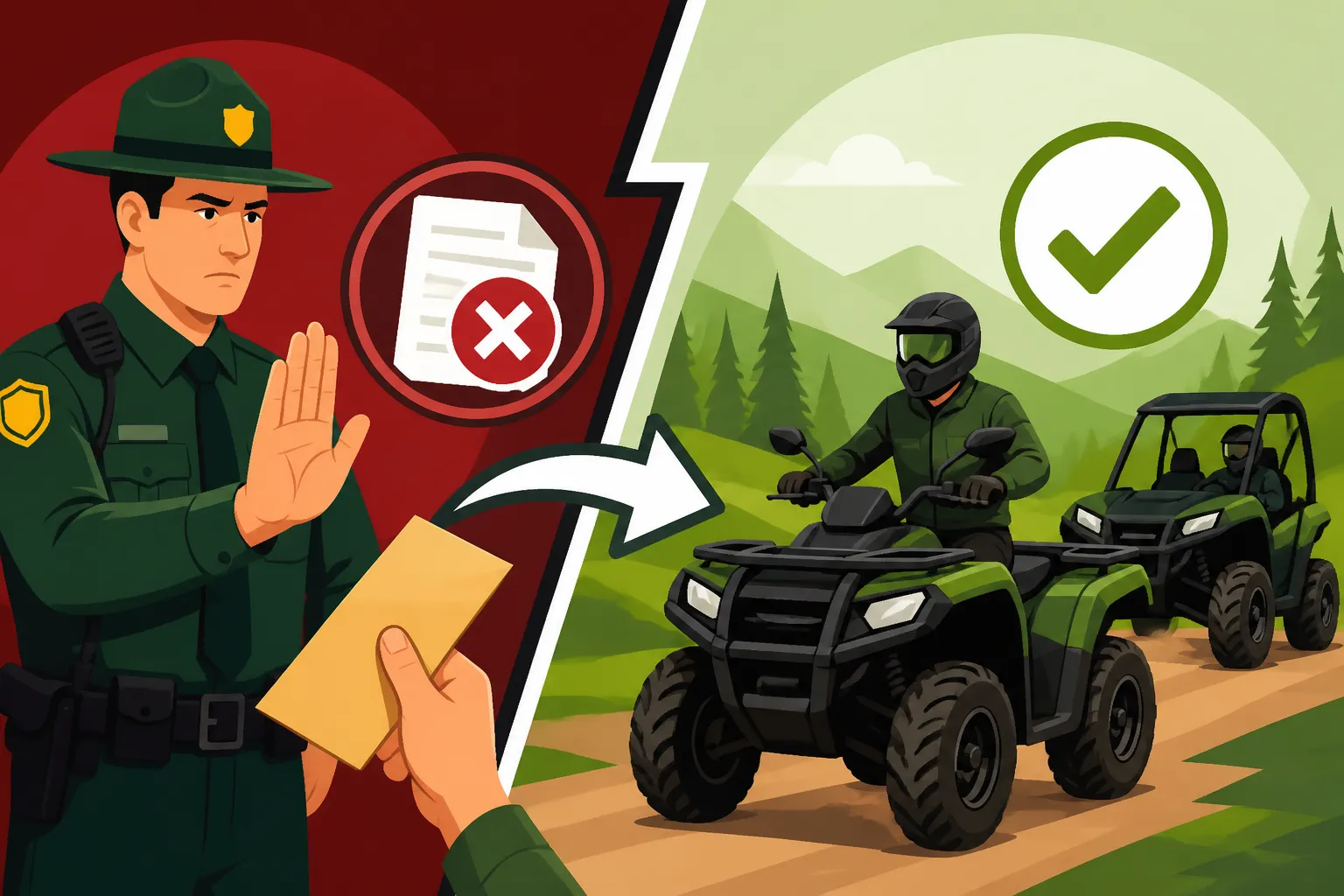
A ticket, especially for a minor violation, isn't always an automatic demand for a court appearance. In Vermont, many infractions come with a "waiver payment" option. This means the issuing officer or agency has predetermined a set amount that you can pay without ever stepping foot in a courtroom. It's essentially an offer to resolve the issue quickly and with less fuss. The ticket itself will usually outline the specific violation, the amount of the fine, and instructions on how to proceed, including how to pay the waiver or how to contest the ticket. It's crucial to read every detail, as deadlines for payment or response are usually strict. Overlooking these details can lead to bigger problems down the line, so take a deep breath and give that ticket a thorough read.
Differences Between State and Local Violations
It's also worth noting that violations can stem from different authorities. You might receive a ticket from a Vermont State Game Warden, a State Police officer, or even a local town constable or police officer. The nature of the violation often dictates who issues it. For example, a warden might cite you for riding on state land where ATVs are prohibited, while a town officer might issue a ticket for violating [Vermont ATV Road Rules: Towns Decide] within village limits. The process for paying a waiver is generally similar across these agencies, but the exact forms, payment addresses, or even the initial fine amounts might vary slightly. Knowing who issued the ticket can sometimes give you a clue about the specific ordinance or statute you allegedly violated. For example, tickets related to [Vermont ATV Helmet Law for Every Rider] or [Vermont ATV Insurance Requirements] are state statutes, while those related to riding on a specific town road are often tied to local selectboard ordinances.
How a Waiver Payment Works in Vermont
So, you've got the ticket in hand, and you see that option to pay a waiver. What exactly does that entail, and when is it the right choice for you? It's all about understanding the mechanics of this system and deciding if it aligns with your situation.
The Concept of Pleading No Contest
When you choose to pay a waiver in Vermont, you're essentially pleading "no contest" to the violation. This isn't quite the same as admitting guilt, but it means you're accepting the penalty without disputing the charge in court. You're acknowledging that the violation occurred and agreeing to pay the specified amount to resolve the matter. This option exists because the legal system recognizes that not every minor infraction needs to clog up court dockets, and it offers convenience for both the individual and the state. It allows you to move on quickly without the formal proceedings, legal fees (unless you choose to consult an attorney), or the time commitment of a trial.
When a Waiver Payment is an Option
A waiver payment is typically an option for less serious, civil violations. Think things like minor speed infractions on a designated road, an expired [Vermont ATV Registration Cost], or perhaps not having your [Vermont TAD: The Trail Access Decal Explained] visible. These are usually non-criminal offenses where the primary goal is compliance and deterrence rather than severe punishment. More serious offenses, such as reckless operation, riding under the influence ([Vermont DUI Law and ATVs]), or significant property damage, will almost certainly require a court appearance and won't offer a simple waiver option. Also, if you're a repeat offender for the same type of violation, a waiver might not be available, and you could be summoned to court to face a judge who might impose stricter penalties. Always check the ticket itself: if it lists a waiver amount and instructions, it’s likely an option for your specific charge.
The Steps to Paying a Waiver
Paying a waiver is designed to be straightforward. First, meticulously review the ticket. It will clearly state the violation, the waiver amount, and the deadline for payment. You'll also find instructions on how to pay. This typically involves sending a check or money order through the mail to a specified address, often a central violations bureau or the court clerk. Some jurisdictions might offer online payment options, which are incredibly convenient, but you'll need to look for a website address or QR code on the ticket. Make sure to include the ticket number or citation number with your payment so it can be correctly applied. Keep a copy of your ticket and proof of payment for your records, just in case there's any confusion later on. Missing the payment deadline can be a big problem, potentially resulting in additional fees or even a requirement to appear in court, so mark your calendar! For example, if you receive a ticket for [Vermont Penalties for Riding Unregistered], the waiver amount will be clearly stated on the citation.
Pros and Cons of Opting for a Waiver
Deciding whether to pay the waiver or contest the ticket is a personal choice, and there are good reasons for both approaches. It really boils down to your specific circumstances, the nature of the violation, and what you value most: convenience or the chance to clear your name.
The Benefits of Paying the Waiver
The biggest upside to paying a waiver is undoubtedly convenience and peace of mind. You avoid the stress, time, and potential expense of preparing for and attending a court hearing. Think about it: you don't have to take time off work, find childcare, or travel to the courthouse, which might be hours away depending on where you received the ticket. For many, the waiver amount is also seen as a "discount" compared to what a judge might impose if they find you guilty, especially once court fees and potential legal costs are factored in. It’s a way to quickly resolve a minor infraction, put it behind you, and get back to enjoying Vermont's trails without the lingering worry of a court date. Plus, for things like minor equipment violations, it's often an easier path forward. You might even use the money saved on potential legal fees to invest in quality gear like a new SuperATV winch or better lighting to prevent future issues.
The Downsides and What You Give Up
However, paying a waiver isn't without its drawbacks. The most significant one is that by paying, you are effectively accepting responsibility for the violation. While not a full "guilty" plea, it often results in the charge going on your record, potentially impacting things like your ATV insurance rates or even leading to stricter penalties if you incur future violations. You also give up your right to argue your case, present evidence, or have a judge potentially dismiss the charge due to insufficient evidence or technicalities. If you believe you were truly innocent, or that the officer made a mistake, paying the waiver closes off any avenue for appeal. For certain violations, especially those that might involve moving infractions on roads where ATVs are permitted, there could even be implications for your regular driver's license, though this is less common for typical ATV-specific violations. Always consider what you're giving up before you send in that check.
When to Consider Fighting the Ticket Instead
There are definitely times when fighting the ticket makes more sense. If you genuinely believe you did not commit the violation, have solid proof of your innocence (like a timestamped photo, witness testimony, or GPS data), or if there was a clear procedural error by the issuing officer, contesting the ticket is your right. For example, if you were cited for riding on a closed road, but you have a current map showing the road was designated open for that season, you have a strong case. Similarly, if you believe your [Vermont ATV Rules for Passengers] were misunderstood, or if the warden made a mistake regarding your [Vermont ATV Helmet Law Age Limit], it's worth exploring your options. Sometimes, consulting with an attorney who specializes in traffic or recreational vehicle law can help you understand your chances, especially if the fine is substantial or if the violation could have longer-term consequences beyond the immediate cost. Don't be afraid to stand up for yourself if you believe you're in the right.
Navigating the System and Avoiding Future Fines
Nobody wants to deal with tickets, waivers, or court dates. The best offense is a good defense, and that means being prepared and informed before you even hit the trails or designated roads. Vermont's diverse riding landscape comes with varied rules, so staying on top of them is crucial.
Essential Documents and Gear to Keep Handy
One of the easiest ways to avoid a ticket is to ensure you have all your ducks in a row before you ride. This means always carrying your current [Vermont ATV Registration Cost] certificate, proof of [Vermont ATV Insurance Requirements], and if you're under 18, your ATV safety certificate. It's smart to keep these documents in a waterproof bag on your machine, or even better, have clear photos of them on your phone, though physical copies are always best if a warden asks to [What a Warden Can Ask to See]. Beyond paperwork, ensure your machine meets all equipment requirements like working headlights and tail lights, a proper muffler, and a visible [Vermont Plate Mounted on the Rear]. Investing in quality accessories from companies like SuperATV can help ensure your machine is always compliant and safe. A little preventative maintenance and preparation can save you a lot of grief.
Knowing Local Ordinances is Key
Vermont is unique because [Vermont ATV Road Rules: Towns Decide] are often determined at the local level by town selectboards. This means a road that's open to ATVs in one town might be strictly off-limits in the next, or have different curfews or speed limits. You can't just assume. Always check with the specific town clerk or their website for their current ATV ordinance and designated routes. Many towns will post maps or signs, but it's your responsibility to know. This applies to things like [Vermont ATV Season Dates on Town Roads] and [Vermont ATV Curfew Hours by Town]. Riding on a [Vermont ATV Rules on a Dirt Road] might seem innocuous, but if it hasn't been designated by the town, it could still lead to a ticket. This local variability is often a source of frustration for riders, but being proactive about research is your best defense.
The Importance of VASA and Club Membership
Joining the Vermont ATV Sportsman's Association (VASA) and a local VASA-affiliated club is one of the smartest moves you can make as an ATV or UTV rider in Vermont. VASA and its member clubs are instrumental in maintaining and expanding the statewide trail network, which largely operates on private landowner permission. Your [Vermont TAD: The Trail Access Decal Explained] fees, collected through VASA, directly support these efforts. More than that, clubs are often the best source of up-to-date information on local trail conditions, closures, and town ordinances. They know which routes are open, where the hazards might be, and can help clarify complex rules. Becoming part of this community not only supports the sport but also keeps you informed, significantly reducing your chances of accidental violations and related [Vermont ATV Fines for Road Violations]. It's a fantastic way to ensure you're always riding responsibly and legally on [Vermont ATV Trails: The VASA System].
Waiver Payment vs. Contesting a Ticket
Here's a quick look at the main differences to help you decide your path forward:
| Feature | Waiver Payment | Contesting the Ticket |
|---|---|---|
| Outcome | Acceptance of liability; records violation. | Opportunity for dismissal or reduced charge. |
| Cost | Specified waiver amount (often lower). | Potential for higher fine, court fees, legal costs. |
| Time/Effort | Minimal; mail or online payment. | Significant; court appearances, preparation. |
| Stress Level | Low; quick resolution. | High; uncertainty, legal process. |
| Record Impact | Violation typically goes on record. | Potential for clear record if dismissed. |
| Ideal For | Minor, undisputed violations; convenience. | Believed innocence, serious charges, unclear evidence. |
Remember, this decision often comes down to weighing the convenience of a waiver against the principle of fighting a charge you believe is unjust. No matter which route you choose, understanding the implications is the first step.
Disclaimer
This article is for general informational purposes only and does not constitute professional advice. Laws, prices and regulations vary by location and change over time. Consult a qualified professional for guidance on your specific situation.