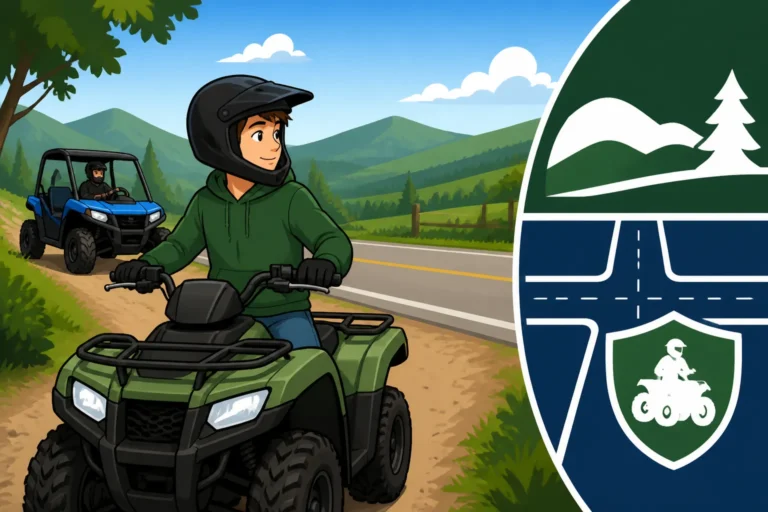
25 mph on a Village Street
Navigating Vermont's picturesque villages on your ATV can be a real joy, offering a unique way to experience the charm of our small towns. However, it’s not always as straightforward as simply riding from the trail into town. Many riders get frustrated and confused by the varying speed limits and local rules, especially when they encounter the oft-implied or explicitly stated 25 mph limit in village streets. This guide is here to untangle the complexities, help you understand why these rules exist, and give you clear, actionable advice so you can ride respectfully and legally through Vermont's communities.
Understanding Vermont's ATV Road Rules in Villages
Riding an ATV in Vermont offers a fantastic blend of trail adventure and community connection, but the shift from winding dirt paths to paved village streets brings a whole new set of considerations. It's not just about speed; it's about being a good neighbor and understanding the unique environment you're entering. The rules, while sometimes feeling restrictive, are designed to ensure safety and preserve the quality of life for residents.
Why Village Streets Have Different Rules
Think about the difference between a sprawling, wooded VASA trail and the main street of a busy little village like Island Pond or Chester. On the trail, you might encounter wildlife, other riders, and natural obstacles. In a village, you're sharing the space with pedestrians strolling with their dogs, children playing, cars pulling out of driveways, and folks trying to enjoy a quiet evening on their porch. These environments demand different rules. State laws often govern major highways and routes, but when it comes to smaller, more intimate spaces, local selectboards and town officials have the authority to create specific ordinances. This local control allows communities to tailor rules that reflect their unique character, density, and public safety concerns. It's why you'll find [Vermont ATV Road Rules by Town] can vary so much.
Village streets, by their very nature, are often narrower, more populated, and serve as commercial or residential hubs. There are more intersections, parked cars, crosswalks, and buildings close to the road. This density means a higher risk of accidents if ATVs are driven at higher speeds or with excessive noise. Local residents are often concerned about safety, particularly for children and pedestrians, as well as the noise and dust that can be generated by off-road vehicles. These aren't arbitrary rules; they stem from a community's desire to maintain a peaceful, safe environment for everyone, including riders passing through.
The 25 mph Default for Many Village Areas
While you might not always see a sign explicitly stating "25 mph ATVs," this speed limit is a commonly enforced or understood maximum for many village streets and designated ATV routes within Vermont's towns. This isn't just a suggestion; it's often a legal requirement rooted in state statutes for unposted urban or residential areas, or explicitly written into local ordinances. When you roll off a VASA trail and onto a town road that enters a village, it's wise to immediately adjust your speed.
The reasoning behind this default limit is multifaceted. First and foremost, it's about reaction time. At 25 mph, an ATV rider has more time to react to a child darting into the street, a car backing out unexpectedly, or a pedestrian stepping off a curb. It significantly reduces the severity of potential collisions. Secondly, noise and dust become much more impactful at higher speeds. The roar of an engine or a cloud of dust might be acceptable on a remote trail, but it can be highly disruptive to homes and businesses in a village setting. Adhering to the 25 mph limit helps mitigate these issues, making your presence less intrusive to the community. For example, if you're riding through a village like Brighton, where there's a [Brighton's 25 mph Cap in Vermont], you'll notice how the reduced speed creates a more harmonious environment for both riders and residents. It's about demonstrating respect for the local community and ensuring the long-term viability of ATV access on these roads.
Navigating Specific Village Ordinances
Just like no two Vermont maple syrups taste exactly the same, no two Vermont villages have identical ATV ordinances. While the general sentiment is often one of caution and respect, the specific rules can differ significantly from one town line to the next. This means that a little homework before you head out can save you a lot of headaches, and potentially a ticket.
How Towns Designate ATV Routes
The process for designating ATV routes on town roads is deeply local and rooted in community governance. It typically starts with the town's selectboard, which holds public hearings where residents can voice their opinions for or against opening certain roads to ATVs. These decisions aren't permanent; they usually require an annual renewal, meaning a road that was open last year might not be this year if the selectboard decides otherwise or if there are strong community objections. This dynamic process highlights the importance of staying informed and supporting local clubs, which often work closely with towns to advocate for responsible access.
Once a route is designated, it should be clearly posted with official signs indicating that ATV use is permitted. However, it's crucial for riders to actively seek out and understand these routes, rather than assuming. Many VASA clubs and town offices provide maps or online resources detailing which roads are open and under what conditions. For instance, [Newport City's ATV Routes in Vermont] are a great example of how a community has worked to integrate ATV access responsibly. If you're planning a ride that takes you through multiple towns, it's a good idea to check each town's website or contact their municipal offices for the most up-to-date information. Relying solely on a GPS app might not give you the full picture, as ordinances can change. Remember, these are privileges, not rights, and responsible riding helps maintain those privileges for everyone. [Vermont Town Meeting Votes on ATV Roads] are a crucial part of this process, and understanding them helps you respect the local decisions.
Beyond Speed: Other Common Village Restrictions
While speed limits are a major concern, village ordinances often include other restrictions designed to manage the impact of ATVs on residential areas. These can include specific curfews, noise limits, and requirements for how your machine is equipped. For example, many towns, particularly in the Northeast Kingdom, have set specific times when ATVs are not permitted on town roads. [Newport City's 10 p.m. to 7 a.m. ATV Curfew] is a prime example, aiming to reduce noise disturbances during sleeping hours. Similarly, [Brighton's Night Curfew in Vermont] ensures peace in the evenings.
Noise is another significant factor. While there isn't always a specific decibel limit posted, ATVs are generally expected to comply with [Vermont Muffler and Noise Rules], meaning excessively loud aftermarket exhausts could draw unwanted attention from law enforcement and residents alike. Your machine's plate visibility is also critical, especially on town roads where it needs to be clearly readable for identification purposes, as highlighted in [Vermont Plate Visibility on the Road]. Furthermore, equipment like working headlights and taillights are mandatory, especially if you're riding near dawn or dusk, or even during the day in low visibility conditions. These are part of [Vermont Headlight and Tail Light Rules]. While Vermont rules don't mandate specific brands, ensuring your ATV is well-maintained and properly equipped for road use is crucial. Companies like SuperATV offer a wide range of aftermarket parts, from durable tires suitable for varied terrain to robust lighting kits that can enhance visibility, especially when transitioning from a trail to a dimly lit village street. Investing in quality components helps ensure your machine meets road safety expectations and minimizes potential issues like breakdowns or excessive noise, making your village transit smoother for everyone.
Practical Tips for Riding Your ATV in Vermont Villages
Riding your ATV through Vermont's villages can be a truly enjoyable experience, but it requires a bit more intentionality and planning than hitting a remote trail. Being prepared and respectful goes a long way in ensuring these routes remain open and welcoming for all riders.
Always Know Before You Go
Before you even hitch up your trailer, make "know before you go" your mantra. Don't assume that because one village allows ATVs, all of them do, or that the rules will be the same. The best practice is to check the specific town's website for their current ordinances, or even make a quick call to the town clerk's office. Many towns collaborate with local ATV clubs, and these clubs often have the most up-to-date information on designated routes and local nuances. VASA's website and trail maps are also invaluable resources, often indicating which town roads are part of the network.
Beyond just knowing if you can ride, understand how you can ride. Are there specific entry and exit points? Are certain streets off-limits? What are the hours of operation? A quick glance at the town's official map or ordinance document can prevent a lot of confusion and potential fines. This preparation is also where you confirm that your machine meets all state requirements, including proper registration and displaying your [Vermont Requires Registration Plus a TAD]. Being a responsible rider starts long before you turn the key in the ignition, and it directly contributes to positive community relations.
Being a Good Neighbor and Rider
When you're riding through a Vermont village, you're an ambassador for the entire ATV community. Every interaction, every impression you make, contributes to how locals view ATV access. This means actively working to be a good neighbor. Slow down well before you reach the posted speed limit, especially when passing homes, businesses, or public spaces. Excessive speed not only raises safety concerns but also kicks up dust on dirt roads and amplifies engine noise, both of which can be a major nuisance to residents.
Yield to pedestrians, cyclists, and horse riders, and give them plenty of space. Make eye contact, offer a friendly wave, and try to minimize any disruptive behavior. Consider accessories that promote quieter operation if you frequent village routes; while SuperATV is known for performance parts, many manufacturers offer quieter exhaust options or dust-control accessories that can help you ride more considerately. Keeping your machine well-maintained will also prevent unexpected breakdowns or excessive smoke, which can negatively impact public perception. Remember, the goal is to enjoy the ride without negatively impacting the quality of life for those who live there. It's about securing the future of riding on these routes by building trust within the community.
Consequences of Non-Compliance
Ignoring village ATV rules isn't just a minor oversight; it can lead to tangible and often costly consequences. The most immediate impact is, of course, a fine. [Vermont ATV Fines for Road Violations] can range from moderate to substantial, especially for repeat offenses. Beyond the monetary cost, getting ticketed can put a damper on your entire trip and create a negative experience. Law enforcement officers, whether state troopers, county sheriffs, or town constables, are empowered to enforce these local ordinances.
But the consequences extend beyond personal fines. Consistent disregard for local rules—whether it's speeding, making excessive noise, or riding after curfew—can lead to residents petitioning their selectboard to close roads to ATVs. This is how access is lost, not gained. Landowners who permit trails on their property often base their decision on the expectation of respectful riding, and community complaints can lead them to withdraw their permission, impacting the entire VASA trail network. So, every time you choose to ride responsibly, adhere to the 25 mph limit, and respect curfews, you're not just protecting yourself from a ticket; you're helping to preserve riding opportunities for everyone. It's also crucial to remember that [Vermont ATV Helmet Law for Every Rider] and [Vermont ATV Insurance Requirements] are non-negotiable legal mandates, regardless of where you're riding in Vermont.
Common Village ATV Rules Summary
To help you keep track of the key considerations when riding your ATV through Vermont's charming villages, here's a quick summary of common rules and best practices. Always remember to check specific local ordinances as these can vary.
| Rule Category | Common Requirement in Villages | Why It Matters |
|---|---|---|
| Speed Limit | Typically 25 mph, often unposted in residential/village areas, or explicitly set by local ordinance. | Enhances safety for pedestrians, reduces noise and dust, allows reaction time. |
| Curfew Hours | Many villages impose specific night curfews (e.g., 10 p.m. – 7 a.m.) when ATV riding is prohibited on town roads. | Minimizes noise disturbance for residents during sleeping hours. |
| Noise Levels | Must comply with state muffler laws; excessive aftermarket exhausts are often frowned upon and can lead to complaints or tickets. | Reduces disturbance to homes and businesses; promotes peaceful coexistence. |
| Plate Visibility | Registration plate must be clearly displayed and legible on the rear of the machine, as required by law. | Essential for identification and enforcement, especially on shared roads. |
| Insurance | [Vermont ATV Insurance Requirements] mandate liability coverage. Proof must be carried with you. | Protects you and others in case of an accident. |
| Helmet Law | [Vermont ATV Helmet Law for Every Rider] applies to ALL riders, regardless of age, whenever riding. | Crucial for rider safety and required by state law. |
| Route Designation | Only designated and clearly marked town roads within villages are open to ATVs. Always check local maps and signs. | Prevents trespassing and ensures riding is only where permitted by the community. |
| General Conduct | Ride courteously, yield to pedestrians/bicyclists, avoid creating dust, and be mindful of your presence in residential areas. | Builds positive community relations and sustains ATV access. |
Disclaimer
This article is for general informational purposes only and does not constitute professional advice. Laws, prices and regulations vary by location and change over time. Consult a qualified professional for guidance on your specific situation.