Vermont ATV Rules on a Dirt Road
Oh, the infamous Vermont dirt roads! If you're an ATV or UTV rider, you've probably heard a million different answers about whether you can actually ride your machine on them. It's truly one of the biggest headaches and sources of confusion for anyone trying to enjoy the beautiful scenery on four wheels. This guide is here to cut through the noise and give you a clear, realistic understanding of the rules governing ATV access on Vermont's often-charming, sometimes challenging, dirt road network.
The Patchwork Reality of Vermont's Dirt Roads and ATV Access
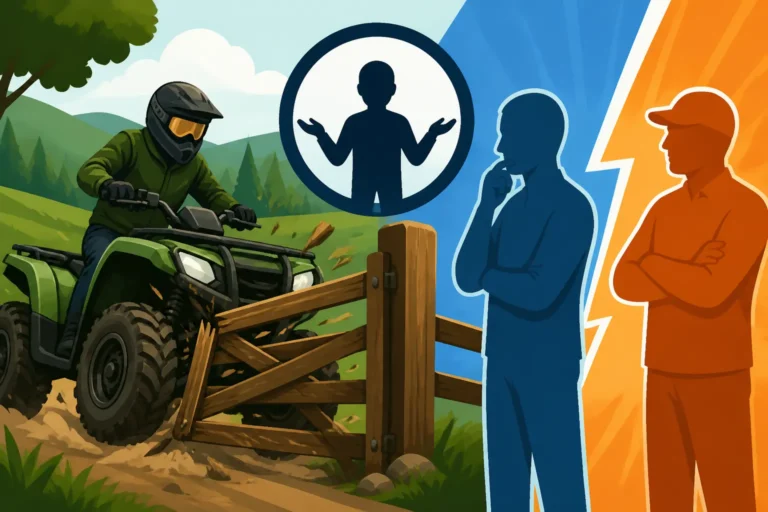
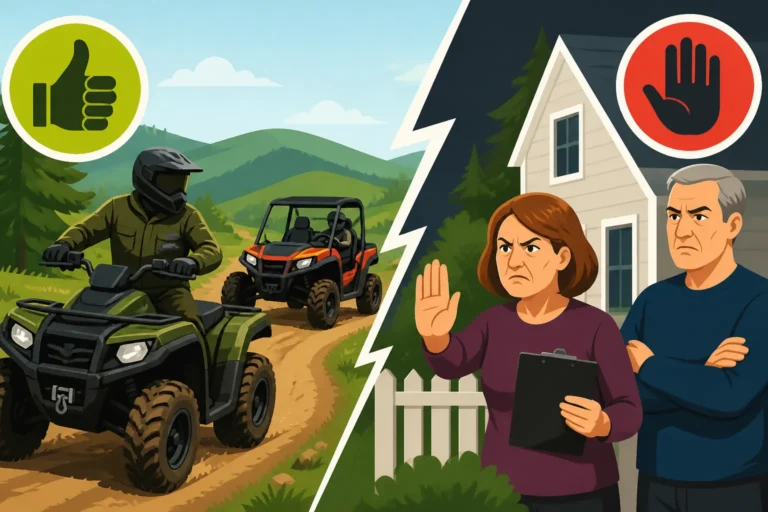
It's a common misconception that all dirt roads in Vermont are open season for ATVs. The reality is far more nuanced, creating a headache for riders who just want to enjoy the beautiful Vermont landscape. You might see one rider on a side-by-side cruising down a dirt lane, only to find yourself facing a fine for doing the same a few miles away. This isn't because the law is vague; it's because local control is paramount here. This section dives into why dirt roads are tricky and how local control shapes your riding experience.
Why Every Town is Different: Selectboard Authority
This is where the frustration really sets in for riders. You'd think a dirt road is a dirt road, right? Not in Vermont. The authority to open or close town roads, including dirt roads, to ATV traffic rests firmly with individual town selectboards. This means that access can literally change from one town line to the next. One town might have enthusiastically opened miles of its dirt roads to connect to the statewide VASA trail system, while its neighbor might have chosen to keep every single dirt road closed to ATVs due to resident concerns about noise, dust, or wear and tear.
These decisions are made annually, and selectboards can change their minds, open new routes, or close existing ones. This process often involves public hearings and community input, which can be a lively debate in many Vermont towns. For you, the rider, this translates into a critical need for local knowledge. Assuming that just because you rode a dirt road in Town A last year means you can ride a similar road in Town B this year is a recipe for trouble. You need to verify the current status. It's why we always say, check before you ride! The process for these decisions is really important for riders to understand, and you can learn more about it in [Vermont Selectboards Open Roads Each Year].
Class 3, Class 4, and the Grey Areas
Vermont's road classification system adds another layer of complexity. Generally, town roads are categorized as Class 1, 2, 3, or 4. While Class 1 and 2 are usually paved state or major town highways, Class 3 and 4 roads are predominantly where you'll find dirt or gravel surfaces.
- Class 3 Roads: These are town highways that are maintained regularly by the town for public travel. Think of your typical well-graded dirt road that school buses and residents use daily. If a town selectboard decides to open its roads to ATVs, these are often the first ones considered, as they are already established travel corridors. However, even if a Class 3 dirt road is open, you are still sharing it with cars, trucks, and often pedestrians or cyclists, so extreme caution and adherence to all traffic laws are essential.
- Class 4 Roads: These are statutory public highways that have not been improved or maintained for general public travel. They can range from slightly overgrown gravel paths to barely discernible tracks that might look more like logging trails. While they are legally considered public highways, their rugged nature makes them appealing to ATV riders seeking more challenging terrain. Here’s the critical point: just because it's a "public highway" doesn't mean it's open to ATVs. The same selectboard approval is required for Class 4 roads as for Class 3. In fact, many towns are more hesitant to open Class 4 roads, as they can be easily damaged, harder to patrol, and may impact fragile ecosystems. Never assume a Class 4 road is open just because it looks wild and unmaintained. Diving deeper into the specifics of these roads can be very helpful; check out [Vermont ATV Rules on a Class 4 Road] for more information.
The grey area comes from roads that might visually resemble Class 4 but are actually private driveways or old logging paths that have no public access rights. Always be vigilant about "No Trespassing" signs or indications of private property, even if a map suggests public access.
Essential Prerequisites for Riding on Vermont Dirt Roads
Before you even think about putting tires to Vermont dirt, there are non-negotiable legal steps you absolutely must take. Skipping these can lead to hefty fines, an impounded machine, or worse, an uninsured accident. This isn't just about following rules; it's about protecting yourself and others and ensuring you can actually keep riding in Vermont.
Registration, Plates, and the All-Important TAD
First and foremost, any ATV or UTV operated on public land, which includes designated town dirt roads, must be properly registered with the Vermont Department of Motor Vehicles (DMV). This isn't an option; it's a legal requirement. When you register your machine, you'll receive a registration certificate and a license plate that must be prominently displayed on the rear of your machine. This plate identifies your machine and helps ensure that all users are contributing to the state's ATV programs through their registration fees. You can find more details about this process, including costs, in [Vermont ATV Registration Cost] and [Vermont ATV Plates and Where They Go].
Beyond state registration, if the dirt road you're riding on is part of or connects to the VASA (Vermont Association of Snow Travelers and ATV Sportsmen) trail system, you will also need a Vermont Trail Access Decal (TAD). The VASA trail system relies heavily on a network of private landowner permissions and designated public roads, with clubs actively maintaining these corridors. The TAD, which you purchase through VASA or a member club, signifies that you've contributed to the maintenance and insurance of these trails. Without it, even if a dirt road is open to ATVs, if it's part of the VASA system, you could still be in violation. This decal is absolutely essential for accessing the vast majority of managed riding opportunities in Vermont. Learn more about it in [Vermont TAD: The Trail Access Decal Explained].
Insurance and Rider Safety Certification
Vermont takes rider safety and responsibility seriously, especially when machines are mixing with other traffic on public roads. That's why carrying adequate liability insurance is not just a good idea; it's a legal requirement for operating an ATV or UTV on any public land or road open to these vehicles. This insurance helps protect you financially in case of an accident where you are at fault, covering potential bodily injury or property damage to others. The minimum coverage amounts are set by state law, so make sure your policy meets these requirements. Having proof of insurance readily available is something a warden or police officer will definitely ask to see. You can delve into the specific requirements for your machine by reading [Vermont ATV Insurance Requirements].
Furthermore, for riders under the age of 18, completing an approved ATV safety course is mandatory. This course covers essential safety practices, riding techniques, and an understanding of Vermont's laws. It's designed to equip younger riders with the knowledge they need to ride safely and responsibly. Even if you're an adult and not legally required to take the course, enrolling in one is highly recommended. It can refresh your skills, make you aware of new regulations, and generally make you a safer, more confident rider, which is particularly beneficial when sharing dirt roads with other users. For specific age limits and course details, refer to [Vermont ATV Safety Course Required Under 18].
Machine Equipment: Meeting Vermont's Road-Ready Standards
Ensuring your ATV or UTV meets all the legal equipment requirements for road use in Vermont is non-negotiable. Beyond the basics, many riders choose to upgrade components to enhance safety and performance on the diverse dirt roads. When you're on a dirt road that's open to traffic, your machine essentially needs to meet many of the same safety standards as a car, albeit adapted for ATVs.
Here's what you absolutely must have:
- Headlights and Taillights: These are crucial for visibility, especially during dawn, dusk, or in adverse weather conditions. If you're on a public road, your lights must be functioning properly.
- Brakes: Your machine must have fully operational brakes capable of safely stopping the vehicle. This seems obvious, but worn brakes can be a serious hazard on loose dirt.
- Muffler: A properly functioning exhaust system that keeps noise within legal limits is incredibly important. Noise complaints from residents living along dirt roads are a major reason why towns close roads to ATVs. Aftermarket exhausts are popular for performance, but ensure yours complies with Vermont's sound limits.
- Spark Arrester: This prevents hot carbon particles from escaping the exhaust and potentially starting a wildfire, especially in dry conditions.
- Helmet: This is non-negotiable for every rider and passenger, regardless of age, when operating an ATV on any public land or road in Vermont. It must be approved by the Department of Transportation (DOT) or meet other recognized safety standards. This is one rule that wardens strictly enforce. Get the full scoop on this critical safety item in [Vermont ATV Helmet Law for Every Rider].
Beyond these legal minimums, consider upgrades that enhance safety on shared dirt roads. For example, products from SuperATV, like their robust skid plates or enhanced lighting kits, can provide better protection and visibility. Installing a wider rearview mirror can significantly improve your awareness of traffic behind you, a smart move when you're sharing the road. These kinds of enhancements not only help you comply with regulations but also improve your overall riding experience and safety. For a general overview of what your machine needs, check [Vermont ATV Equipment Requirements].
Rules of the Road: Responsible Riding on Designated Dirt Pathways
So, you've checked your town's ordinances, your machine is registered, insured, and equipped, and you're ready to roll. Great! But the rules don't stop there. Riding on Vermont's dirt roads comes with specific responsibilities and etiquette, especially since these are often shared spaces with residents, pedestrians, and other vehicles. Think of it as being a respectful guest in someone else's neighborhood.
Speed, Curfews, and Noise: Being a Good Neighbor
When riding an ATV on a designated dirt road in Vermont, you are legally obligated to obey all posted speed limits, just like any other motor vehicle. However, even if the posted limit is 35 mph, common sense and courtesy often dictate a slower pace, especially when passing homes, pedestrians, or other vehicles on a dusty road. Kicking up a huge cloud of dust in front of someone's house is a surefire way to generate complaints and potentially jeopardize ATV access in that area.
Many town ordinances that open dirt roads to ATVs also include specific curfews, restricting riding during certain nighttime hours. These are usually in place to minimize noise disturbances for residents. Imagine trying to sleep with the sound of machines going by late at night – it’s not pleasant. It’s crucial to be aware of and adhere to these local curfews. You can often find details on this in [Vermont Town Ordinances That Set Curfews]. Also, remember that while you might have modified your machine for performance, if your exhaust system is excessively loud, it will undoubtedly draw negative attention and can lead to violations. Being a good neighbor means being mindful of your speed, respecting curfews, and keeping noise levels in check.
Right-of-Way, Crossings, and Posted Signs
Riding on dirt roads means you're sharing the space. Always yield to pedestrians, cyclists, and horse-drawn vehicles, and be prepared to give way to larger vehicles like logging trucks or farm equipment. These roads are often used for everyday life, not just recreation. Treat every interaction with respect and caution.
When a dirt road intersects or crosses a paved state highway or a major Class 2 town road, specific rules apply. You typically cannot simply ride across without stopping and looking both ways, just like you would in a car. In many cases, you may need to come to a complete stop, signal your intention, and cross only when it is safe to do so. Some specific rules apply to younger riders here as well. Knowing the ins and outs of these junctions is vital for your safety and avoiding accidents. Read more about crossing rules in [Vermont ATV Crossing a State Highway].
Perhaps most importantly, always pay close attention to any posted signs. These can indicate speed limits, special restrictions, curfews, or, critically, where ATV access begins and ends. Never assume; always look for official signage. If a sign says "ATVs Prohibited Beyond This Point" or "Private Road," obey it. The VASA system relies heavily on clear signage for its designated corridors, and ignoring these signs can lead to severe penalties and jeopardizes the entire system. Understanding these signs is key to legal riding, so refer to [Vermont Posted Routes and Their Signs] for more guidance.
Respecting Private Property and Landowners
This is absolutely paramount in Vermont, perhaps more so than in many other states. The vast majority of Vermont's open spaces, including much of the land bordering dirt roads, are privately owned. While a dirt road itself might be a public right-of-way, the land immediately adjacent to it is almost certainly private property. This means you cannot just pull off the road, park, or ride onto someone's field or into the woods without explicit permission.
Vermont's ATV trail system, particularly the VASA corridors, exists largely because of the goodwill of thousands of private landowners who voluntarily grant permission for trails to cross their property. This permission is precious and can be revoked if riders are disrespectful, trespass, litter, or cause damage. Riding where you're not allowed not only risks a hefty trespass fine but also damages the relationship between riders and landowners, potentially leading to the closure of entire trail sections or even entire town access. Always stay on designated routes, whether it's the road itself or a clearly marked VASA trail. For a deeper dive into this vital topic, check out [Vermont Landowner Permission Rules]. Maintaining these relationships is the lifeblood of ATV riding in Vermont.
Practical Advice and Avoiding Common Missteps
Even with all the rules understood, real-world riding throws curveballs. Vermont's diverse terrain and community expectations mean that being prepared and proactive can save you a lot of grief. Don't let a misunderstanding ruin your day or, worse, your access to these incredible trails.
Researching Local Ordinances: Your First Step
We can't stress this enough: your first and most critical step before planning a ride that involves Vermont's dirt roads is to research the local ordinances of the towns you intend to ride through. Do not rely on hearsay, outdated maps, or what you "think" might be allowed. The rules are hyper-local.
How do you do this?
- Town Clerk's Office: A phone call or email to the town clerk's office is often the most reliable method. Ask specifically about "ATV ordinances" or "designated ATV routes on town roads." They can usually point you to the relevant sections of their town's bylaws or provide a map if one exists.
- Town Websites: Many Vermont towns have official websites where they post selectboard meeting minutes, ordinances, and sometimes specific maps or documents related to ATV access. Look for sections on "Ordinances," "Selectboard," or "Highways."
- VASA Club Information: If you plan to connect to VASA trails, your local VASA club or the VASA statewide website often has information on which town roads are open as connectors within their trail network.
Imagine you're planning a trip to the Northeast Kingdom. You've heard great things about the riding near Island Pond. Before you even load your machine, a quick call to the Brighton town clerk's office or a search of their website for "ATV ordinance" could save you a significant fine if you unknowingly ride on a closed dirt road. This proactive step is truly the most effective way to ensure a legal and enjoyable ride.
What to Do If Stopped by Law Enforcement
It's inevitable that at some point, a warden or local police officer might stop you to verify compliance. This is part of ensuring everyone is following the rules and staying safe. If this happens, remain calm, polite, and cooperative.
- Pull Over Safely: Find a safe place to stop off to the side of the road, out of the flow of traffic.
- Keep Hands Visible: Keep your hands visible, perhaps on the handlebars or helmet.
- Be Polite: Answer questions clearly and respectfully.
- Have Documents Ready: Officers will typically ask for your registration, proof of insurance, and if applicable, your ATV safety certificate (for riders under 18) and your driver's license (if you're operating on a road where a license is required). Have these documents easily accessible, perhaps in a waterproof bag in your storage compartment. For a comprehensive list of what officials might want to see, refer to [What a Warden Can Ask to See].
- Do Not Argue: If you believe there's a misunderstanding, state your case politely, but do not argue or become confrontational. You can address any discrepancies later through official channels.
Cooperation goes a long way. Wardens and officers are generally there to ensure safety and compliance, not to ruin your day.
The Role of VASA and Community Engagement
The Vermont Association of Snow Travelers and ATV Sportsmen (VASA) plays a monumental role in maintaining and expanding ATV access in Vermont. Their extensive trail system often uses designated dirt roads as critical connectors between private land trails, providing riders with continuous routes. By purchasing your [Vermont TAD: The Trail Access Decal Explained] and, even better, by joining a local VASA club, you are directly supporting the maintenance, grooming, and landowner relations that make these riding opportunities possible.
Joining a club is more than just paying dues; it connects you to the local riding community. Club members are often the most knowledgeable about local ordinances, trail conditions, and potential closures. They organize workdays to maintain trails and build bridges, and they are the frontline representatives for riders in discussions with town selectboards and landowners. Being an active, responsible member of the riding community ensures that access to these beautiful dirt roads and trails continues for years to come. Ultimately, the future of ATV riding on Vermont's dirt roads depends on every rider acting responsibly, respecting the land, and adhering to the rules, both written and unwritten.
| Requirement | Description | Why It Matters |
|---|---|---|
| Registration | State-issued registration and plate required for all public land/road use. | Legal operation, identification, funding for ATV programs. |
| TAD (Trail Access Decal) | Annual decal from VASA, required for VASA trails (often connecting via dirt roads). | Access to VASA's extensive trail network and connected dirt roads. |
| Insurance | Mandatory liability insurance (minimum limits apply). | Protects you financially in case of an accident or property damage. |
| Helmet | Required for all riders and passengers on public land/roads. | Crucial safety measure, mandated by law. |
| Equipment | Lights, brakes, muffler, spark arrestor. | Safety, visibility, noise control, preventing fires. |
| Local Ordinances | Town-specific rules on speed, curfews, and designated roads. | Essential for legal access and avoiding local fines; varies by town. |
| Landowner Respect | Stay on designated routes; private land is strictly off-limits without permission. | Maintains access for all riders; prevents trespass charges and trail closures. |
Disclaimer
This article is for general informational purposes only and does not constitute professional advice. Laws, prices and regulations vary by location and change over time. Consult a qualified professional for guidance on your specific situation.