Vermont ATV Rules for Passengers
Riding the gorgeous trails of Vermont on an ATV or UTV is an incredible experience, but when you want to share that adventure, questions about passengers inevitably pop up. It's not as simple as just hopping on, especially with Vermont's specific regulations around who can ride with you, and on what kind of machine. This guide will cut through the confusion, explaining exactly what Vermont law says about carrying passengers on your ATV or UTV, ensuring your ride is both fun and fully compliant.
Understanding Vermont's ATV Passenger Laws
Navigating the rules for carrying passengers on your ATV or UTV in Vermont can feel a bit like reading a foreign language at times. Many riders assume that if there's space, or if they can squeeze someone on, it's fair game. However, Vermont has clear statutes to ensure everyone's safety, and these primarily revolve around how the machine was designed to be ridden. It's not just about physical space; it's about the manufacturer's intent and legal definitions.
The fundamental principle in Vermont is that an ATV or UTV must be specifically designed by the manufacturer to carry more than one person if you intend to have a passenger. This means if your ATV rolled off the assembly line as a single-rider machine, adding a passenger is generally against the rules when operating on designated trails or public lands. The law isn't just trying to be a spoilsport; it's recognizing the inherent differences in balance, weight distribution, and handling that a second person introduces, potentially compromising control and safety. Imagine trying to navigate a tricky turn or a sudden obstacle with an unexpected shift in weight – it can quickly turn a scenic ride into a dangerous situation.
This distinction is crucial, especially when you consider the difference between a traditional ATV (often called a quad) and a Side-by-Side (often categorized as an ASV, or All-Terrain Vehicle, in Vermont's lexicon if it meets certain criteria). Most traditional ATVs are designed for one operator, period. They require the rider to use their body weight to shift and balance the machine, an action that becomes incredibly difficult and unsafe with a passenger perched behind them, particularly if the machine wasn't built for it. Side-by-Sides, on the other hand, are commonly designed with multiple seats, seatbelts, and often rollover protection, making them inherently more suited for carrying passengers.
Manufacturer Designations and Passenger Capacity
When you first purchased your ATV or UTV, you likely noticed its designation as a one-person or multi-person machine. This isn't just a suggestion; it's a legal cornerstone in Vermont. The manufacturer's sticker, owner's manual, or even the vehicle's title will typically specify the intended occupancy. If it says "single rider only," then that's the legal limit in Vermont when you're out on the trails or town roads. Attempting to carry a passenger on a machine not designed for it isn't just a risk for a fine; it's a significant safety hazard. The machine's suspension, braking system, tire pressure, and even its engine's power output are all calibrated for its intended load. Overloading it with an extra person can lead to instability, decreased braking efficiency, and premature wear on components.
Think about it this way: your ATV or UTV is a high-performance machine. Each part is designed to work within specific parameters. When you add an unapproved passenger, you're pushing those parameters past their safe limits. It’s not uncommon for folks to try to modify a single-rider ATV with an aftermarket seat, thinking it makes it permissible. While companies like SuperATV offer fantastic accessories and modifications for your machine, you must always verify the legality of such modifications in Vermont before hitting the trails. Just because a seat can be physically attached doesn't mean it makes your machine legally or safely a two-person vehicle in the eyes of Vermont law. Always confirm with the Vermont Department of Motor Vehicles or a local enforcement officer if you're unsure about the legality of a modification for passenger use.
The Distinction Between ATVs and ASVs (Side-by-Sides)
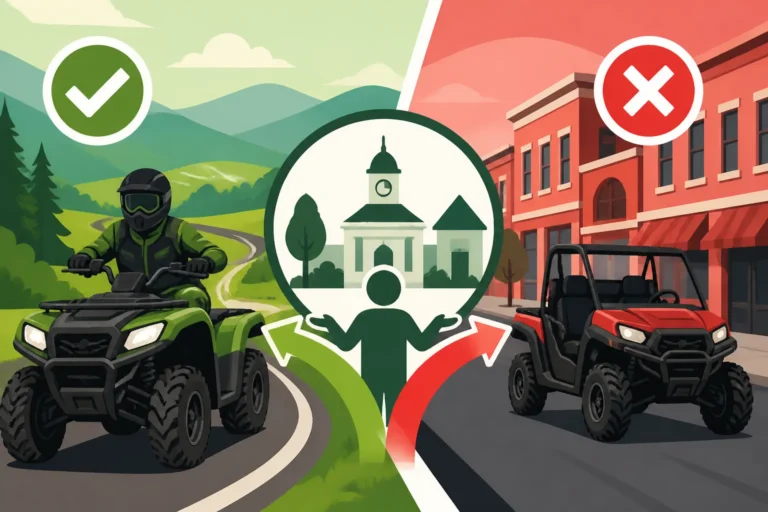
Vermont law often refers to "ATVs" and "ASVs," and understanding this distinction is key for passenger rules. Typically, an ATV refers to the traditional straddle-seat quad, while an ASV (All-Terrain Vehicle) often encompasses what many call a UTV or Side-by-Side. This distinction matters because ASVs are far more commonly designed and manufactured with multiple seating positions.
For example, a traditional ATV, or quad, with a saddle seat, is almost always built for one rider. The rider uses their body to shift weight and control the machine, and a passenger can severely impede this crucial function. However, many modern Side-by-Sides, which fall under the ASV umbrella in Vermont, come equipped from the factory with two, four, or even six seats, complete with seatbelts and sometimes even a Roll-Over Protection Structure (ROPS). These machines are engineered from the ground up to carry multiple occupants safely. The driver sits in the vehicle, steering with a wheel, and passengers are secured much like in a car.
If you own a Side-by-Side and it has multiple seats from the factory, you're generally good to go for passengers, assuming you follow all other safety and age guidelines. However, if you have a traditional ATV, it's highly likely it's a single-rider machine, and carrying a passenger would be a violation of Vermont law and a significant safety risk. Always check your [Vermont ATV Versus ASV Classes] to understand how your machine is categorized and what that means for its use.
Age and Supervision Requirements for Young Passengers
Riding with children can create some of the most cherished family memories, but Vermont is rightly very strict about ensuring the safety of young passengers. It’s not just about having a machine designed for multiple riders; it’s about the age and supervision required for those younger folks sharing the ride. These rules are in place for a good reason – to protect our kids from potential hazards on the trail.
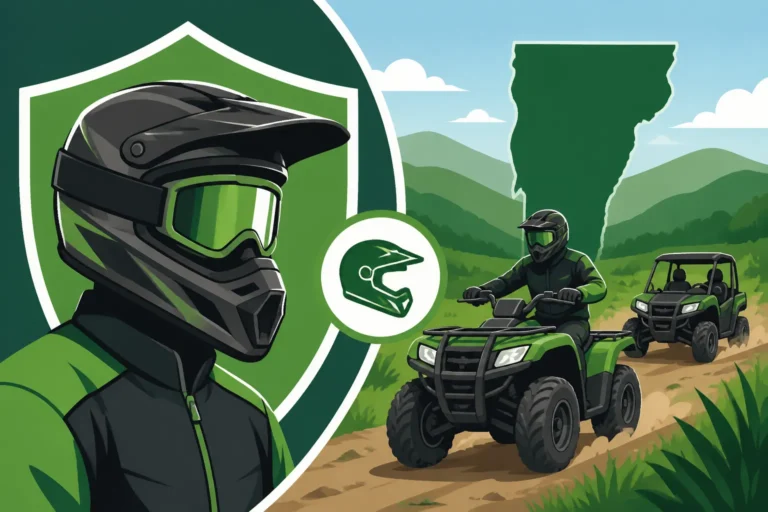
The law is clear: any person under the age of 18 must wear an approved helmet when operating or riding as a passenger on an ATV or UTV in Vermont. This isn't optional; it's a critical safety measure. Even beyond helmets, Vermont has specific rules regarding the age of passengers, especially those who are truly young.
Passenger Age Limits and Helmet Laws
While Vermont mandates helmets for all ATV and UTV riders and passengers under 18, it also specifies general guidelines for carrying younger passengers. The most important rule to remember is that a child passenger should only be carried on an ATV or UTV that is specifically designed by the manufacturer to carry more than one person, and then only if the child can firmly place both feet on the footrests or floorboards while seated. This isn't just a comfort thing; it's a safety measure to ensure they can maintain stability during the ride, especially over bumps or turns.
For instance, if your Side-by-Side has multiple seats, but your five-year-old’s feet dangle far from the floorboards, that machine isn't suitable for them, even if it has a seatbelt. They need to be securely seated and able to brace themselves properly. The goal is to minimize the risk of them being jostled around or falling out, which could lead to serious injury. Always remember the [Vermont ATV Helmet Law for Every Rider], and make sure any helmet worn meets the safety standards (such as FMVSS or ASTM). Helmets should fit snugly and be fastened correctly.
Direct Supervision for Under-16 Riders
For young riders who might also take a turn at the controls, or even as passengers, there are additional considerations. While this section focuses on passengers, it's worth noting that Vermont has a [Vermont ATV Safety Course Required Under 18] rule for operators. For passengers under 16, they must be supervised by someone 18 or older. This means an adult needs to be present and actively supervising the young passenger, ensuring they understand and follow safety protocols.
This supervision extends beyond just being in the same general area. It means the adult is responsible for the young passenger’s safety, making sure they are properly seated, wearing their helmet, and following all instructions. It's about constant vigilance and education on the trails. If you're planning a family ride, think about the dynamic: who is driving, who is supervising, and is everyone appropriately equipped and adhering to the law? A simple ride can quickly become complicated if these rules are overlooked.
Carrying a Child on a Vermont Machine
When it comes to carrying a child, especially a very young one, on an ATV or UTV, the focus should always be on whether the machine and the child are truly ready for the experience. Many manufacturers will recommend a minimum age for passengers, even on multi-rider machines. It's not uncommon to see recommendations for passengers to be at least 12 years old, or to meet specific height and weight requirements. These aren't arbitrary numbers; they're based on extensive safety testing and injury data.
You might be tempted to bring a very young child along for a short, slow ride on seemingly flat terrain. However, even low speeds and smooth paths can present unexpected hazards. A sudden stop, a hidden dip, or an unexpected turn could unbalance a small child who isn't strong enough or doesn't have the coordination to brace themselves. Prioritize their safety above all else. If your child isn't big enough to properly fit the seating and footrest requirements, or if the machine isn't specifically designed for them, it's best to leave them home or find an alternative way to enjoy the Vermont outdoors. The trails will still be there when they're older and safer to ride.
Ensuring Your ATV is Built for Passengers
This is where a lot of riders find themselves in a bit of a gray area, often making assumptions that can lead to unsafe situations or even legal trouble. The core of Vermont's passenger rules for ATVs and UTVs really boils down to how the machine was engineered from the start. You can't just slap a seat on a single-rider machine and call it good. The entire design of the ATV or UTV dictates its safe passenger capacity.
When we talk about an ATV being "built for passengers," we're referring to specific design elements that go far beyond just having an extra seat. It includes everything from the frame's strength and stability to the suspension's ability to handle additional weight, the braking system's capacity, and the presence of dedicated handholds and footrests for the passenger. Ignoring these critical factors can compromise the safety and handling characteristics of your machine, putting everyone at risk.
Single-Rider vs. Multi-Rider Machines
The distinction between a single-rider and a multi-rider machine is paramount. A single-rider ATV, by design, expects the operator to actively shift their weight for balance and control. This rider-machine interaction is fundamental to safe operation. Introducing a passive passenger on such a machine completely disrupts this dynamic. The passenger becomes dead weight, making it incredibly difficult for the operator to shift, balance, and react to changing terrain or obstacles. This is why most single-rider ATVs explicitly state "no passengers" on their warning labels.
Multi-rider machines, such as most Side-by-Sides, are built differently. They often have a wider stance, a lower center of gravity, and a more robust frame to accommodate the extra weight and different weight distribution. They also typically feature bucket seats, seatbelts, and dedicated grab handles for passengers, ensuring they are securely contained within the vehicle. If you're riding a machine that looks like a golf cart but ruggedized for off-road, you're likely on a multi-rider ASV. These are the machines where passengers are generally welcomed by design.
Here's a quick comparison of key features:
| Feature | Single-Rider ATV (Typically) | Multi-Rider ASV/UTV (Typically) |
|---|---|---|
| Seating | Single saddle seat, often requiring straddling | Bench or bucket seats with backrests, side-by-side seating |
| Footrests | Operator foot pegs | Floorboards for operator and passengers |
| Handholds | Steering handlebars for operator, no dedicated passenger holds | Steering wheel for operator, dedicated passenger grab handles |
| Restraints | None (operator uses body) | Seatbelts for all occupants |
| Suspension | Tuned for single rider weight | Heavier duty, tuned for multiple occupants |
| Balance | Relies on operator body lean | Inherently stable due to wider stance, less reliant on body lean |
| Manufacturer | "Single Rider Only" warnings | Specified passenger capacity |
Aftermarket Seats and Modifications
This is a common area of misunderstanding. Many companies, including SuperATV, offer a vast array of aftermarket parts, including seats. While these products can enhance your machine's comfort or utility, adding an aftermarket seat to a single-rider ATV does not legally or safely convert it into a multi-rider machine in Vermont. The underlying design limitations — the frame, suspension, braking, and overall balance — remain.
Attempting to carry a passenger on a single-rider ATV, even with an aftermarket seat, can lead to several dangers:
- Instability: The center of gravity changes dramatically, making the ATV prone to rollovers, especially on uneven terrain or during turns.
- Impaired Control: The operator's ability to shift weight and maneuver the ATV is severely compromised by a passenger, leading to loss of control.
- Braking Issues: The brakes are designed for a specific weight. Additional weight means longer stopping distances and increased risk of collision.
- Structural Failure: The frame and suspension might not be strong enough to safely support the added weight and stresses of a passenger, potentially leading to equipment failure.
If you are considering any modifications to your machine, especially those related to passenger capacity, you must always consult Vermont's ATV and ASV regulations. It's paramount to ensure that any modification doesn't violate the law or, more importantly, compromise the safety of yourself or your passengers. Always err on the side of caution. If your machine wasn't built for it, don't try to make it something it's not.
Safety Gear and Best Practices for Passengers
Once you’ve confirmed your ATV or UTV is legally allowed to carry passengers in Vermont and that your passengers meet any age requirements, the next crucial step is ensuring everyone is properly geared up and understands the best practices for a safe ride. Riding on trails can be unpredictable, and even the most experienced drivers can encounter sudden obstacles or changes in terrain. Proper safety gear and a clear understanding of how to be a good passenger are non-negotiable for a fun and incident-free outing.
Think of it like this: you wouldn't send a skier down a black diamond slope without a helmet, even if they're just a passenger on a tandem ski. The same principle applies here. The right gear acts as your first line of defense against potential injuries, and understanding how to ride as a passenger helps you contribute to the overall stability and safety of the machine.
Mandatory Helmets and Other Protective Gear
As mentioned earlier, Vermont law is very clear about helmets: any person under the age of 18, whether operating or riding as a passenger on an ATV or UTV, must wear an approved helmet. Even if you're over 18, wearing a helmet is highly recommended. Head injuries are among the most serious types of injuries in ATV and UTV accidents, and a helmet is the single most effective piece of equipment for preventing them. Make sure the helmet fits snugly, is properly fastened, and meets recognized safety standards like DOT, Snell, or ASTM. You can read more about this in [Vermont ATV Helmet Law for Every Rider].
Beyond the helmet, other protective gear is just as important:
- Eye Protection: Goggles or a face shield on your helmet are essential. Dust, branches, insects, and kicked-up debris can impair your vision or cause serious eye injuries.
- Long-Sleeved Shirt and Pants: Even on a hot day, skin exposure is a bad idea. Long sleeves and pants protect against scrapes, cuts, sunburn, and insect bites from passing brush or potential falls. Denim or sturdy synthetic fabrics are good choices.
- Gloves: Gloves protect your hands from blisters, abrasions, and offer a better grip, especially important for passengers holding onto grab handles.
- Over-the-Ankle Boots: Sturdy boots protect your feet and ankles from impacts, hot engine parts, and offer better grip on footrests. Avoid open-toed shoes, sandals, or flimsy sneakers.
Encourage your passengers to dress in layers, as weather conditions in Vermont can change quickly, especially on longer rides. A comfortable, prepared passenger is a safer passenger.
Proper Passenger Positioning and Communication
Even on a multi-rider machine, how a passenger positions themselves and communicates with the driver is critical. A passive passenger who just sits there can unintentionally create instability.
- Maintain Proper Seating: Passengers should sit upright, with their feet firmly planted on the floorboards or footrests provided. They should use any grab handles or handholds as intended, keeping a firm but not rigid grip. Leaning against the driver or shifting weight excessively can throw off the machine's balance.
- Lean with the Driver (on ATVs): If, by some unusual exception, you are a passenger on an ATV (not a Side-by-Side) where it's designed for a passenger (very rare for quads), it's crucial for the passenger to lean with the driver in turns and over obstacles. This cooperative movement is vital for maintaining balance. However, as noted, most ATVs are single-rider only for this very reason.
- Listen to the Driver: The driver is in control and knows the terrain ahead. Passengers should pay attention to any instructions from the driver, such as "hold on tight," "prepare for a bump," or "we're turning sharply."
- Communicate Clearly: If a passenger needs to stop, feels uncomfortable, or has a question, they should communicate this clearly to the driver before an issue arises. Hand signals or a tap on the shoulder can be effective if verbal communication is difficult due to engine noise or helmets. Never try to distract the driver while the machine is in motion or make sudden movements that could startle them.
- Stay Within the Machine's Confines: Keep hands and feet inside the vehicle at all times. Extending limbs can lead to serious injury from passing obstacles, or if the machine brushes against trees or rocks.
Pre-Ride Briefing for Passengers
Before you even start the engine, a quick pre-ride briefing with your passengers can make a huge difference. This is especially important for new riders or children.
Here’s what to cover:
- Machine Operation: Briefly explain how the machine works (e.g., "we're going to accelerate with this, and brake with that pedal").
- Safety Gear Check: Confirm helmets are snug, eye protection is on, and everyone is dressed appropriately.
- Foot and Hand Placement: Show them exactly where to put their feet and hands, and emphasize keeping them there.
- Communication Signals: Establish clear verbal or non-verbal signals for communication during the ride.
- No Sudden Movements: Stress the importance of not making sudden, unexpected movements that could surprise or unbalance the driver.
- Emergency Procedures: Briefly mention what to do if the machine stops unexpectedly or if there's a need to dismount quickly.
By taking the time to educate and prepare your passengers, you're not just following best practices; you're actively contributing to a safer and more enjoyable experience for everyone on the beautiful Vermont trails. Always remember, safety first, adventure second!
Disclaimer
This article is for general informational purposes only and does not constitute professional advice. Laws, prices and regulations vary by location and change over time. Consult a qualified professional for guidance on your specific situation.